


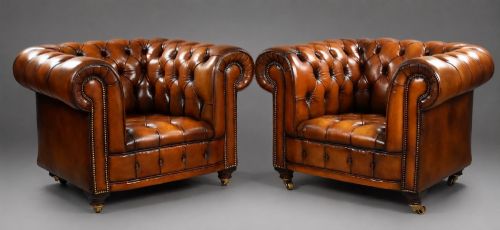
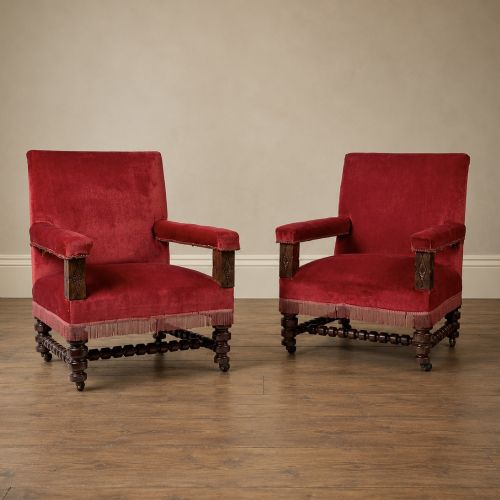
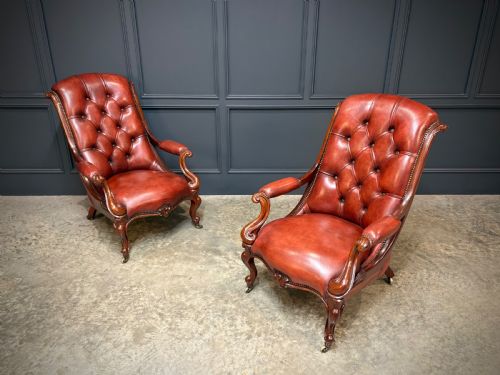
Pair Victorian Club Chairs
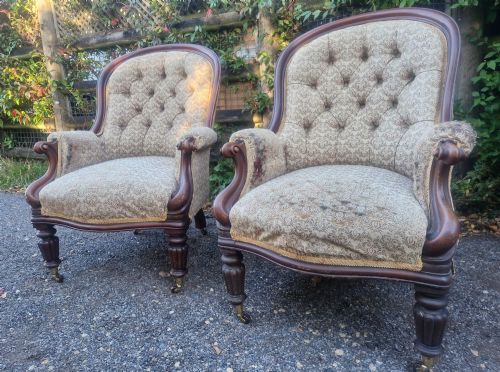
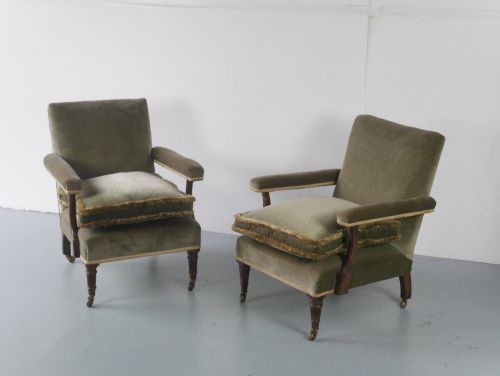
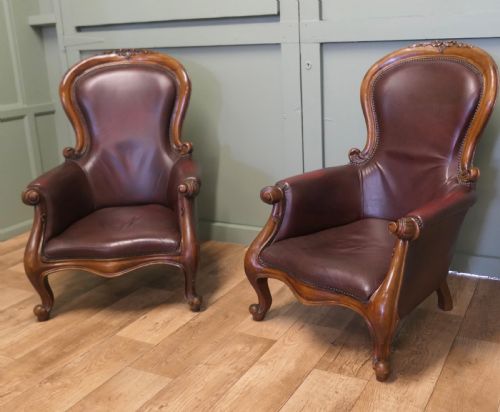
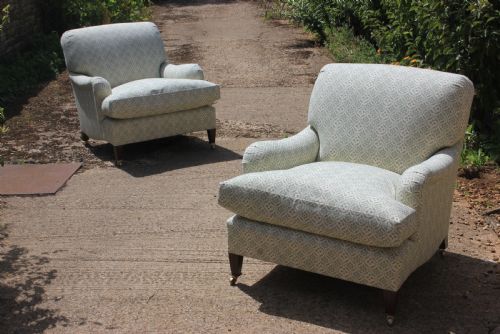
These heavy, deep-seated pair victorian club chairs combine generous proportions with sturdy wood frames and worn hides for effortless fireside relaxation.
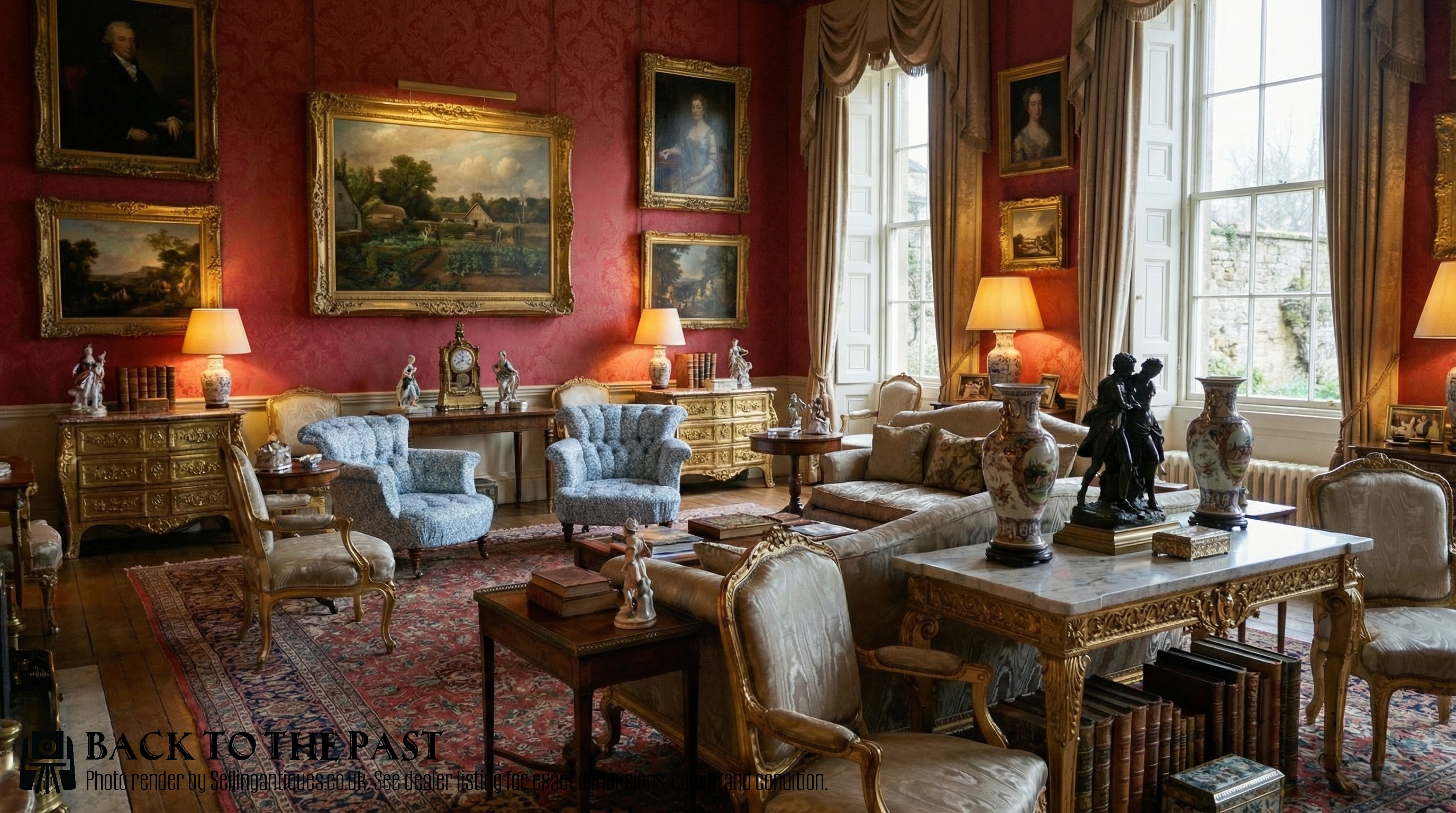
Pair Victorian Club Chairs
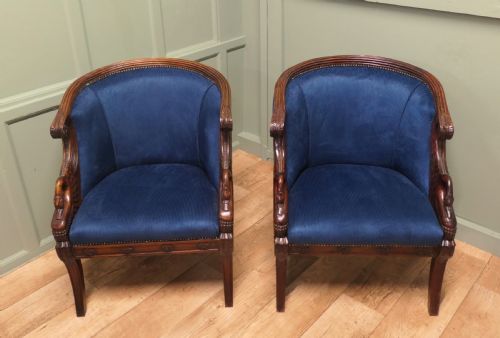
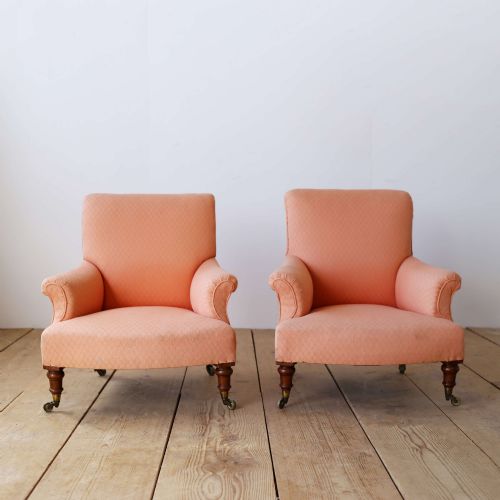
Pair victorian club chairs are substantial nineteenth-century seating designed for libraries, studies, and country house drawing rooms, offering deep seats and supportive backs. They frequently appear on this page upholstered in leather or fabric, resting upon mahogany, oak, or walnut frames.
The versions most commonly met here date from the nineteenth century into the early twentieth century, spanning standard Victorian forms through to Edwardian interpretations. Makers often utilised buttoning, scroll arms, or structural wood carving to distinguish individual pairs.
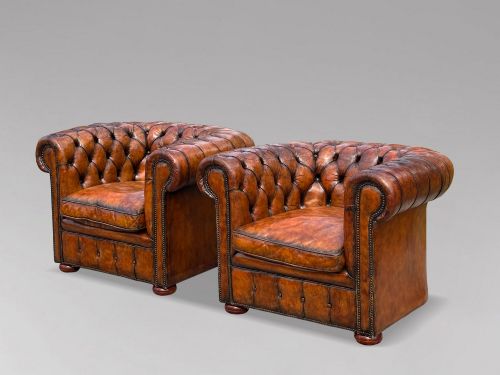
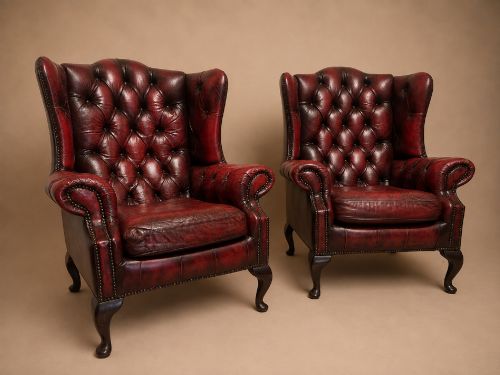
Buyers encounter traditional English country house models alongside library chairs and Chesterfield variants. These pieces serve as functional seating that brings period character and substantial presence to modern interiors.
How they were made
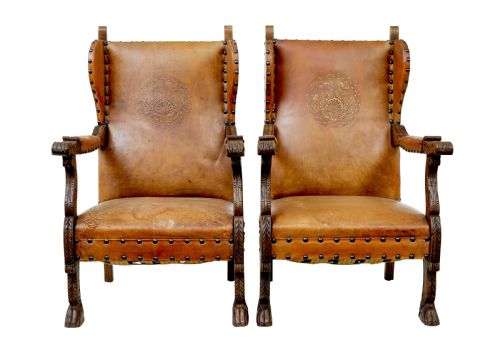
Frames rely on sturdy timbers including mahogany, oak, walnut, and general hardwoods to support the heavy internal sprung construction required for deep seating. Woodcarving appears on exposed arms and legs, particularly in Victorian Gothic Revival or lion-carved library styles.
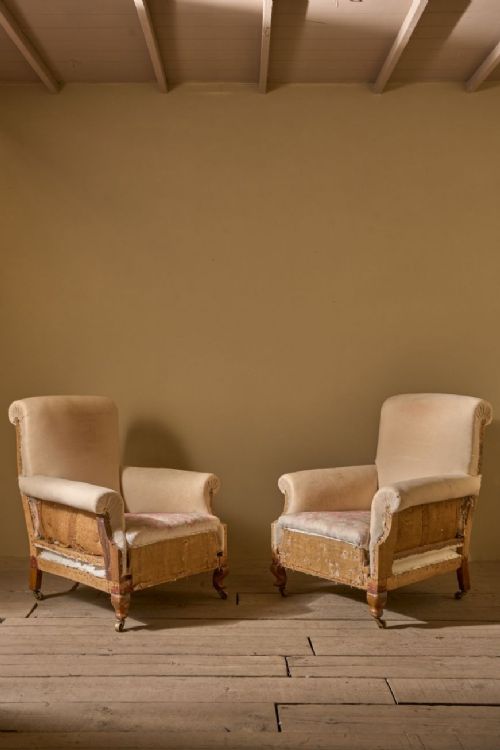
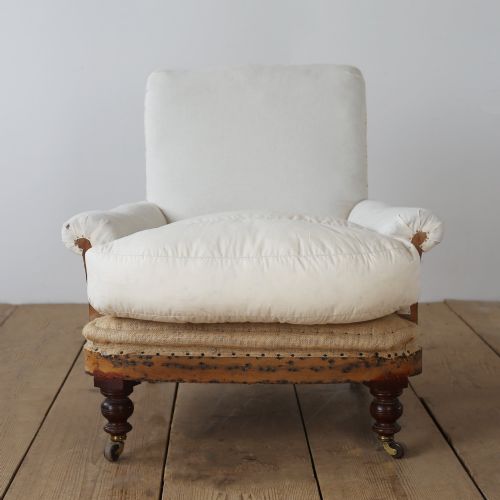
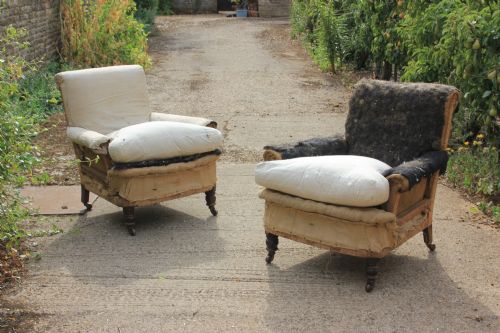
Upholstery combines traditional horsehair stuffing and coil springs with leather hides, velvet, linen, or ticking fabric. Brass tacks frequently secure the leather edges to the wooden frames, providing both structural fastening and decorative detail.
Pair Victorian Club Chairs Retail Price Guide 2026
Typical asking prices for pair victorian club chairs among the pieces listed under this phrase on Sellingantiques today, from the lower quarter to the upper quarter. They describe what is for sale here now, not the wider market.
Listings feature woods like mahogany, oak, walnut, and brass alongside leather, velvet, linen, and ticking fabric.
What varies in quality
The integrity of the internal springing and the depth of the padding dictate comfort and structural longevity. Superior examples maintain firm support across the seat deck without excessive sagging in the primary springs.
The choice and treatment of the covering material separates standard production from finer workshop output. High-grade leather develops a rich patina with use, while maker-stamped timber frames or bespoke upholstery like ticking and velvet indicate superior origin.
Howard and Sons·Harrods London·Johnstone and Jeanes
The Pair Victorian Club Chairs Glossary
- Chesterfield
- A deep-tufted upholstered seating design traditionally featuring arms and back of the same height. This style offers a distinct silhouette common in nineteenth-century libraries.
- Library chair
- A heavy, substantial armchair designed for reading rooms and studies, typically featuring durable leather upholstery and a sturdy wood frame. These chairs prioritize ergonomic support for extended sitting.
- Spoon back
- A padded chair back shaped like the bowl of a spoon, popular during the Victorian period. This contour fits the human spine to provide comfortable upright posture.
- Tub chair
- A curved armchair where the arms rise continuously from the seat to form a rounded backrest. This compact form provides enclosed comfort.
- Ticking
- A tightly woven cotton or linen fabric historically used to contain feather and hair mattress or upholstery stuffing. It appears on country house furniture for a relaxed, patterned finish.
Pair Victorian Club Chairs: Frequently Asked Questions
What defines a club chair?
A club chair is a deep, comfortable armchair designed for prolonged relaxation in libraries, smoking rooms, or studies. They feature robust internal framing and thick upholstery.
Historically, these pieces were built to withstand heavy daily use by generations. Their generous dimensions distinguish them from standard parlour seating.
Are these chairs comfortable for daily use?
These pieces offer exceptional comfort due to their deep seats and traditional coil-sprung construction. The heavy padding supports long periods of sitting.
Many buyers use them as primary living room seating. Their ergonomic proportions make them well-suited for reading and resting.
How do I care for leather upholstery?
Leather requires regular conditioning to maintain suppleness and prevent cracking over time. Keeping the hide clean from dust preserves the natural finish.
Avoid placing these chairs in direct sunlight or near heat sources, which can dry out the material. Gentle cleaning preserves the historic patina.
How can I tell different periods apart?
Early Victorian examples often feature dark mahogany frames and deep buttoning, while later pieces incorporate oak or walnut with simpler lines. Edwardian versions sometimes introduce lighter woods and softer fabrics.
Examining the turning of the legs and the style of the upholstery tacks helps narrow down the manufacturing decade. Maker stamps also provide definitive chronological markers.