

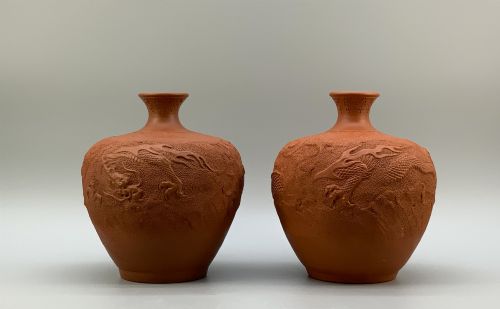




Pair Terracotta Urns
These pair terracotta urns bring classical presence to gardens and interiors, selected for symmetry and tactile earthen surfaces.
Pair Terracotta Urns
When you search for pair terracotta urns, you encounter matched vessels designed for classical symmetry in gardens and grand interiors. The selections span from nineteenth century British, French, and Italian examples to early twentieth century productions.
Most entries follow traditional forms such as campana shapes, campana garden urns, tazza urns, and lobed garden vessels. Many examples arrive paired with matching pedestals or plinths to elevate the display outdoors.
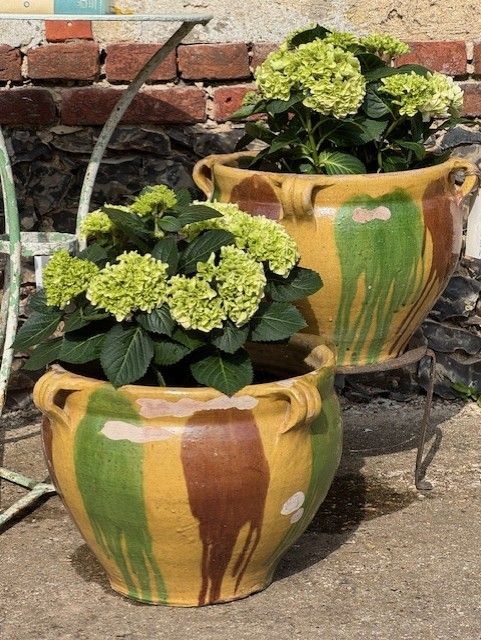
Regional variations appear frequently, including buff terracotta, yellow Anduze pots from France, scroll pots, and salt glazed garden variants. Buyers also encounter oil jars and portrait urns originating from continental European workshops.
How they were made
Makers shaped these vessels using natural earthen materials including terracotta, stoneware, and earthenware. Clay was worked by hand or pressed into moulds to achieve classical relief ornament such as rams heads, swags, and scroll handles.
Kiln firing transformed the raw clay into durable garden ware, sometimes left porous and unglazed to weather naturally outdoors. Certain pieces received applied glazes or slip treatments, creating dribble glazed surfaces or contrasting textures.
Pair Terracotta Urns Retail Price Guide 2026
Typical asking prices for pair terracotta urns among the pieces listed under this phrase on Sellingantiques today, from the lower quarter to the upper quarter. They describe what is for sale here now, not the wider market.
Listings feature terracotta, stoneware, and earthenware materials across nineteenth century and twentieth century periods.
What varies in quality
The standard of modelling separates ordinary garden vessels from superior pieces. Crisp relief ornament, well-defined rims, and balanced proportions reveal the skill of the original modeller and potter.
Maker attribution and original provenance elevate certain examples significantly. Pieces bearing stamps from notable potteries or originating from distinguished country house gardens command greater attention from collectors.
Dunfermline Clay Company·Compton Pottery·Bernhard Bloch·Gartcraig·Doulton of Lambeth
The Pair Terracotta Urns Glossary
- Terracotta
- Fired brownish-red earthenware clay used extensively for garden ornaments and architectural vessels. Its porous nature allows the material to weather gracefully over decades outdoors.
- Campana urn
- A bell-shaped garden vessel with an everted rim, sweeping body, and circular foot. This classical silhouette originated in ancient Greece and Rome.
- Tazza
- A shallow bowl or urn elevated on a pedestal foot. These open forms suit planting or decorative display on garden terraces.
- Socle
- A short plain plinth or pedestal supporting an urn or vase. It provides structural stability and visual elevation for garden containers.
- Salt glaze
- A vitreous coating formed by throwing common salt into the kiln during high-temperature firing. This produces a durable, slightly pitted texture on stoneware surfaces.
Pair Terracotta Urns: Frequently Asked Questions
Can pair terracotta urns stay outside in winter?
Most nineteenth century and twentieth century garden urns withstand seasonal weather if they possess adequate drainage holes and sit off the ground on pedestals.
However, severe frost can crack porous earthenware if trapped moisture expands inside the clay body.
How do I identify nineteenth century examples?
Nineteenth century pieces typically display heavier weight, hand-finished detailing, and characteristic weathering patterns across the unglazed clay.
Certain items carry factory stamps, registration marks, or specific regional clay colours like buff or deep red.
What is a campana shape?
The campana shape resembles an inverted bell, featuring a wide flared rim that tapers down toward a narrower base.
This classical silhouette remains one of the most popular forms for garden urns and decorative planters.
Are matching pedestals original to the urns?
Many large garden urns were retailed alongside matching plinths or pedestals designed to elevate them within formal landscapes.
Pairs listed with original matching columns maintain greater harmony in height and material ageing.