


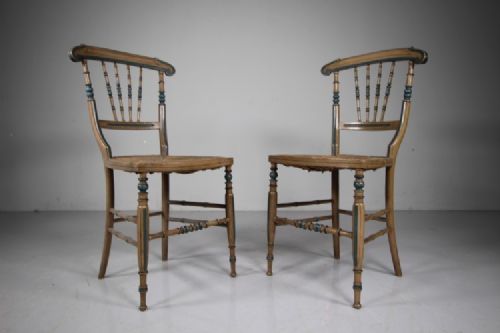


Pair Regency Wooden Chairs
Pair regency wooden chairs bring formal symmetry to a room, offering sturdy seating in rich timbers.
Pair Regency Wooden Chairs
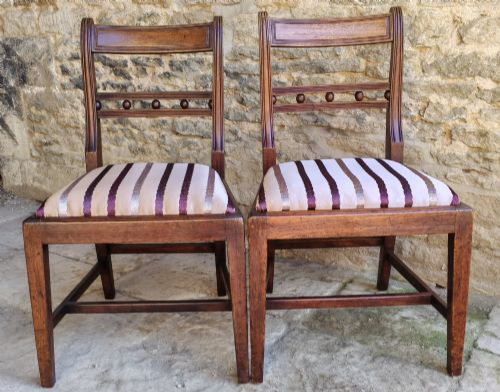
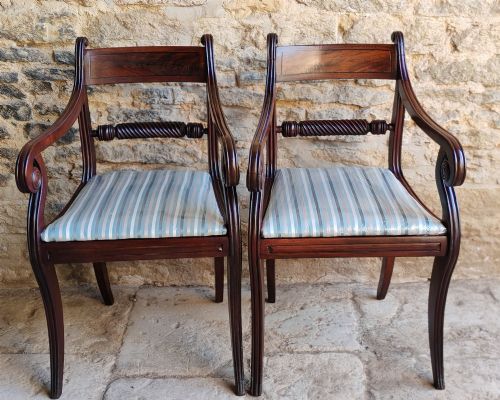
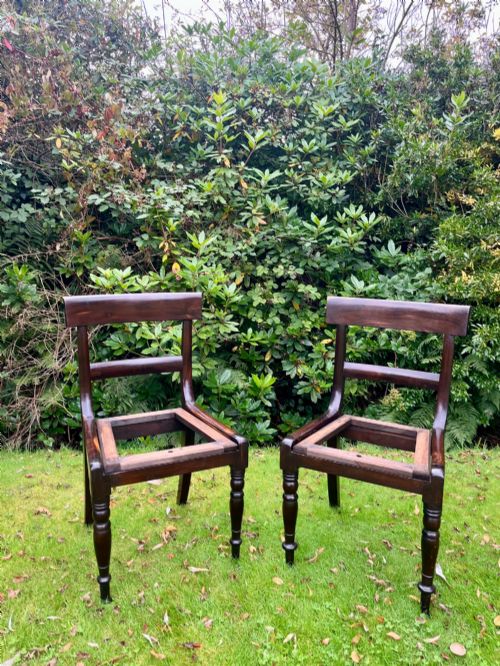
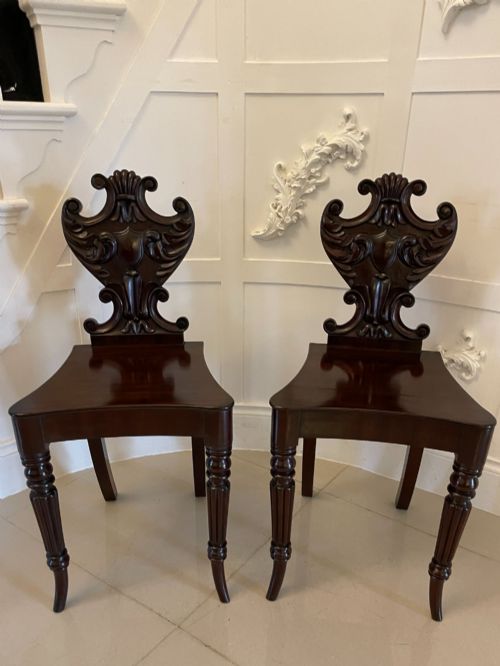
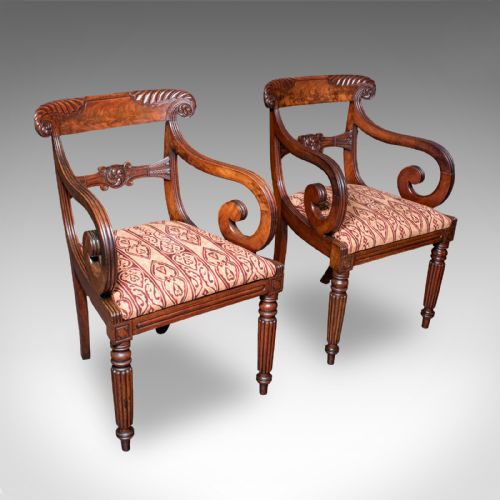
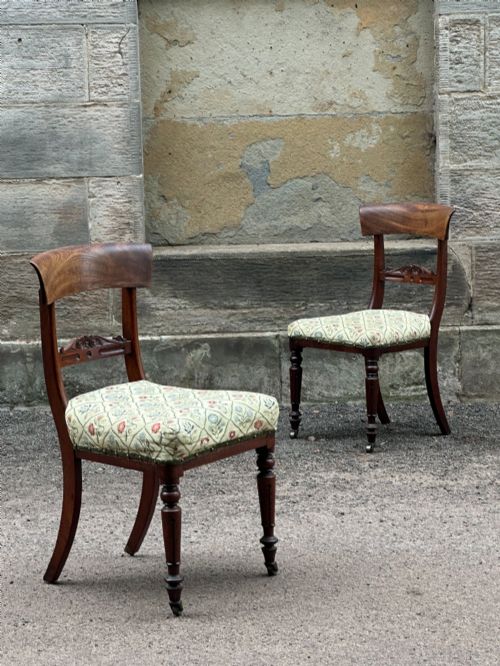
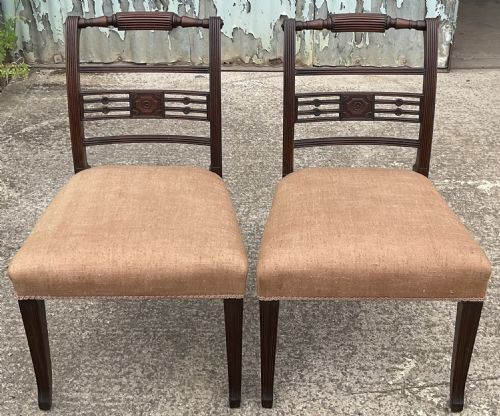
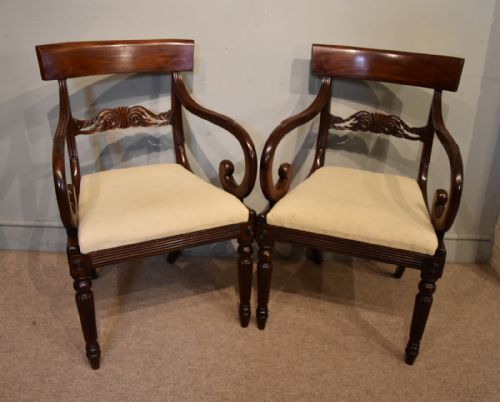
When you search for pair regency wooden chairs, you encounter matched seating designed for formal rooms, dining spaces, and hallways. The pieces appearing here span specific forms such as hall chairs, side chairs, armchairs, and carver elbow seats.
Most examples originate from the Regency period, alongside related pieces from the Georgian, William IV, and Victorian eras. These matching duplicates provide a balanced arrangement when placed on either side of a fireplace or against a hallway wall.
Makers often shaped these seats in mahogany, oak, and laburnum, sometimes incorporating cane panels or upholstery in fabric and velvet. The designs rely on classical restraint or ornate carving to establish their formal character.
How they were made
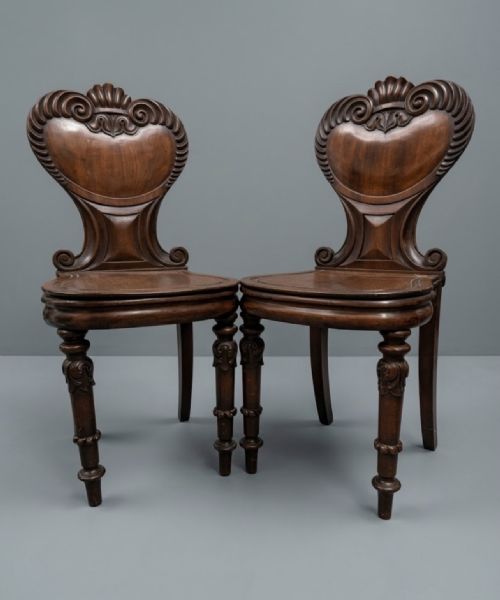
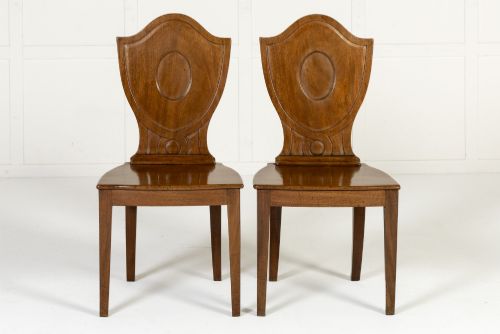
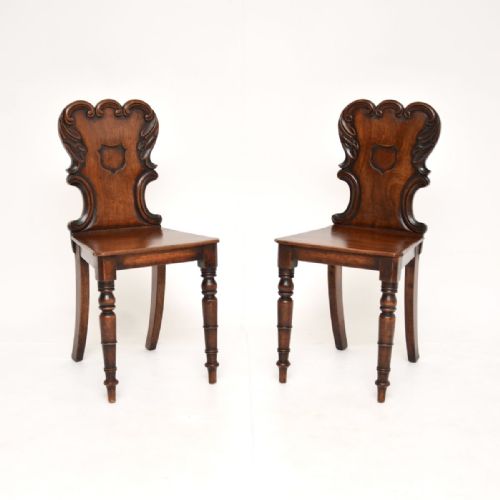
Cabinetmakers constructed these frames primarily in solid mahogany, alongside oak and laburnum, using joinery techniques designed to withstand heavy daily use. Turnings, curves, and carved backrests such as the pelta or shield shape required precise hand woodworking.
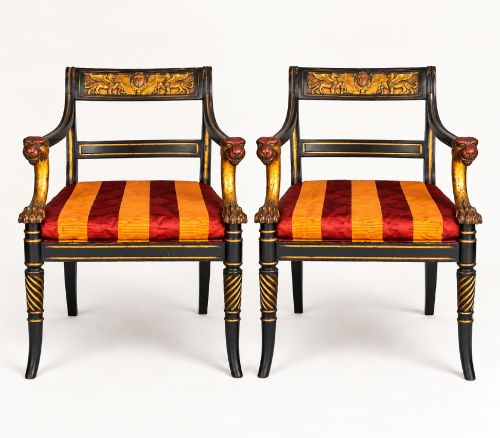
Surface decoration frequently involved intricate wood inlays, ebonising, gilding, or applied paint finishes. Craftsmen also integrated brass details and woven cane inserts into the wooden structures.
Upholstered variants incorporated fabric or velvet coverings over supportive padding, while simpler hall chairs relied entirely on carved wooden seats.
Pair Regency Wooden Chairs Retail Price Guide 2026
Typical asking prices for pair regency wooden chairs among the pieces listed under this phrase on Sellingantiques today, from the lower quarter to the upper quarter. They describe what is for sale here now, not the wider market.
Listings for these chairs feature mahogany as the dominant timber, accompanied by oak, laburnum, and ebonised wood surfaces.
What varies in quality
The standard of a pair depends heavily on the crispness of the carved woodwork and the selection of the timber grain. Pieces showing deeply sculpted shell backs or precise inlay work display superior workshop execution.
Authorship and regional origin also influence the standing of a pair, particularly when associated with prominent cabinet-making firms. The integrity of the original wood finish and the matched grain across both chairs determine their standing.
Gillows
The Pair Regency Wooden Chairs Glossary
- Hall chair
- A rigid wooden seat traditionally placed in entrance halls, featuring a solid wooden seat and an elaborately carved backplate bearing crests or classical motifs. These items were rarely sat in for long periods.
- Carver chair
- An armchair designed with open sides, frequently positioned at the head of a dining table or paired beside a fireplace.
- Ebonised
- Wood treated with a chemical stain or finish to imitate expensive ebony, creating a dense black surface that often highlights gilt highlights.
- Pelta back
- A chair back shaped in the form of a classical shield or crescent, popular during the Regency period.
- Cane
- Thin strips of peeled rattan woven into an open mesh pattern to form lightweight chair panels.
Pair Regency Wooden Chairs: Frequently Asked Questions
Where were pair regency wooden chairs used?
These seats were originally placed in grand entrance halls, formal reception rooms, and dining parlours. Hall chairs served as architectural statements rather than lounging furniture.
Today, they function well in hallways, bedrooms, or dining spaces where symmetry and period character matter.
How do I identify a regency chair?
Regency chairs typically display classical influences inspired by ancient Greek and Roman designs. Look for sabre legs, reeded framing, and carved motifs like leaves or shields.
They date from the early nineteenth century, though similar styles continued into the William IV era.
Are these chairs comfortable for daily use?
Dining chairs and armchairs with upholstered seats offer standard seating comfort. Hall chairs are upright and rigid by design, intended for brief sitting.
Using them around a modern dining table works well if you prefer firm support.