


Pair of Wooden Lamps
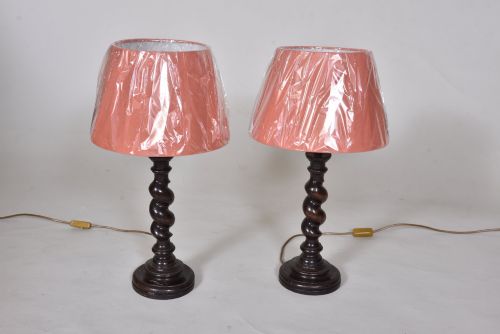
A pair of wooden lamps brings symmetry and warmth to a room, spanning periods from the eighteenth century to the twentieth.
Pair of Wooden Lamps
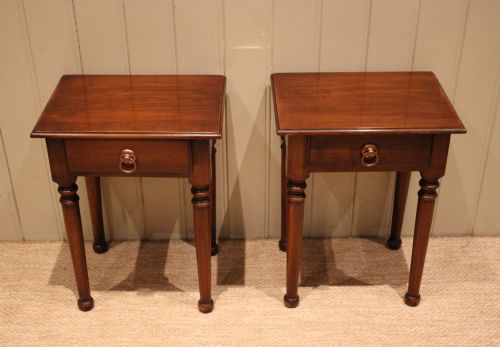
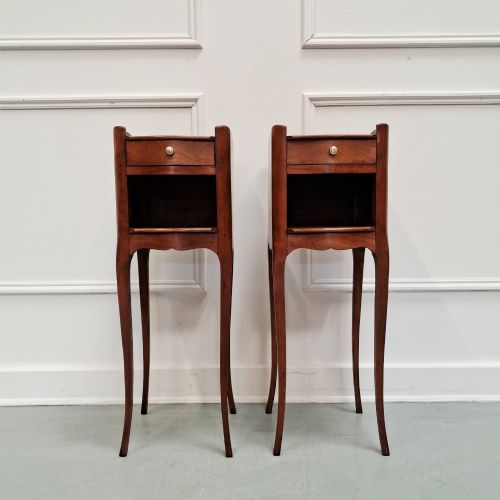
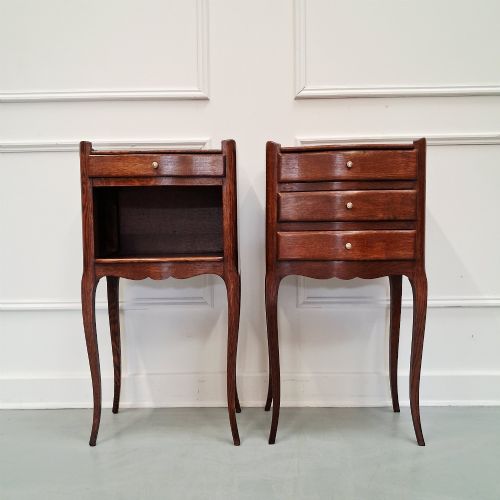
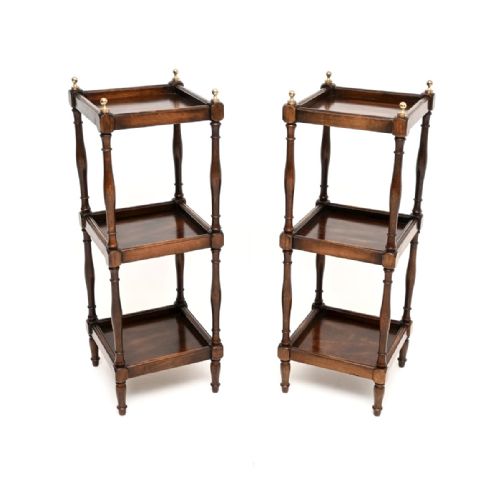
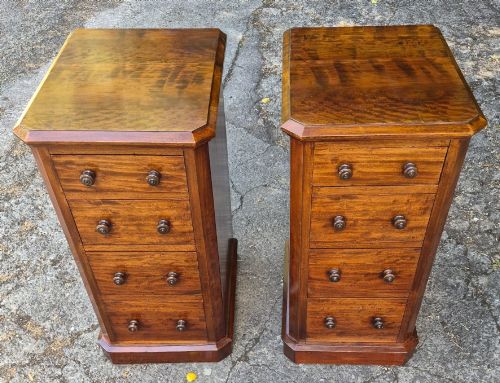
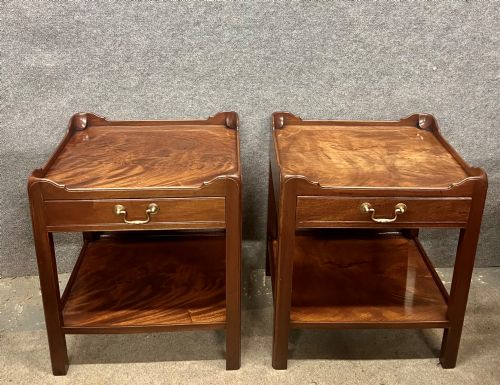
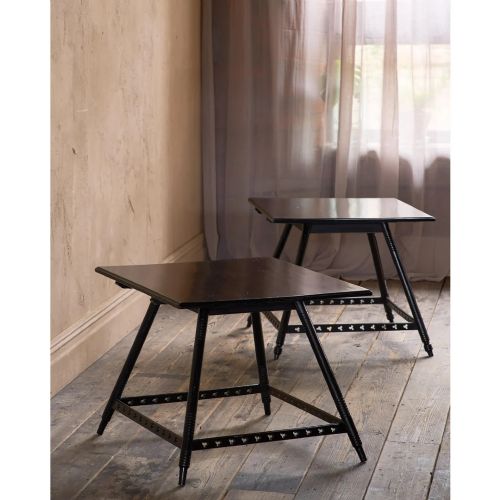
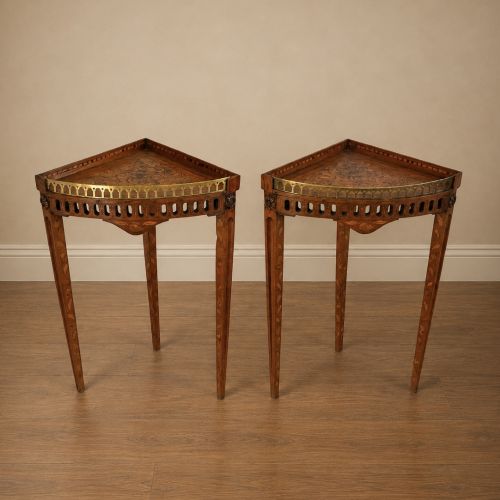
When searching for a pair of wooden lamps, buyers encounter items ranging from dedicated lamp bases and standard lamps to furniture such as bedside tables and side tables adapted or utilised for lighting. The selection spans the eighteenth century, the Victorian era, the Edwardian period, and the 1900s through to the 1930s.
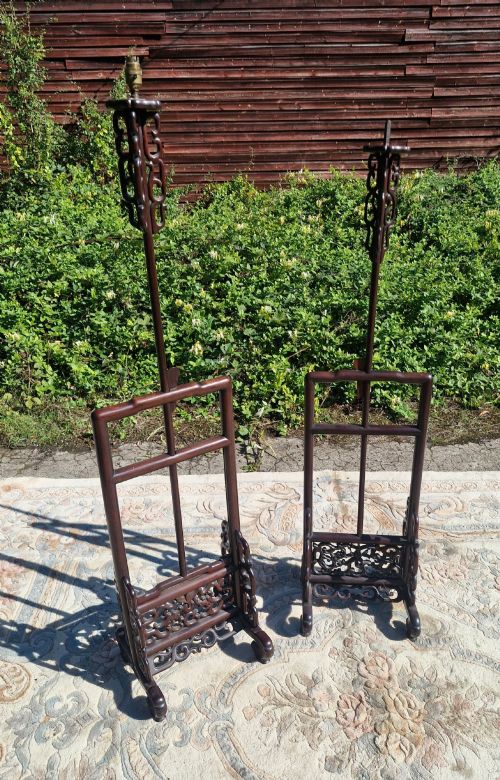
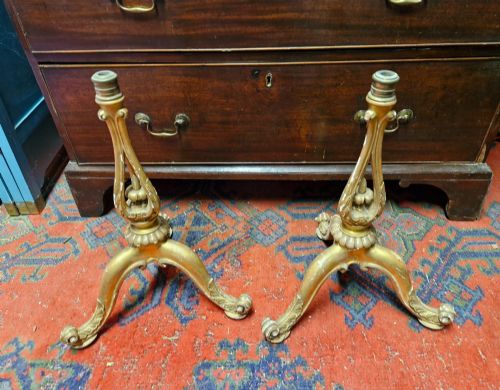
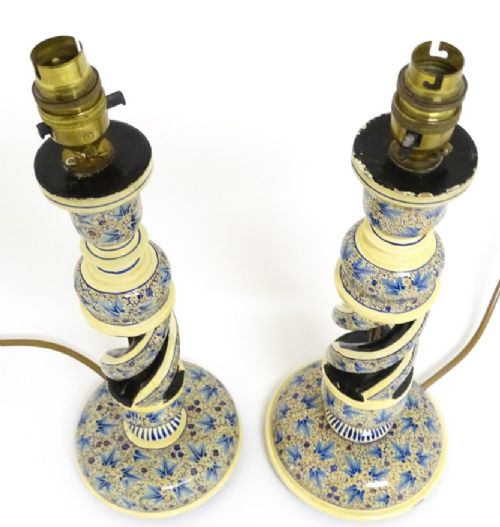
The most common forms on this page include mahogany, oak, and walnut lamp tables, alongside standard floor lamps and turned lamp bases fashioned from timber. Stylistic influences vary widely, taking in Georgian style, French Provincial, Anglo-Indian Kashmiri hand-painted pieces, and carved giltwood.
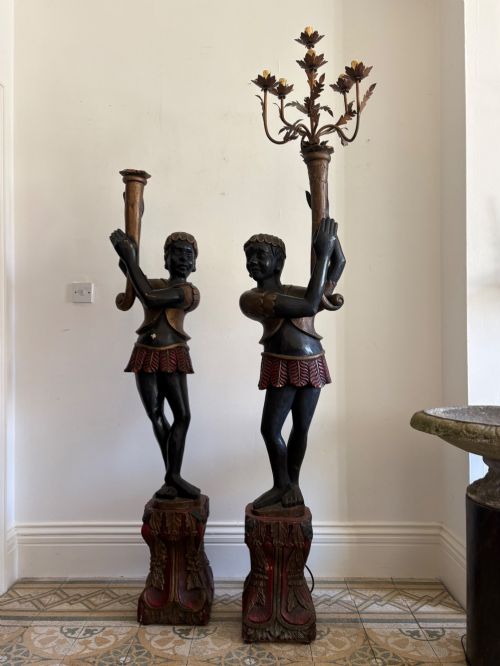
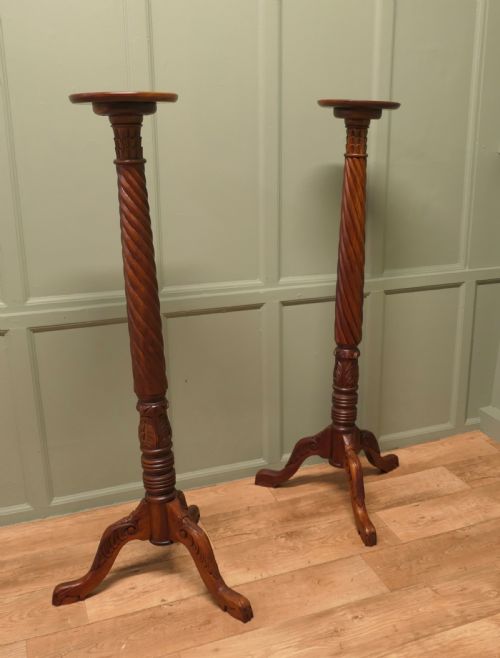
Buyers also find larger focal pieces such as tall torchere stands, ebonised tables, and carved wood floor lamps. These items reflect traditional domestic lighting and display needs across multiple historical periods.
Materials and construction
The construction relies heavily on native and imported timbers, with mahogany, oak, walnut, and hardwood forming the primary structural materials for both the furniture lamp tables and the dedicated lamp bases. Cabinetmakers and turners employed traditional joinery, utilising brass hardware, marble inserts, and fabric shades where appropriate.
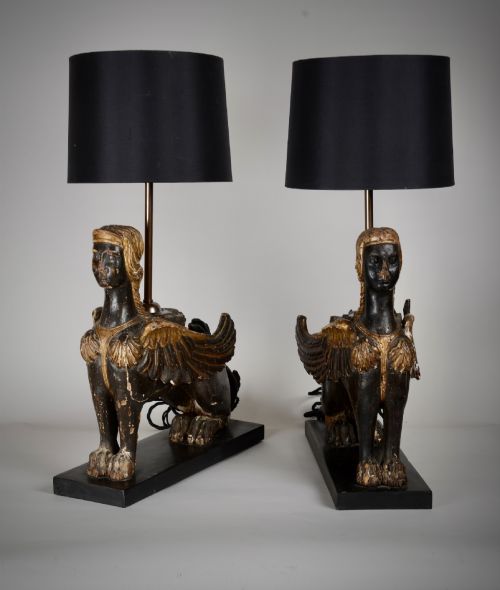
Surface ornamentation ranges from marquetry inlay and hand-painting to gilding on carved wood and ebonising. Pieces from specific traditions, such as Kashmiri hand-painted lamps or Venetian carved wood, demonstrate regional decorative techniques applied directly to timber.
Pair of Wooden Lamps Retail Price Guide 2026
Typical asking prices for pair of wooden lamps among the pieces listed under this phrase on Sellingantiques today, from the lower quarter to the upper quarter. They describe what is for sale here now, not the wider market.
A life-size Venetian carved wood blackamoor floor lamp stands ready to hold the light.
Assessing quality and execution
Quality in these items rests upon the crispness of the timber carving, the selection of figured wood such as burr elm or mahogany, and the integrity of the original construction. Finer examples display precise marquetry inlay, balanced proportions, and well-executed turning.
The distinction between standard commercial output and superior work involves the depth of hand-finishing, the quality of surface gilding or paintwork, and whether conversions from older items like torchere stands or candlesticks retain their structural harmony.
The Pair of Wooden Lamps Glossary
- Torchere stand
- A tall, slender stand originally designed to hold a candelabrum or torch, frequently adapted for use as a lamp standard.
- Marquetry
- Decorative veneer work where pieces of wood and other materials are fitted together to form geometric or pictorial designs on a surface.
- Giltwood
- Timber that has been coated with a thin layer of gold leaf or gold paint to give a metallic, decorative finish.
- Standard lamp
- A tall floor-standing lamp designed to provide ambient room illumination.
- Tripod base
- A three-legged support structure commonly found on small tables, torcheres, and lamp standards for stability.
Pair of Wooden Lamps: Frequently Asked Questions
What is the difference between a lamp base and a lamp table?
A lamp base is a freestanding vertical fixture specifically manufactured to hold electrical fittings and a shade, serving solely as a lighting apparatus.
A lamp table combines a small piece of furniture, such as a bedside or side table, with a surface area and often integrated lighting elements to serve a dual purpose.
How do I identify the period of a wooden lamp?
Dating relies on observing the timber species, construction methods, and decorative styles characteristic of specific eras, such as Georgian mahogany or Victorian oak.
Comparing the turning style and surface finish against known historical periods helps narrow down the approximate date of manufacture.
Were all these items originally made as lamps?
Many items began life as candlesticks, torchere stands, or standard furniture tables before undergoing later conversion to hold electrical components.
Others, particularly twentieth-century pieces, were manufactured specifically as lamp bases or fitted lamp tables from the outset.
How should I care for antique wooden lamps?
Maintenance requires keeping the timber clean with a soft, dry cloth and avoiding excessive moisture or direct sunlight that might dry out the wood or crack polished finishes.
Electrical components should be checked periodically by a qualified professional to ensure safety compliance.