




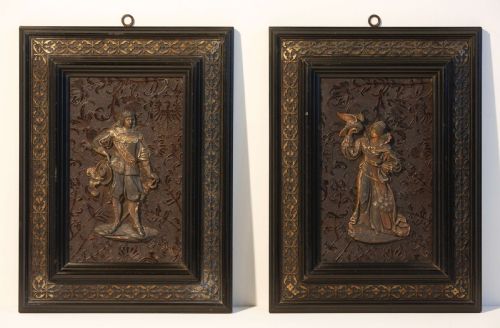
Pair of Wall Plaques
When you search for a pair of wall plaques, you are looking at matched decorative art designed to balance a room.
Pair of Wall Plaques
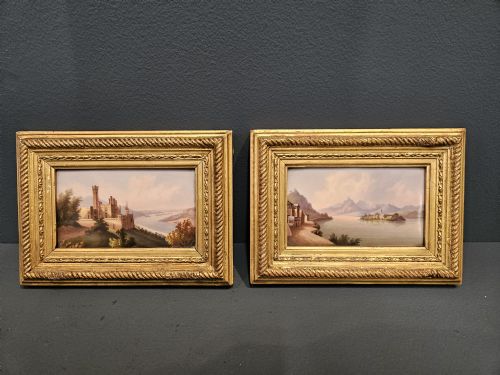
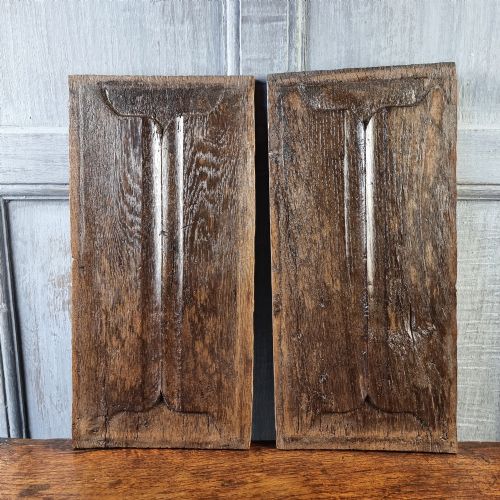
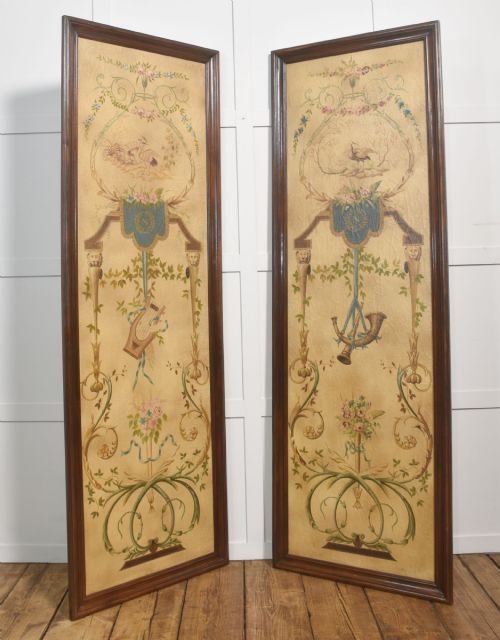
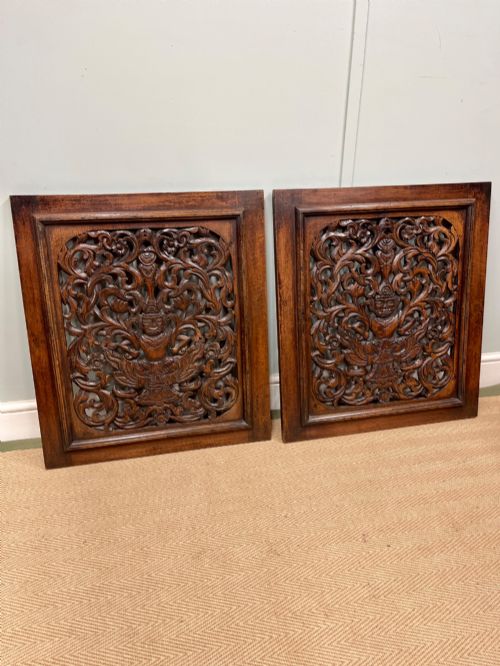
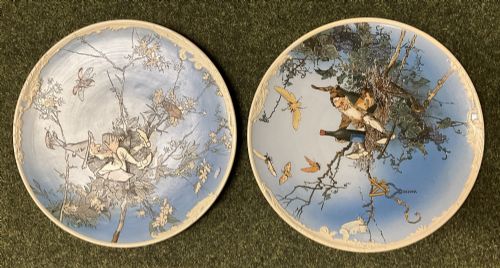
A pair of wall plaques comprises matched decorative objects designed for symmetrical hanging on interior surfaces. When searching for a pair of wall plaques, buyers encounter an array of forms spanning centuries, from hand-carved wooden panels and framed porcelain to repousse metal chargers and classical marble profiles.
The selections on this page draw from periods such as the eighteenth and nineteenth centuries, alongside early twentieth-century examples in Arts and Crafts and Art Nouveau idioms. Materials range from traditional oak and walnut to cast iron, copper, brass, terracotta, and painted porcelain.
Originating from diverse European and Asian workshops, these pieces function primarily as focal points within domestic interiors. They bridge architectural salvage and fine art, offering symmetrical composition through matched subjects like historical figures, classical scenes, or natural motifs.
How they were made
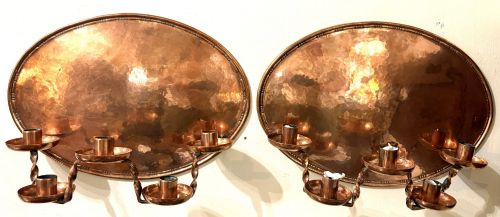
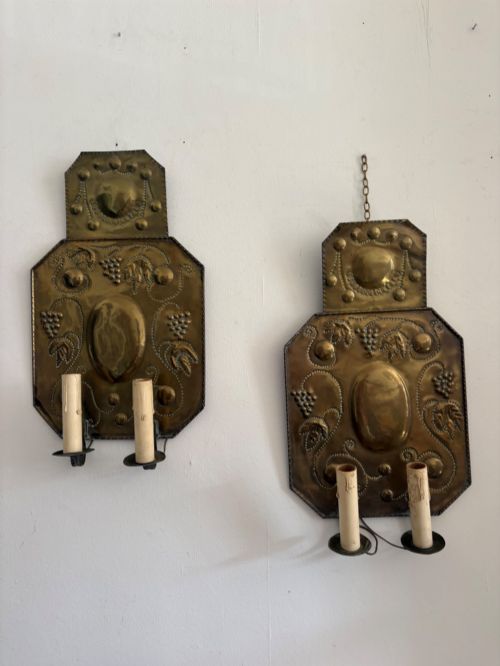
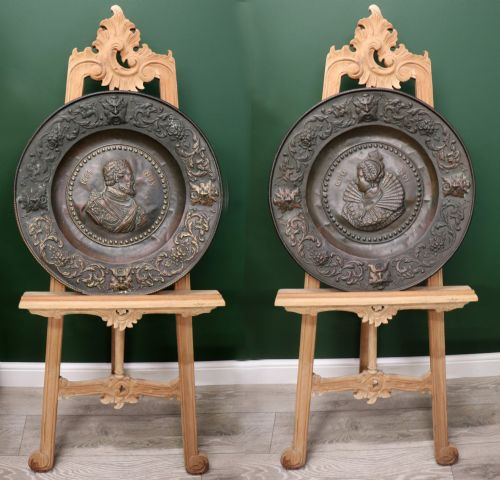
The construction of these works relies heavily on manual craftsmanship across diverse material traditions. Metal examples utilise techniques like repousse, hammering, and casting in bronze, copper, brass, and iron to achieve sharp relief details.
Ceramic and porcelain versions involve moulding, firing, and hand-painting with enamel or glaze, often featuring signature artistry from factories. Wooden panels employ hand-carving, lacquering, and inlay work such as mother-of-pearl to build intricate surface depth.
Pair of Wall Plaques Retail Price Guide 2026
Typical asking prices for pair of wall plaques among the pieces listed under this phrase on Sellingantiques today, from the lower quarter to the upper quarter. They describe what is for sale here now, not the wider market.
Listings feature eighteenth-century enamels and nineteenth-century cast iron portraits alongside Arts and Crafts copper work.
What varies in quality
The distinction between tiers rests upon the precision of the handwork and the integrity of the materials. Superior examples display crisp definition in relief carving, delicate brushwork on porcelain surfaces, and substantial gauge in metals.
Matched symmetry and original mountings also dictate distinction. Pieces retaining their original frames, fixings, or maker signatures command greater regard than later assemblies or unmarked utilitarian productions.
Gustav Grohe·Kasper Hendrik Roskam·Reginald Robert Tomlinson·Richard Ginori
The Pair of Wall Plaques Glossary
- Repousse
- A metalworking technique where the artisan hammers the design from the reverse side to form a raised relief on the front. This method is frequently observed in nineteenth-century brass and copper wall chargers.
- Linenfold
- A style of wood carving that imitates folded linen cloth, popular in early panelwork. It gives flat wooden surfaces rich textual depth.
- Roundel
- A circular panel or decorative work, often carved, painted, or cast. They provide neat symmetry when displayed in pairs.
- Polychrome
- Decorated in multiple colours. This term frequently describes painted ceramics, porcelain plates, and terracotta plaques.
- Giltwood
- Wood that has been treated with gold leaf or gold paint. It adds reflective brilliance to frames and carved panels.
Pair of Wall Plaques: Frequently Asked Questions
Can I clean antique brass and copper plaques?
Dust gently with a soft, dry cloth to preserve the historical patina accumulated over the centuries. Avoid aggressive commercial polishing compounds that strip away aged surfaces.
Enamel, porcelain, and lacquered items require similar care using only non-abrasive materials to protect fragile paints and delicate inlays.
What rooms suit wooden carved panels best?
Carved wooden panels and hunting trophies find natural placement in studies, libraries, or living spaces with traditional architectural detailing. Their organic grain adds warmth to neutral walls.
Keep them away from direct sunlight and excessive moisture to protect the aged timber from warping or drying out.
How do I identify Art Nouveau plaques?
Art Nouveau examples typically feature flowing organic lines, stylised floral motifs, and depictions of natural forms. Look for graceful curves inspired by plant stems and hair.
Signatures or factory stamps from this period often reflect the aesthetic movement's focus on unified design and craftsmanship.