




Pair of Small Urns
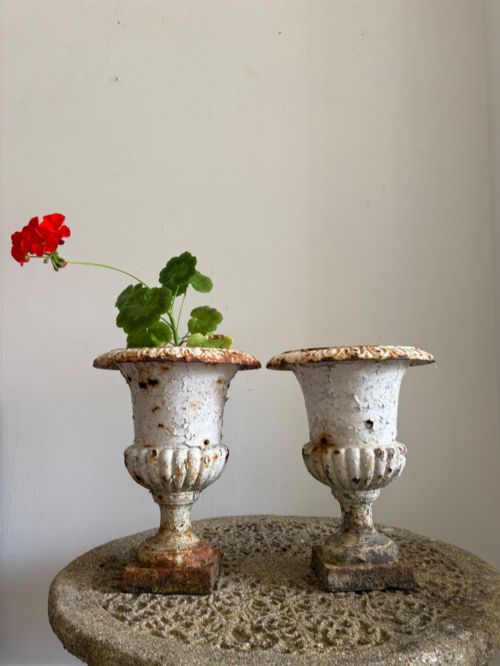
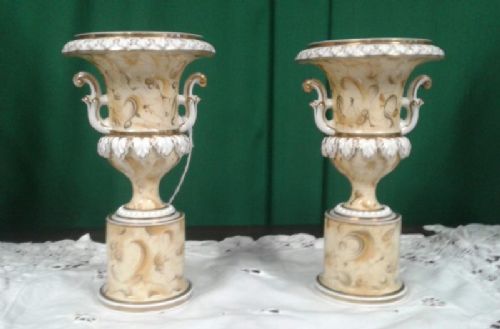
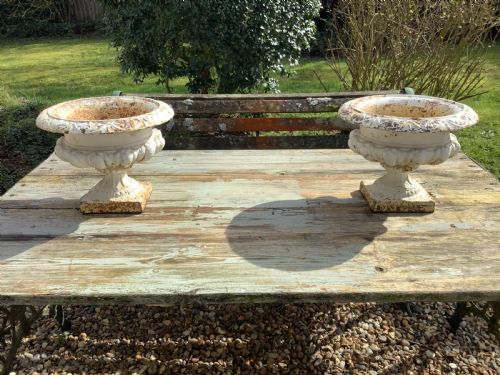
These small urns span the nineteenth and twentieth centuries in cast iron, porcelain, brass and earthenware.
Pair of Small Urns
A pair of small urns brings classical form into domestic interiors and gardens through diverse decorative objects. When searching for a pair of small urns, collectors encounter items ranging from Victorian cast iron garden vessels to Japanese Satsuma and Doulton ceramic vases.
The selections available reflect periods from the nineteenth century through the 1940s, encompassing English ironstone, French country styles and Meiji period Japanese craftsmanship. Cast iron examples often serve as garden planters or heavy table ornaments, whilst ceramic pieces function as posy vases and table lamps.
Buyers frequently meet Victorian cast iron urns alongside earthenware and porcelain items from makers such as Mason, Doulton and Moorcroft. These objects serve decorative display purposes across mantels, console cabinets and side tables.
Determinants of quality
Quality rests upon the crispness of the casting in ironwork and the precision of hand-painted detail in ceramics. Finer pieces demonstrate careful control over enamel colours, gilding and decorative motifs such as exotic birds and floral patterns.
The integrity of the original surface finish, whether painted cast iron or glazed earthenware, distinguishes superior examples. Weight and balance in the material contribute significantly to the overall presence of the object.
Pair of Small Urns Retail Price Guide 2026
Typical asking prices for pair of small urns among the pieces listed under this phrase on Sellingantiques today, from the lower quarter to the upper quarter. They describe what is for sale here now, not the wider market.
Some cast iron garden urns weigh enough to anchor a small boat yet sit comfortably upon a parlour table.
Ridgeways·Mason·Doulton Lambeth·Moorcroft Macintyre
The Pair of Small Urns Glossary
- Campana vase
- An inverted bell-shaped vessel with a flared lip and foot, commonly associated with classical urn forms.
- Ironstone
- A type of durable heavy earthenware developed in the nineteenth century as a robust alternative to porcelain.
- Cloisonne
- A decorative metalwork technique where enamel is applied within compartments created by soldered wire.
- Satsuma
- A style of Japanese earthenware featuring a crackled ivory glaze decorated with polychrome enamels and gilt.
- Demi-lune
- A half-moon shape frequently used for console tables and small cabinets designed to sit flush against a wall.
Pair of Small Urns: Frequently Asked Questions
How do I care for cast iron urns?
Cast iron pieces require protection from damp conditions if kept indoors to preserve original painted surfaces. Gentle dusting maintains the finish without disturbing historical patination.
For garden urns, lifting them off the ground during freezing weather prevents cracking and protects the iron structure.
What is ironstone?
Ironstone is a dense, heavy earthenware patented in the nineteenth century to provide a durable substitute for porcelain. It accepts painted and transfer-printed designs readily.
Peculiar to many English potteries, it forms robust posy vases and decorative vessels intended for daily use.
How do I identify Japanese Satsuma ware?
Satsuma ware typically displays a distinctive creamy, crackled earthenware glaze overlaid with intricate hand-painted enamels and gold leaf. These pieces often depict traditional figures, birds, and floral scenes.
Originating in Japan during the Meiji period, they gained popularity in Europe as decorative table lamps and vases.