


Pair of Lions
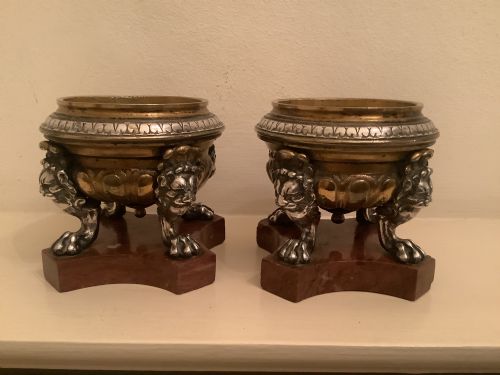
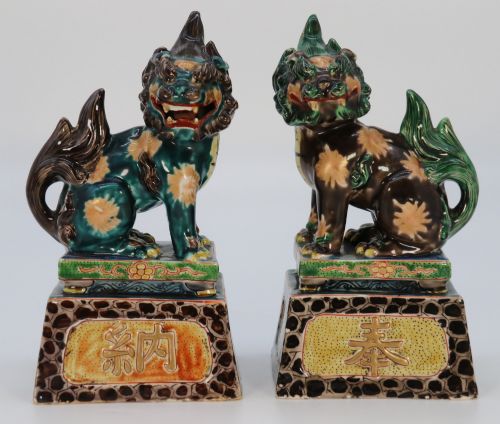
A pair of lions brings symmetry, authority and classical presence to a room, whether cast in heavy bronze or moulded in earthenware.
Pair of Lions
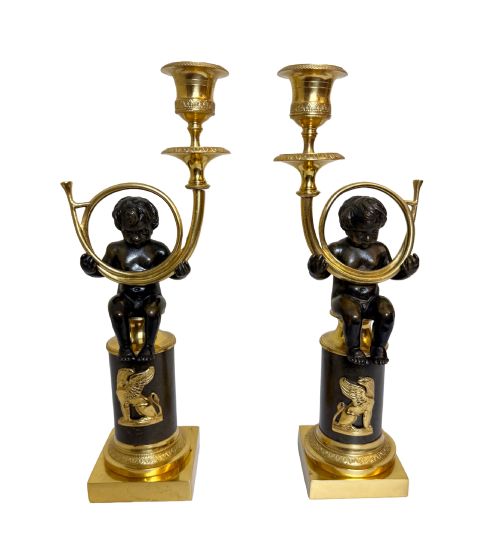
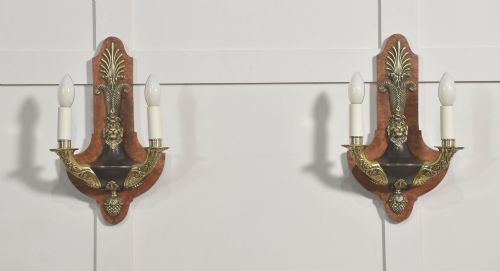
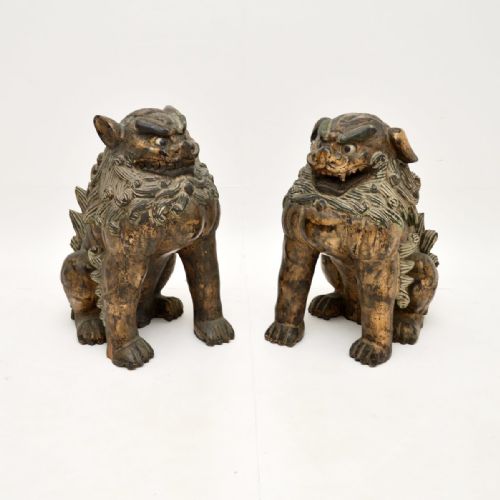
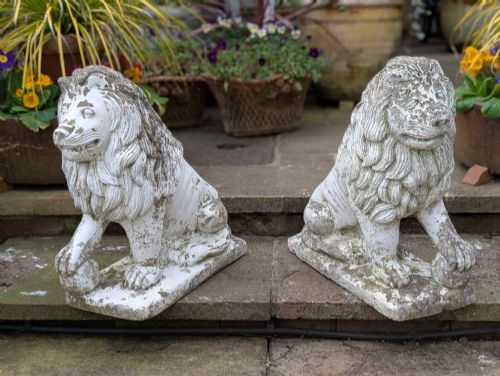
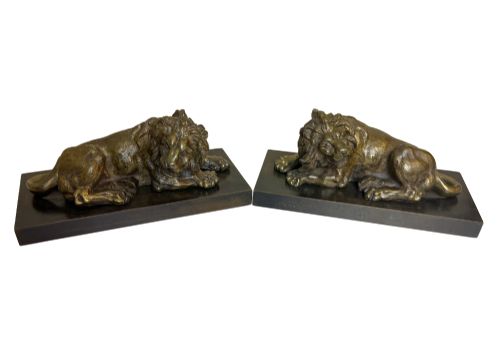
A pair of lions encompasses sculpted figures, mantel ornaments, bookends and garden statues produced across the nineteenth and twentieth centuries. These matching pieces serve both decorative and functional roles in interiors and exterior spaces.
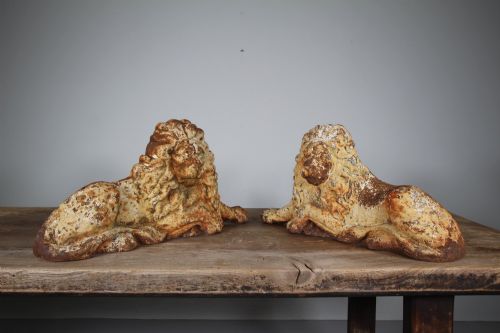
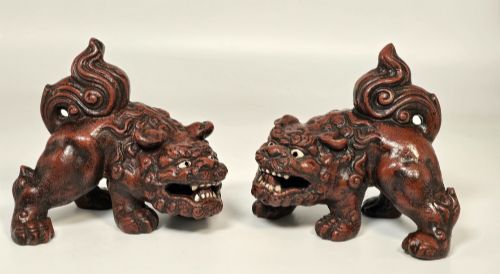
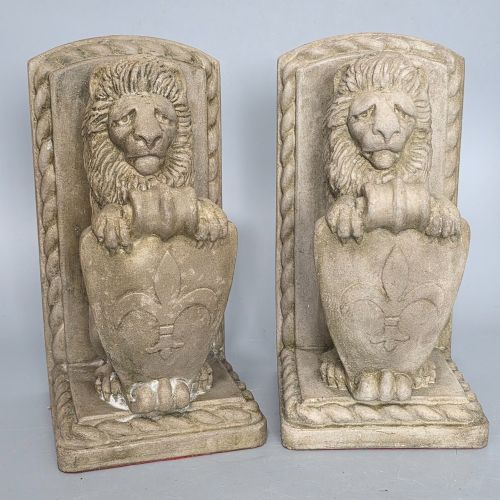
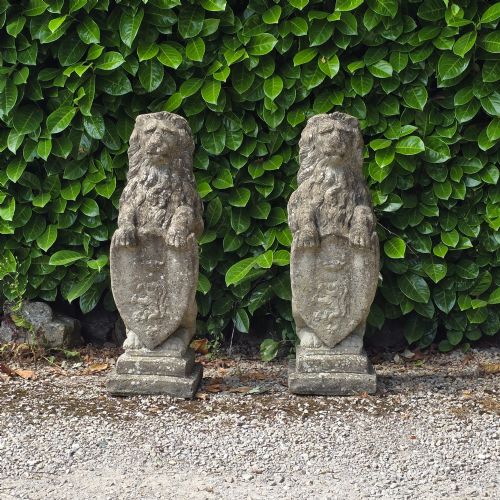
The versions encountered most frequently on this page include nineteenth-century bronze models, glazed pottery spill vases from the Victorian era, and heavy stone or cast iron garden figures. Styles range from classical Grand Tour interpretations to Chinese Buddhist depictions.
Makers and workshops utilised diverse materials to create these dual arrangements, reflecting the aesthetic preferences of periods such as the Victorian age, the French Empire and the early twentieth century.
Materials and construction
Foundry casting accounts for the metal examples, utilising bronze, brass and iron poured into moulds to capture muscular detail and facial expression. Artisans then chased the metal surfaces or applied cold-painted finishes.
Ceramic and earthenware pieces involve hand-modelling or moulding followed by glazing, seen in treacle glazes, Delft finishes and Staffordshire pottery traditions. Stone and terracotta sculptures rely on manual carving or reconstituting materials for garden placement.
Pair of Lions Retail Price Guide 2026
Typical asking prices for pair of lions among the pieces listed under this phrase on Sellingantiques today, from the lower quarter to the upper quarter. They describe what is for sale here now, not the wider market.
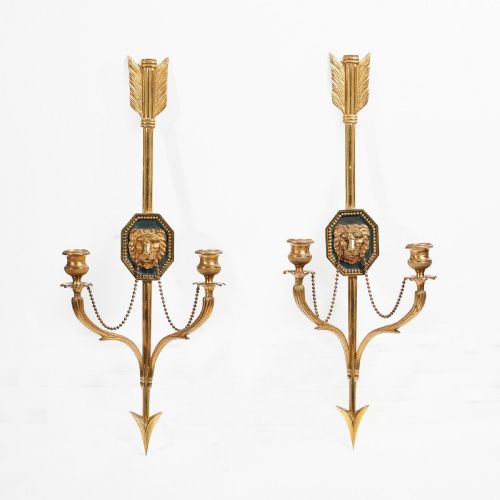
The design styles represented across the inventory include Victorian, Neoclassical, French Empire, Art Deco and Qing Dynasty traditions.
Assessing craftsmanship
Weight and material density also dictate quality, as solid cast metals and substantial marbles or stones exhibit durability and presence missing from hollow or lighter substitutes.
The Pair of Lions Glossary
- Canova Lions
- Sculptural representations based on the monumental lions carved by Antonio Canova for the tomb of Pope Clement XIII in Rome.
- Grand Tour
- A cultural journey undertaken by nineteenth-century Europeans who acquired smaller bronzes and works of art as souvenirs.
- Spill Vases
- Hollow ceramic or porcelain figures incorporating a small holder designed to contain wooden matches or tapers.
- Ormolu
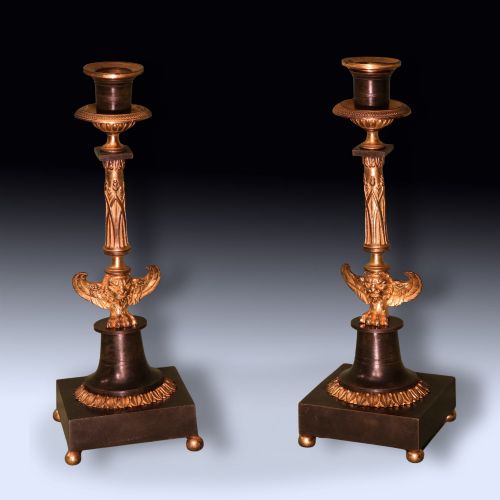
- Finely ground high-carat gold applied to a bronze base metal through a mercury amalgamation process, yielding a rich golden finish.
- Terracotta
- Baked unglazed or glazed clay possessing a characteristic brownish-red earthy tone, utilised frequently for garden and architectural sculpture.
Pair of Lions: Frequently Asked Questions
How were pair of lions figures used historically?
These matching figures served primarily as decorative ornaments flanking fireplaces, doorways, or library shelves to project strength and balance. Larger stone and cast iron versions guarded garden entrances and conservatory steps.
Smaller ceramic and bronze pairs functioned as bookends, mantelpiece decorations, or utilitarian spill vases holding wooden matches. Their dual arrangement provided formal symmetry favoured in classical and period interiors.
Where should I place a pair of lions?
Heavy stone, terracotta, and cast iron examples suit garden paths, patio entrances, or conservatory floors where weathering enhances the material. Indoor bronze, brass, and ceramic versions look best displayed on mantelpieces, side tables, or flanking books on shelves.
Placing them symmetrically on console tables or pedestals highlights their matched design and historical character.
How do I identify the age of a pair of lions?
Dating relies on examining material composition, casting techniques, and underlying stylistic markers associated with specific periods like the Victorian era or the French Empire. Hand-finished details, surface patination, and maker marks or signatures offer further clues to origin.
Comparing the stylistic proportions against known nineteenth- and early twentieth-century design conventions helps narrow the production era.
What is the difference between bronze and brass pair of lions?
Bronze consists primarily of copper alloyed with tin, yielding a darker, richer metallic tone and greater durability for fine sculptural detail. Brass comprises copper and zinc, producing a brighter golden hue commonly utilised in fireplace accessories and decorative hardware.
Both metals age differently over time, developing distinct patinas depending on their exposure to indoor or outdoor environments.