

Pair of Gilt Candlesticks
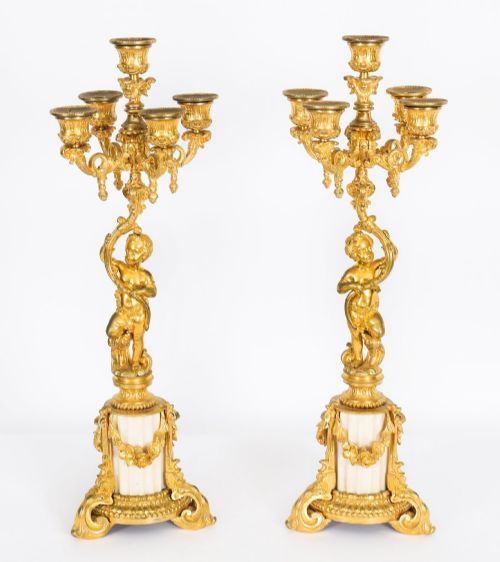
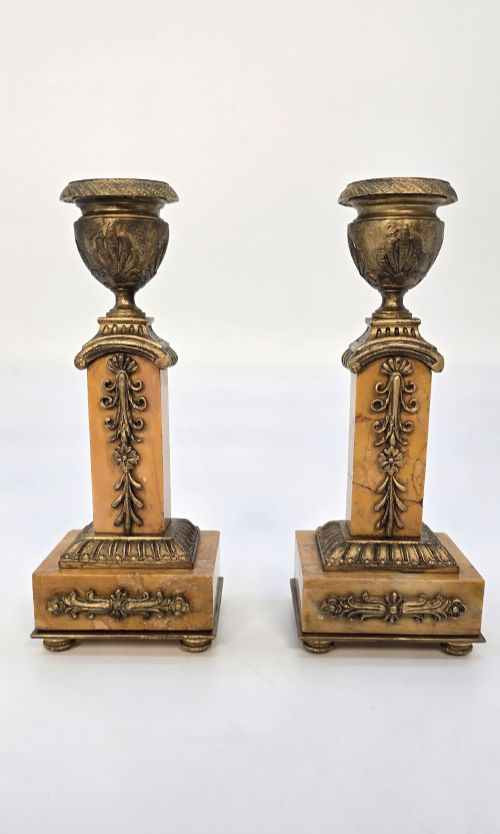
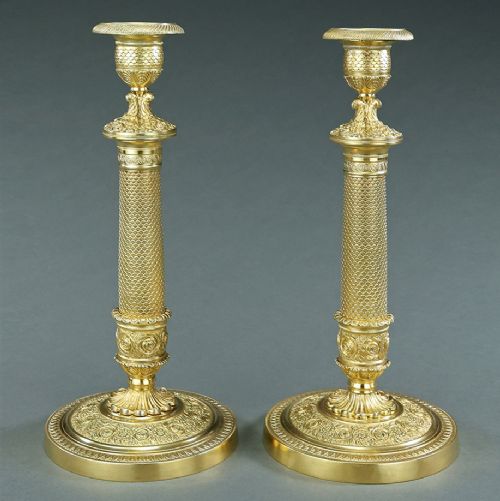
These pair of gilt candlesticks bring rich nineteenth-century warmth and classical proportion to a mantelpiece or side table.
Pair of Gilt Candlesticks
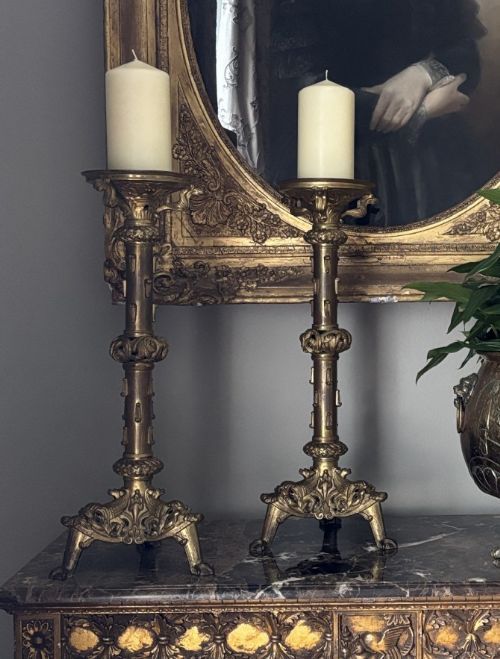
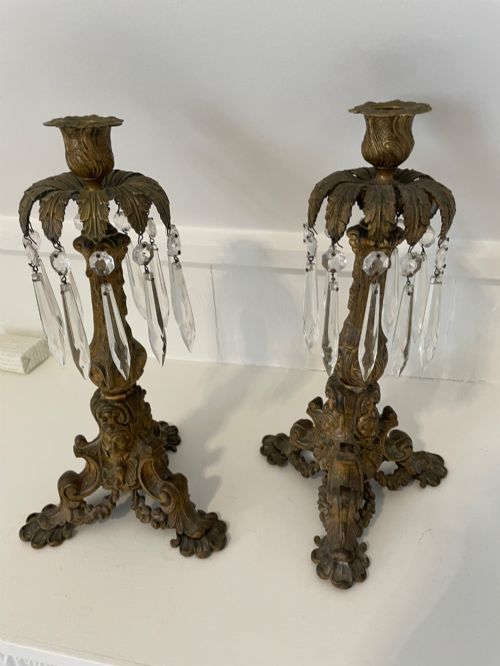
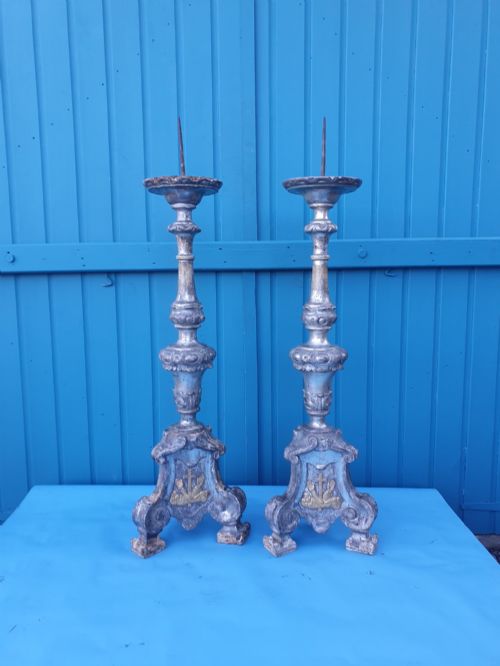
A pair of gilt candlesticks comprises matching metal supports designed to hold taper candles securely for domestic illumination. Buyers seeking this phrase encounter objects spanning the eighteenth, nineteenth, and early twentieth centuries, with a strong concentration of Victorian and French nineteenth-century examples.
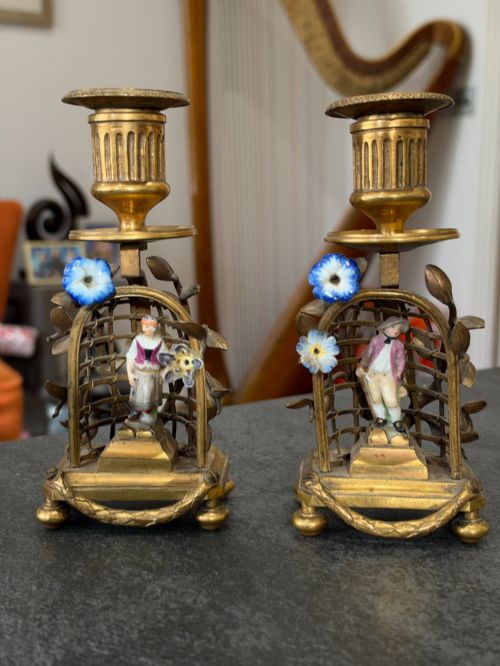
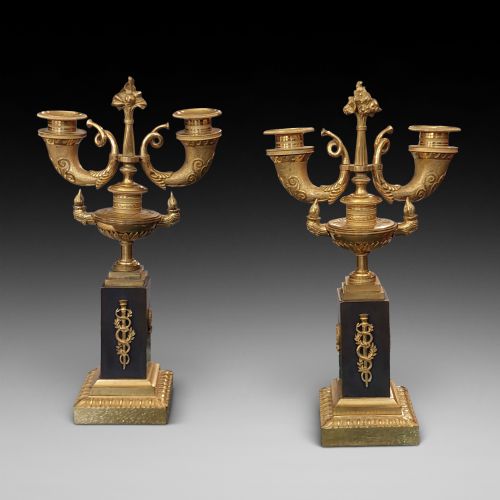
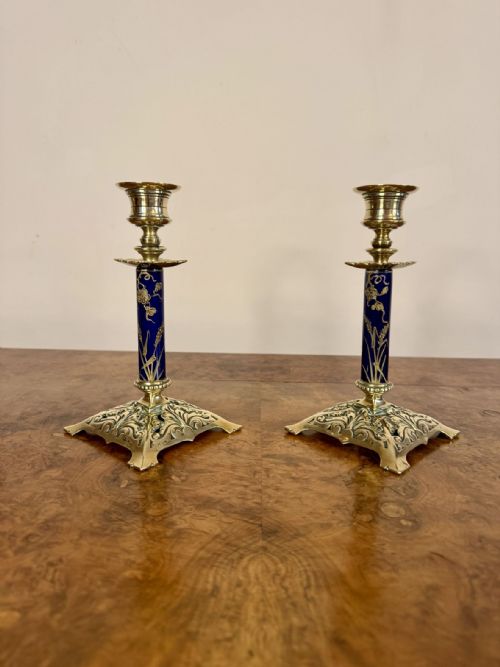
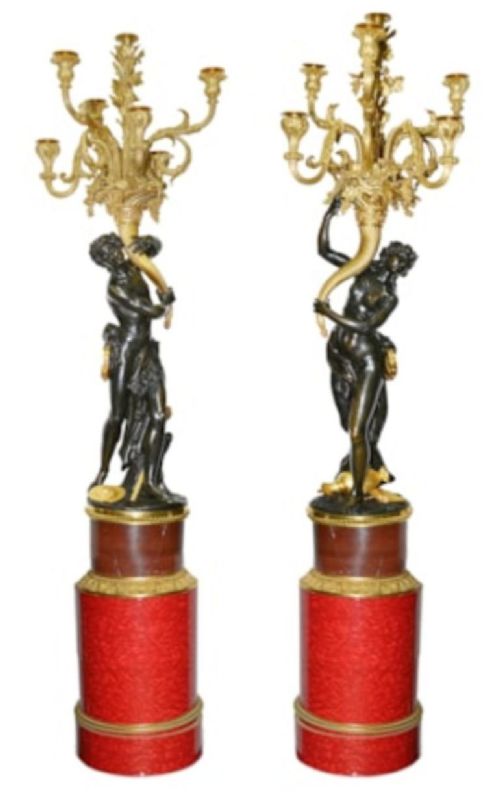
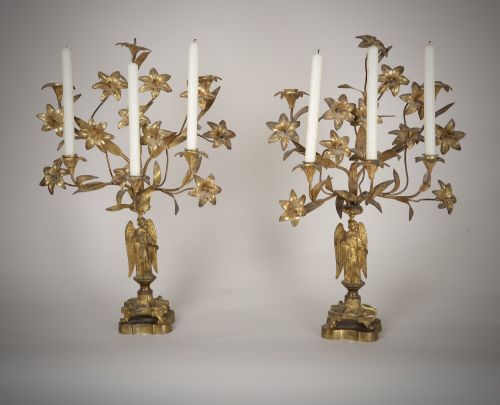
The selections range from simple brass columns to sculptural French Empire and Rococo Revival designs incorporating multiple branches. Alongside standard candlesticks, the listings include heavier candelabra, porcelain combinations, and examples mounted on marble or onyx bases.
How they were made
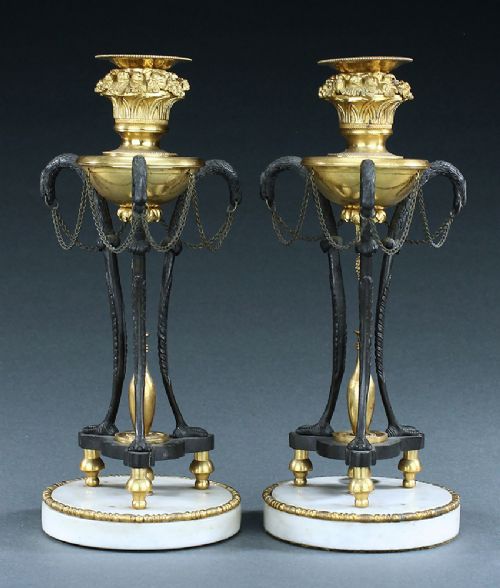
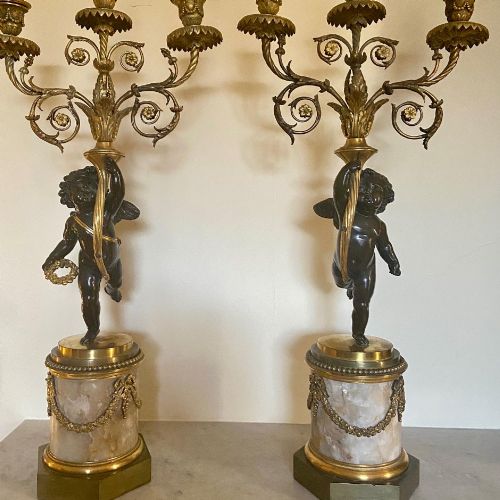
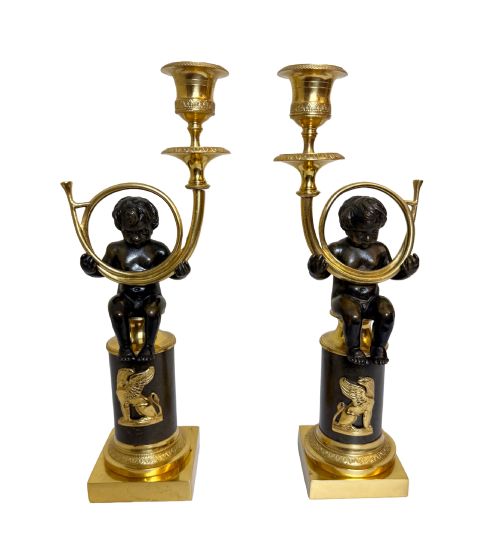
Maker workshops utilised cast bronze, brass, and ormolu, applying mercury gilding or modern electroplating to create a luminous golden surface. Many pieces combine patinated dark bronze with bright gilt elements to heighten the contrast of the sculptural details.
Pair of Gilt Candlesticks Retail Price Guide 2026
Typical asking prices for pair of gilt candlesticks among the pieces listed under this phrase on Sellingantiques today, from the lower quarter to the upper quarter. They describe what is for sale here now, not the wider market.
Squirrels clamber among cast bronze tree branches on Regency examples, bringing a touch of woodland life to the formal drawing room.
What varies in quality
Material integration also separates standard production from superior work, seen in the harmonious pairing of figured marble with cleanly cast ormolu mounts. The weight and stability of the base indicate the original ambition of the workshop.
Barbedienne Bronze·Francois Redmond·Dugourc·Thomas Hope·Barr Flight And Barr·Ridgway
The Pair of Gilt Candlesticks Glossary
- Ormolu
- Gilded bronze produced through an amalgamation of mercury and gold applied to a bronze base. This technique creates a distinct matte and bright golden finish characteristic of French decorative arts.
- Candelabra
- A branched candlestick holding multiple lights from a single central stem. These larger forms often include removable arms to convert the piece into a standard single candlestick.
- Caryatid
- A sculpted female figure serving as an architectural support replacing a column. They appear frequently on Empire and Louis XVI style stems.
- Champlevé
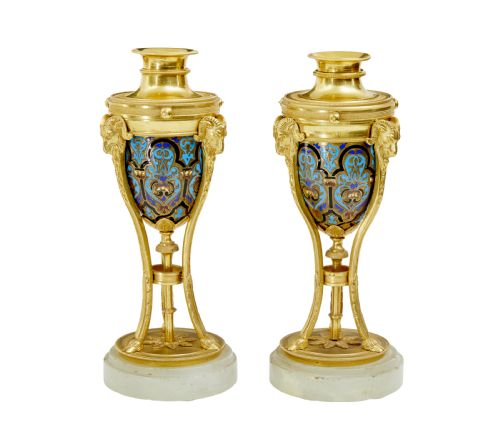
- An enamelling technique where troughs are dug into a metal surface and filled with vitreous paste before firing. This colourful decoration enhances nineteenth-century revival pieces.
- Campana
- A bell-shaped socket or sconce found at the top of many classical candlesticks. The profile mimics ancient Roman wine vessels.
Pair of Gilt Candlesticks: Frequently Asked Questions
How do I clean gilt metal?
Dust the surface gently with a soft dry brush to prevent accumulation in the crevices. Avoid all commercial metal polishes, which strip away thin gold layers.
Moisten a lint-free cloth with distilled water for stubborn marks, then dry immediately. Protect the original gilding from abrasive cleaning agents at all times.
Were these originally for candles?
Most pieces were manufactured exclusively for wax or tallow candles before the arrival of electric lighting. Many surviving examples retain their original drip pans and sconces.
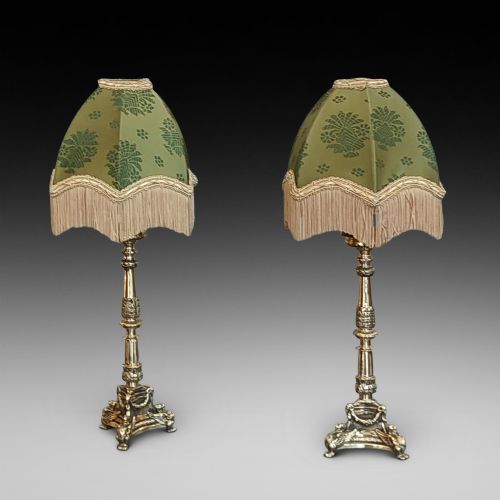
Some period pieces have undergone careful conversion into table lamps while preserving the original bronze and marble components.
How do I date French Empire pieces?
Examine the casting quality and the specific classical motifs such as sphinxes, swans, and laurel wreaths. Early nineteenth-century work relies on heavy cast bronze with meticulous hand-chasing.
Later nineteenth-century revivals often display lighter construction and brighter, more uniform electrogilt surfaces.