

Pair of Gilt Artwork
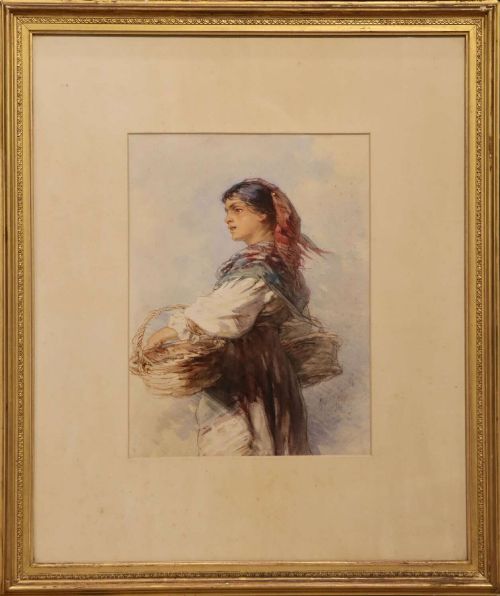
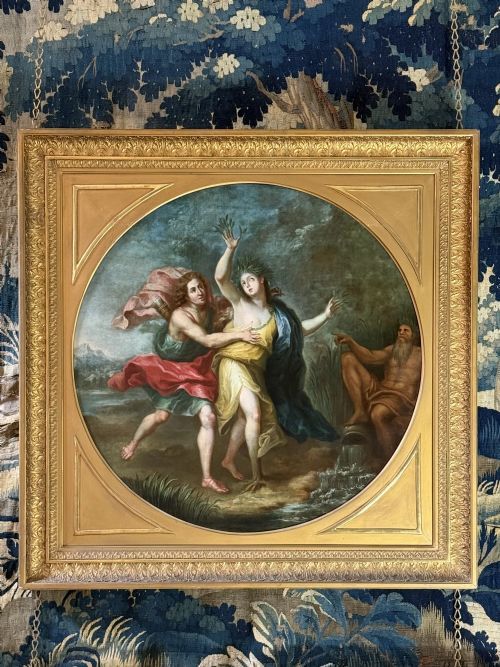
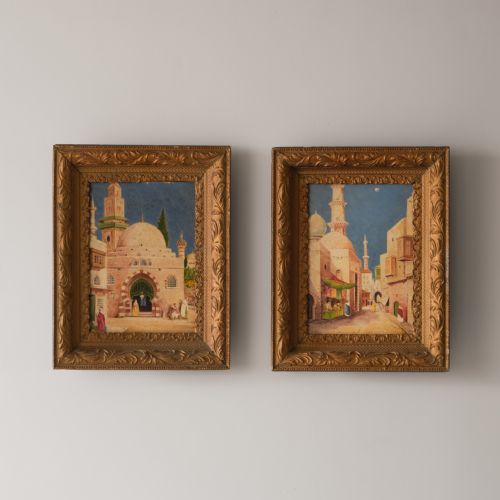
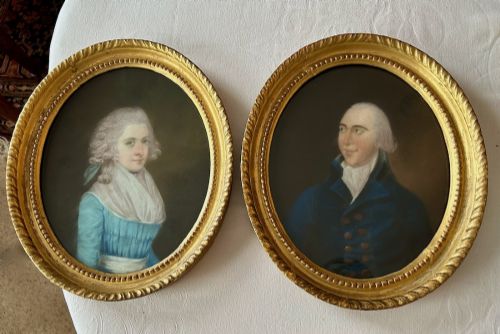
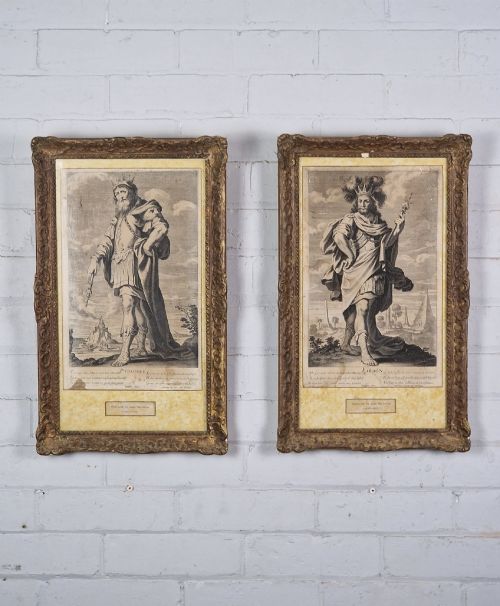
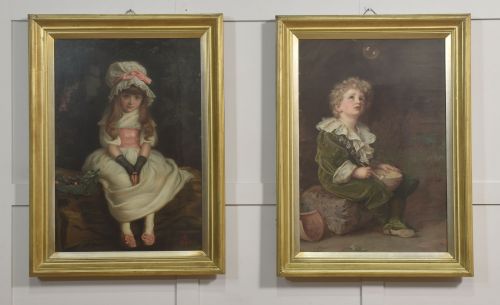
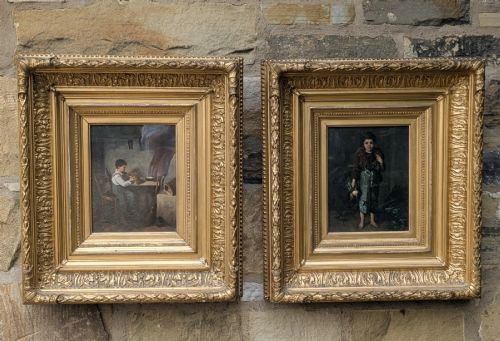
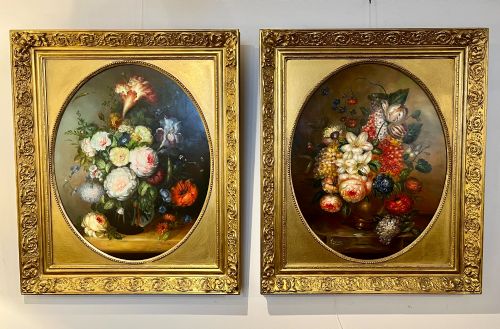
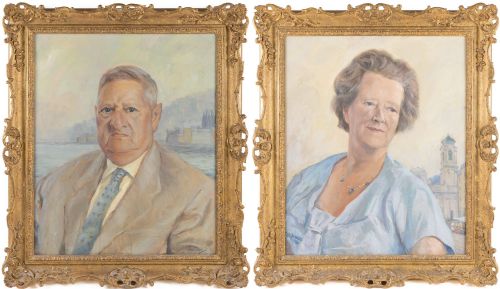
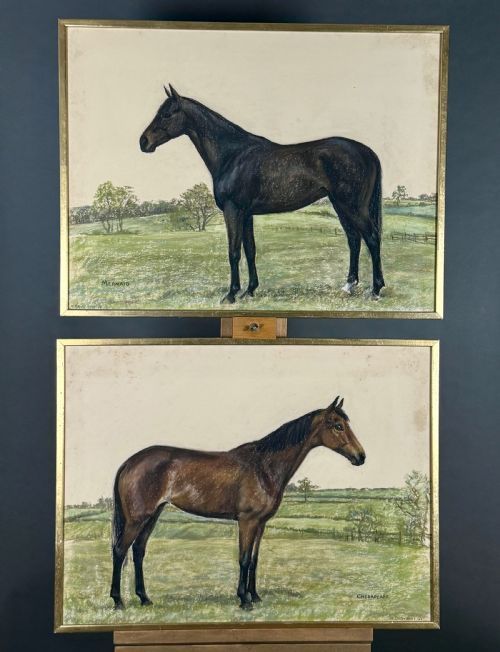
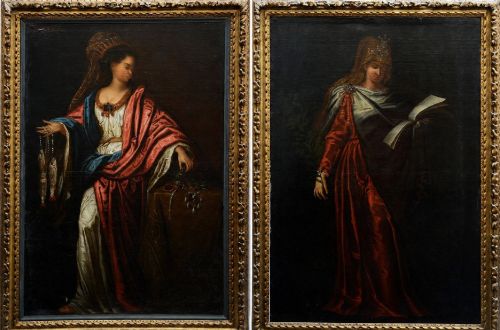
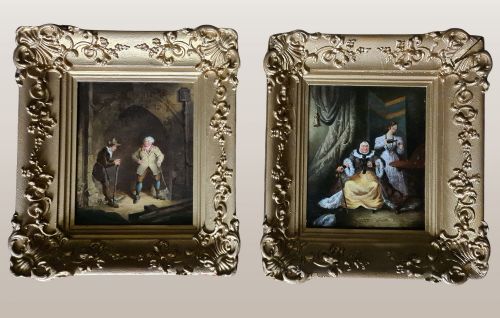
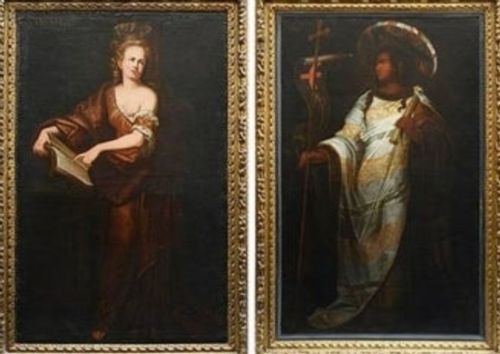
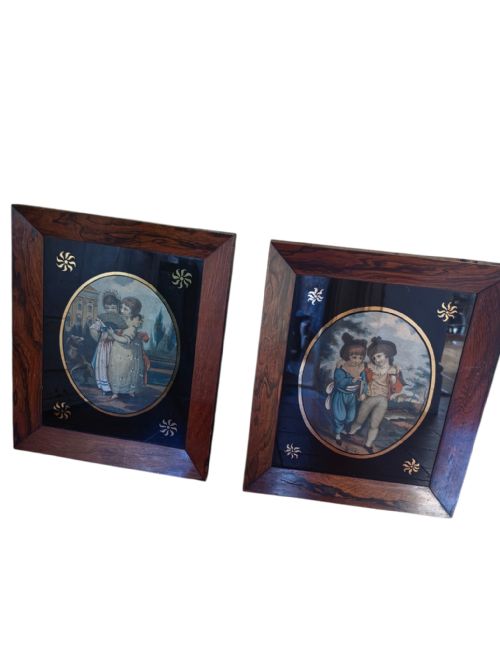
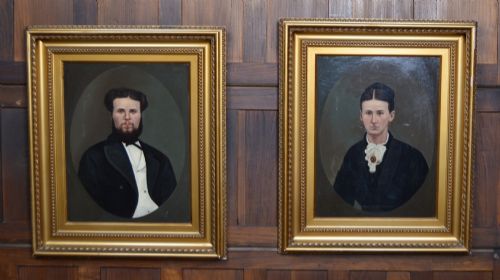
These pair of gilt artwork selections bring dual symmetry to walls through period frames enclosing historic oils, pastels, and prints.
Pair of Gilt Artwork
A pair of gilt artwork options comprises matched pairs of framed paintings, drawings, and prints united by gilded surrounds. Buyers searching this phrase encounter matching pieces designed to hang together in balanced symmetry across a room.
The selections span centuries from the eighteenth through the mid twentieth century, covering Georgian, Victorian, and Edwardian eras. Common forms include oil paintings on canvas and board, pastel portraits, pen and ink drawings, and period engravings.
Subjects range from classical mythological scenes and historic portraits to landscapes, maritime views, and still life arrangements. Many items pair narrative themes, such as sleeping children or matching character studies.
Materials and construction
Works are executed in oil paint, pastel, watercolour, pencil, or ink on supports of canvas, paper, board, and wood. Frames are constructed from wood finished with gilding, or rosewood, holding glass where works on paper require protection.
Pigments and paper reflect the period of creation, from eighteenth century pastels to nineteenth century oils on canvas. Gilt frames range from simple gilded mouldings to swept frames ornamented with decorative plasterwork.
Several pairs feature depictions of children caught in moments of mischief, sleep, or wonder.
Distinctions in quality
Quality rests upon the skill of the artist's hand, evident in the confident handling of paint, proportion in portraiture, and detail within landscapes. Named artists and documented historical works command greater attention than anonymous or naive pieces.
The condition of both the artwork and the accompanying frame dictates the standard of the pair. Original gilt wood frames that retain their historic surface match the integrity of the paintings they enclose far better than later replacements.
Charles-Antoine Coypel·Emily Eyres·Adam Buck·Manuela Bonati·Robert Cleminson·Johann Friedrich Voltz·John Moore of Ipswich·Philip Rideout·Theodore Jensen·Claude Cardon·Abraham Hulk I·Alexander Rosell·John Grenville Fennell
The Pair of Gilt Artwork Glossary
- Giltwood
- Wood carved and coated with gold leaf or metallic powder. This material gives frames a bright or softly burnished metallic sheen.
- Pastel
- A medium consisting of powdered pigment bound into sticks. Artists use pastels on paper to create portraits and studies with soft colour transitions.
- Oil on Canvas
- Pigment mixed with drying oils applied to woven fabric stretched over a wooden frame. This technique allows deep colour saturation and textured brushwork.
- Engraving
- An image printed from a metal plate incised with lines by a sharp tool. Prints produced this way record fine linear detail.
- Sibyl
- A prophetic woman in ancient mythology. Eighteenth century artists occasionally painted classical sibyls as paired decorative subjects.
Pair of Gilt Artwork: Frequently Asked Questions
How should I hang a pair?
Hang the two pieces at eye level with equal spacing between them to maintain their visual balance. Matching frames allow them to anchor a fireplace or sideboard effectively.
Ensure both pieces receive indirect lighting to protect delicate pastels or watercolours from fading over time.
Are these works original?
The listings include original hand-painted oils, pastels, and drawings alongside period engravings and prints. Each piece dates from its stated historical era.
Checking the medium in the description reveals whether a work is a unique painting or a printed edition.
How do I care for gilt frames?
Dust gilt frames gently with a dry, soft brush to remove particles without disturbing the metallic surface. Avoid liquid cleaners which can strip historic gilding.
Keep the pieces away from direct sunlight and damp environments to preserve the wood and the artwork within.
What subjects are most common?
Portraits of children, historical figures, and couples appear frequently alongside landscapes, maritime scenes, and floral still lifes. Many sets feature complementary themes or companion titles.
Artists often created these works as intentional pairs to decorate domestic interiors in the eighteenth and nineteenth centuries.