

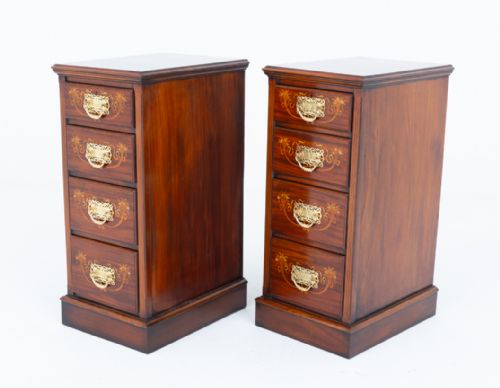


Pair of Georgian Chests
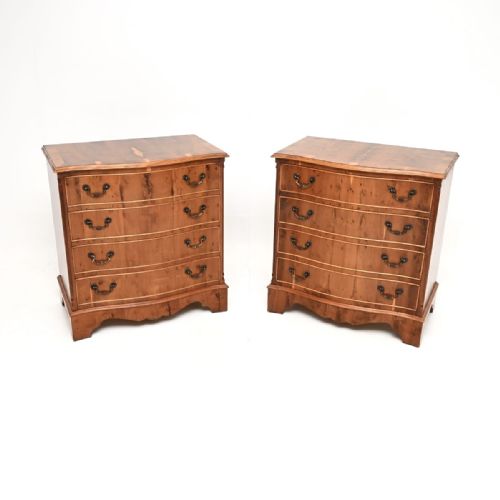
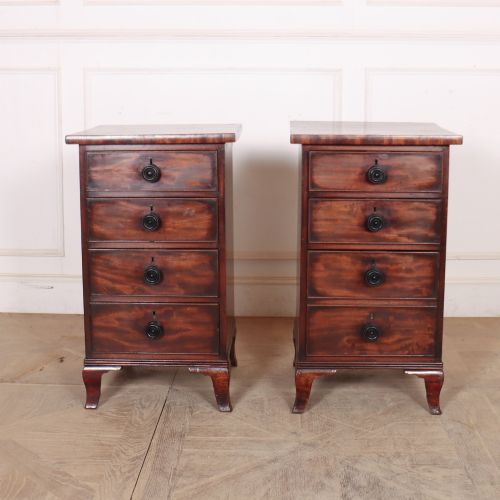
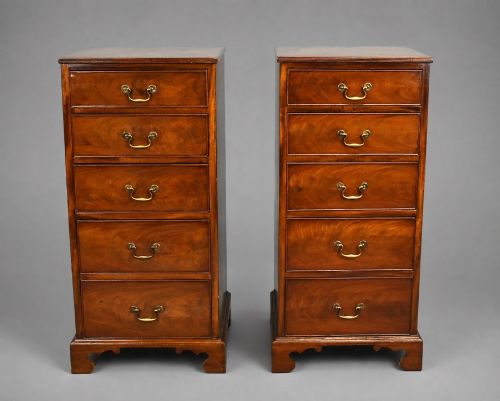
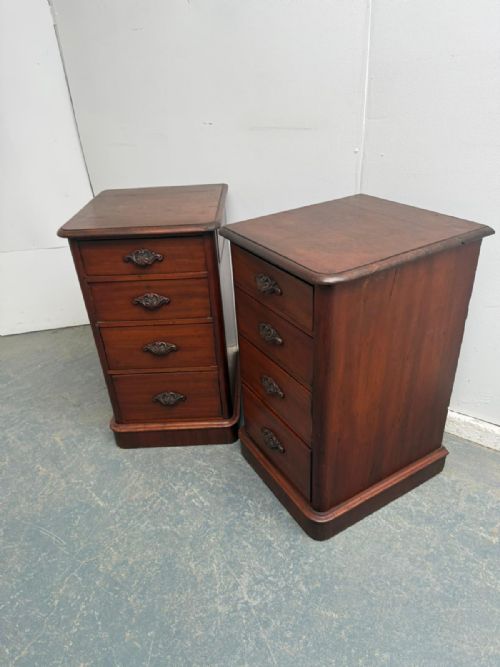
A pair of georgian chests offers symmetry and proportion, bringing period character and practical storage to a room through matched design.
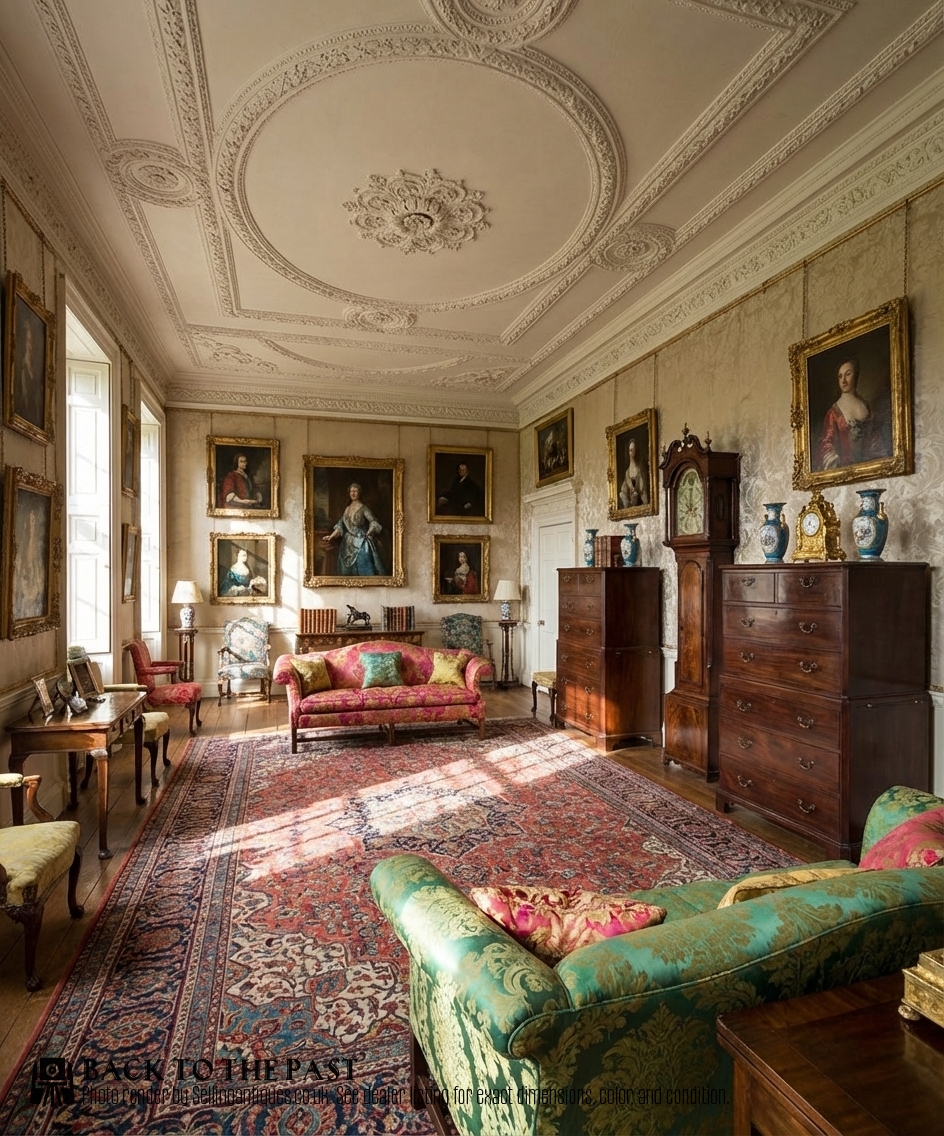
Pair of Georgian Chests
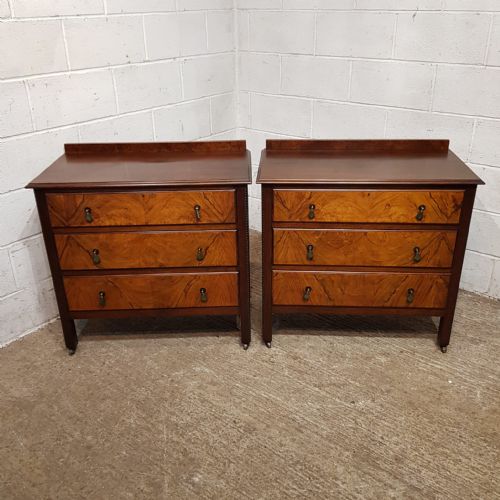
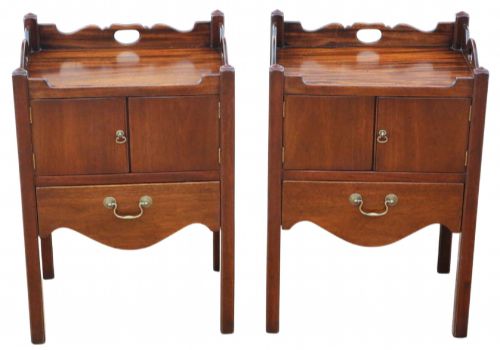
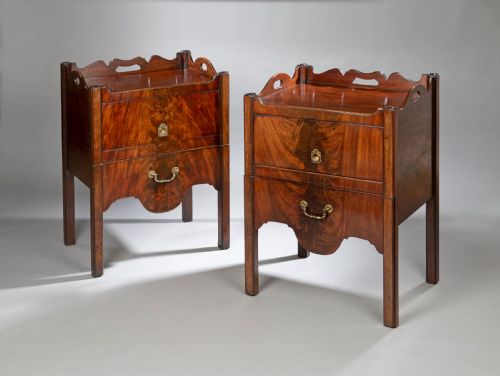
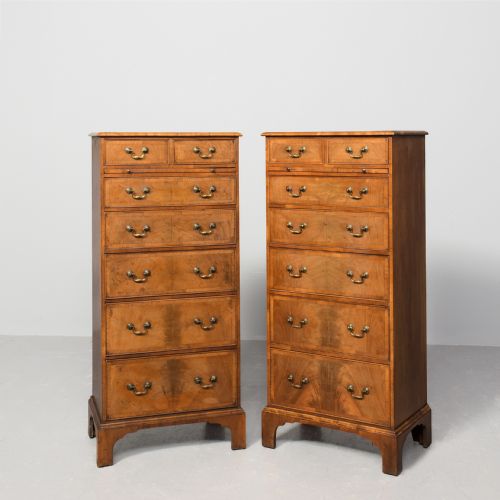
A buyer seeking a pair of georgian chests encounters forms ranging from full-scale chests of drawers and chest on chests to smaller bedside cabinets, lamp chests, and night tables. The selection also includes functional pieces such as tea caddies, cutlery boxes, cellarettes, and wine coolers, reflecting the diverse domestic utility of the period.
Most entries on this page present dual items created in the Georgian or George III aesthetic, alongside later interpretations from the Edwardian era and the 1920s and 1930s Georgian Revival. These span genuine 18th-century pieces as well as later walnut, burr walnut, and mahogany iterations designed to mirror earlier proportions.
Originating predominantly from English workshops, these matched or near-matched groupings serve practical storage and display functions in traditional and contemporary interiors alike. The inventory bridges larger bedroom furniture with compact bedside tables and specialised serving containers.
Materials and construction methods
Makers utilised dense hardwoods, primarily mahogany and walnut, often selecting figured veneers and burr walnut for decorative surfaces. Satinwood also appears as an inlay material, adding contrast to drawer fronts and top surfaces.
Cabinetmakers combined solid timber construction with expert veneering techniques, incorporating brass handles, locks, and occasionally solid silver mounts. Waxed finishes preserved the natural grain and colour of the wood while developing a smooth surface over decades of use.
Pair of Georgian Chests Retail Price Guide 2026
Typical asking prices for pair of georgian chests among the pieces listed under this phrase on Sellingantiques today, from the lower quarter to the upper quarter. They describe what is for sale here now, not the wider market.
Listings feature woods such as mahogany, walnut, burr walnut, satinwood, and silver, alongside periods spanning from 1750 to the 1930s.
Factors of distinction
The degree of refinement in timber selection and veneer matching defines the upper tier of these pieces. Figured mahogany and richly patterned burr walnut demonstrate superior material choice by the original cabinetmaker.
Proportion and execution of detail separate standard items from exceptional examples. Finely cut serpentine fronts, intricate inlay work, and original hardware or mounts indicate higher workshop standards.
Edwards and Roberts·Whytock and Reid
The Pair of Georgian Chests Glossary
- Burr walnut
- A wood derived from the warted growths on walnut trees, yielding complex, swirling grain patterns. It was frequently sliced into veneers for high-status cabinet work.
- Serpentine front
- A furniture front characterised by a concave central section flanked by two convex curves, or the reverse. This flowing contour requires advanced woodworking skill.
- Cellarette
- A lockable cabinet or box designed to hold bottles of wine or spirits securely. These were often kept beneath sideboards or in dining rooms.
- Tray top
- A raised rim surrounding the upper surface of a small table or commode. This design prevented items from sliding off the edge.
- George III style
- Design characteristics originating from the reign of George III, encompassing classical proportions, mahogany usage, and restrained ornamentation. Revival pieces replicate these elements.
Pair of Georgian Chests: Frequently Asked Questions
What defines a pair of georgian chests?
A pair of georgian chests consists of two matched or complementary storage units created during the 18th century or built in the later Georgian Revival style.
They share consistent materials, dimensions, and stylistic details, offering balanced placement within a room.
Are these chests always from the 18th century?
The selection includes genuine 18th-century pieces alongside later 19th-century and 20th-century Georgian Revival items.
Revival pieces from periods like the 1920s and 1930s emulate the form and finish of earlier craftsmanship.
What woods were commonly used?
Mahogany and walnut form the primary structural and visual base for these pieces, often highlighted with burr walnut veneers.
Satinwood and other contrasting timbers appear as inlay elements on select drawers and cabinets.
How do I place them in a modern room?
Bedside chests and small lamp tables function naturally on either side of a bed or low seating.
Larger chests of drawers provide standalone storage while maintaining historical symmetry against a wall.