

Pair of Dog Ornaments
A pair of dog ornaments brings character and symmetry to a mantelpiece, offering enduring charm through earthenware and bronze canine figures.
Pair of Dog Ornaments
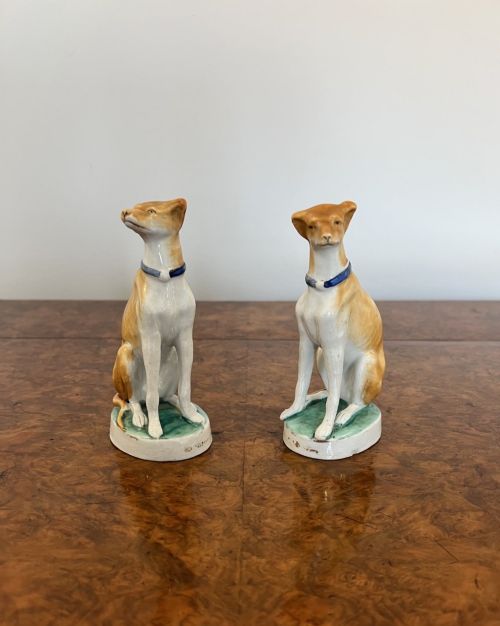
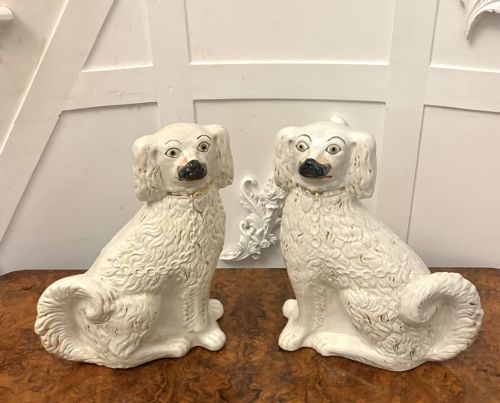
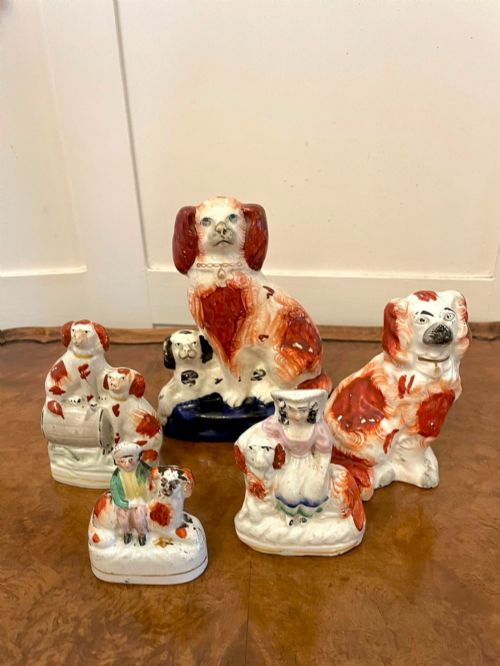
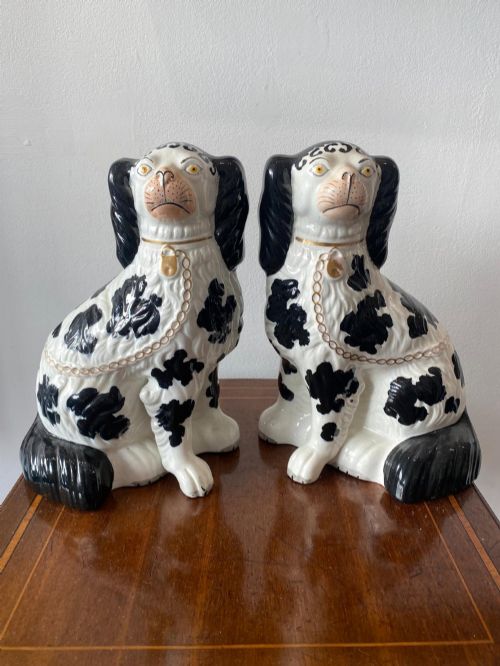
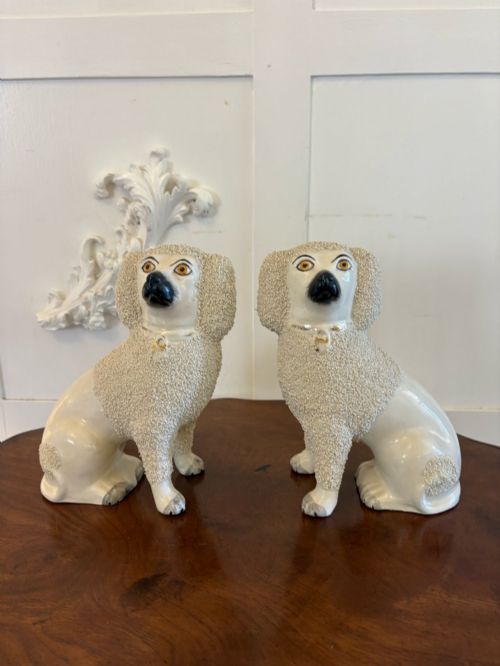
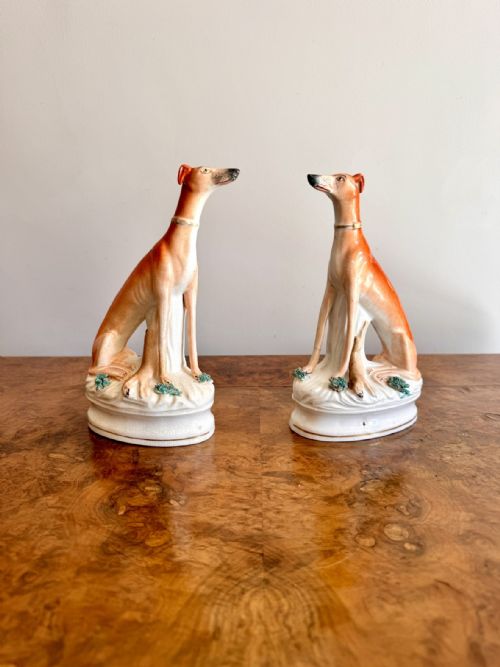
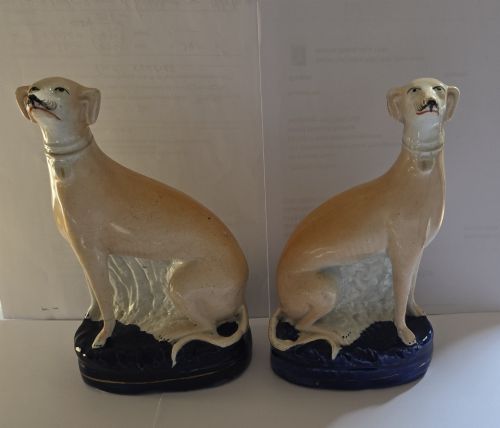
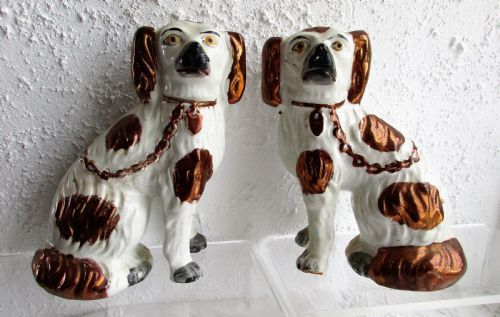
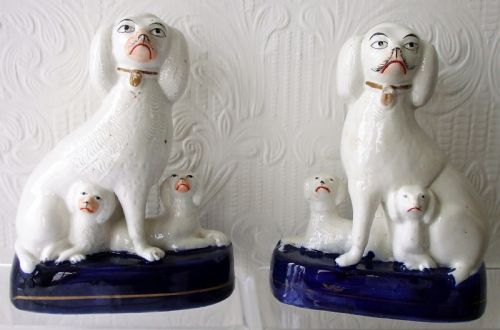
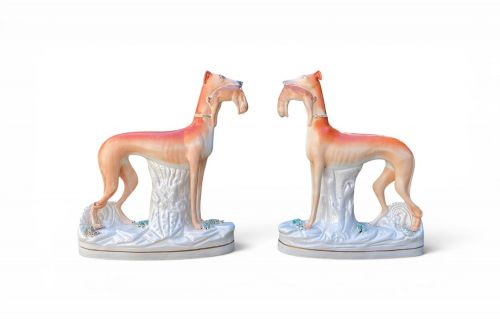
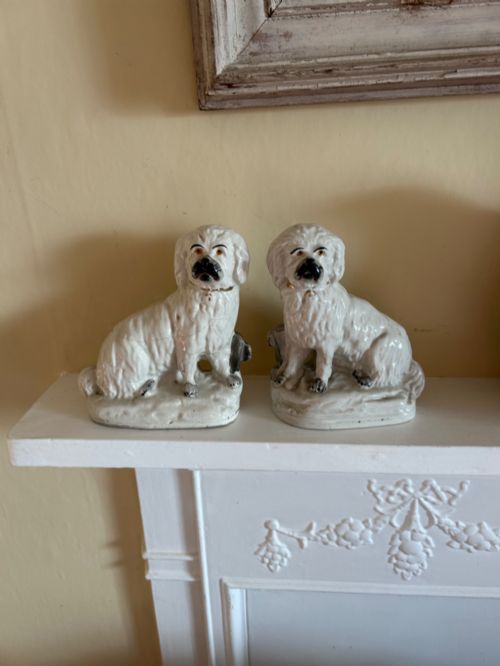
A search for a pair of dog ornaments uncovers a diverse array of figural sculptures, desk accessories, and candlesticks depicting canines in various poses. These domestic companions appear most frequently as earthenware figures originating from nineteenth-century Staffordshire potteries, capturing breeds such as spaniels, poodles, greyhounds, and whippets.
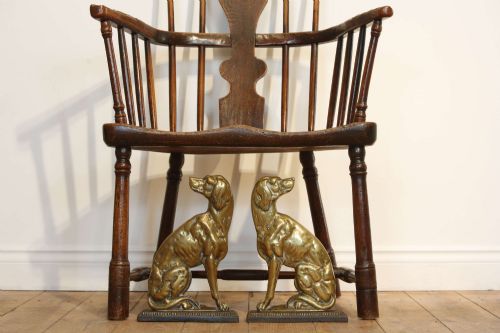
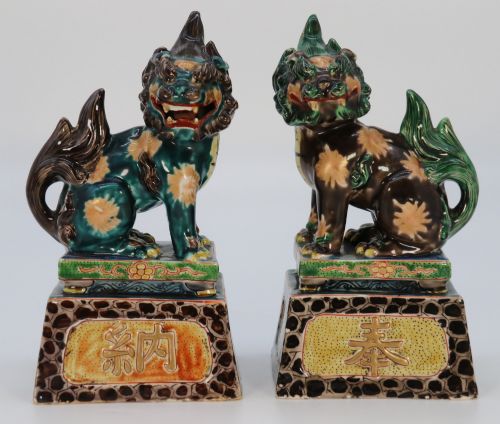
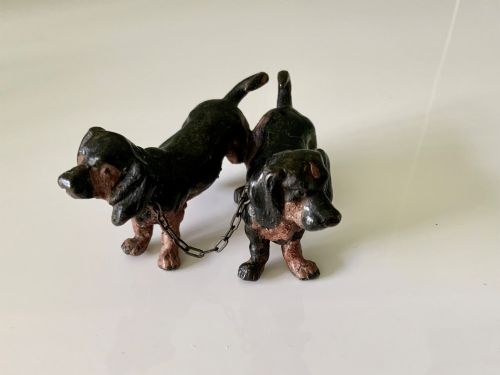
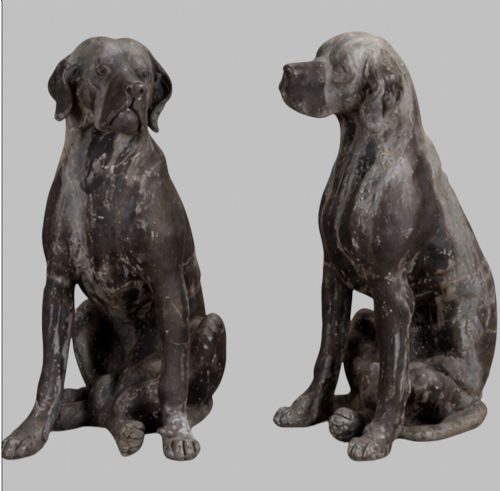
Beyond pottery figures, buyers encounter metalwork interpretations including cold painted bronze dachshunds, brass candlesticks featuring terriers, and French gilt bronze chenets. Continental porcelain and English cast lead hounds also emerge within this selection, spanning the Victorian and Edwardian eras alongside earlier Regency examples.
Materials and construction methods
Metal items employ cast bronze, brass, or lead, sometimes finished with cold painting or gilding. Marble models demonstrate precision carving in green serpentine, while ceramic figures integrate specialised glaze techniques characteristic of nineteenth-century production.
Pair of Dog Ornaments Retail Price Guide 2026
Typical asking prices for pair of dog ornaments among the pieces listed under this phrase on Sellingantiques today, from the lower quarter to the upper quarter. They describe what is for sale here now, not the wider market.
Listings feature earthenware, porcelain, and bronze materials spanning the nineteenth and early twentieth centuries.
Distinctions in quality
Original matching sets demonstrate consistent glazing and uniform scale, retaining their intended balance when displayed together. The application of secondary finishes, such as gold leaf highlights or enamel colouration, further differentiates standard production figures from finer artisan examples.
Thomas Parr·Wooley·Louis Riche·Meissen
The Pair of Dog Ornaments Glossary
- Staffordshire pottery
- Earthenware figures produced in the pottery districts of Staffordshire, particularly known for mantelpiece spaniels and greyhounds. These decorative ceramics formed a staple of Victorian domestic interiors.
- Cold painted bronze
- Bronze sculptures finished with oil-based paint applied without heat after the casting process. This technique allowed for naturalistic colouring on animalier subjects.
- Chenets
- Decorative metal fire dogs placed at the hearth to support logs, frequently cast in matched pairs. French examples often incorporate rococo styling and figural ornamentation.
- Quill holder
- A desk accessory incorporating a modelled animal figure with integrated channels or apertures for resting writing quills. These functional items combine utility with domestic display.
- Comforter spaniel
- A popular nineteenth-century Staffordshire pottery figure representing the black and white spaniels kept as lapdogs by royalty. They are traditionally positioned facing inwards on either side of a fireplace.
Pair of Dog Ornaments: Frequently Asked Questions
How do I identify genuine Staffordshire dogs?
Authentic nineteenth-century Staffordshire pottery figures typically exhibit characteristic crazing within the glaze and hand-painted touches over a moulded earthenware body.
Examination of the underside often reveals vent holes and potting marks consistent with period manufacturing techniques used in regional English kilns.
What is the history of mantelpiece dogs?
Victorian households frequently displayed pottery spaniels on either side of the fireplace, a placement rooted in domestic superstition and loyalty.
Sailors returning from sea often purchased these pairs to display in cottage windows, signalling safety when the man of the house was away.
How should I clean antique ceramic dog figures?
Dust ceramic and porcelain ornaments gently with a soft dry brush to protect fragile enamel decorations and gold leaf highlights from abrasion.
Avoid immersing antique earthenware in water, as moisture can penetrate existing crazing in the glaze and destabilise historic material.
Are bronze dog ornaments solid or hollow?
Many decorative bronze figures and desk accessories are cast using the lost-wax method, resulting in hollow interiors that reduce overall weight.
Heavier metal items, such as cast lead hounds or solid brass candlesticks, utilise alternative moulding methods to ensure stability during use.