

Pair of Stands
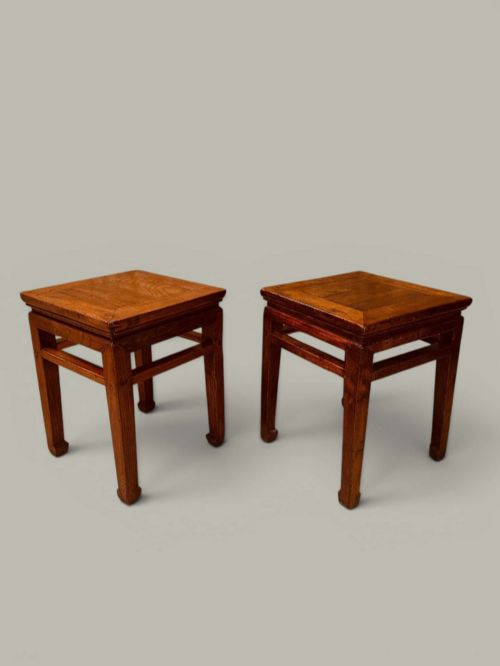
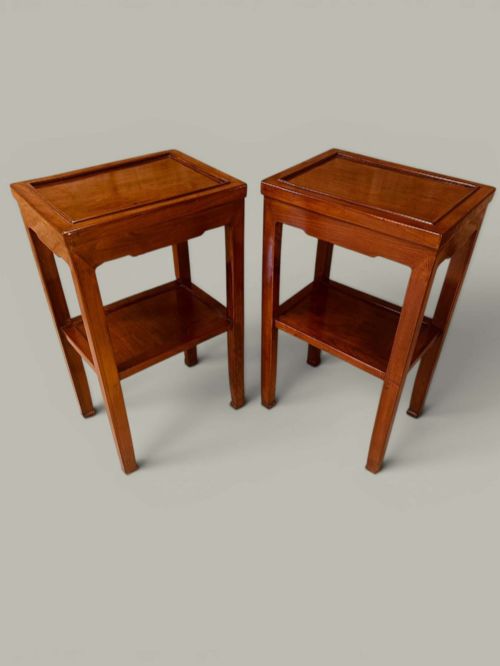
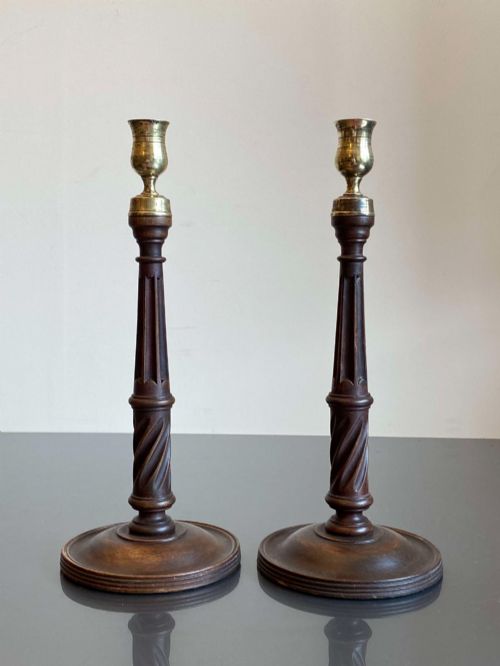
A pair of antique stands brings symmetry to a room, offering matched surfaces or lighting from the eighteenth century onwards.
Pair of Stands
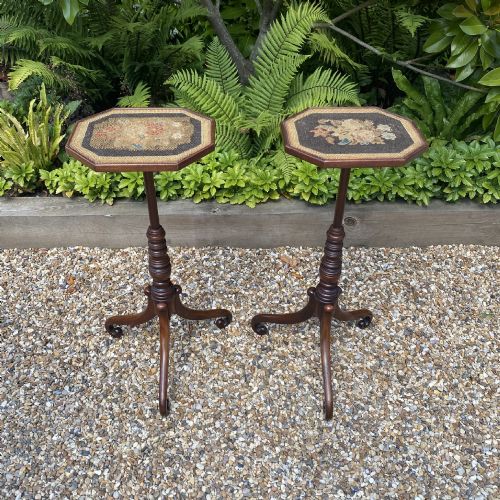
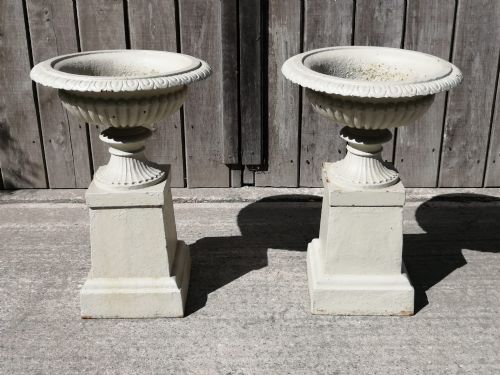
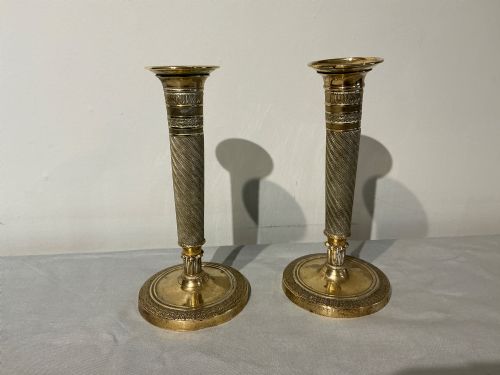
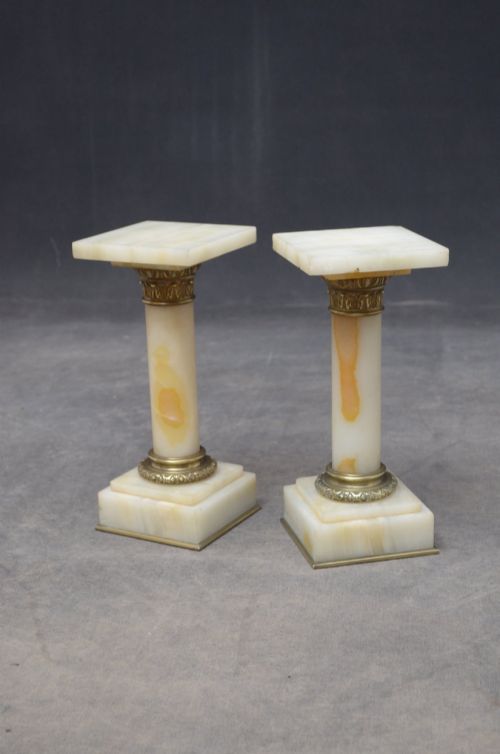
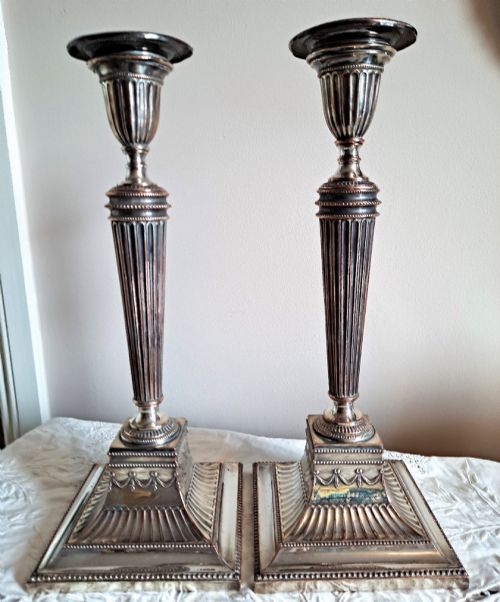
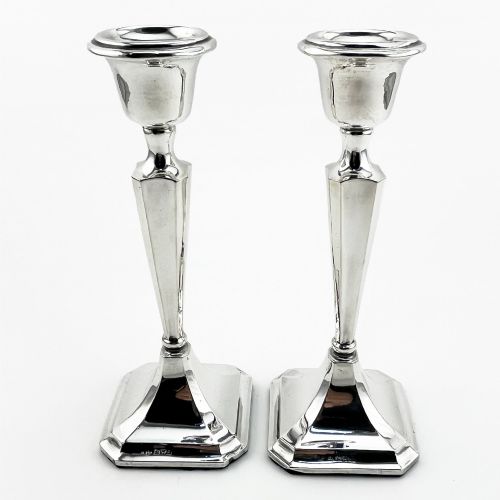
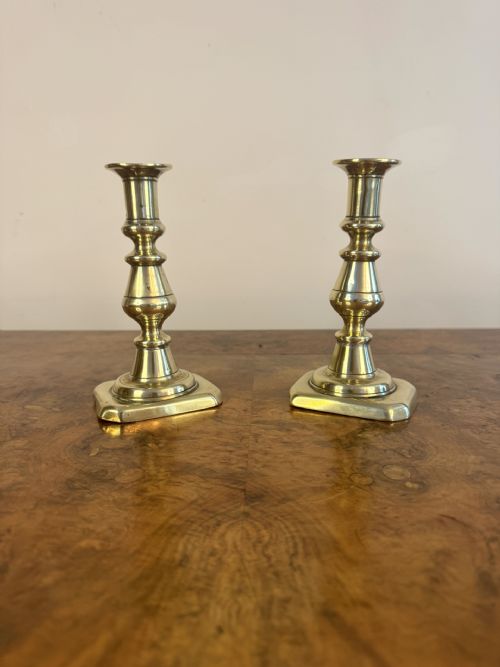
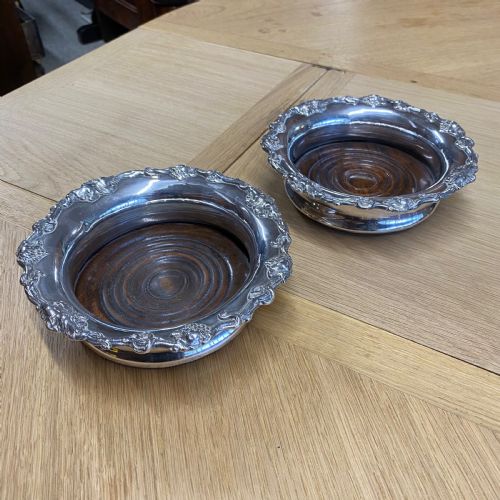
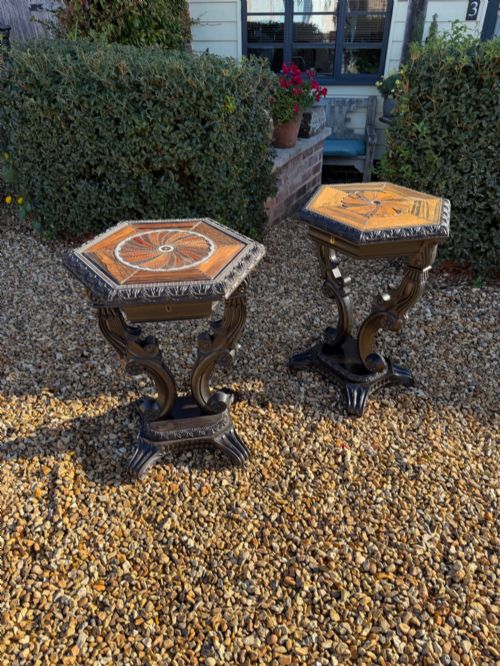
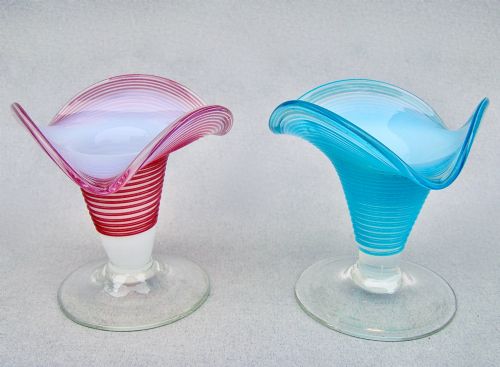
When you search for a pair of antique stands, you encounter a diverse group of paired furnishings designed to support objects, illuminate spaces, or display decorative items. The selections span centuries of craftsmanship, serving practical roles as tables, pedestals, or holders.
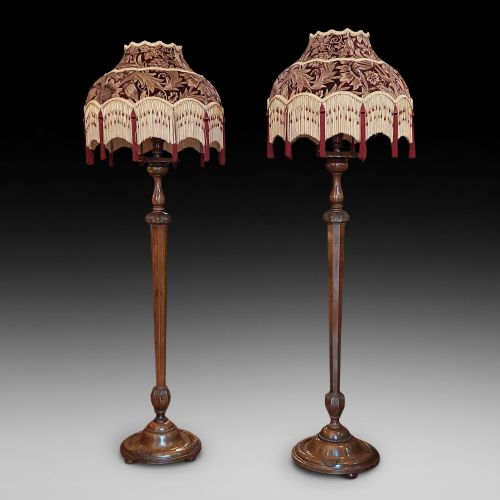
Mahogany bedside cabinets and side tables dominate the timber furniture, frequently taking forms from the Georgian, Victorian, and Edwardian eras. Alongside these, lighting supports and display pieces emerge in brass, bronze, silver, and wood.
Specialised examples include torcheres, hallstands, and small tables intended for specific domestic duties. These matched pairs provide balanced decor and functional surface space derived from historical British, European, and Asian traditions.
How they were made
Cabinet makers constructed wooden stands using mahogany, satinwood, walnut, and oak, often incorporating intricate inlays, galleried edges, or carved tripod bases. Timber surfaces received polished finishes that highlighted the natural grain.
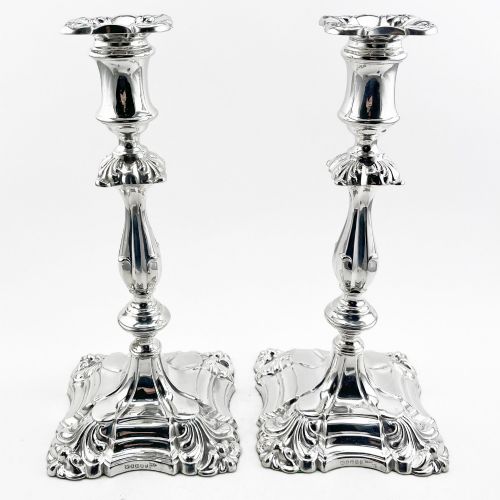
Metal stands relied on casting, chasing, and plating techniques, utilising brass, bronze, ormolu, silver plate, and sterling silver. Artisans combined Carrara marble, alabaster, and porcelain with metal mounts to produce decorative lamps and candlesticks.
Pair of Stands Retail Price Guide 2026
Typical asking prices for pair of stands among the pieces listed under this phrase on Sellingantiques today, from the lower quarter to the upper quarter. They describe what is for sale here now, not the wider market.
Listings feature items from the eighteenth, nineteenth, and early twentieth centuries, constructed in mahogany, brass, sterling silver, bronze, and marble.
What varies in quality
The standard of execution in carving, chasing, and joinery distinguishes superior examples from simpler utilitarian items. Finer pieces demonstrate precision in timber selection, crisp casting detail in metal mounts, and robust structural integrity.
Design ambition separates basic items from exceptional creations, where makers applied distinguished decorative schemes, such as Rococo curves, Neoclassical proportions, or French Empire detailing, executed with careful attention to proportion and balance.
Thonet·Gillows·Elkington and Co·Liberty and Co
The Pair of Stands Glossary
- Torchere
- A tall stand designed to support a lamp, candle, or decorative figure. These elevated pieces usually feature slender columns resting on sturdy bases.
- Ormolu
- Gilded bronze used widely for decorative mounts on nineteenth-century furniture and lighting. The technique involves applying a gold amalgam to a bronze base.
- Tripod table
- A small standalone table supported by three legs radiating from a central pillar. They appear frequently in tilt-top or fixed formats from the Georgian era onward.
- Old Sheffield plate
- An early form of composite metal made by fusing a thin layer of silver to a thicker copper base. It predates electroplating and exhibits distinctive edge seams.
Pair of Stands: Frequently Asked Questions
How were torchere stands used historically?
Torcheres provided elevated placement for candles or oil lamps to illuminate dark corners of large rooms. They stood in reception rooms, halls, or beside seating areas.
Over time, many of these tall stands were adapted to carry electric lamps while retaining their original decorative purpose and structural form.
What distinguishes a bedside cabinet from a side table?
Bedside cabinets feature enclosed storage through cupboards, drawers, or drop-front doors designed to conceal personal items next to a bed. Side tables offer open surfaces with legs and shelves without enclosed storage compartments.
Both forms appear frequently in matched pairs across Victorian and Edwardian domestic interiors.
How do I identify French Empire styling?
French Empire pieces display classical motifs inspired by ancient Rome and Greece, executed in heavy woods, bronze, and ormolu mounts. Look for symmetrical designs incorporating paw feet, pilasters, and gilt metal details against dark timber or marble.
This style flourished during the early nineteenth century under the influence of Neoclassical tastes across Europe.
Where should I place a pair of stands?
Matched stands work effectively in symmetrical interior arrangements, such as flanking a fireplace, sofa, doorway, or bed. They provide balanced proportions and unified surfaces for lighting or display.
Consider the scale of the room and the height of the stands to ensure they complement surrounding furniture without overcrowding the space.