

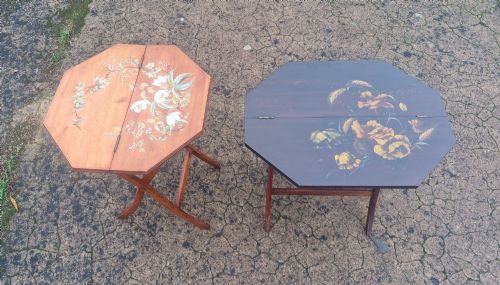
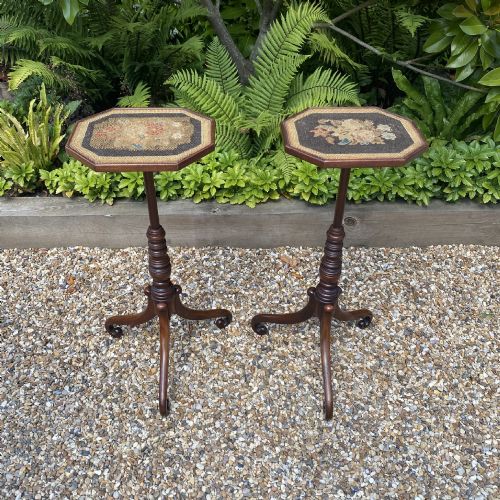
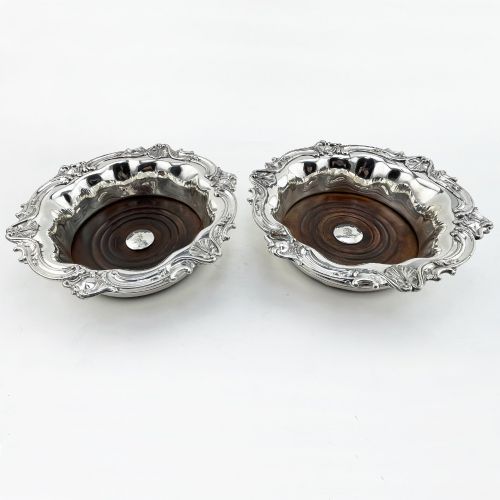
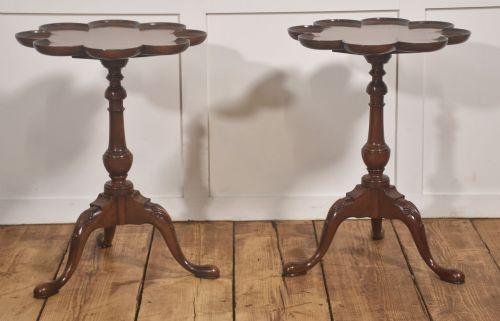



Pair Mahogany Wine Tables
Pair mahogany wine tables offer balanced symmetry and compact surface space, uniting period craftsmanship with functional elegance.
Pair Mahogany Wine Tables
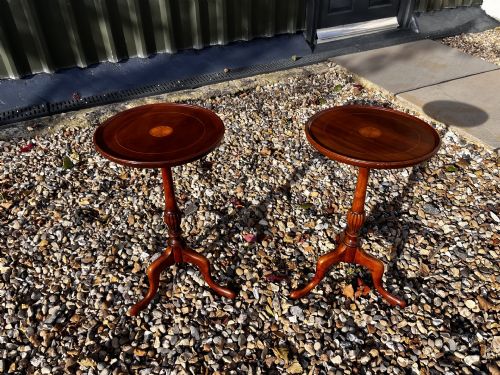
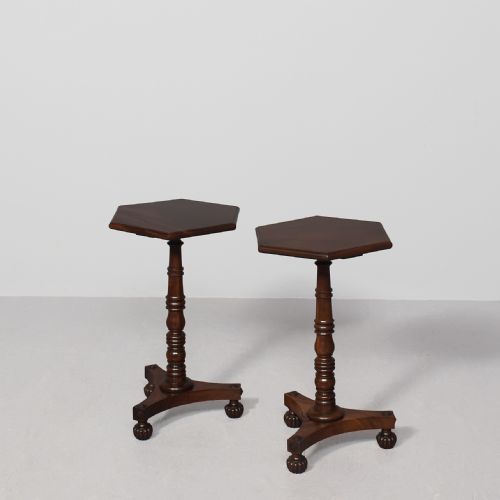
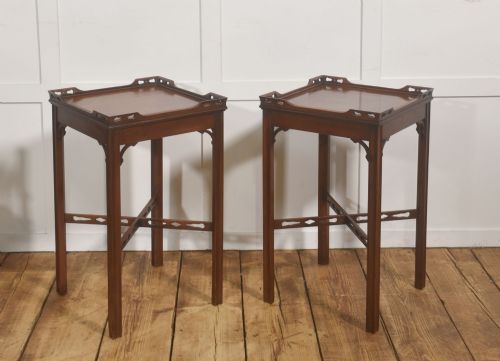
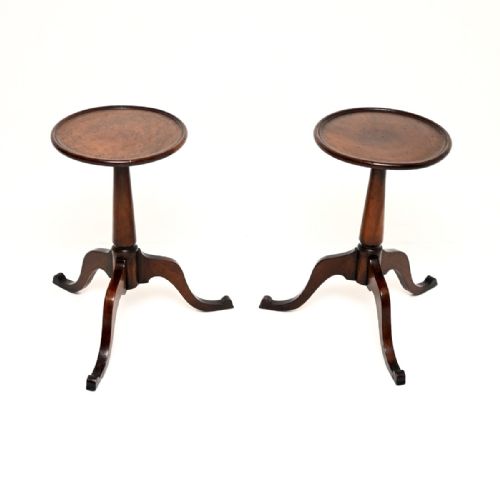
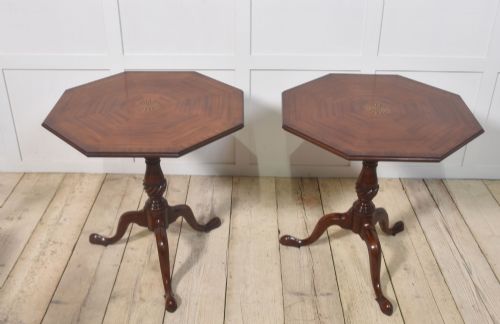
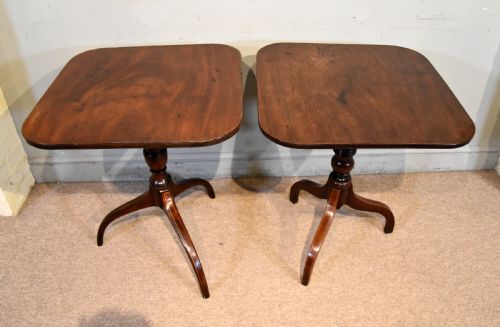
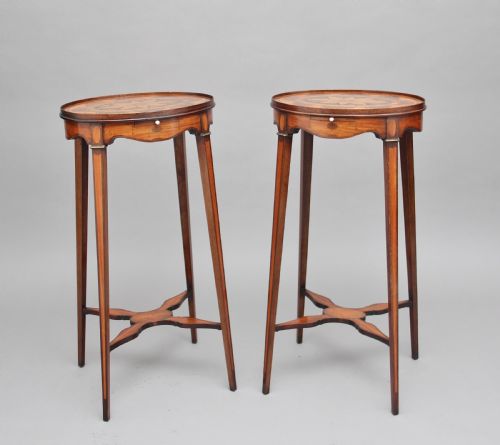
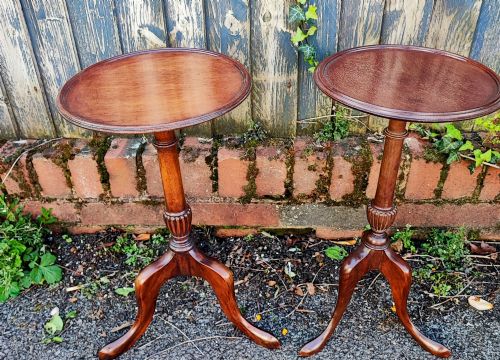
Pair mahogany wine tables are matching small-scale furniture pieces designed to hold bottles, glasses or candles beside seating, most frequently encountered in Georgian, Regency and Edwardian interpretations.
The selections span authentic late 18th century originals alongside later revival periods like Edwardian and 19th century reproductions, maintaining the classic tripod or pedestal silhouette.
Beyond traditional wine use, these dual tables function effectively as side surfaces, urn stands or occasional display pieces within classic interiors.
Materials and construction
Makers utilised solid timber and veneers, pairing rich mahogany with occasional satinwood inlay, brass accents or leather writing inserts.
Tripod bases and turned central pedestals provide stable support for the small circular tops, sometimes incorporating tilt mechanisms or spiral fluted stems.
Pair Mahogany Wine Tables Retail Price Guide 2026
Typical asking prices for pair mahogany wine tables among the pieces listed under this phrase on Sellingantiques today, from the lower quarter to the upper quarter. They describe what is for sale here now, not the wider market.
Listings feature mahogany, satinwood, brass and leather across Georgian, Regency and Edwardian periods.
Design refinement and execution
Superior examples display crisp carving, thoughtful proportions and dense mahogany grain, whereas simpler versions rely on plain turned posts and standard joinery.
Finer pairs exhibit harmonious matching in timber tone and grain pattern between the two pieces, indicating careful selection in the workshop.
John and Thomas Settle·James Mein of Kelso
The Pair Mahogany Wine Tables Glossary
- Tripod base
- A three-legged support structure commonly found beneath the central pillar of small occasional tables. This design ensures stability on uneven historical flooring.
- Tilt-top
- A hinged table top that pivots to a vertical position for compact storage against a wall when not in use. It represents a clever space-saving invention of the 18th century.
- Satinwood inlay
- Contrasting blonde wood marquetry embedded into the darker mahogany surface to create decorative borders or motifs. This technique highlights the maker's skill during the Sheraton revival.
- Pedestal table
- A standalone furniture form supported by a single central column rising from feet or a base. It maximises legroom around the surface.
Pair Mahogany Wine Tables: Frequently Asked Questions
What were pair mahogany wine tables used for?
These tables served wealthy households by holding wine bottles, glasses and candlesticks near seating areas during evening gatherings.
Their portable size allowed servants to reposition them easily around the room as needed.
How do I style them at home?
Position the pair flanking a sofa or fireplace to create balanced symmetry within a sitting room.
They also function effectively as bedside surfaces or display stands for small decorative objects.
How can I tell Georgian from Edwardian pieces?
Authentic Georgian examples display hand-cut joinery, patinated timber surfaces and proportions characteristic of the 18th century.
Edwardian revival pieces often feature crisper machine-sawn components and brighter internal hardware.
Are tilt-top mechanisms original?
Many period tables retain their original brass or iron catch mechanisms beneath the circular top.
Wear around the pivot joint helps confirm age and regular historical use.