

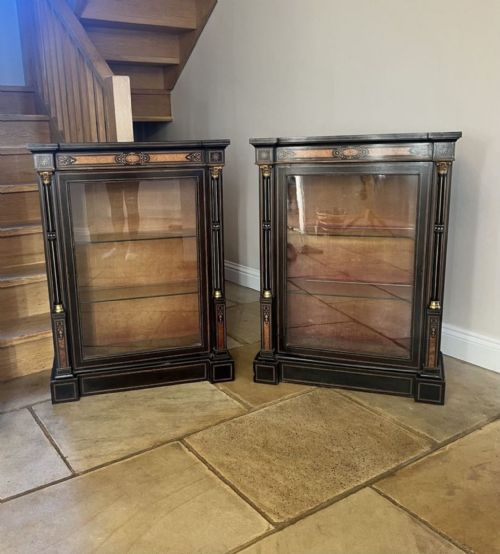


Pair Glazed Display Cabinets
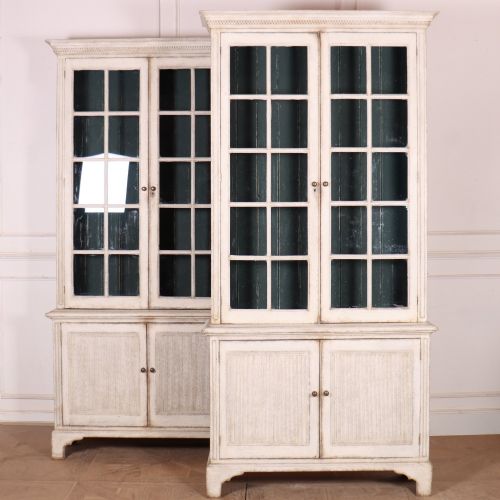
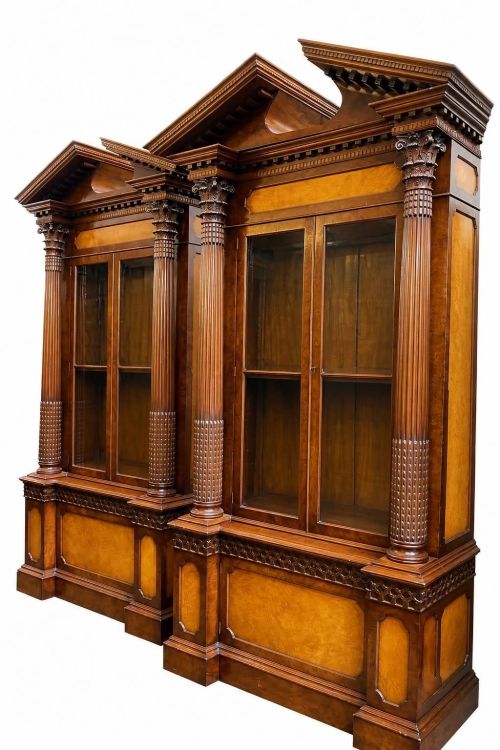
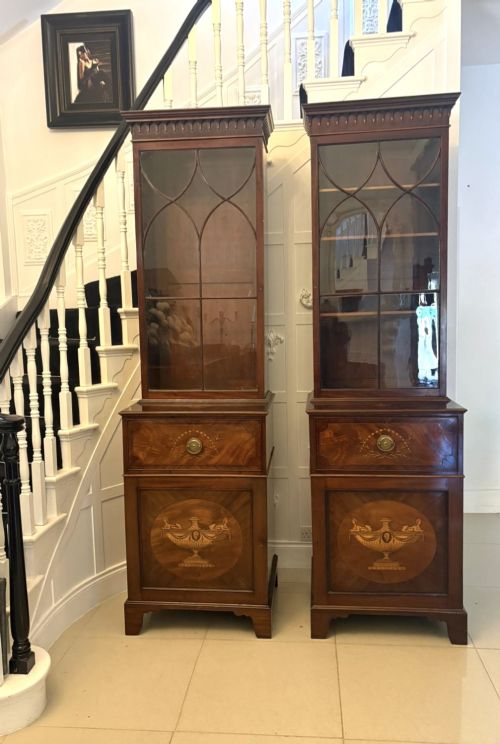
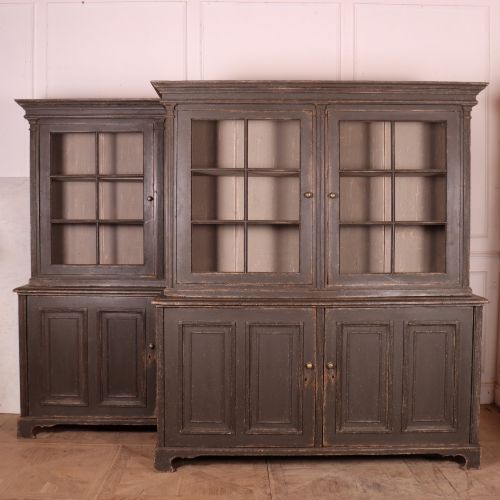
Pair glazed display cabinets bring symmetry and light to a room, framing collections behind clear glass panels with the presence only matched pairs achieve.
Pair Glazed Display Cabinets
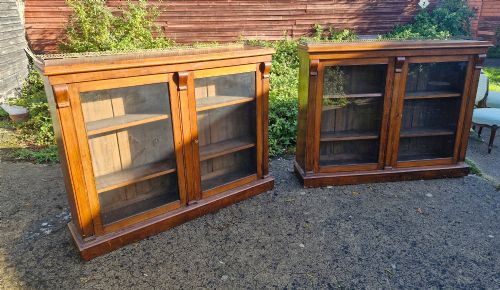
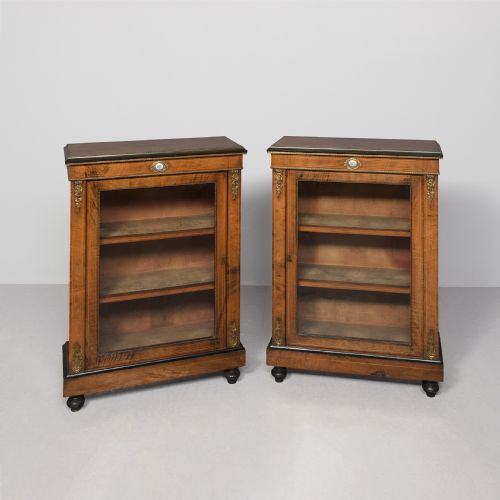
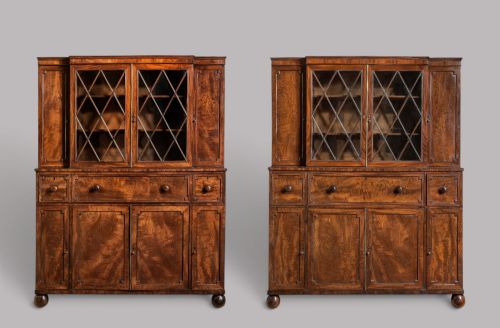
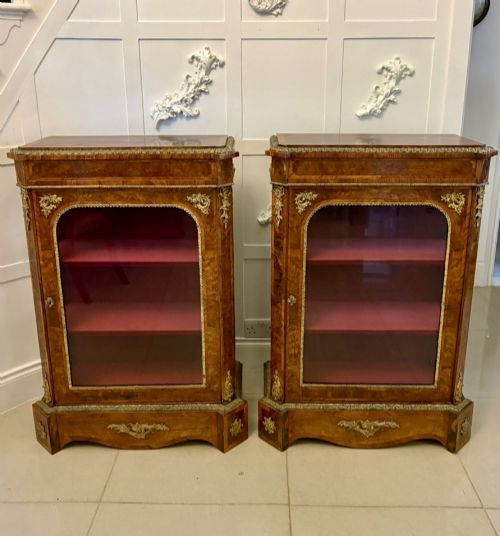
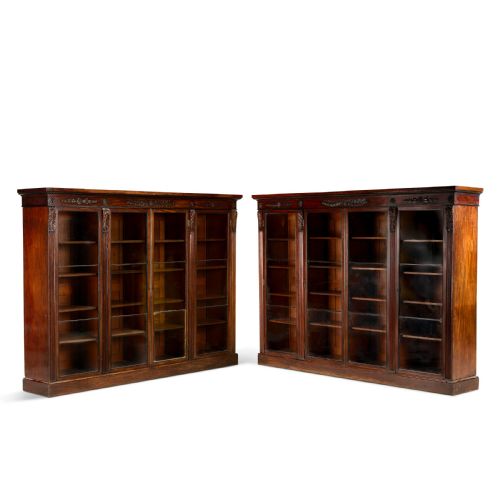
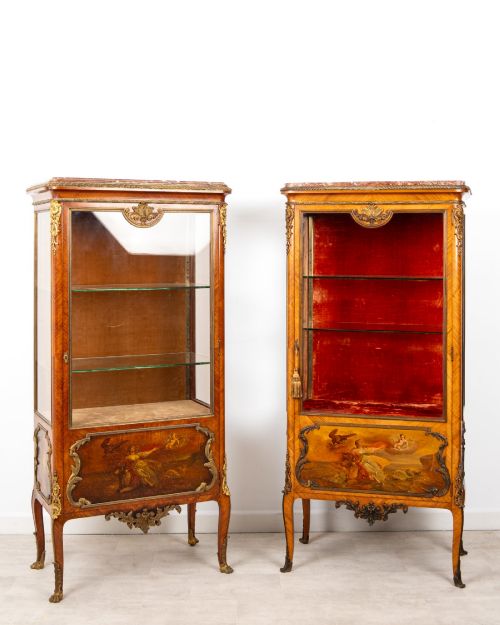
When you search for pair glazed display cabinets, you encounter matching sets designed to house books, ceramics, or curiosities while protecting them from dust. These range from compact Victorian burr walnut pier cabinets and corner units to taller Regency bookcases and French vitrines.
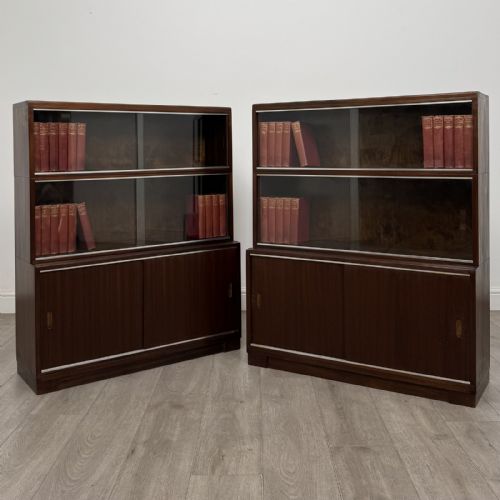
The selection spans formal nineteenth-century revival styles, Edwardian marquetry, and clean-lined Art Deco forms, alongside specialised commercial shop counters.
How they were made
Cabinet makers utilised solid structural timbers such as oak, mahogany, and walnut, often applying decorative veneers like burr walnut, kingwood, and satinwood to primary display surfaces. Metal mounts in brass and ormolu edge doors and cornices, while intricate marquetry and boulle inlay provide surface pattern.
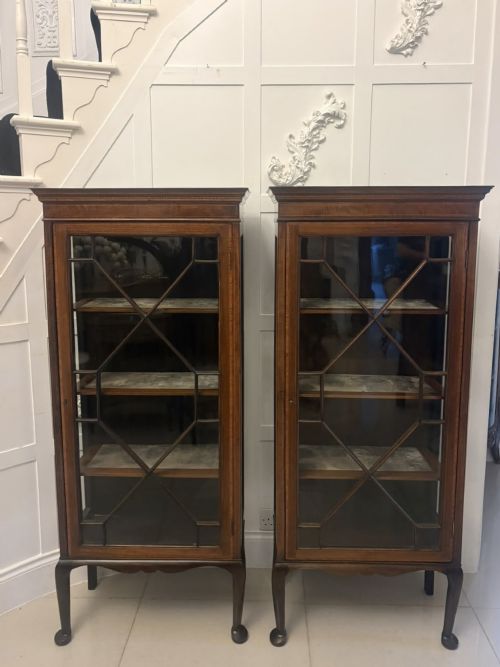
Glazing takes the form of single panes or individual glass segments held by wooden astragals, paired with hinged doors or sliding panels depending on the period.
Pair Glazed Display Cabinets Retail Price Guide 2026
Typical asking prices for pair glazed display cabinets among the pieces listed under this phrase on Sellingantiques today, from the lower quarter to the upper quarter. They describe what is for sale here now, not the wider market.
Commercial shop display cabinets designed for confectioners appear alongside domestic library bookcases and drawing room vitrines.
What varies in quality
The distinction between ordinary and exceptional examples lies in the selection of timbers and the precision of the cabinet work. Matched grain patterns, finely cast ormolu mounts, and hand-cut marquetry separate superior pieces from standard production work.
Proportion and the integrity of the original glass also dictate value, as well-balanced proportions ensure the two cabinets read as a unified visual pair.
Gillows·Marsh & Tatham·Edwards and Roberts·Paul Somani
The Pair Glazed Display Cabinets Glossary
- Pier cabinet
- A low freestanding cabinet designed to fit the wall space between windows. These often feature glazed doors and decorative wood inlays.
- Vitrine
- A glass-fronted display cabinet intended for showing porcelain and small objects. French examples frequently incorporate gilt bronze mounts and marble tops.
- Boulle
- An elaborate form of marquetry utilising tortoiseshell and brass inlay. Named after André-Charles Boulle, it appears on nineteenth-century French cabinets.
- Ormolu
- Gilt-bronze decorative mounts applied to furniture. High-quality pieces feature crisply chased detailing in the metalwork.
- Marquetry
- Decorative patterns formed by fitting together thin veneers of various wood types. Cabinet makers used this technique to create floral or geometric tableaus.
Pair Glazed Display Cabinets: Frequently Asked Questions
Where should I place a pair of cabinets?
These cabinets work best positioned symmetrically in a drawing room, dining room, or library to anchor the space. They provide balanced display areas on either side of a fireplace or window.
Because matching sets are harder to source than single items, placing them together creates a strong focal point in a principal room.
How do I clean the wood and glass?
Dust timber surfaces regularly with a dry, soft cloth and feed the polish only occasionally with traditional beeswax. Avoid modern silicone sprays that damage antique finishes.
Clean the glass panes with a mild glass cleaner applied to a cloth rather than sprayed directly, preventing moisture from seeping into the wooden frames.
Are these cabinets suitable for books?
Many examples function primarily as bookcases, particularly the taller Regency and Victorian oak or mahogany models. Adjustable shelving often appears in these functional library pieces.
Shallower pier cabinets and vitrines suit small decorative items and glassware better than heavy volumes due to lighter internal construction.
How can I tell if a pair is genuine?
Examine the interior construction, timber shrinkage, and backboards to verify period authenticity. True matched pairs share identical timber ageing, construction methods, and hardware.
Look for consistent hand-cut dovetails in the drawers and matching wear patterns that indicate the two pieces have spent their lives together.