




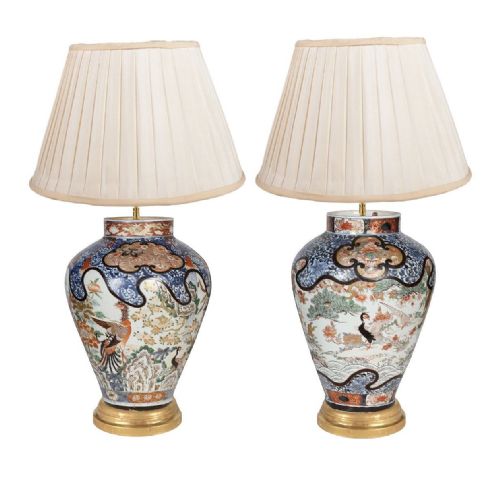

Pair Gilt Ceramic Lamps
Pair gilt ceramic lamps bring paired symmetry and warm illumination, transforming historic vases into functional lighting for domestic interiors.
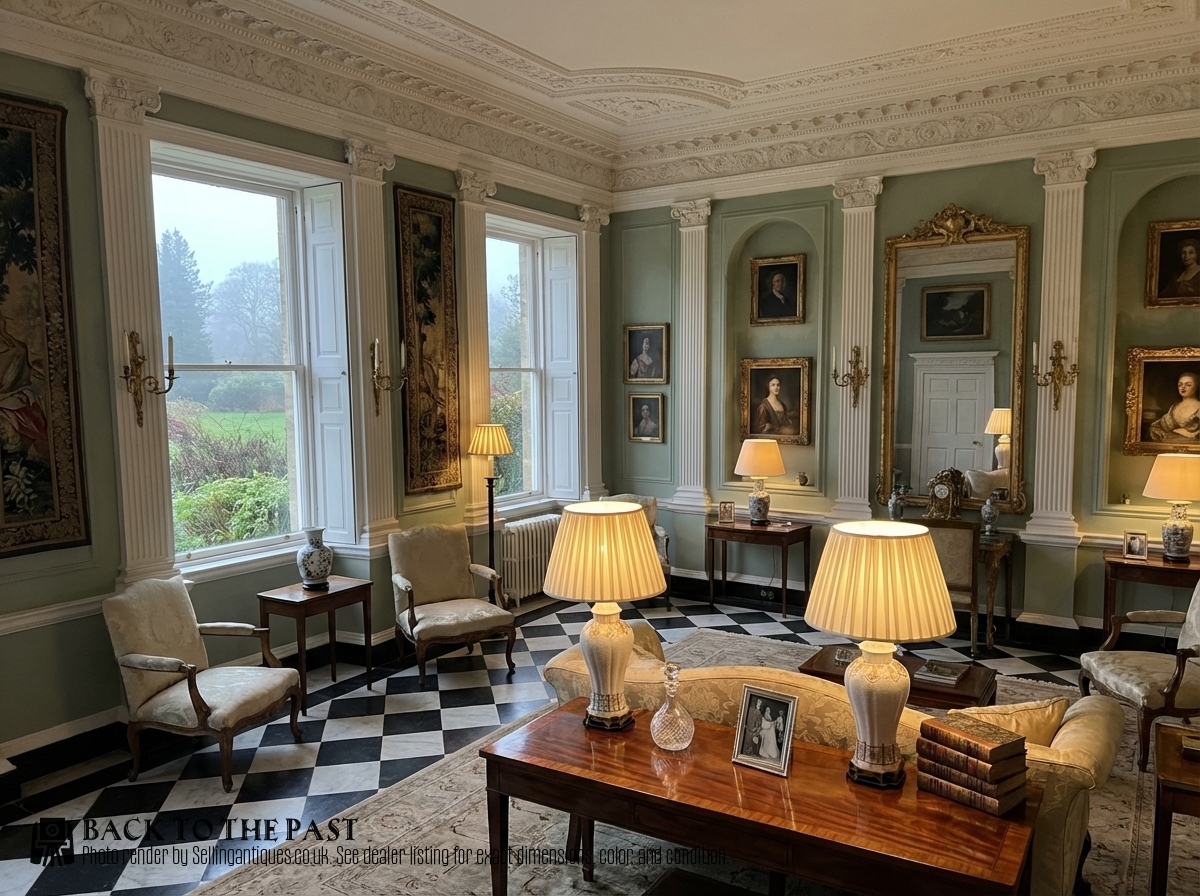
Pair Gilt Ceramic Lamps
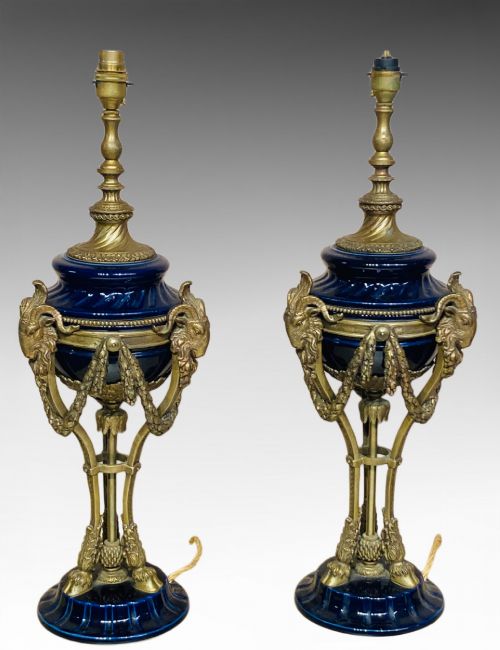
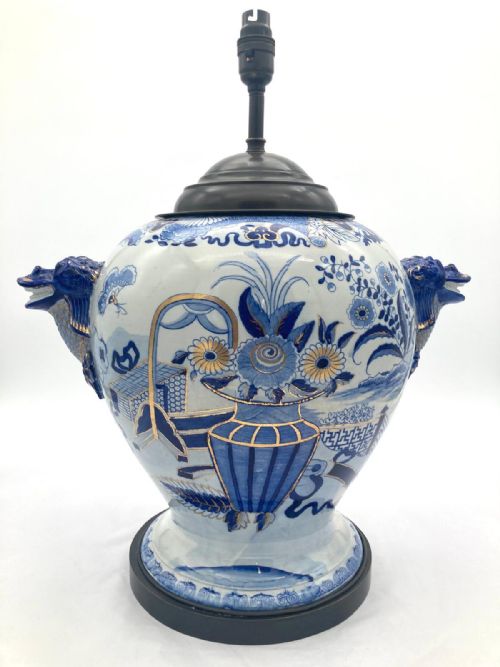
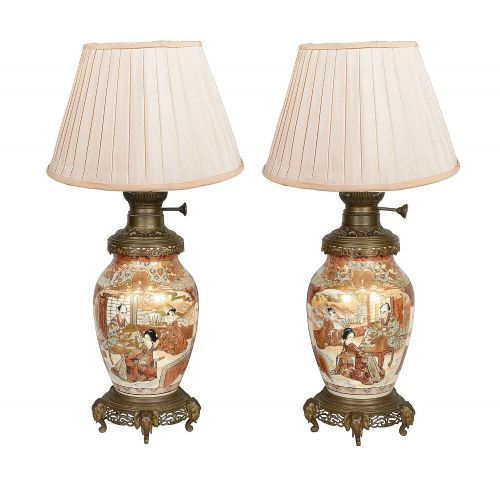
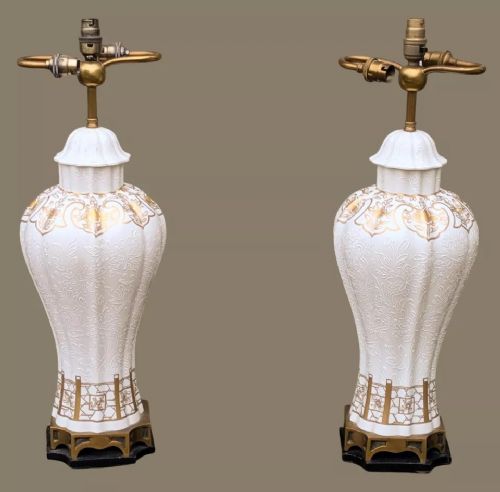
When you search for pair gilt ceramic lamps, you encounter matched sets of ceramic vessels, often originally manufactured as vases and later converted into table lamps. These pieces combine historic ceramic bodies with metallic mounts, predominantly drawing on 19th-century origins alongside Regency and 20th-century adaptations.
The selections span several distinct stylistic traditions, notably Chinese Export, Japanese Satsuma, Imari, and European porcelain styles including Sèvres and Paris. Buyers most frequently meet pieces featuring blue and white glazes, powder blue surfaces, or polychrome enamel decoration accented with gilded bronze or brass mountings.
What varies in quality
Quality rests upon the fineness of the ceramic painting and the crispness of the gilt metal mounts. Hand-painted enamels and delicate gilding demonstrate superior artisan skill compared to simpler transfer-printed decoration.
The structural harmony between the ceramic vessel and its metal mountings defines the overall success of the piece. Well-integrated ormolu mounts that complement the proportions of the porcelain body elevate the standard of the conversion.
Some vases spent centuries as mantelpiece ornaments before acquiring electrical wiring and a second career illuminating dinner parties.
The Pair Gilt Ceramic Lamps Glossary
- Ormolu
- Gilded bronze mounts applied to furniture, clocks, and ceramic vessels. This technique was widely utilised in French and English decorative arts to provide ornamental borders and structural bases.
- Satsuma
- A type of Japanese earthenware originating from Satsuma Province, traditionally characterised by a crackle-glaze ivory body decorated with polychrome enamels and gilt highlights.
- Imari
- A style of Japanese porcelain featuring a distinctive palette of underglaze blue, iron red, and gold, named after the port from which these goods were shipped to Europe.
- Pâte-sur-pâte
- A ceramic decorating technique where liquid clay is applied layer by layer onto a body to create a low relief cameo effect before firing.
- Rose Medallion
- A nineteenth-century Cantonese porcelain decoration style featuring panels of figures alternating with birds, flowers, and butterflies, enriched with pink enamel and gold.
Pair Gilt Ceramic Lamps: Frequently Asked Questions
How are vases converted into lamps?
Vases are adapted for electrical components by fitting internal wiring rods through the ceramic body without causing structural damage to the original vessel.
Fittings and gilt mounts are attached securely to the top and bottom to support lamp shades while preserving the antique ceramic surface.
What periods do these lamps date from?
The pieces span various periods, with many originating in the 19th century alongside examples from the Regency era and early 20th century.
Some ceramic bodies date back to earlier centuries before undergoing conversion into lighting fixtures during subsequent decades.
How do you style pair lamps in a room?
Matched pairs are typically placed symmetrically on side tables, console tables, or mantelpieces to balance illumination and visual weight within a room.
Fabric and silk shades diffuse the light, highlighting the hand-painted glazes and gilded bronze mounts of the ceramic bodies.
What is Chinese Export porcelain?
Chinese Export porcelain refers to ceramics manufactured in China specifically for international markets in Europe and the West from the 16th to the 19th centuries.
These wares often incorporated styles and motifs tailored to Western tastes, frequently combining traditional blue and white or famille rose palettes.