
Pair Gilt Bronze Lamps
Pair gilt bronze lamps bring decorative symmetry and warm illumination to a room, drawing on centuries of French and continental craftsmanship.
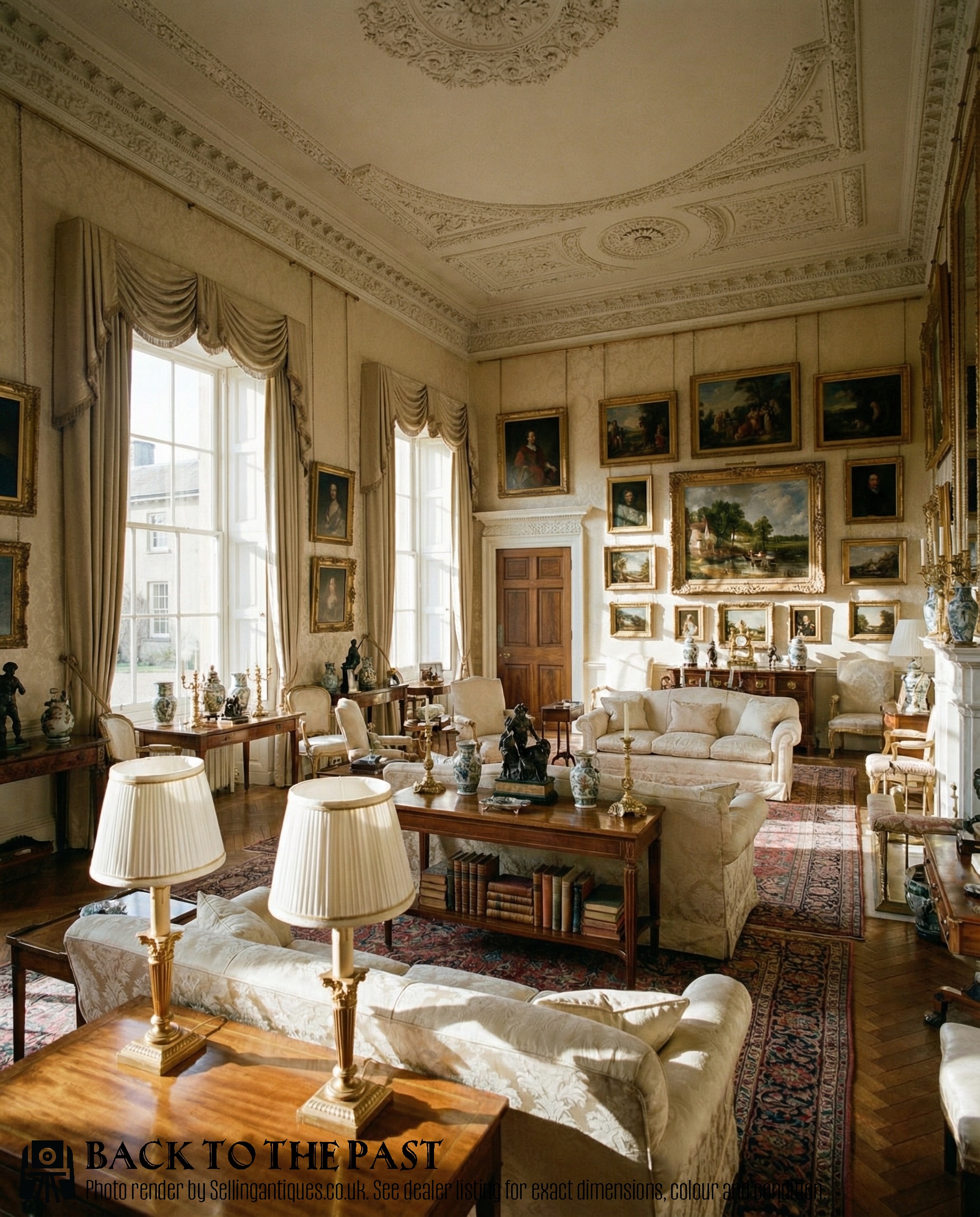
Pair Gilt Bronze Lamps
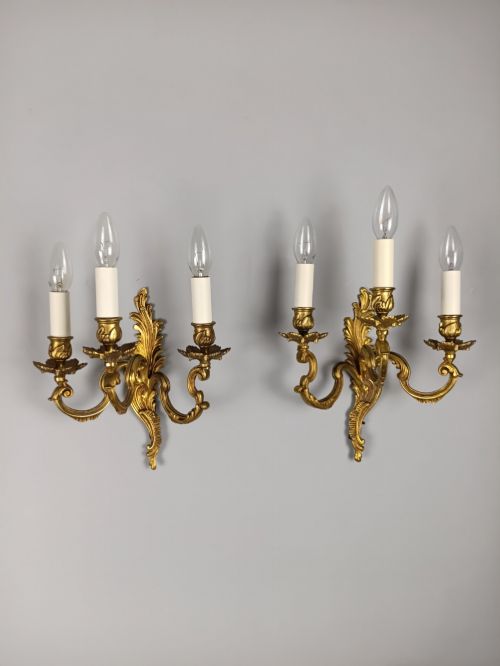
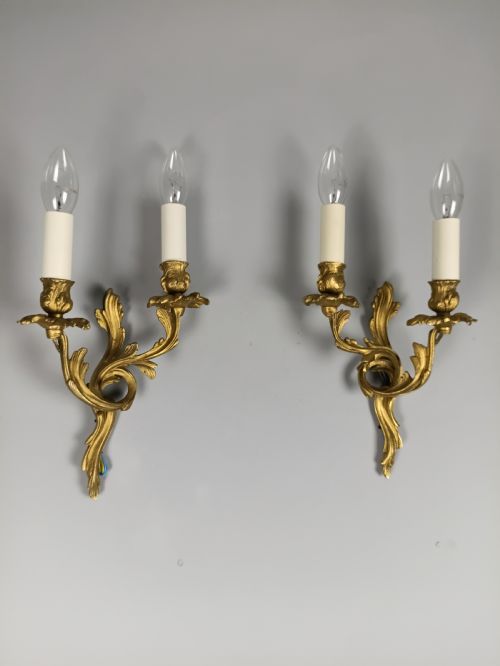
When searching for pair gilt bronze lamps, buyers encounter symmetrical lighting fixtures designed predominantly as table lamps, wall lights, and candelabra. The selection spans the nineteenth century through the early twentieth century, reflecting classical revivalism and continental tastes.
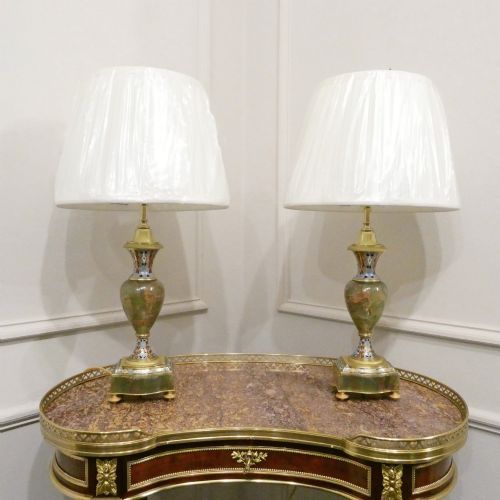
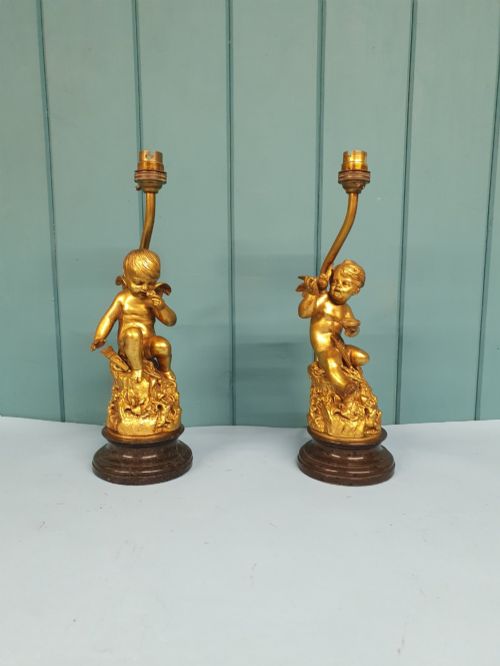
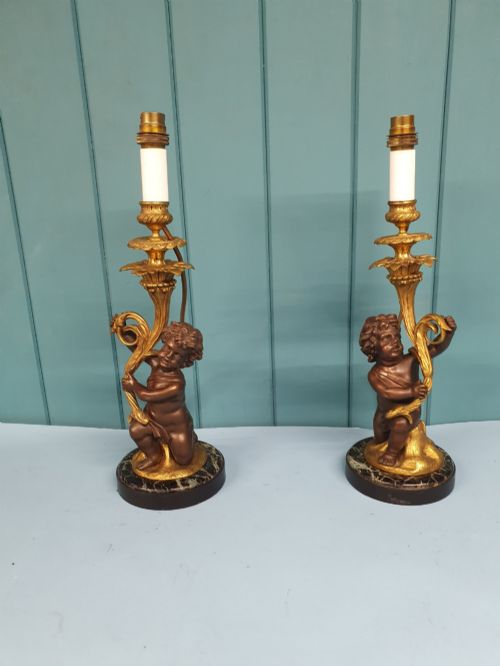
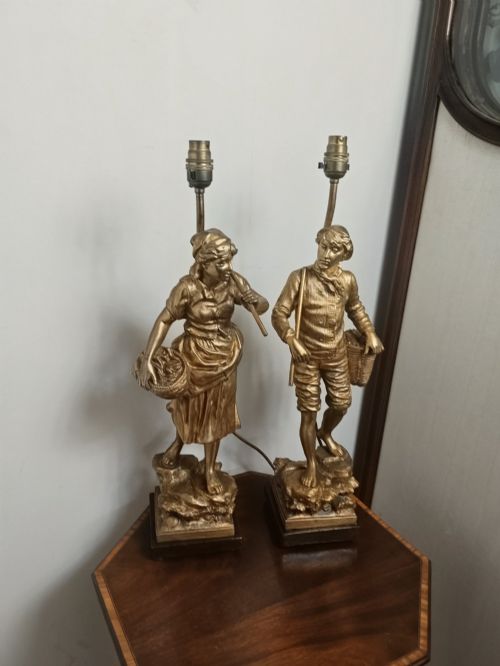
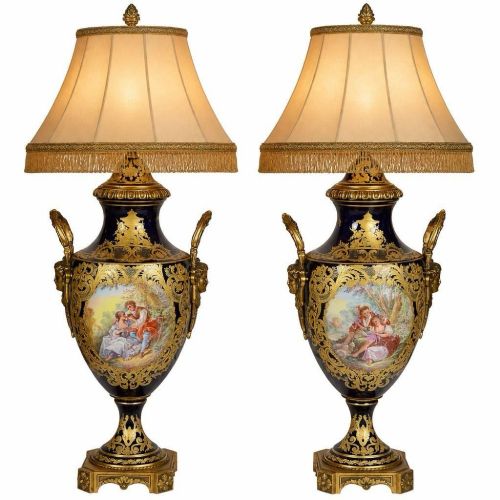
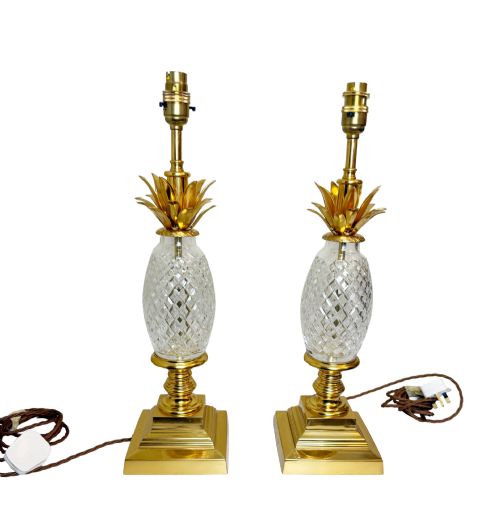
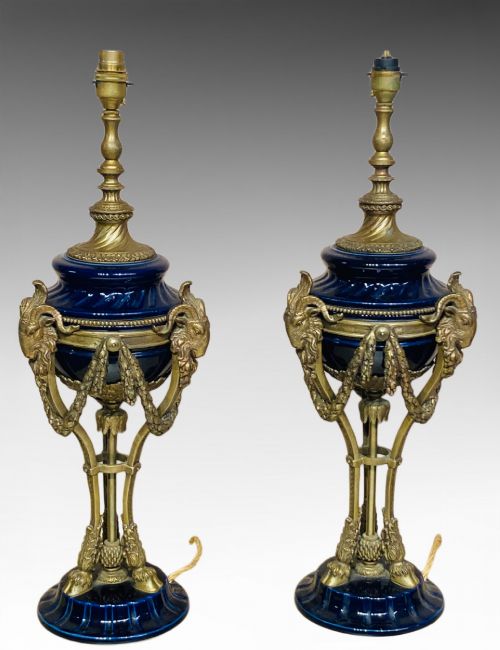
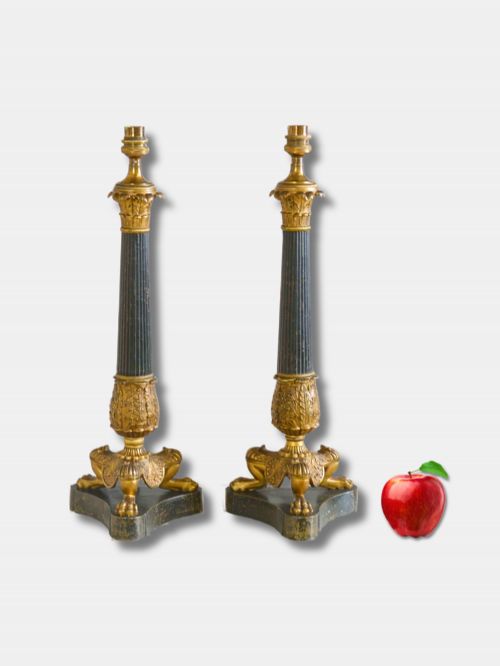
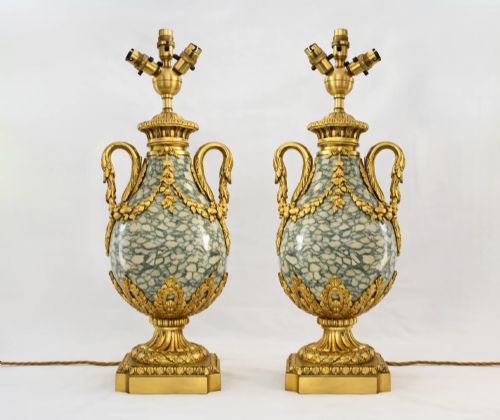
Most examples originate from French workshops and utilise classical urns, columns, or figural motifs mounted with electrical fittings. These pieces frequently combine cast metal with contrasting materials such as marble, porcelain, or crystal.
How They Were Made
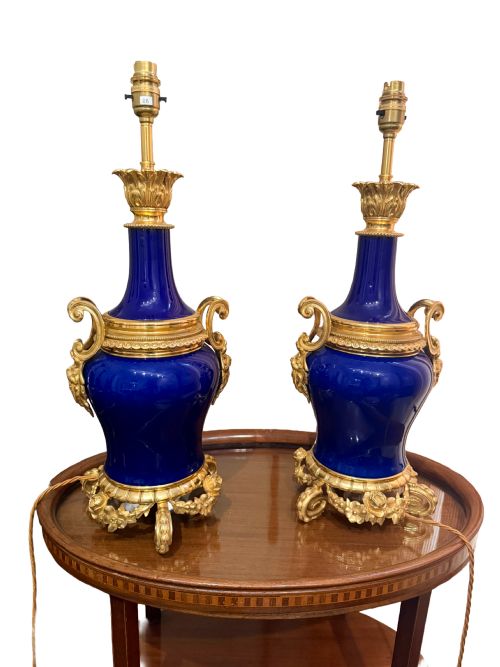
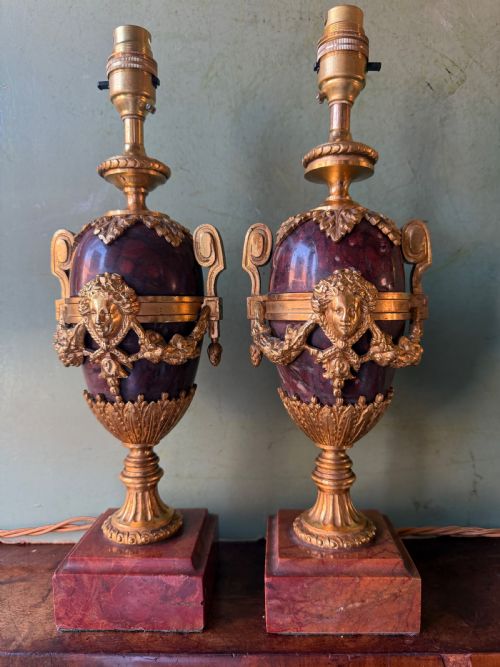
Craftsmen cast the structural elements in bronze, brass, or copper before applying mercury gilding or modern electroplating to achieve the characteristic rich surface finish known as ormolu. Artisans chased the cooled metal surfaces by hand to sharpen details on foliate scrolls, cherubs, and architectural moulding.
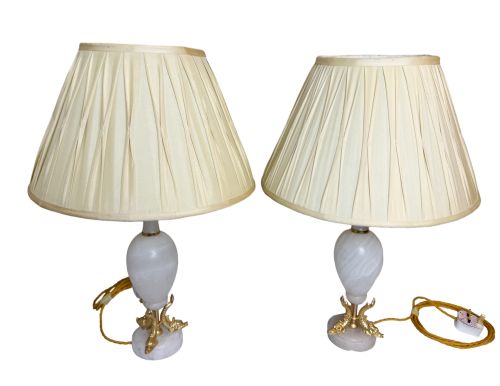
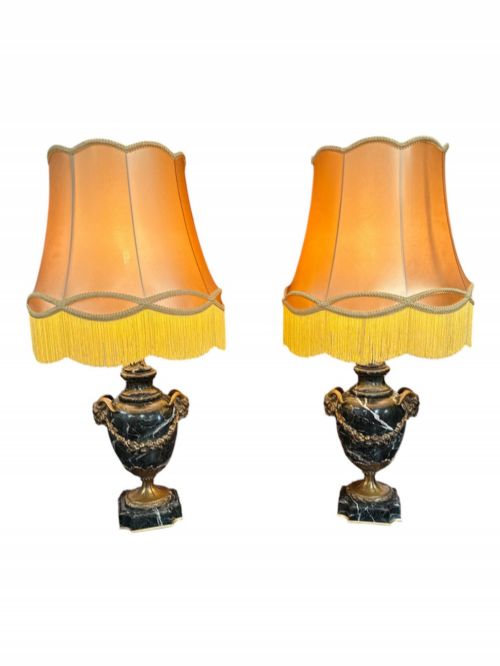
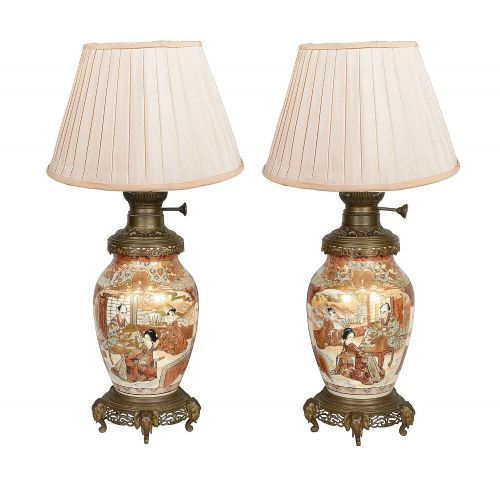
Many bases incorporate turned or carved natural materials, including rouge marble, onyx, alabaster, and Chinese porcelain vases adapted for domestic illumination. Component parts were assembled using threaded rods and screws, allowing for later conversion from oil or candles to electricity.
What Varies in Quality
The precision of the metal chasing separates ordinary commercial castings from exceptional workshop production. Superior examples exhibit crisp, deep relief work on figural elements and foliage, whereas lesser pieces show smoothed details and softened edges.
The selection of secondary materials heavily influences overall merit. Dense, finely figured natural marble, unblemished porcelain panels, and heavy gauge bronze framing distinguish the finest creations from lighter, brass-heavy alternatives.
E Rousseau·F.C Osler·Paul Sormani·Barbedienne
The Pair Gilt Bronze Lamps Glossary
- Ormolu
- Gilded bronze, where a layer of gold amalgam is applied to a bronze base and heated to drive off the mercury. This technique produces a durable, warm metallic lustre characteristic of fine decorative arts.
- Champlevé
- An enamelling technique where troughs are dug into a metal surface and filled with vitreous enamel powder before firing. The resulting coloured patterns often accent nineteenth-century desk and table articles.
- Cassolette
- A decorative vase or urn with a reversible lid that functions either as a closed vessel or an incense burner. In lighting adaptations, the body forms the central column of the lamp.
- Pâte-sur-pâte
- A ceramic decorating method where successive layers of liquid white porcelain slip are built up on a coloured clay body to create a low-relief cameo effect.
- Louis XVI Style
- A neoclassical design movement characterised by straight lines, symmetry, classical architectural motifs, and restrained ornamentation drawn from ancient Greece and Rome.
Pair Gilt Bronze Lamps: Frequently Asked Questions
How do I date these lamps?
Dating relies on combining stylistic evidence with manufacturing methods, casting quality, and material choices. Nineteenth-century examples often display heavier bronze gauges and hand-chased details compared to later twentieth-century reproductions.
Changes in wiring methods and switch types also offer clues, though many antique fixtures have undergone modern rewiring for safe domestic use.
Where should I place a pair?
Symmetrical pairs suit locations requiring balance and formal composition, such as flanking a mantelpiece, sideboard, or headboard. Console tables in entrance halls and large desks also benefit from the dual illumination they provide.
Ensure the scale of the lamp base and shade proportion matches the surrounding furniture to maintain visual harmony.
Are converted candelabra difficult to use?
Candelabra converted to table lamps retain their original branch configuration while incorporating concealed electrical wiring through the central column. This allows them to function as multi-bulb light sources without losing their decorative silhouette.
Compatible shades and proper bulb wattage ensure the conversion balances historical character with modern lighting requirements.
How do I clean gilt bronze?
Maintenance requires only gentle dusting with a soft, dry cloth to prevent the accumulation of grime on chased surfaces. Avoid abrasive cleaners, commercial metal polishes, and chemical dips that can strip away the delicate gold ormolu layer.
Preserving the original surface finish maintains both the visual depth and the historical integrity of the piece.