

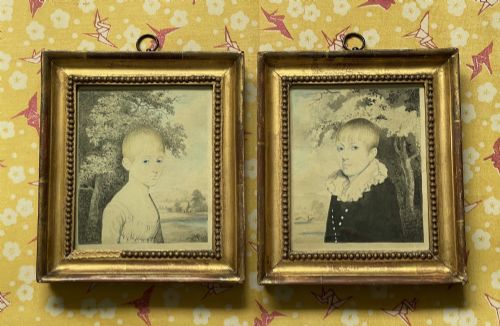

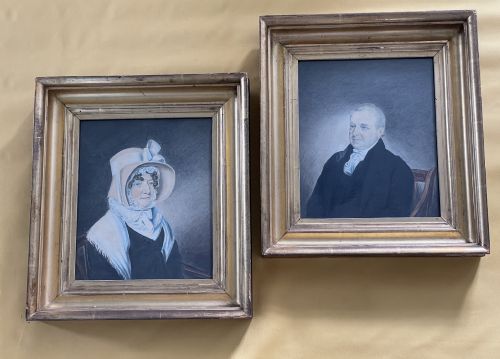
Pair Georgian Portraits
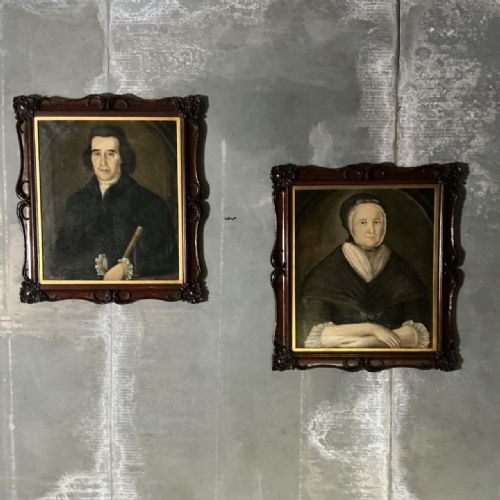
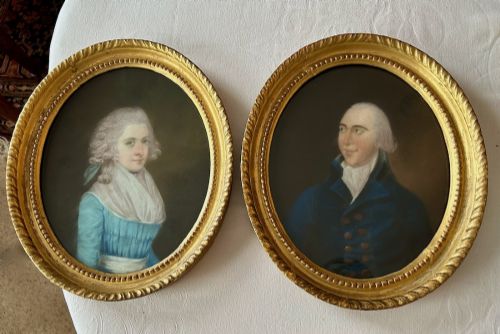
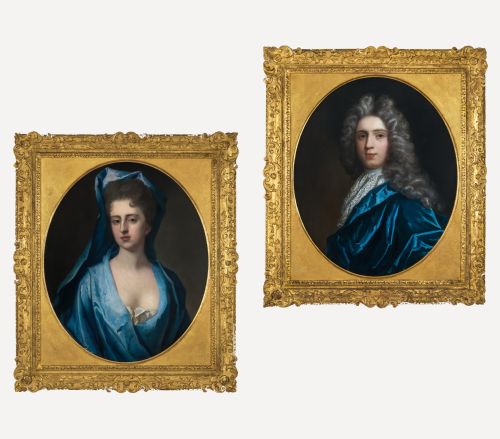
Pair georgian portraits bring matched human presence into a room, offering dual studies in oil, pastel, or engraving created to hang together.
Pair Georgian Portraits
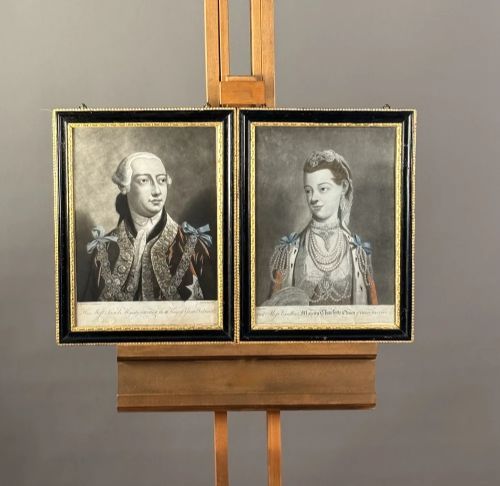
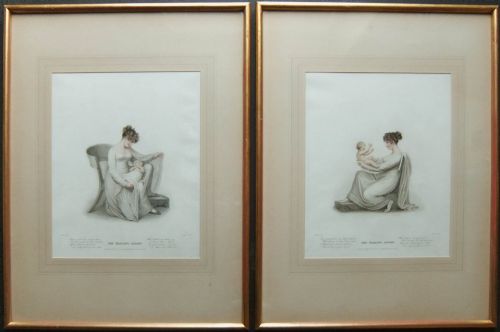
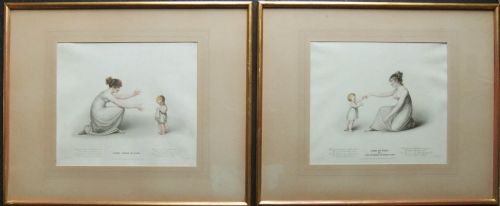
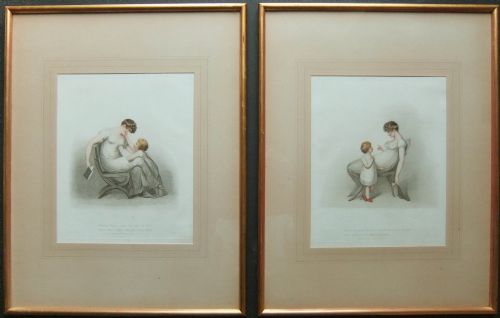
When you search for pair georgian portraits, you are looking at companion likenesses originating from the eighteenth and early nineteenth centuries. These works present matched subjects, often husbands and wives, siblings, or historical figures, rendered as dual oil paintings, watercolours, or prints.
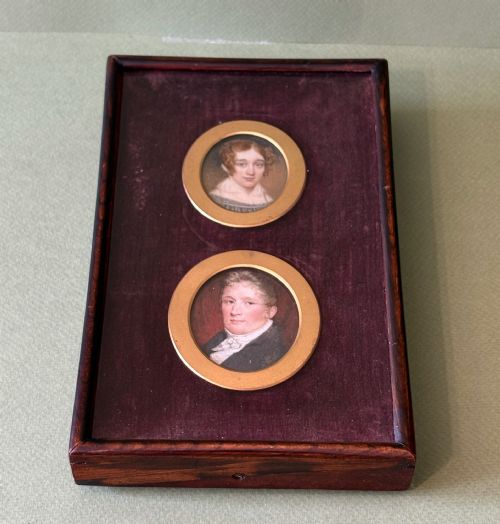
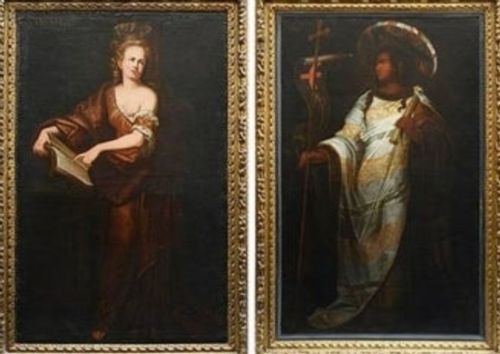
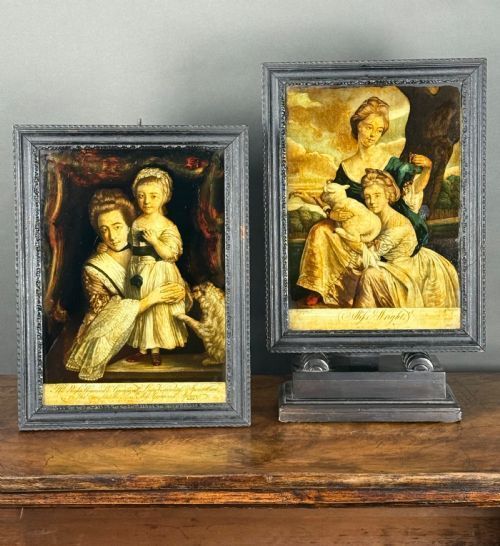
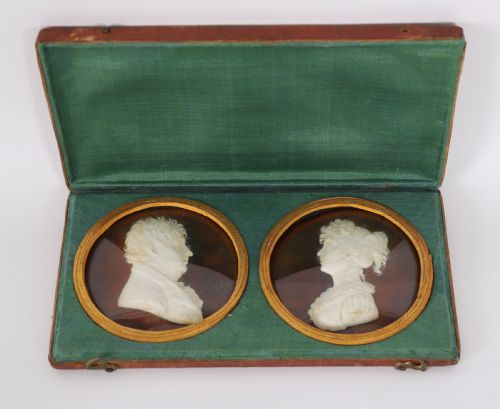
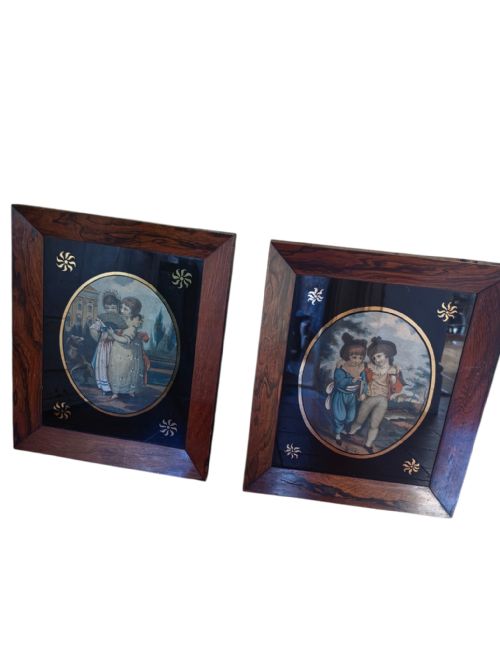
The versions you are most likely to meet on this page span oil on canvas, pastel, reverse glass mezzotints, and delicate enamel plaques. Many are housed in their original wood, giltwood, or rosewood frames, preserving the intended symmetry of the pairing.
The subjects range from named sitters and royal figures to anonymous children, soldiers, and character studies. These paired pieces reflect the Georgian and Regency penchant for balanced interior decoration and companion visual narratives.
Materials and Techniques
Artists of the period utilised oil on canvas, delicate watercolours on paper, and pastel to capture individual likenesses. Printmakers employed mezzotint and line engraving techniques, occasionally transferring images behind glass or onto enamel surfaces.
Frames play an integral role in the construction, utilising carved wood, giltwood, gold leaf, and occasionally rosewood or metal embellishments. Smaller works incorporate ivory for portrait miniatures or papier mache for specialised items like snuff boxes.
Several portraits feature subjects with wooden legs or unexpected metal embellishments stitched directly onto their clothing.
Factors of Quality
The distinction between tiers rests upon the skill of the brushwork or the precision of the engraving, where master hands capture realistic depth and expression. Condition of the underlying paper, canvas, or enamel also dictates value, particularly regarding surface wear or fading.
Original frames matching the exact period of the artwork elevate the piece, especially when retaining original gilding or glass. The historical documentation or identification of the sitters and artists further separates standard decorative pairings from important historical works.
James Sharples·Michael Dahl·Thomas Murray·Thomas Frye·Richard Purcell·Robert Sayer·Adam Buck·Jacobus Houbraken·Thomas London·George Hargreaves·Thomas Woolnoth·Ozias Humphry
The Pair Georgian Portraits Glossary
- Mezzotint
- A printmaking process where the copper plate is roughened to achieve rich dark tones and subtle tonal gradations. This technique was frequently utilised for reproducing oil paintings of royalty and prominent figures.
- Reverse glass print
- An image applied to the reverse side of a glass sheet, creating a glossy finish that protects the pigments beneath. This method was popular for decorative interior prints during the eighteenth century.
- Portrait miniature
- A small, highly detailed painting executed on ivory, vellum, or card, designed for intimate viewing or portable display. These works required immense precision using extremely fine brushes.
- Enamel plaque
- A fused glass coating applied to a metal base, often copper, and painted with vitreous colours before firing. South Staffordshire workshops produced notable examples of these glossy decorative ovals.
Pair Georgian Portraits: Frequently Asked Questions
How were pair georgian portraits displayed?
These companion pieces were traditionally hung symmetrically on either side of a fireplace, doorway, or central mirror in a drawing room. Their matching dimensions and complementary gazes created visual balance across the interior wall.
Today, hanging them together maintains that original compositional dialogue, allowing the two subjects to converse visually across the space.
Can I identify the sitters in these portraits?
Some works include inscriptions, labels, or recorded provenance naming the individuals, while others depict anonymous sitters chosen for their aesthetic appeal. Researching the artist or publisher often uncovers clues regarding the social circle or family.
Unidentified sitters remain compelling as character studies, representing broader Georgian or Regency society rather than a specific historical genealogy.
How do I care for antique paper and pastel portraits?
Works on paper and pastel are exceptionally sensitive to direct sunlight, which causes fading and chemical breakdown. They require framing under protective glass with acid-free mounts to prevent moisture damage and foxing.
Keeping them away from damp environments and fluctuating temperatures ensures the delicate pigments and paper supports survive in stable condition.
What is the difference between an oil painting and a mezzotint pair?
Oil paintings are unique hand-painted works on canvas showcasing individual brushwork and layered pigments unique to the artist. Mezzotints are printed multiples created from an engraved metal plate, offering a shared tonal image published for wider distribution.
While oils represent a singular bespoke commission, fine mezzotint pairs provide insight into popular portraiture disseminated during the eighteenth century.