


Pair French Desk Lamps
A pair french desk lamps brings symmetry and warmth to a study, combining period materials with practical illumination.
Pair French Desk Lamps
When searching for a pair french desk lamps, a buyer encounters matching pairs designed for illumination, often adapted from earlier lighting forms or candlesticks. The selection spans the nineteenth century through the art deco period, reflecting varied historical revivals.
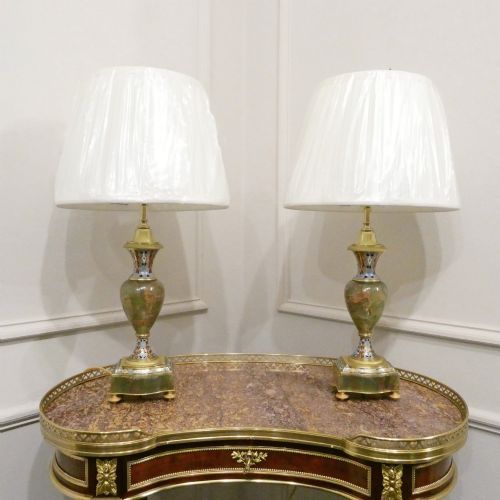
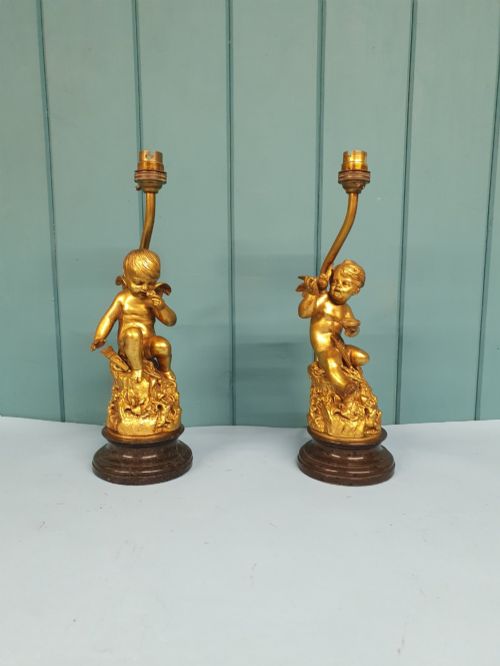
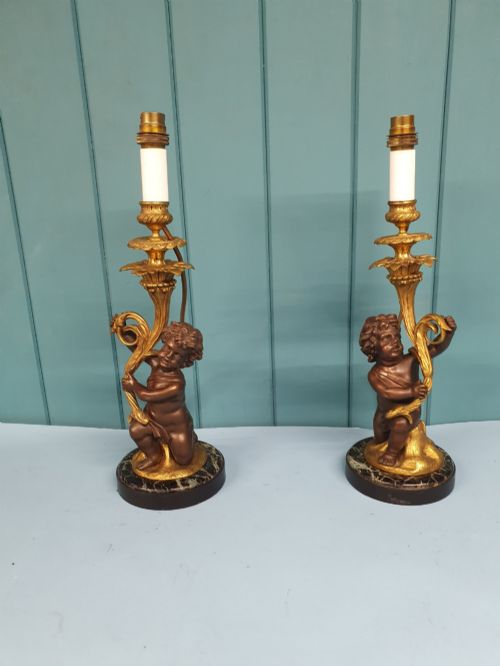
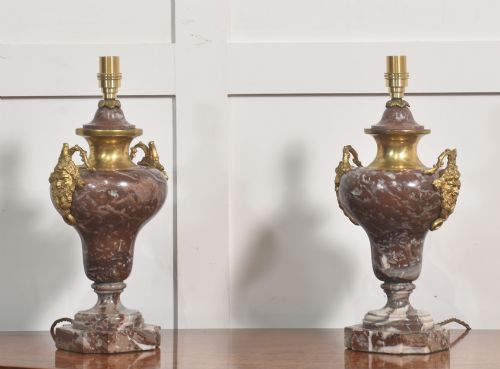
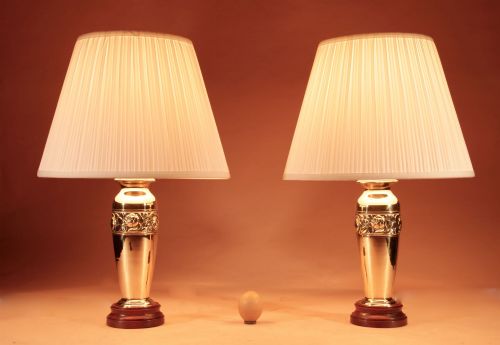
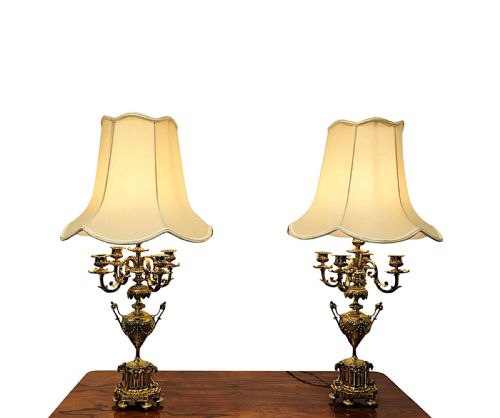
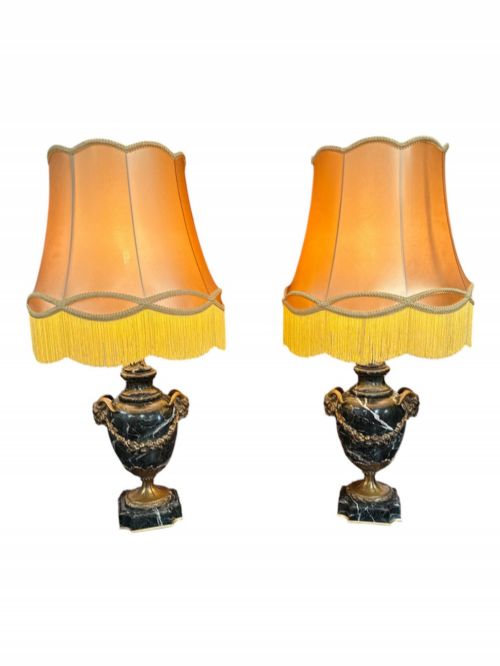
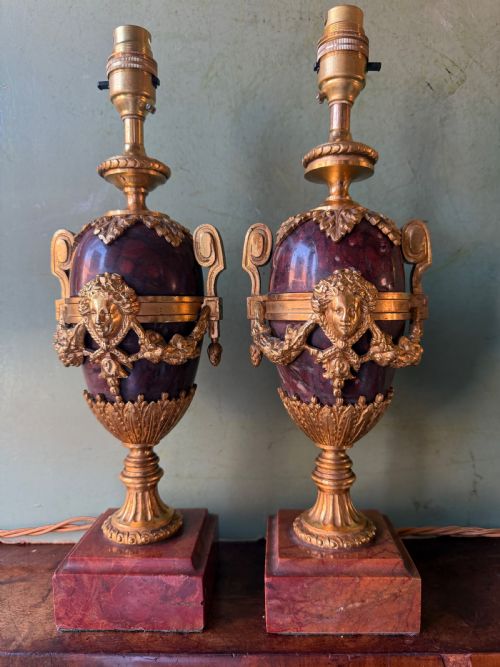
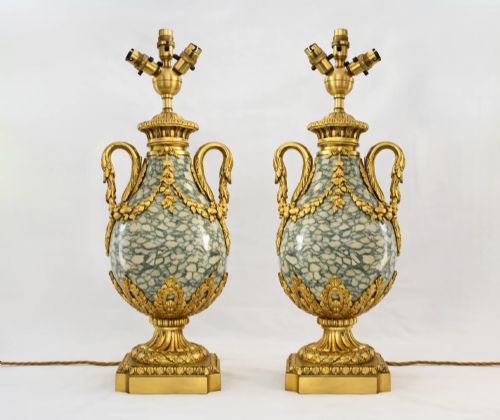
The most common variants on this page include cast brass, ormolu-mounted marble urns, and bronze figures fitted for electricity. These pieces frequently draw upon neoclassical, empire, or rococo styles originating from French workshops.
How they were made
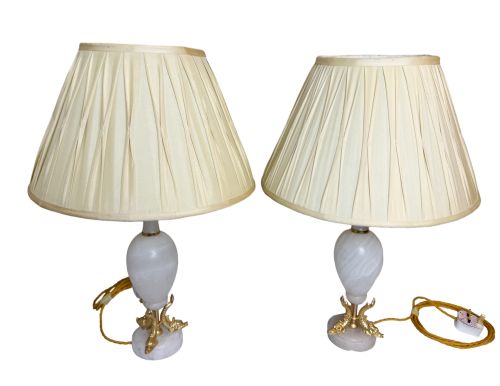
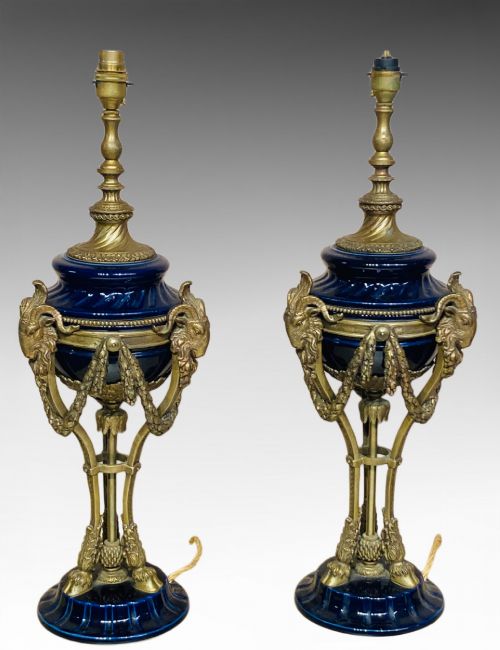
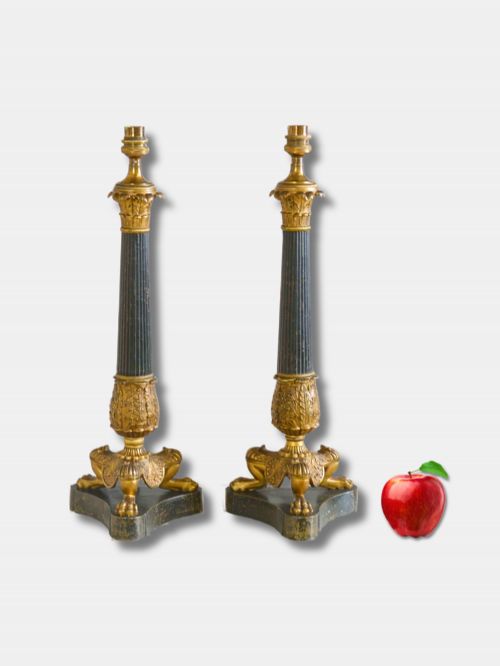
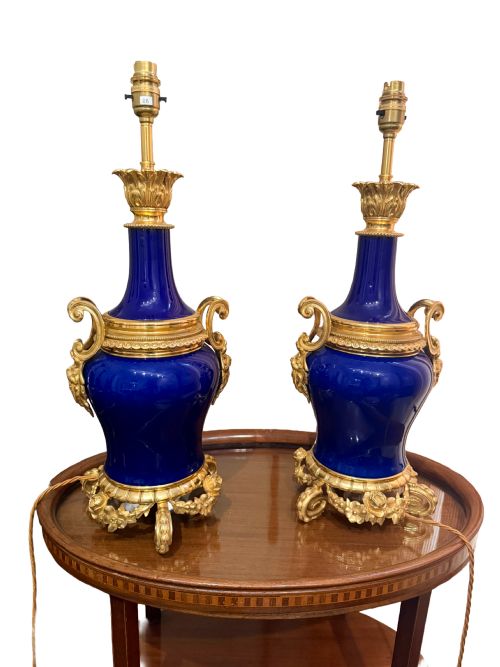
Metalwork forms the foundation of these pieces, utilising cast bronze, solid brass, and fire-gilded ormolu mounted onto natural bases like rouge marble, white onyx, or timber.
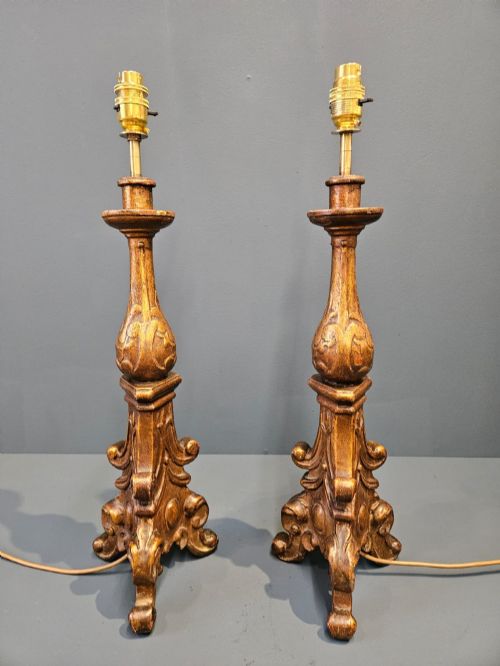
Many examples incorporate repurposed lighting elements, converting nineteenth-century candelabra, urns, or columns into electrified desk lamps while retaining their original patination and hand-chased surface detail.
Listings feature materials spanning bronze, ormolu, brass, rouge marble, white onyx, silk, and fabric across nineteenth and twentieth-century periods.
What varies in quality
Quality rests upon the crispness of the casting and the depth of the hand-chased detail found across the bronze and ormolu mounts. Finer examples display sharp definition in figural elements like cherubs and foliage, whereas simpler versions rely on smoother, mass-produced surfaces.
The choice of base material equally dictates standard, with dense natural stones such as rouge marble or white onyx elevating a piece above standard brass or timber constructions.
Brocot
The Pair French Desk Lamps Glossary
- Ormolu
- Finely ground high-carat gold applied to a bronze base using mercury amalgamation. This technique creates a rich, durable golden finish characteristic of French decorative arts.
- Cassolette
- A decorative vase or urn featuring a reversible lid that functions either as a solid vessel or a candleholder. These often appear mounted with ormolu trim.
- Champleve
- An enamelling technique where troughs are dug into a metal surface and filled with vitreous enamel before firing. It frequently decorates nineteenth-century brass bases.
- Bouillotte lamp
- An adjustable metal desk lamp featuring a central shaft and a painted tole shade. This form is traditionally associated with the card game of the same name.
- Empire style
- A neoclassical design movement spanning the early nineteenth century, characterised by military motifs, classical columns, and bold gilt bronze mounts.
Pair French Desk Lamps: Frequently Asked Questions
How were pair french desk lamps used originally?
These pieces often began life as candlesticks, candelabra, or oil lamps before being converted for modern electrical use. Placed upon desks and sideboards, they provided focused illumination for reading and writing.
Over time, many of these metal and marble bodies received wiring while retaining their original decorative purpose and proportion.
How do I distinguish nineteenth century styles?
Nineteenth century examples draw heavily on historical revivals, moving from the strict classical symmetry of the Empire period toward more ornate Rococo and Louis XVI styles. Examining the mounts helps determine the era.
Earlier pieces often feature fire-gilded ormolu with hand-chased details, whereas later Victorian and Edwardian interpretations utilise simpler cast brass and standard marble bases.
Can I replace the lamp shades easily?
Replacing shades depends on the specific fitting and the original design of the converted candlestick or urn. Many standard shade carriers adapt well to these forms without altering the antique metalwork.
Choosing fabrics like silk or matching the traditional tole style helps maintain the visual balance of the paired lamps.
What materials are most common?
Brass, bronze, and gilt ormolu dominate the metal components, frequently paired with natural stone bases including rouge marble, white onyx, and blue porcelain. Fabric and silk shades complete the structure.
These durable materials have allowed the objects to survive multiple generations of domestic use and conversion.