



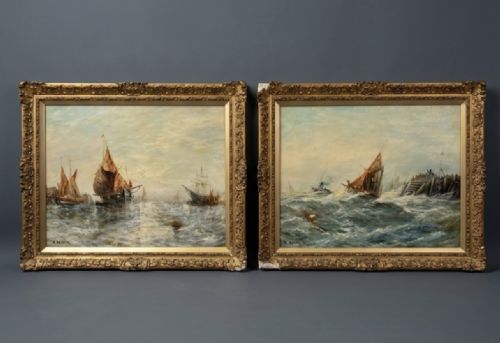
Pair Framed Oil Artworks
When you search for pair framed oil artworks, you find matching companion paintings executed in oil paint and held within decorative surrounds.

Pair Framed Oil Artworks
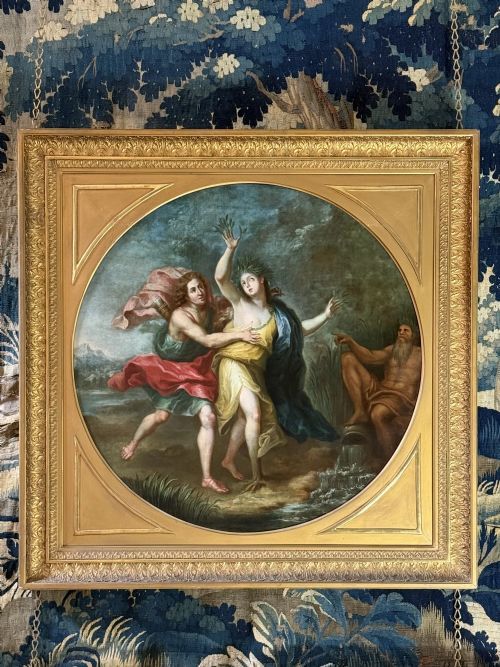
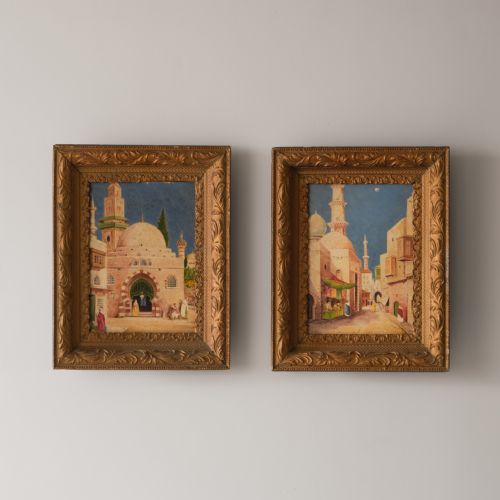
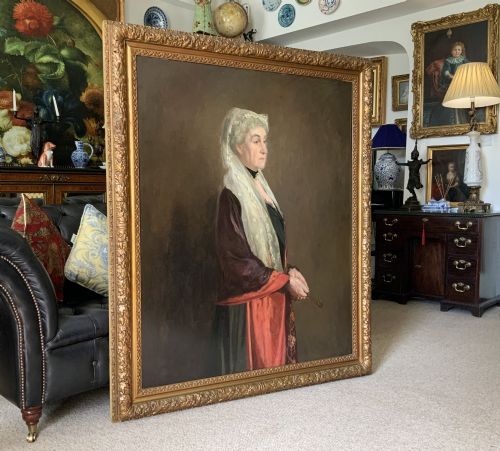
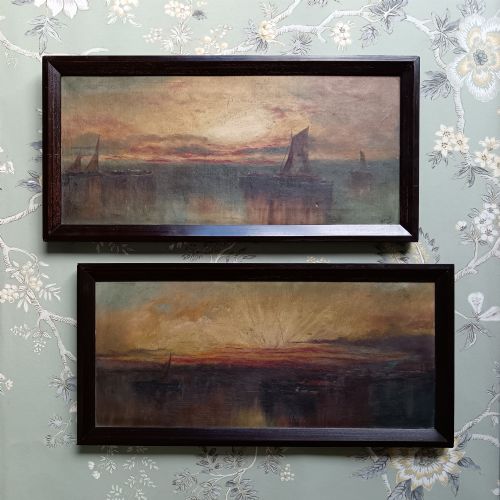
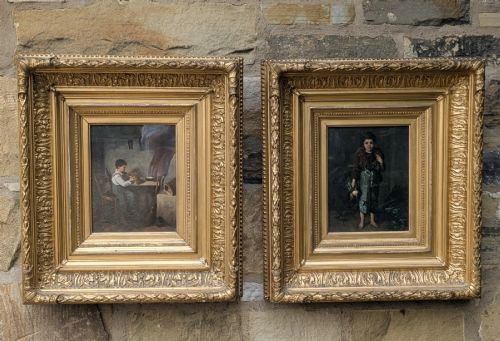
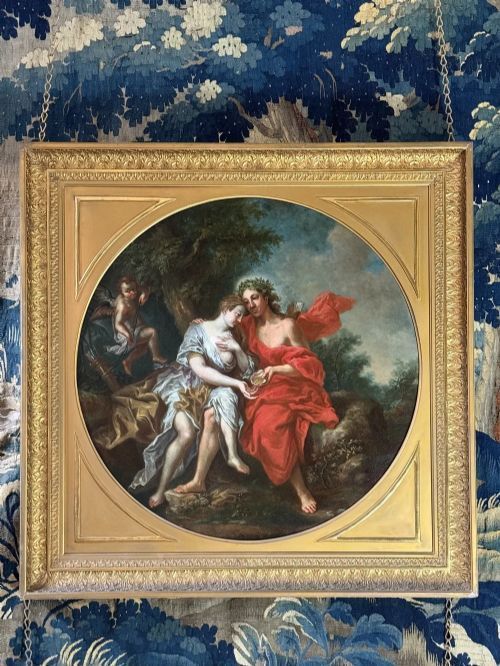
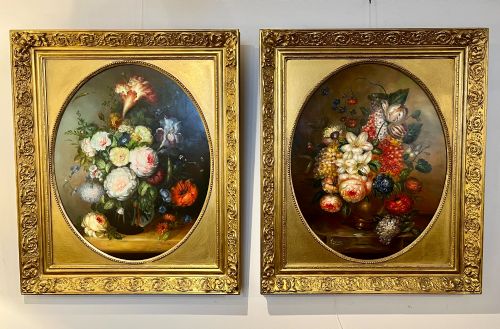
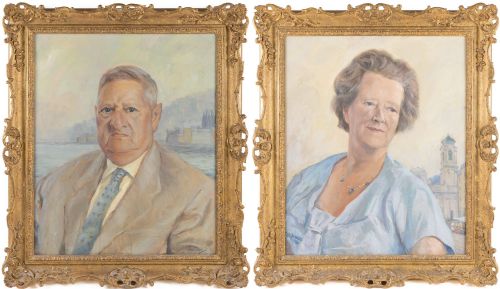
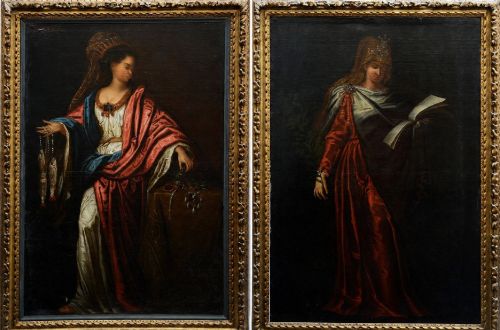
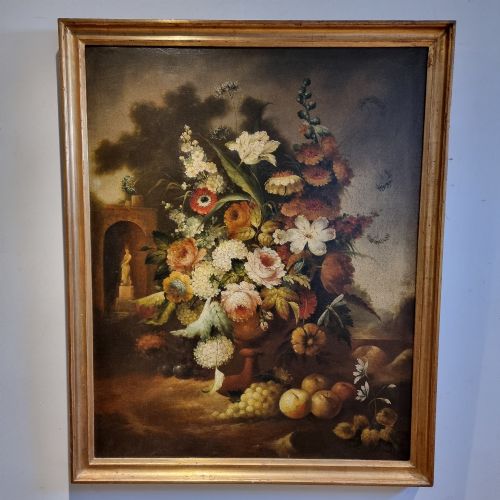
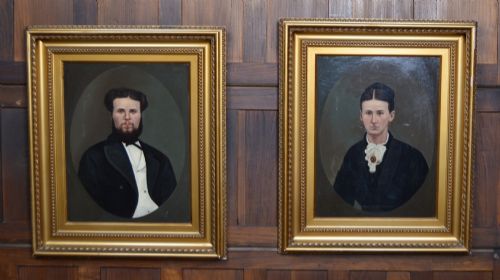
Pair framed oil artworks comprise two companion paintings designed to hang together, sharing a common subject, scale or hand. The pairings encompass classical mythology, maritime scenes, portraiture, still lifes and pastoral landscapes originating from the eighteenth, nineteenth and early twentieth centuries. Buyers encounter works executed on canvas, wood panels and board.
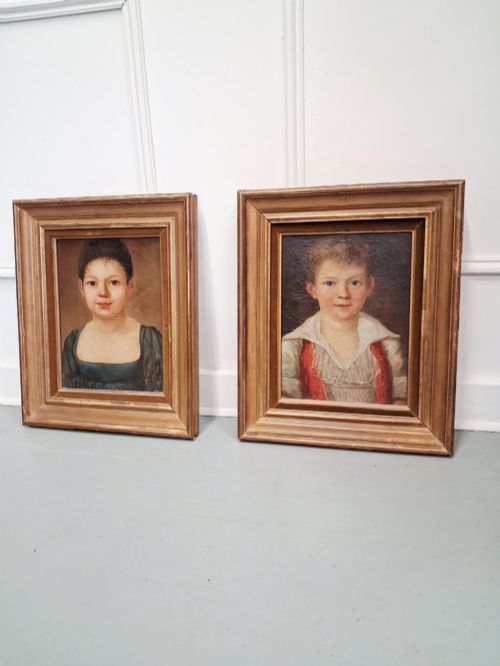
The selections span periods from the Georgian era through the Victorian and Edwardian decades, capturing diverse regional aesthetics including the Dutch Golden Age style and the Flemish School. Subjects range from detailed topographical landscapes and farmyard animals to formal portraits of children and adults. These matched compositions offer a balanced decorative arrangement for domestic interiors.
Materials and execution
Painters applied oil-based pigments onto woven canvas, prepared wooden panels or rigid board supports. The medium allowed for subtle gradations of tone and rich textures, particularly visible in marine vistas, still lifes and pastoral scenes. Artists built up compositions using layered brushwork that has survived centuries.
The surrounds employ timber frames finished with carved gesso, ornamental gilding with gold leaf or swept gilt designs. These enclosures protect the perimeters of the picture planes while complementing the visual weight of the paired paintings. The pairing of the frame with the canvas maintains the historical integrity of the piece.
The listings span the eighteenth, nineteenth and twentieth centuries, featuring canvases, wood panels and board supports within giltwood surrounds.
Judging quality in matched paintings
Quality rests upon the skill of the brushwork, the precision of anatomical or perspective rendering, and the harmony between the two companion pieces. Superior examples display confident handling of light and shadow, particularly in complex subjects like historical figures or turbulent seas. The condition of the original paint surface and the stability of the support dictate the overall standard.
The relationship between the paintings and their surrounds also influences the standard of the piece. Matching frames that retain their original gilding and gesso ornamentation enhance the presentation of companion works. When both the artwork and the housing show equal preservation and craftsmanship, the pair achieves a higher degree of historical completeness.
Charles-Antoine Coypel·W Klombeck·B Nash·Manuela Bonati·Robert Cleminson·Johann Friedrich Voltz·John Moore of Ipswich·Philip Rideout·Theodore Jensen·Claude Cardon·Abraham Hulk I·Alexander Rosell·John Grenville Fennell·Evelyn Chester·E H Windred·Gustave De Bréanski·Franz van Severdonck·Pieter Cornelis Dommersen·John Bell·John Frederick Herring Jnr·Adrian Van Porten
The Pair Framed Oil Artworks Glossary
- Giltwood
- Timber carved and coated with gold leaf or a gold-coloured finish. This material is frequently found on traditional picture frames.
- Gesso
- A plaster-like mixture applied to wooden frames as a base for moulding ornamental details and gilding. It provides a smooth surface for decorative work.
- Tondo
- A circular work of art, whether a painting or a relief. This format appears in nineteenth-century landscape and portrait compositions.
- Still life
- A painting featuring inanimate objects, such as fruit, flowers or household items. These compositions often demonstrate the artist's mastery of light and texture.
Pair Framed Oil Artworks: Frequently Asked Questions
Why were oil paintings created in pairs?
Artists produced companion pieces to hang symmetrically on either side of a architectural feature, mantelpiece or doorway. This balanced arrangement was a fundamental design choice in period interiors.
Commissioning or purchasing matching works also allowed patrons to tell a dual narrative, such as sunrise and sunset, or depictions of male and female sitters.
How do I care for framed oil paintings?
Keep the artworks away from direct sunlight and sudden fluctuations in temperature or humidity to protect the canvas and wooden supports. Gentle dusting with a soft, dry brush is sufficient for routine maintenance.
Avoid using liquid cleaners or chemical sprays on either the painted surface or the gilt surrounds. Professional conservation is recommended for any structural repairs to the canvas or frame.
What subjects are common in these pairs?
Marine scenes, pastoral landscapes, portraits and botanical still lifes appear frequently among matched works. These subjects reflected the domestic tastes and decorative aspirations of nineteenth and early twentieth-century collectors.
Classical themes and narrative portraits also recur, offering insight into the intellectual and cultural interests of the period.