
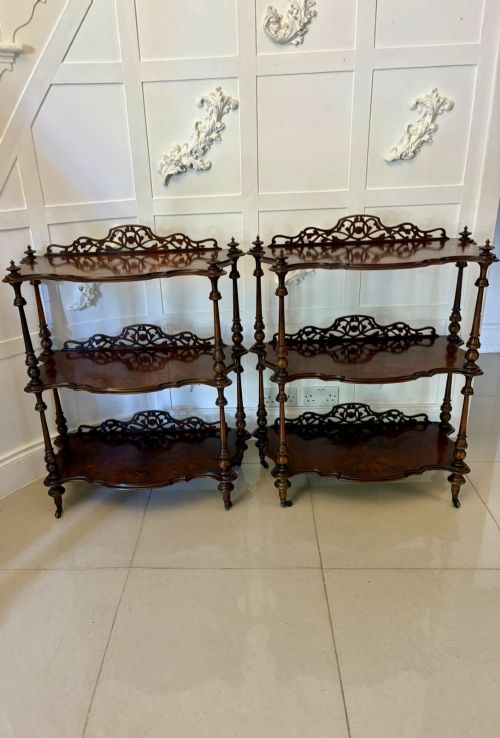
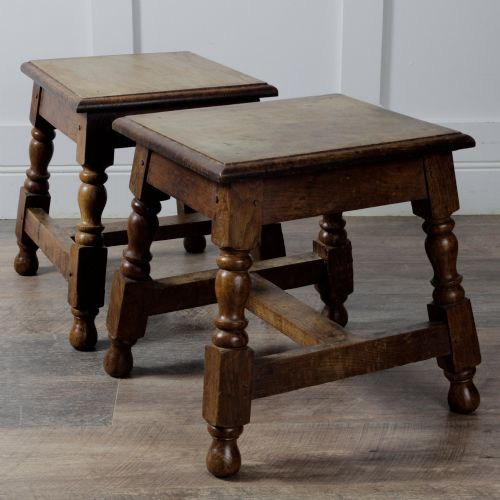
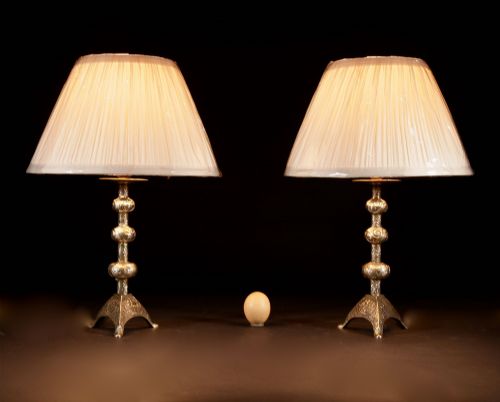
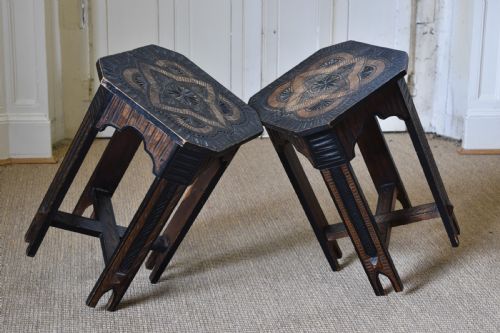
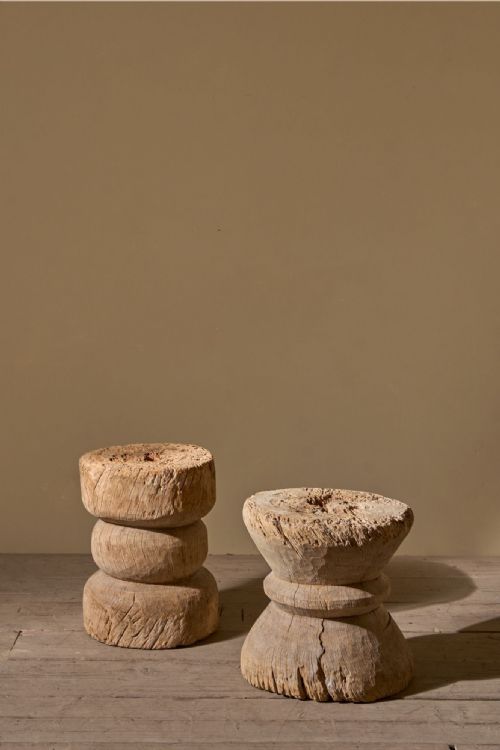
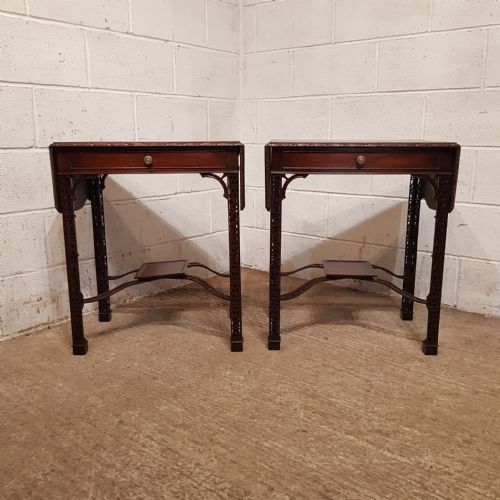
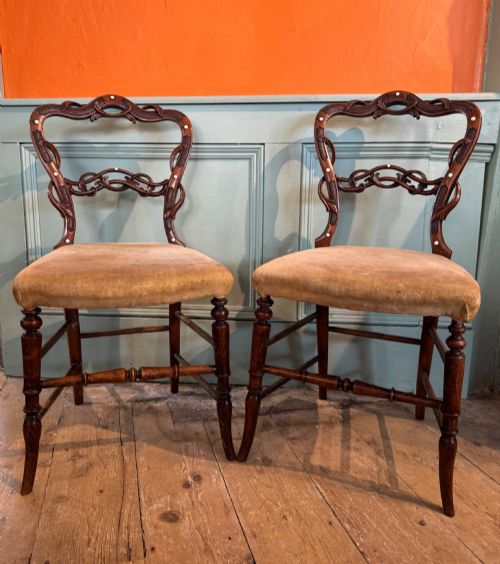
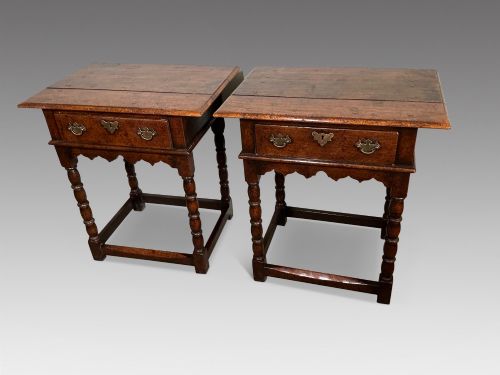


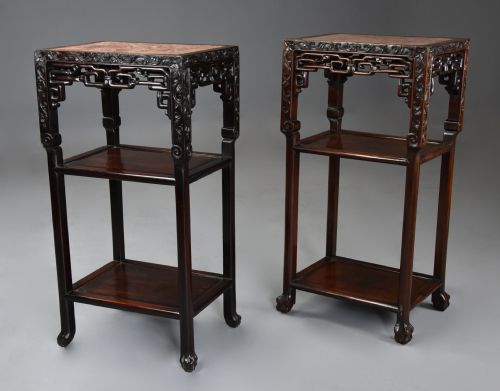
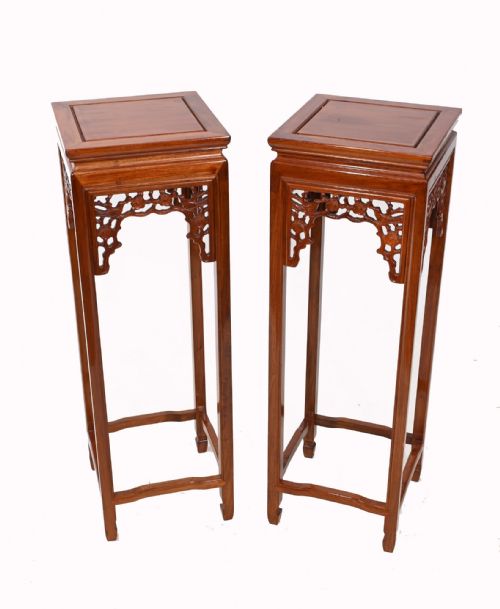


Pair Carved Accent Tables
Pair carved accent tables bring balanced proportion and hand-worked detail to a room, offering matching surfaces formed in diverse historical timbers.
Pair Carved Accent Tables
Pair carved accent tables comprise matching items designed to support objects or provide reachable surfaces in domestic spaces. These furnishings include side tables, wine tables, plant stands, and low tables produced across the nineteenth and early twentieth centuries.
The selection encompasses diverse stylistic origins, ranging from English oak and mahogany iterations to Chinese hardwood pedestal stands and Anglo-Indian designs. Buyers frequently encounter side tables and plant stands executed in solid timber with carved ornamentation.
Construction spans multiple decades including Victorian, Edwardian, and earlier revival periods, bringing distinct regional tastes together. Each matched set demonstrates coordinated dimensions and decorative motifs intended for placement as a pair.
How they were made
Construction relies heavily on traditional hardwoods such as mahogany, walnut, oak, and Asian hardwoods like huali and elm. Cabinetmakers shaped these timbers using hand tools, executing chip carving, turnings, and joinery suited to each specific form.
Surface treatments and secondary materials include marble tops, brass mounts, leather inserts, and red lacquer applied over timber substrates. Structural assembly often incorporates jointed frames or folding mechanisms depending on the regional origin and intended function.
Listings feature woods including mahogany, walnut, oak, and Asian hardwoods alongside marble and brass.
What varies in quality
The standard of execution in the carved ornamentation separates standard workshop output from finer productions. Crisp depth in chip carving or fluid lines in floral and scroll motifs indicate greater skill by the maker.
The selection of timber grain and the integrity of matched pairs dictate overall refinement. Uniformity in colour, density of the hardwood, and original surface preservation distinguish superior examples from heavily altered pieces.
Liberty & Co
The Pair Carved Accent Tables Glossary
- Chip carving
- A method of removing small chips from a wooden surface to create geometric or floral patterns. This technique is frequently seen on vernacular side tables.
- Huali
- A fragrant Chinese hardwood prized for its dense grain and durability. Makers utilised this material for intricately carved vase stands and tables.
- Joint stool
- A low wooden seat or stand constructed with pegged mortise and tenon joints. These sturdy items date back to seventeenth-century traditions.
- Demilune
- A half-moon shape used for console tables and small side pieces placed flat against a wall. This format saves floor space while providing a display surface.
Pair Carved Accent Tables: Frequently Asked Questions
How do I style pair carved accent tables?
Position them symmetrically on either side of a sofa or fireplace to balance a room's composition. Placing identical lamps or decorative objects on each surface reinforces the coordinated appearance.
Alternatively, separate the pair to link different corners of a larger open space through matching materials and carved details.
Were these tables originally used as plant stands?
Many examples originating from Chinese and Anglo-Indian workshops served primarily to elevate heavy porcelain urns, bronze vessels, or botanical specimens.
Their sturdy hardwood construction and modest surface areas were specifically proportioned to support heavy decorative items rather than daily dining or writing.
How can I tell the period of oak tables?
Examine the timber colour, tool marks left on the underside, and the construction methods used in the frame joints. Earlier nineteenth-century examples often display hand-sawn boards and pegged joinery.
Revival pieces from later decades imitate these historical styles but typically show mechanical saw marks and modern fixings upon closer inspection.
What is the difference between a wine table and a side table?
Wine tables generally feature a single central pedestal stem supported by tripod legs, designed for mobility and holding a single glass or bottle. Side tables utilise four legs and a fixed rectangular or octagonal top for general surface storage.
Both forms appear frequently as matched pairs across the Victorian and Edwardian eras.