
Small Carved Wooden Tables
Small carved wooden tables are compact occasional pieces fashioned from timber, offering versatile surfaces and subtle detail for period interiors.
Small Carved Wooden Tables
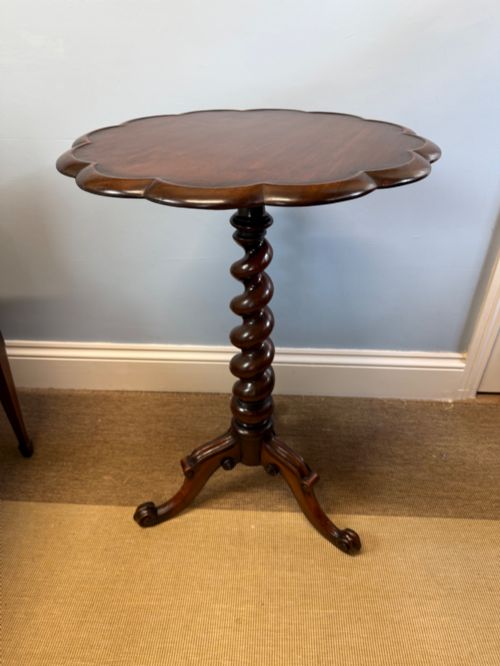
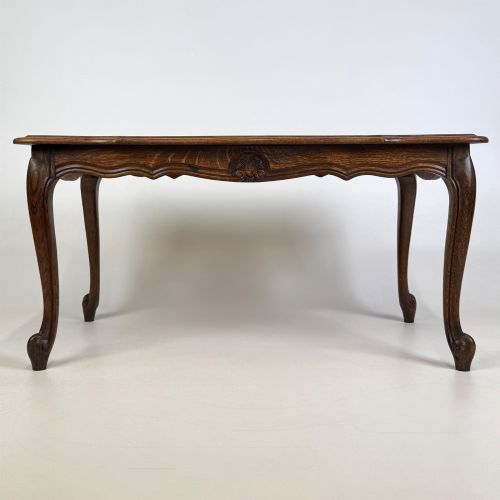
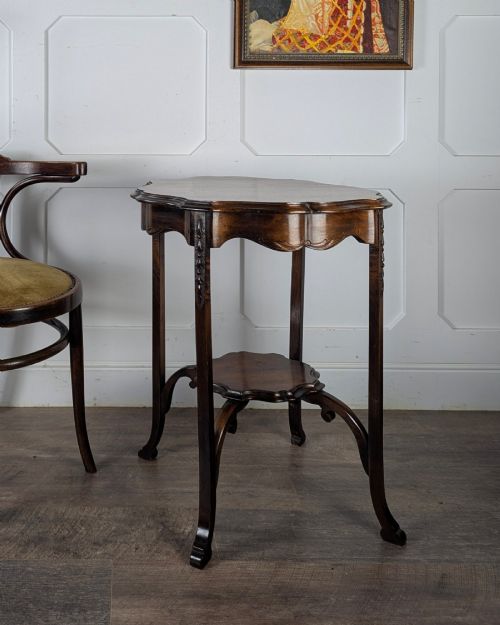
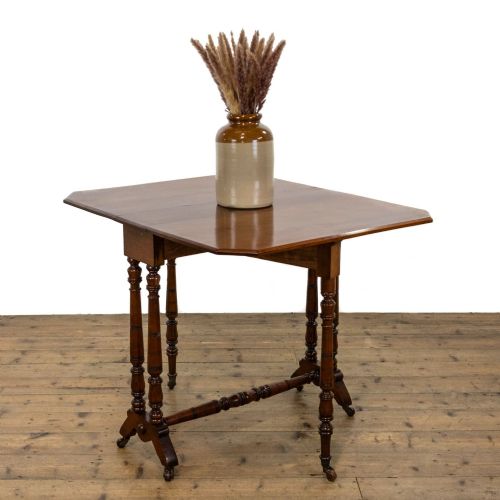
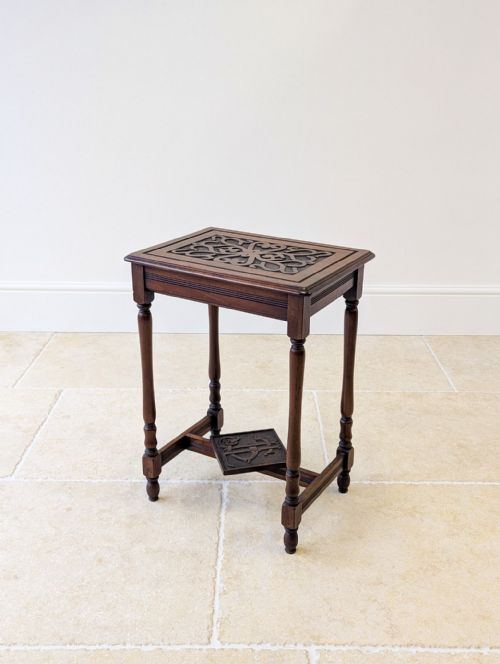
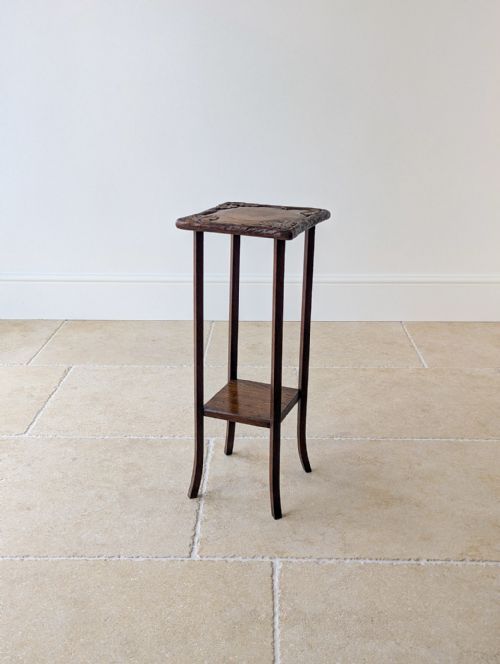
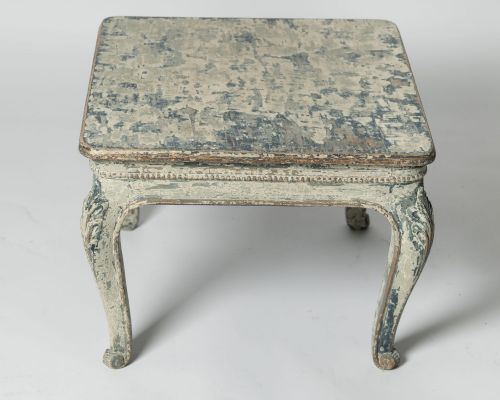
Small carved wooden tables appear across domestic spaces as side tables, occasional tables, wine tables, and plant stands. The forms emerge from periods spanning the Victorian and Edwardian eras, extending into the early decades of the twentieth century.
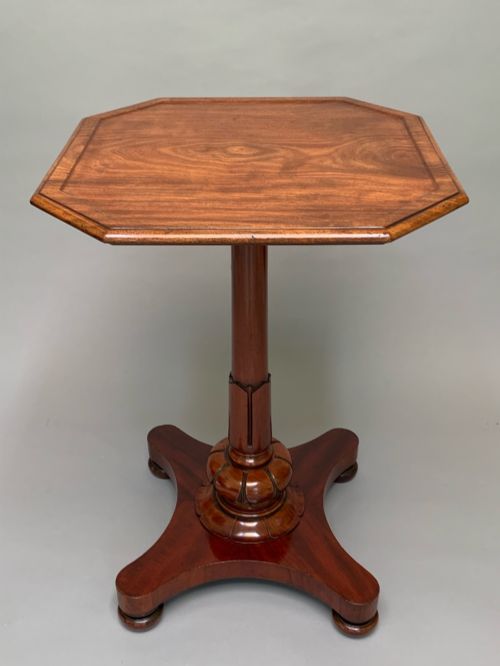
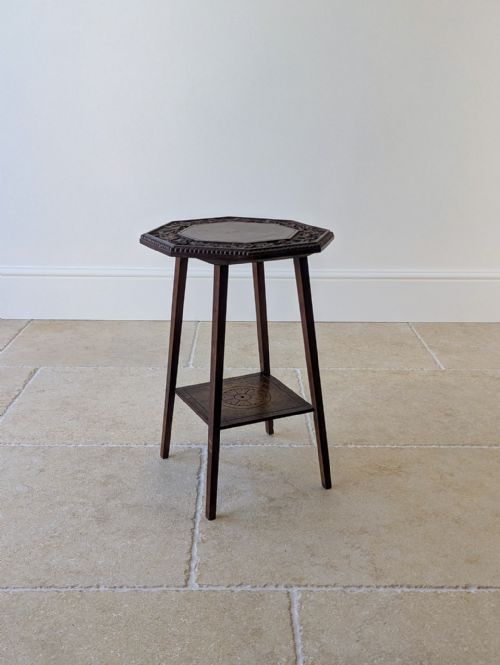
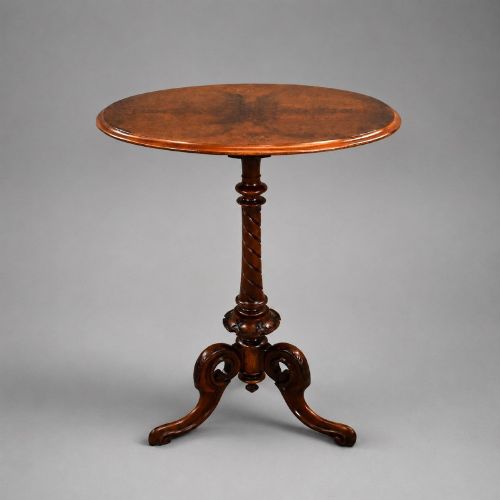
The buyer meets frequent examples in oak, walnut, and mahogany, shaped as tripod cricket tables, two-tier stands, or pedestal pieces. These versatile items function easily beside seating or in hallways as compact surfaces.
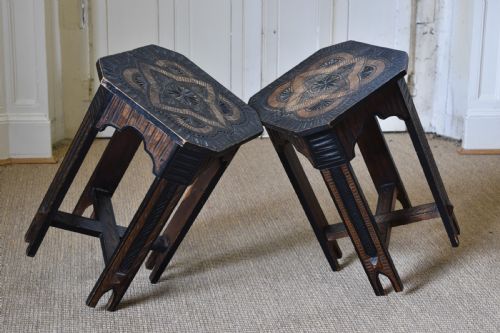
Origins stretch from English workshops to French provincial makers, drawing on styles such as Jacobean Revival, Arts and Crafts, and Georgian Revival. Pieces range from simple chip-carved tripod designs to elaborate burr walnut pedestal tables.
Materials and Technique
Construction relies primarily on hardwoods such as oak, mahogany, and walnut, occasionally enhanced by burr walnut veneers or brass and iron fittings. Timber is selected for grain and durability, forming solid tops, turned legs, and sturdy frames.
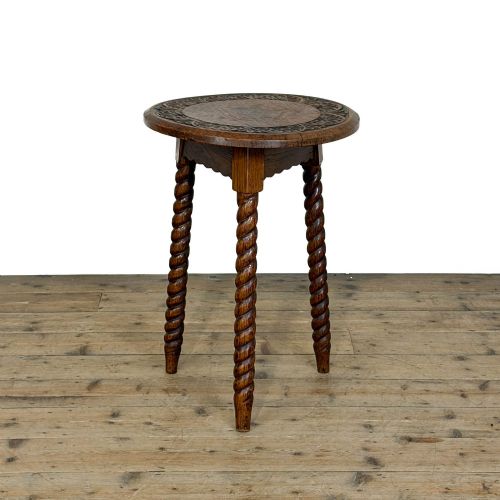
Surface ornamentation employs hand techniques including chip carving, linenfold panels, and barley twist turnings. Joinery is traditional, securing legs to table tops and shelves with pegged mortise and tenon joints or sturdy central pedestals.
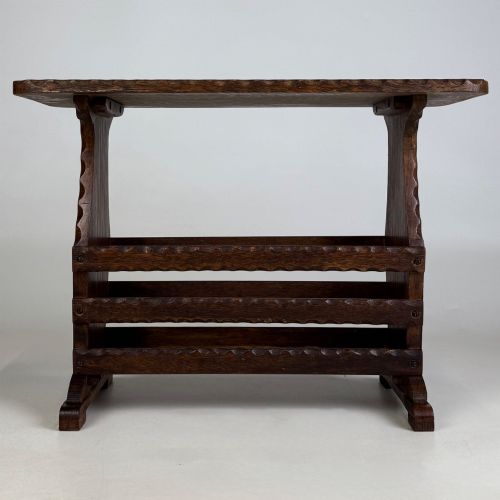
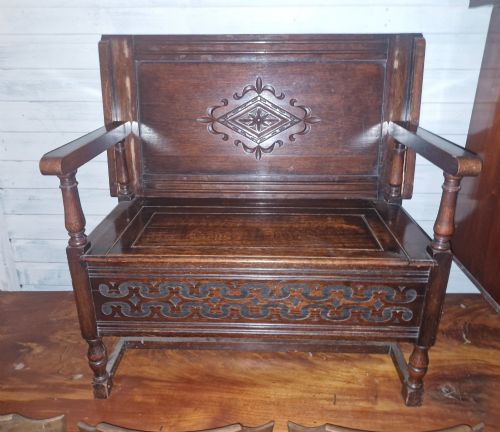
Some tiny tables double as magazine racks or hide a lift-up seat, proving our ancestors loved multitasking furniture just as much.
Evaluating Quality
Quality rests upon the crispness of the hand carving and the selection of timber figures, such as burr walnut or figured mahogany. Superior pieces exhibit balanced proportions, tight joinery, and thoughtful integration of decorative elements like bobbin turnings or chip-carved borders.
The refinement of the turning, the stability of the tripod or pedestal base, and the preservation of original surfaces distinguish finer examples. Lesser versions show mechanical execution or simplified construction lacking individual character.
The Small Carved Wooden Tables Glossary
- Chip carving
- A method of removing small chips from a wooden surface to create geometric patterns. This technique decorates table tops and borders on Victorian and Edwardian examples.
- Tripod table
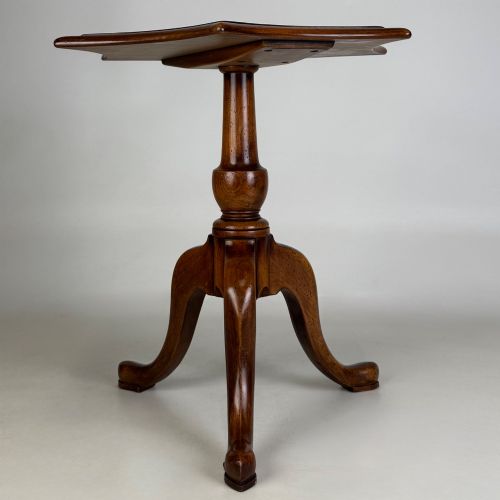
- A small freestanding table supported by a central pillar resting on three legs. These versatile pieces allow compact placement beside chairs.
- Barley twist
- A type of turning shaped to resemble a twisted rope or column. It appears frequently on the legs and pedestals of Victorian walnut tables.
- Occasional table
- A small, movable table designed for intermittent use in a principal room. They serve various functions from holding lamps to displaying plants.
- Pembroke table
- A drop-leaf table with hinged flaps on two opposing sides. These tables offer adjustable surface area within a small footprint.
- Cricket table
- A small, light round table supported by three splayed legs. The design provides stability on uneven floors.
Small Carved Wooden Tables: Frequently Asked Questions
What rooms suit small carved wooden tables?
These compact pieces fit easily beside armchairs, beside beds, or within narrow hallways as functional surfaces. Their modest proportions allow them to occupy awkward corners without crowding a room.
They serve effectively as lamp tables, plant stands, or occasional writing desks. The variety of wood tones ensures compatibility with diverse interior schemes.
How do I identify an Edwardian carved table?
Edwardian examples often feature lighter timbers such as oak or walnut, sometimes incorporating Arts and Crafts movement motifs. Carving tends to be crisp and geometric, reflecting the tastes of the early twentieth century.
Construction methods remain sturdy yet refined, utilising turned legs or two-tier configurations. These pieces prioritize domestic utility alongside modest decorative carving.
What is a wine table used for?
Wine tables provide a small, movable surface designed originally to hold glasses or bottles during social gatherings. Their elevated tops and stable tripod bases prevent tipping.
Today, they function primarily as lamp stands or display surfaces in sitting rooms. Their slender profiles make them simple to reposition.
How do I care for antique wooden tables?
Maintain timber surfaces by dusting regularly with a soft, dry cloth and avoiding excessive moisture. Natural waxes help nourish the wood grain and protect the original finish.
Keep tables away from direct heat sources and strong sunlight to prevent warping or fading. Gentle handling preserves the integrity of older joints and carved details.