







Pair Blue White Jars
Pair blue white jars bring enduring contrast to a room, offering symmetrical display through centuries of ceramic tradition.
Pair Blue White Jars
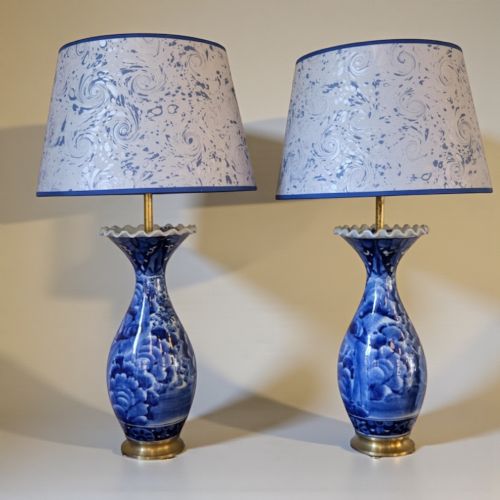
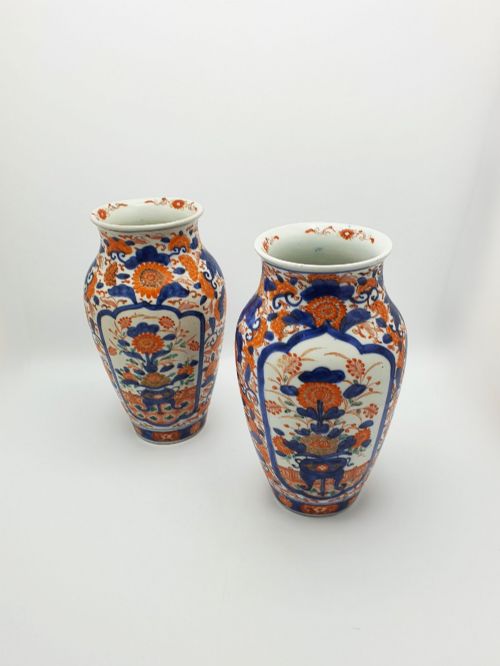
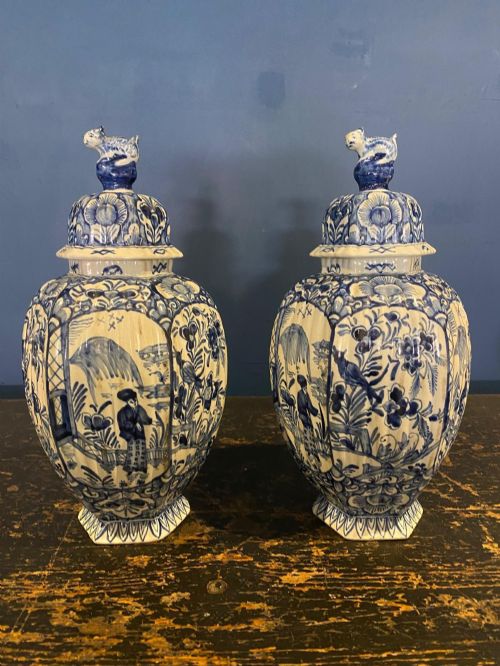
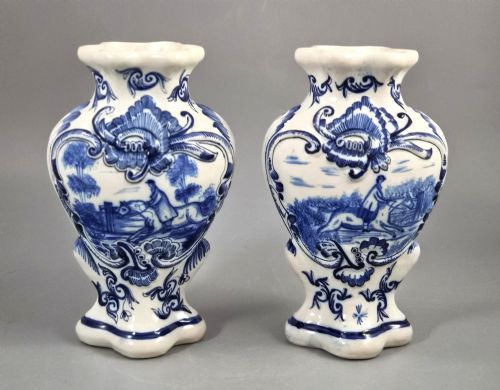
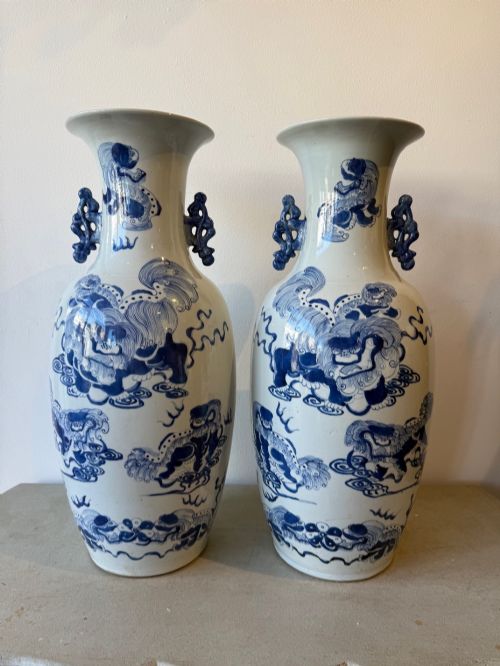
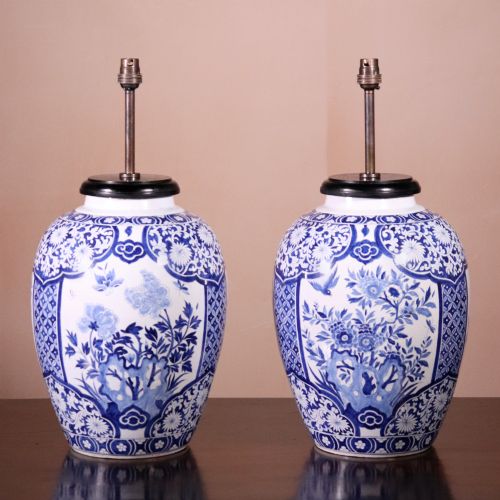
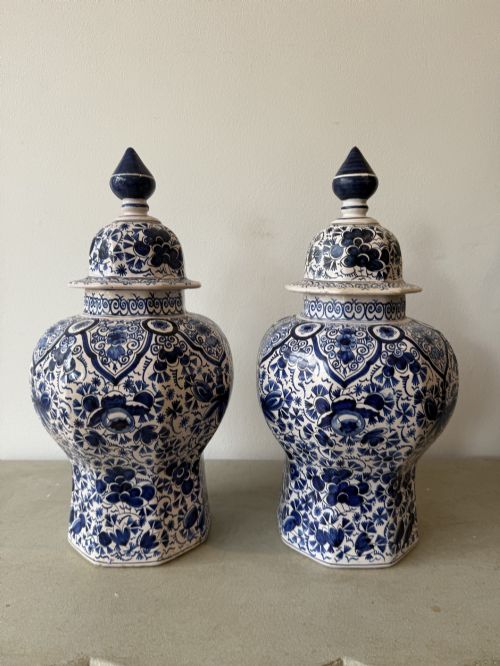
When you search for pair blue white jars, you encounter matching vessels designed for display, storage, or lighting across multiple centuries. The selection centres heavily on Chinese porcelain ginger jars and ovid forms alongside European delftware, faience, and majolica.
You meet 17th-century Japanese Arita wares, 18th-century Dutch delft jars, and 19th-century French faience urns sitting alongside later adaptations converted into table lamps. Lidded jars and covered vases dominate the forms, offering balanced symmetry for mantelpieces and side tables.
How they were made
Potters shaped these vessels from clay bodies including porcelain, earthenware, and ironstone, applying mineral pigments beneath translucent glazes. Cobalt oxide provided the enduring blue pigment, yielding varied depths of tone during high-temperature kiln firings.
Makers utilised tin glaze on earthenware bodies to create an opaque white surface for painted decoration, as seen in Dutch delftware and Italian majolica. Other pieces relied on porcelain or crackleware bodies finished with cobalt glaze and enamel highlights.
Pair Blue White Jars Retail Price Guide 2026
Typical asking prices for pair blue white jars among the pieces listed under this phrase on Sellingantiques today, from the lower quarter to the upper quarter. They describe what is for sale here now, not the wider market.
Apothecary jars once guarded dubious remedies like crushed pearls and earthworms, smelling faintly of ancient herbs across the centuries.
What varies in quality
Quality rests in the crispness of the cobalt painting, the purity of the white ground, and the precise matching of the two vessels in a pair. Superior pieces display fluid brushwork and stable glazes without distracting kiln blemishes.
The sophistication of the form and the fidelity of the period style dictate the standing of a pair. Retaining original matching covers significantly elevates a set, as many jars survive separated from their original lids over centuries of handling.
Fourmaintraux-Courquin·Mason's Ironstone
The Pair Blue White Jars Glossary
- Albarello
- A cylindrical drug jar used in apothecaries to store herbs and ointments. These earthenware vessels often feature waisted centres for secure gripping.
- Ginger jar
- A wide-shouldered ceramic vessel originally used for shipping spices and preserved ginger. They commonly feature high shoulders and flat bases.
- Tin glaze
- An opaque white metallic glaze containing tin oxide applied to earthenware. It provides a smooth canvas for painted cobalt decoration.
- Crackleren
- A decorative glazing technique that produces a network of fine cracks across the ceramic surface. This intentional effect mimics ancient porcelain faults.
Pair Blue White Jars: Frequently Asked Questions
How were these jars used historically?
These vessels originally served as functional storage containers for dry goods, medicines, spices, and tea leaves. Many larger examples functioned purely as decorative ornaments in wealthy interiors.
Over time, owners repurposed them as mantelpiece displays or adapted them into table lamps while retaining their decorative symmetry.
How do I distinguish 17th century pieces from 19th century copies?
Seventeenth-century pieces display the specific raw mineral impurities, glaze pooling, and hand-ground cobalt tones characteristic of early kilns. potting techniques and footrim finishes also reveal the age of the clay body.
Nineteenth-century revival pieces often employ mechanically refined pastes and brighter, more uniform blue pigments under steadier glazes.
Can I use these jar lamps safely today?
Many pairs converted into lamps in the twentieth century operate with modern electrical fittings. You should have a qualified electrician inspect older wiring before plugging them in.
Care must be taken to ensure the ceramic body was not overly altered during the initial conversion process.
Why do some jars lack their original covers?
Lids were easily separated, dropped, or broken during centuries of handling, washing, and moving between rooms. Finding a matching pair with both original covers intact remains less common.
Many surviving jars served alternate functions or retained only their bodies after centuries of domestic use.