


Pair Wooden Beds
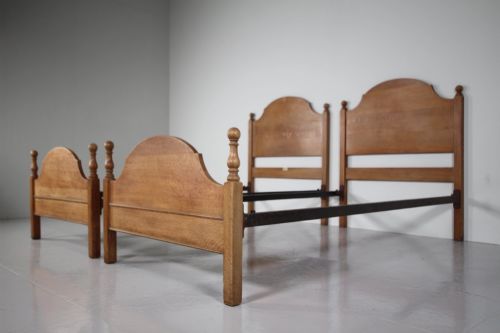
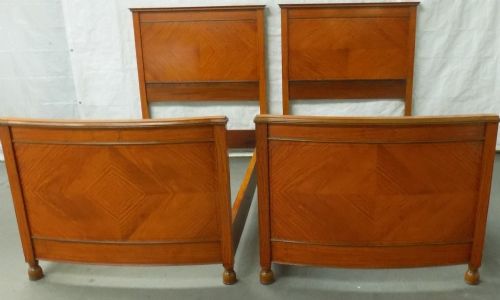
Pair antique wooden beds offer symmetrical sleeping arrangements, uniting timber craftsmanship with historical character for a traditional bedroom scheme.
Pair Wooden Beds
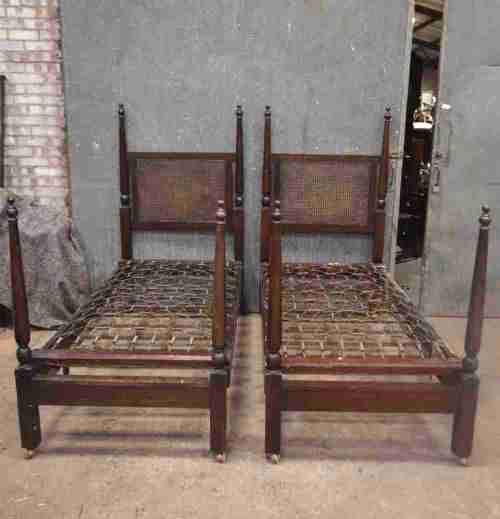
Pair antique wooden beds comprise matching sleeping frames constructed from various timbers across multiple historical periods, designed to create a cohesive bedroom layout. When searching for pair antique wooden beds, buyers encounter single bedframes, bedsteads, and four-poster configurations originating from the nineteenth and early twentieth centuries.
The selection encompasses Edwardian examples alongside earlier Georgian and Victorian iterations, frequently featuring integrated headboards and footboards. Common timber species include mahogany, oak, walnut, and satinwood, occasionally complemented by applied marquetry or carved detailing.
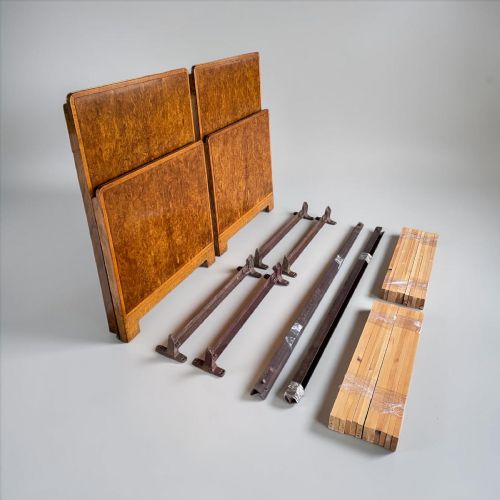
Makers such as Heal and Son appear among the listings, providing labelled examples of Edwardian single beds in oak and walnut. Alongside these, continental pieces and French styles manifest in painted finishes or burr walnut veneers.
Materials and construction methods
Carpenters utilised solid hardwoods such as mahogany, oak, and walnut to build structural frames, employing traditional joinery methods to ensure stability. Timber surfaces frequently received carved ornamentation, inlaid banding in satinwood, or parquetry patterns.
Upholstered elements utilise leather or fabric inserts, while specific designs incorporate woven cane panels or painted decorative schemes. Metal components like brass and iron appear in auxiliary fastenings and structural supports.
Listings span periods from the Georgian era through Victorian, Edwardian, and Art Deco times, utilising woods like mahogany, oak, walnut, and satinwood.
Assessing craftsmanship and condition
Superior examples demonstrate crisp carving, tight joinery, and high-grade timber selection, such as figured mahogany or burr walnut. The presence of maker labels from firms like Heal and Son elevates historical interest.
Modest specimens rely on simpler construction without distinctive stylistic detailing or documented workshop attributions. The integrity of the original timber and the subtlety of inlay work determine the overall standing of each bedframe.
Heals·Heal & Son·Heal's
The Pair Wooden Beds Glossary
- Bedstead
- The framework of a bed, comprising the headboard, footboard, and side rails. This term frequently appears in historical listings for antique sleeping furniture.
- Bergere
- A closed-arm upholstered armchair or bed component featuring canework panels. In bed design, this refers to woven wicker or rattan inserts within the wooden headboard or footboard.
- Marquetry
- Decorative veneer work formed by fitting together small pieces of wood, shell, or ivory to create geometric or pictorial designs. Craftsmen apply these patterns to the visible wooden surfaces of headboards.
- Parquetry
- A geometric mosaic of wood pieces used for decorative floors or furniture panels. It provides a patterned surface across large wooden areas on specific bedframes.
- Panelled
- Construction method where flat wooden sections are inset within a sturdier surrounding frame to prevent warping. This technique appears frequently on Edwardian headboards.
Pair Wooden Beds: Frequently Asked Questions
How do I measure for antique single beds?
Antique single bed dimensions frequently differ from modern standard mattress sizes, requiring careful measurement of the internal wooden frame before purchasing custom mattresses. Side rails and headboard clearances need adequate space within standard bedroom layouts.
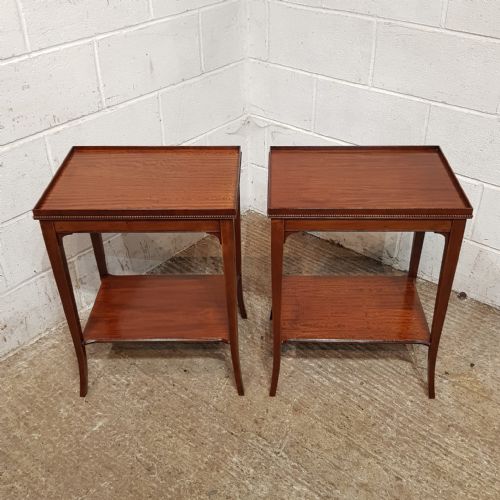
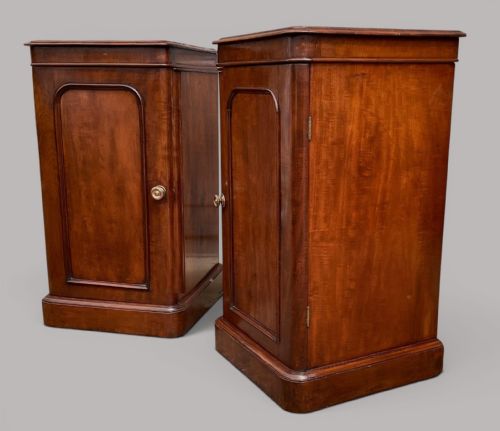
Siting twin beds symmetrically requires accounting for matching bedside tables or pedestals which frequently accompany these groupings in historical configurations.
Can I use modern mattresses on antique wooden beds?
Most antique wooden bedframes accommodate contemporary mattresses provided the internal length and width match standard proportions. Slatted wooden bases or modern metal supports can be integrated discreetly within the antique rails.
Custom mattress makers can construct pieces tailored precisely to unusual historical dimensions found in older French or Edwardian bedframes.
How do I care for antique wooden bedframes?
Maintenance involves dusting timber surfaces regularly with a soft, dry cloth and applying appropriate beeswax sparingly to nourish older finishes. Direct sunlight and proximity to radiators must be avoided to prevent the wood from drying and splitting.
Checking structural joints periodically ensures that bolts and fixings remain secure during everyday use.
How do I identify Edwardian wooden beds?
Edwardian beds often feature lighter timbers such as satinwood inlay, mahogany, or oak, reflecting the decorative preferences of the early twentieth century. Labelled examples by makers like Heal and Son provide definitive attribution.
Proportions tend to be lighter than heavy Victorian equivalents, incorporating stylistic references to earlier Georgian or Queen Anne designs.