
Painted Wooden Wall Art
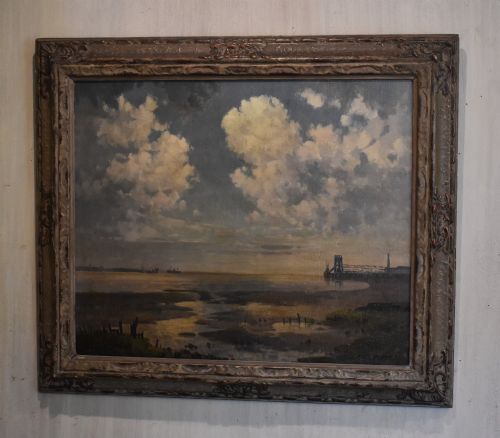
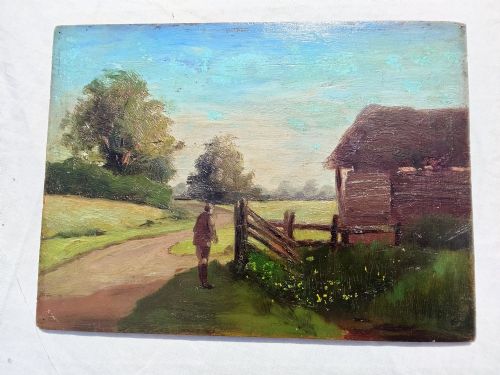
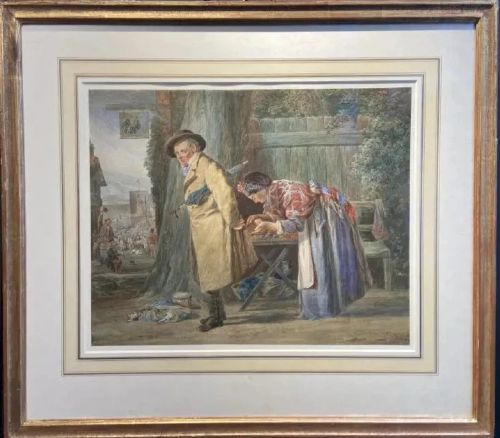
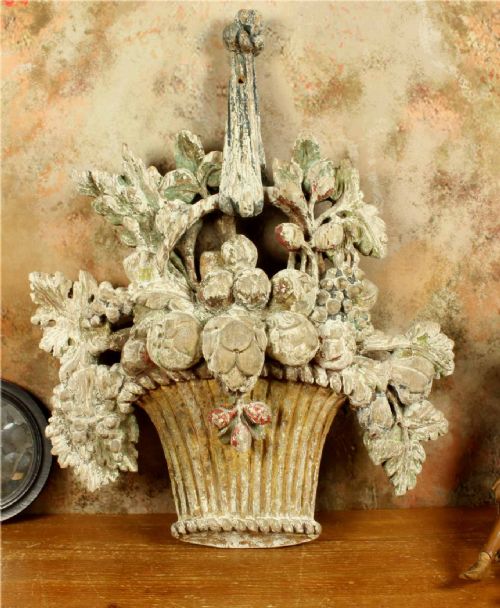
These painted wooden wall art pieces span centuries of folk tradition, maritime craft and fine portraiture.
Painted Wooden Wall Art
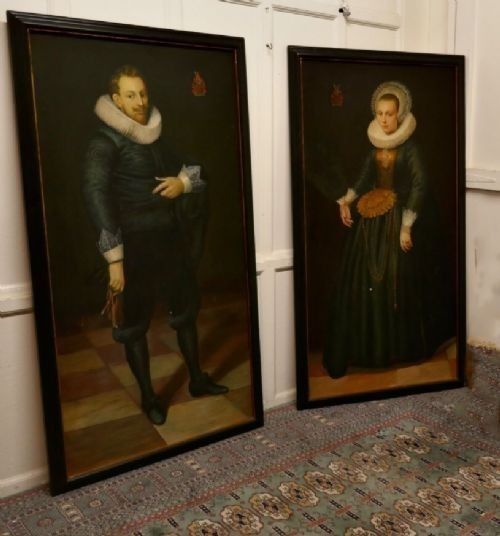
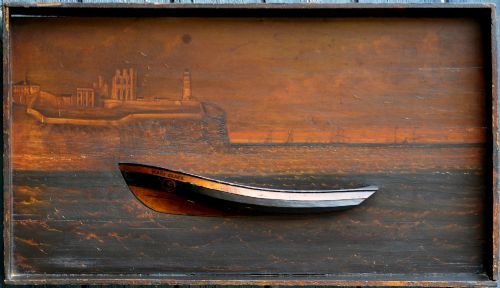
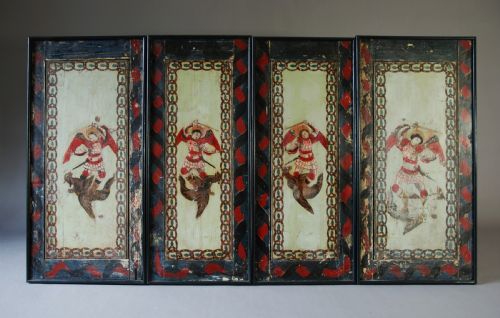
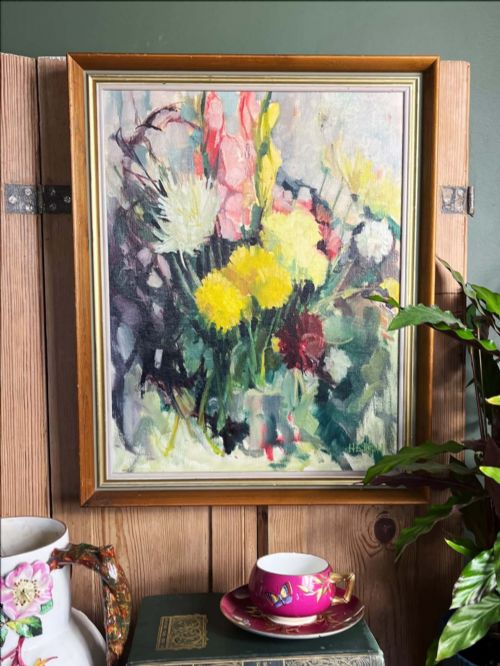
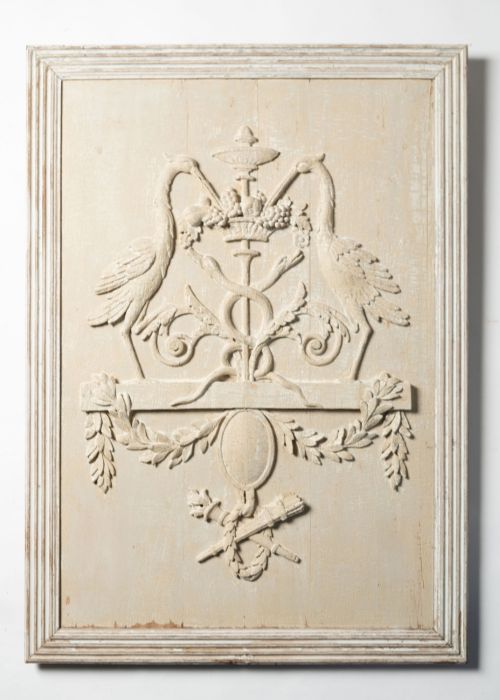
When you search for painted wooden wall art, you encounter a diverse range of objects spanning the seventeenth through the mid-twentieth centuries. The selections on this page are most commonly represented by nineteenth-century maritime panels, devotional or decorative pine panels, and carved wooden reliefs.
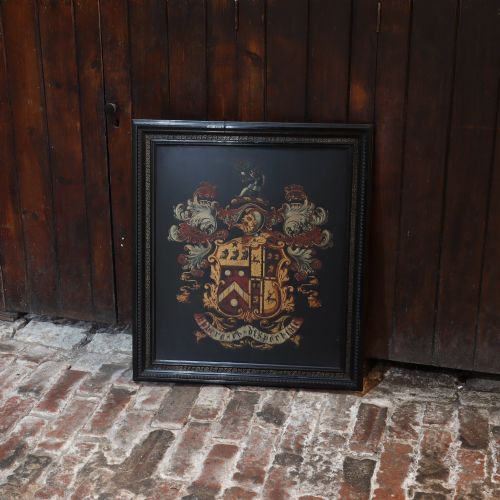
Makers utilised rigid supports ranging from solid pine and oak panels to wooden boards and framed canvases. Many of these items originate from British and European traditions, incorporating folk art, heraldry, and coastal scenes.
The category also encompasses functional household items embellished with pigment, such as painted coat racks, wall cabinets, and decorative shelves. These domestic pieces combine utility with illustrative surface decoration from the Georgian and Edwardian eras.
Materials and construction methods
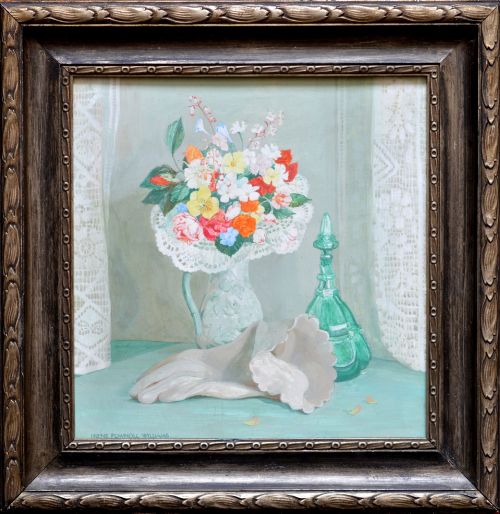
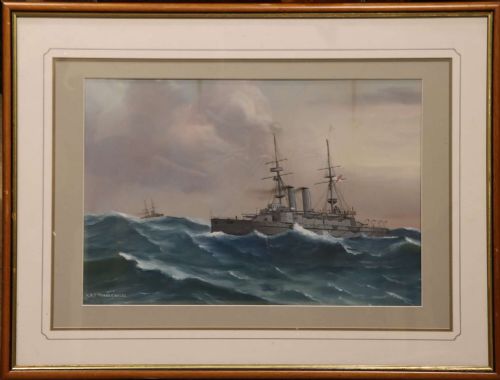
Makers prepared wooden surfaces using pine, oak, and various other hardwoods, sometimes applying carved relief details directly to the timber before painting. Pigments included oil paint, tempera, and gouache, often layered onto panels or wooden boards to create durable wall displays.
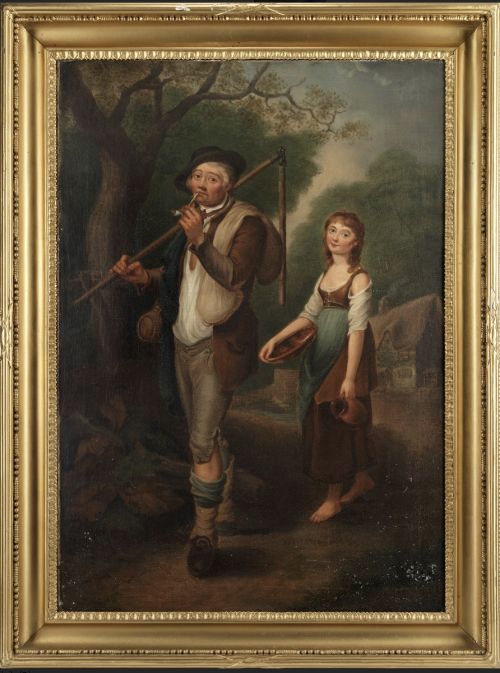
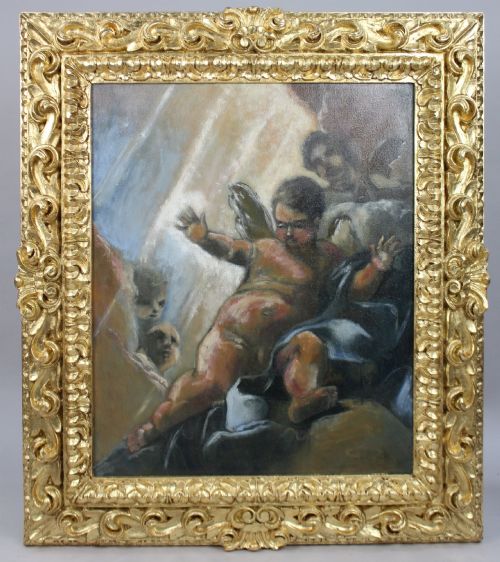
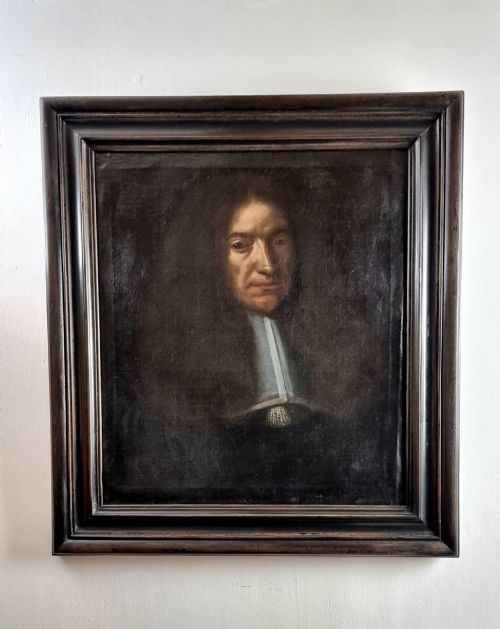
Maritime dioramas and ship models incorporated mixed media within wooden boxes, combining painted backgrounds with glass, paper, and carved wooden vessels. Frames were frequently carved from giltwood or ebonised timber to complement the central painted composition.
Listings feature works spanning the 17th, 18th, 19th, and 20th centuries, utilising oil paint, watercolour, and carved wood.
Assessing quality and execution
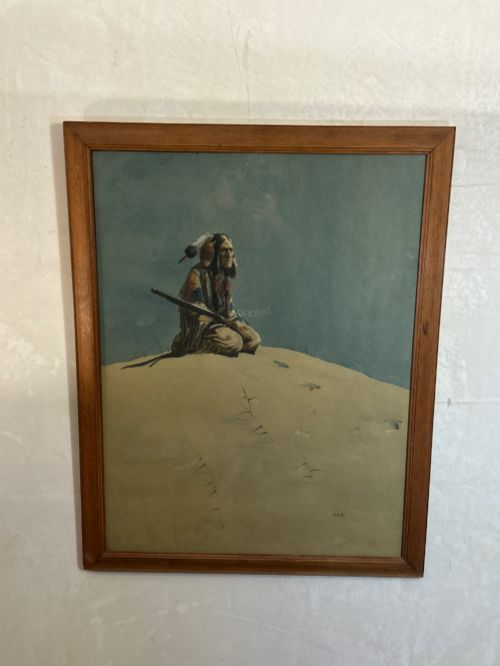
The distinction between ordinary items and superior examples lies in the precision of the brushwork and the originality of the surface pigment. Naively executed folk pieces possess charm through their simplicity, whereas fine art panels demonstrate advanced draughtsmanship and anatomical proportion in portraiture.
Preservation of the original paint layer dictates the integrity of the piece, with untouched historical surfaces holding greater historical weight than later overpainting. The complexity of the wooden support, such as deep hand-carving or complex diorama construction, separates standard boards from masterworks.
Irene Christobelle Pownoll Williams·John Hassall·Thomas Barker of Bath·Clive Browne·Joseph H Barnes·F. Corpuza·Herbert Gustave Schmaltz·F.J. Snell
The Painted Wooden Wall Art Glossary
- Tempera
- A permanent, fast-drying painting medium consisting of coloured pigment mixed with a water-soluble binder, commonly used on wooden panels.
- Diorama
- A three-dimensional scene enclosed in a box, frequently utilised in maritime pieces to display sailing ships against painted backgrounds.
- Gouache
- An opaque water-based paint method that provides solid areas of colour, often found on historical watercolours and painted panels.
- Heraldic
- Pertaining to coats of arms and familial lineage, frequently painted onto wooden coach panels or ceremonial boards.
Painted Wooden Wall Art: Frequently Asked Questions
How do I hang a heavy wooden panel safely?
Heavy wooden panels require robust wall fixings anchored directly into masonry or wall studs to support the weight of the timber and frame.
Ensure that wire or mounting brackets on the back of the panel are securely fastened to the wood before hanging.
Were these painted panels originally meant for walls?
Many painted wooden items served structural or decorative functions in domestic interiors, coaches, or ships before being adapted for wall display.
Items such as heraldic coach panels and cupboard doors were repurposed from their original contexts over the centuries.
How do I clean old painted wood safely?
Dust historical painted surfaces gently with a dry, soft brush to remove surface particles without disturbing fragile pigments.
Avoid liquid cleaners, chemical solvents, or excessive moisture, as older oil paints and tempera can lift or dissolve easily.
Can I date a piece by the type of wood?
Pine and oak were utilised across multiple centuries, but tool marks, joinery methods, and nail types provide clearer chronological indicators.
Examining the back of the wooden board often reveals historical preparation techniques characteristic of specific periods.