

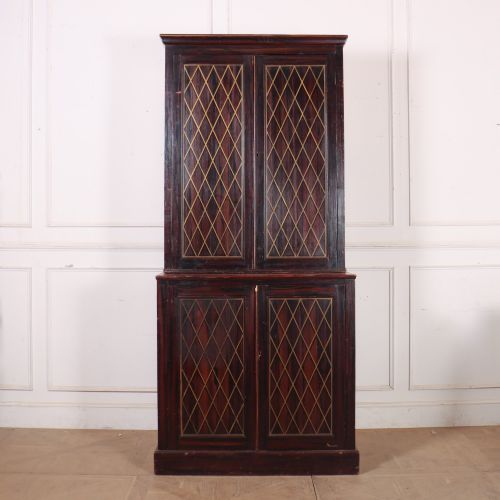
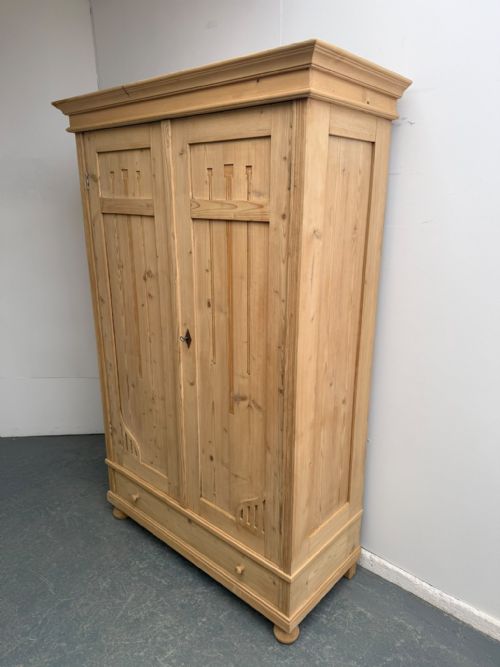
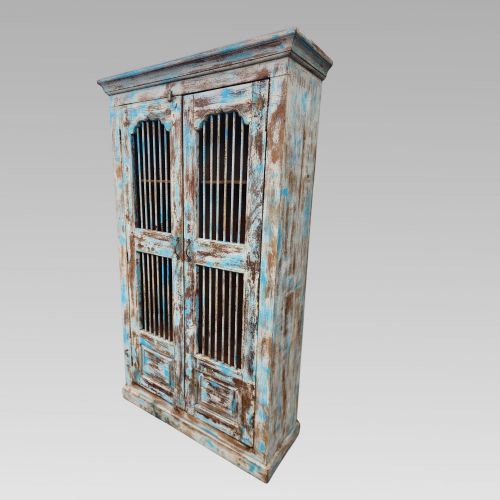
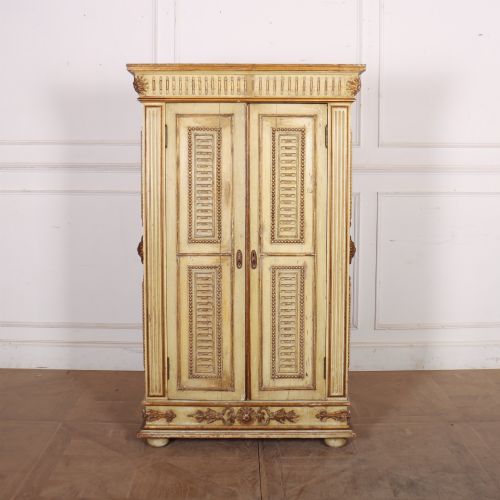
Painted Wooden Press
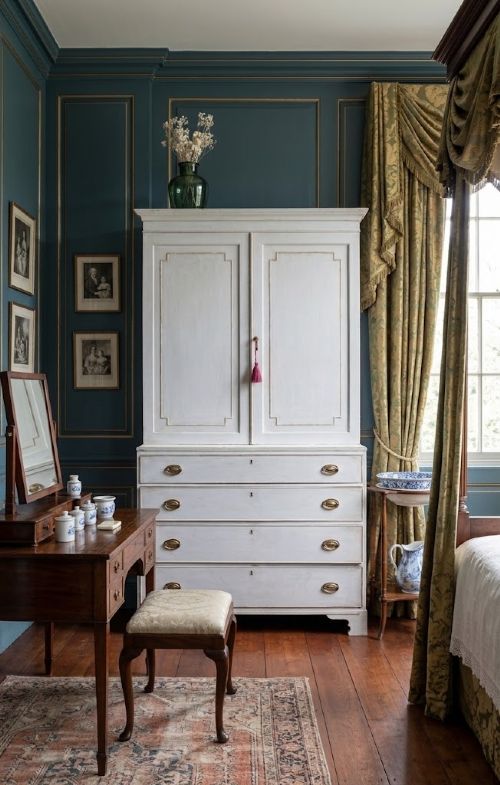
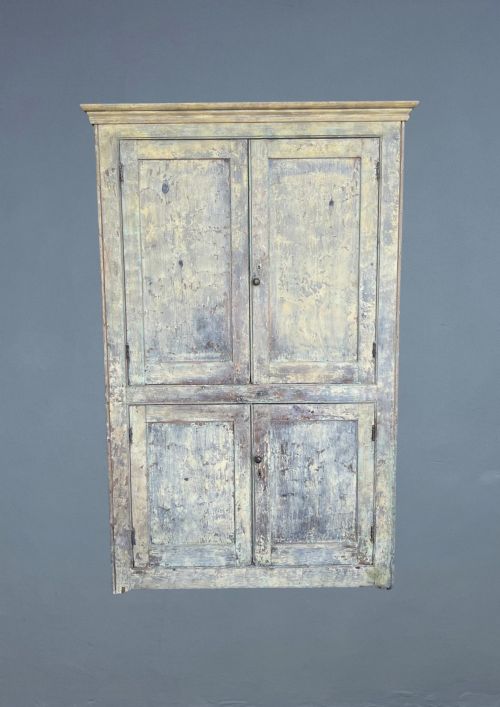
A painted wooden press brings honest country utility into a room, offering deep storage wrapped in layers of historic colour.
Painted Wooden Press
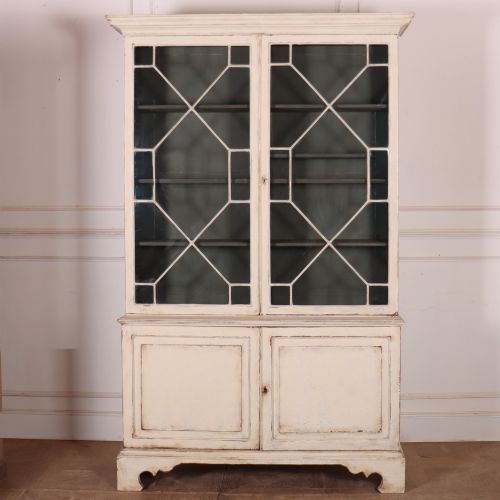
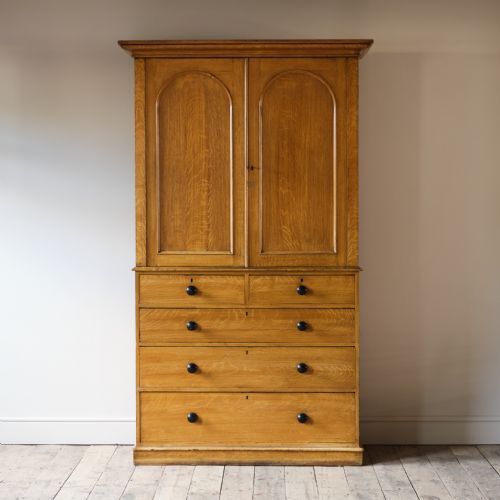
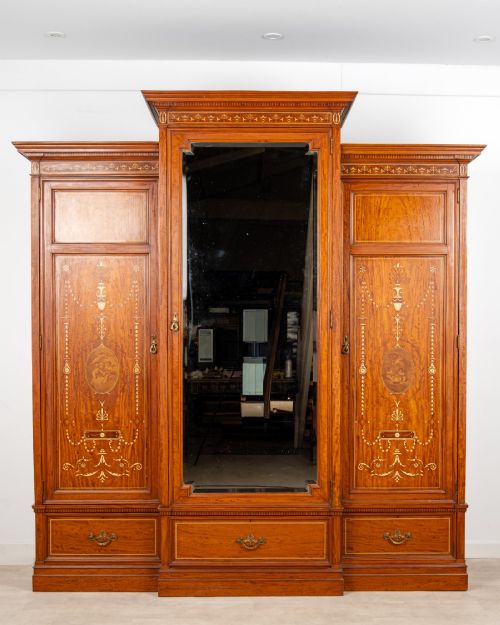
A painted wooden press serves as a large storage cabinet, wardrobe, or linen cupboard designed to keep textiles and household goods ordered and protected.
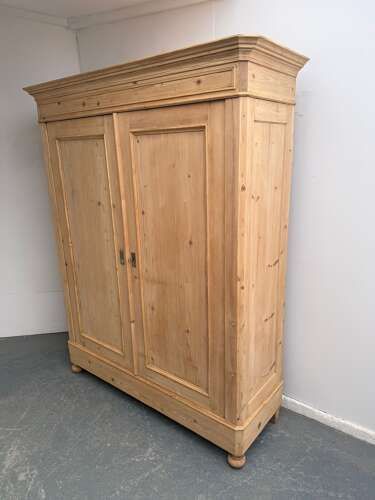
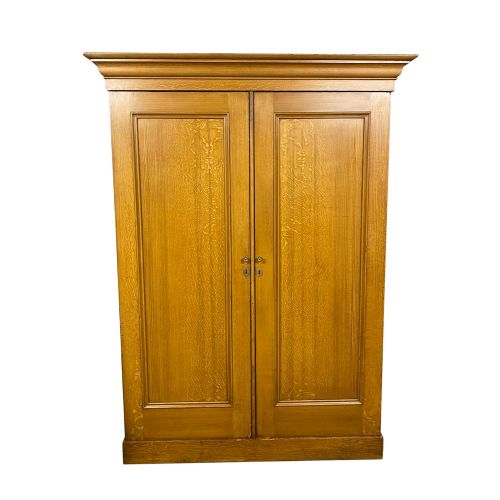
Buyers searching for a painted wooden press most frequently encounter nineteenth-century pine examples from English, Scandinavian, and Hungarian origins, often configured with shelves or hanging space behind double doors.
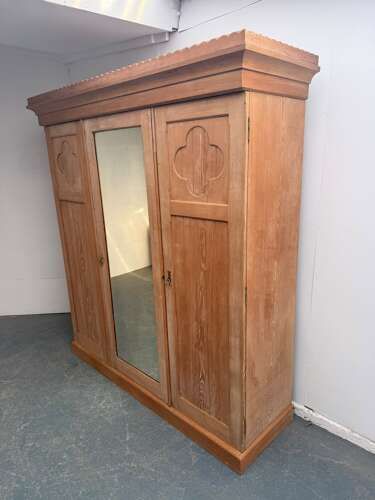
The category spans tall housekeeper cupboards and modular knockdown wardrobes, reflecting the domestic storage needs of Georgian, Victorian, and Edwardian households.
How they were made
Makers built these pieces primarily from solid pine, ash, and oak, utilising sturdy joinery designed to withstand decades of daily domestic service.
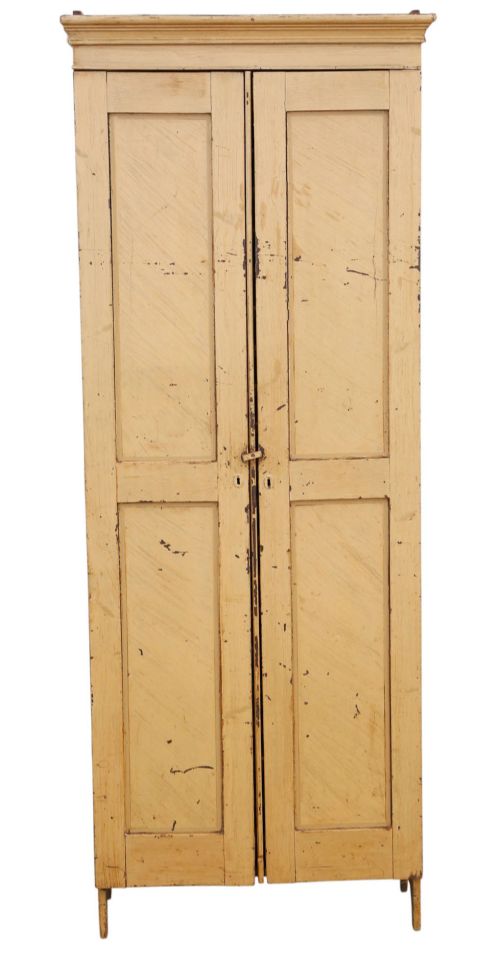
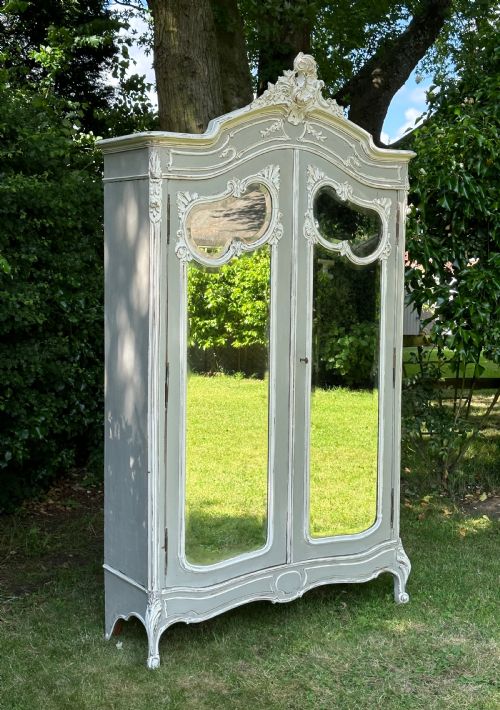
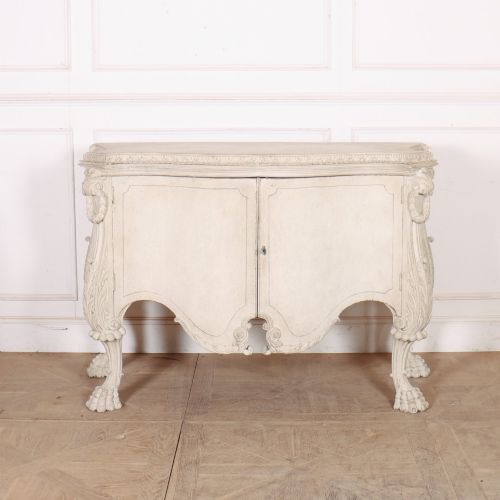
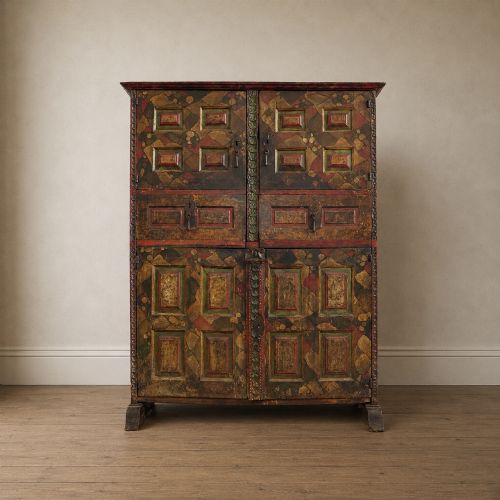
Surfaces received layers of protective and decorative pigment, ranging from original scumble faux oak finishes and polychrome schemes to simple cream or blue paint coats.
Functional hardware such as iron and brass hinges, latches, and occasional glass panels completed the construction of these substantial storage units.
Painted Wooden Press Retail Price Guide 2026
Typical asking prices for painted wooden press among the pieces listed under this phrase on Sellingantiques today, from the lower quarter to the upper quarter. They describe what is for sale here now, not the wider market.
Several cupboards retain subtle pencil marks left by joiners on hidden panel edges to guide assembly during knockdown transit.
What varies in quality
The integrity of the original paint surface largely defines the character and desirability of a piece, separating untouched historic finishes from later decoration.
Proportion and scale distinguish the range, with well-balanced proportions and refined architectural cornices marking out superior examples from utilitarian workshop output.
The survival of original internal shelving, knockdown construction pegs, and working iron or brass fittings indicates careful historic use and high initial manufacture.
The Painted Wooden Press Glossary
- Knockdown
- A piece constructed to be dismantled into flat sections for transport and reassembly. This method allowed large wardrobes to move between rooms and properties easily.
- Scumble
- A decorative paint technique used to simulate the grain of more expensive hardwoods like oak. Painters dragged combs or brushes through a translucent top glaze over a lighter base coat.
- Housekeeper cupboard
- A large storage cabinet traditionally used in country houses for linen, provisions, and household goods. These pieces often combined shelved sections with deep lower cupboards.
- Polychrome
- Decorated in multiple colours. This traditional surface treatment appears on older European cabinets to create rich, varied visual depth.
- Compactum
- A fitted wardrobe designed with internal partitions, drawers, and hanging space to maximise storage within a single footprint. These multi-functional units appeared frequently in the late nineteenth and early twentieth centuries.
Painted Wooden Press: Frequently Asked Questions
What is a painted wooden press used for?
A painted wooden press provides substantial storage for clothing, linens, and household items behind sturdy doors. These cabinets suit bedrooms, hallways, and kitchens as practical furniture with significant visual presence.
Interior configurations vary from simple wooden shelves to dedicated hanging rails and compartmented spaces. Their deep proportions make them ideal for bulky items that require enclosed storage.
How do I care for historic painted furniture?
Protect painted surfaces from direct sunlight and moisture to prevent the pigment from fading or lifting. Dust gently with a dry, soft cloth rather than using harsh chemical cleaners.
Maintain stable room temperatures to prevent the underlying wood from expanding and contracting. This care preserves the integrity of both the timber and the historic paint layers.
How can I tell the period of a press?
Examine the construction methods, nail types, and hinges used within the internal framework. Hand-cut elements and pegged joints usually indicate earlier eighteenth or nineteenth-century origins, while later pieces adopt more standardised manufacturing.
Stylistic cues such as proportions, cornice details, and the nature of the paint finish also point towards specific eras like the Georgian or Victorian periods.
Were these cupboards meant to be painted originally?
Many utility cupboards received paint coats from the workshop or the household to protect softer woods like pine. Original paint layers often developed a distinct patina through generations of domestic use and cleaning.
Some pieces were intentionally decorated with scumble glazes or regional folk art schemes to mimic costlier hardwoods or brighten farmhouse interiors.