
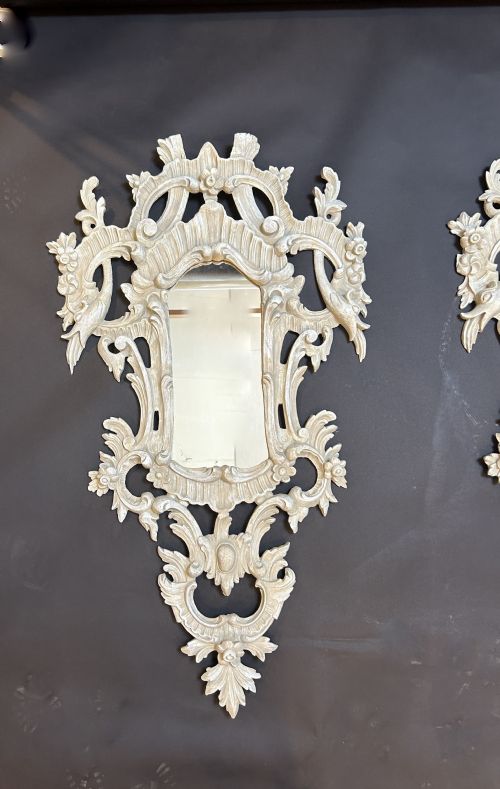

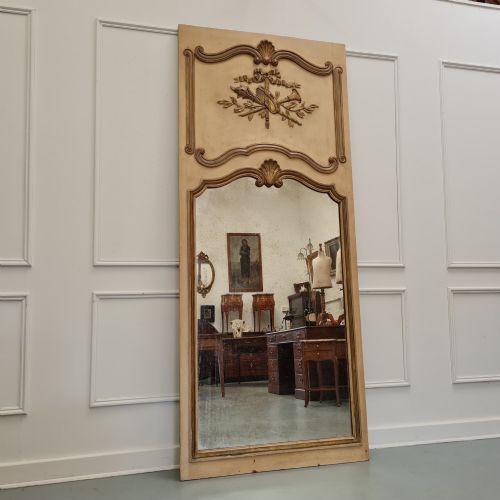


Painted Wooden Pier Mirror
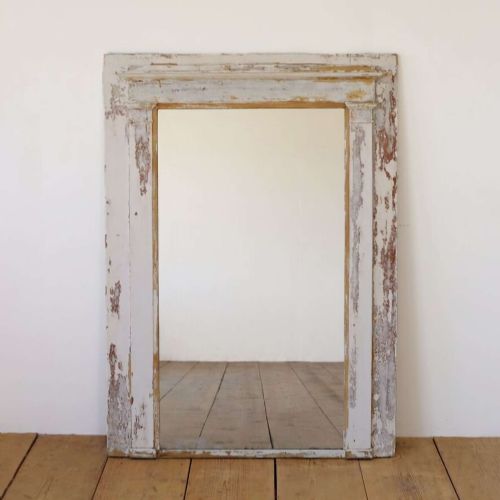
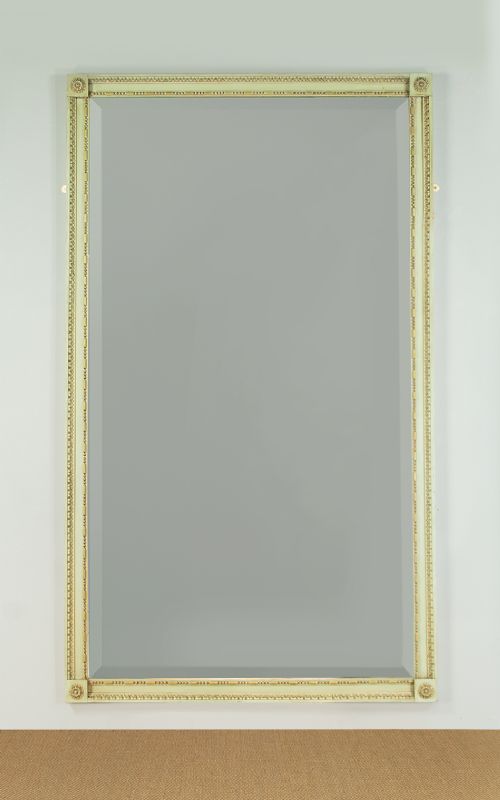
These painted wooden pier mirror examples bring height, light, and architectural presence to a room, drawing the eye upwards with their grand proportions.
Painted Wooden Pier Mirror
A painted wooden pier mirror is typically designed to hang in the narrow wall space between windows, known as the pier. The selection ranges from 18th century architectural examples to 19th century French country trumeau mirrors and later Edwardian designs.
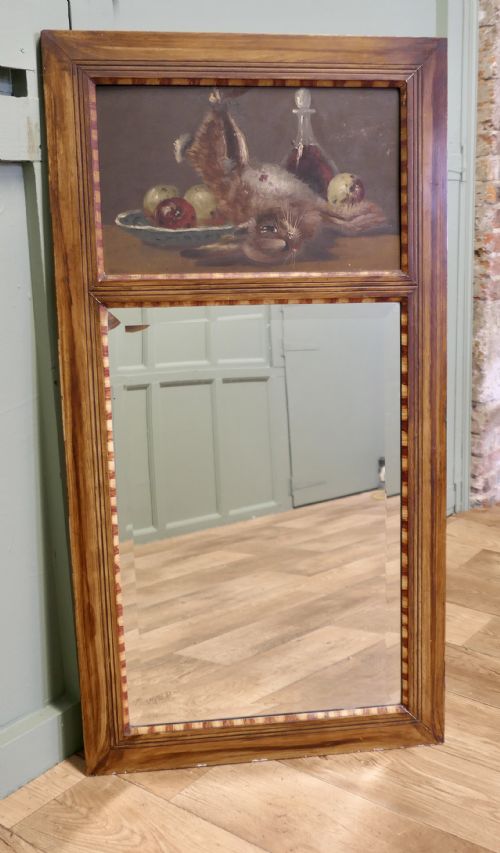
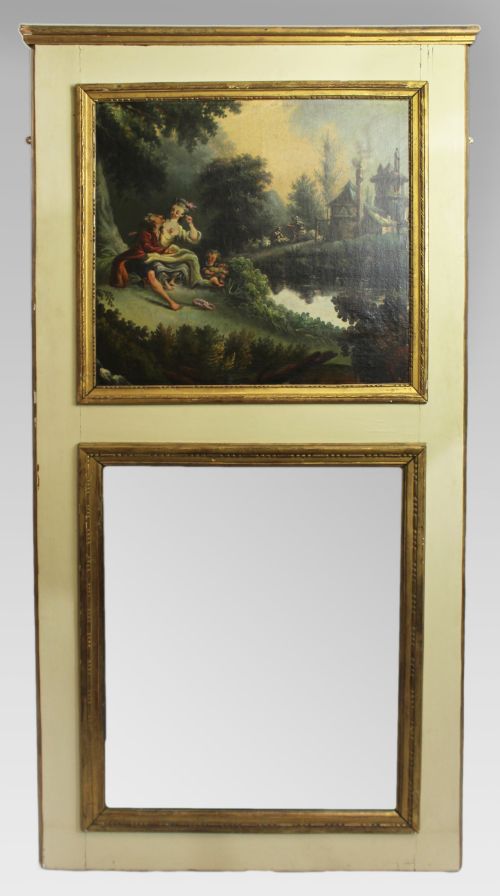
Buyers will frequently encounter tall French country and trumeau variants featuring pastoral oil paintings or reverse glass prints above the glass plate. These tall formats elongate interior spaces and reflect natural light deep into the room.
The physical evidence spans Georgian chinoiserie, Victorian, and Rococo Revival styles, alongside items incorporating console tables and architectural frames.
How they were made
Makers constructed the primary structures from wood, applying layers of gesso to build up decorative reliefs and mouldings before finishing the surface with paint and gold leaf. Carved wooden elements provided structural decoration around the glass plates.
Mirrors utilise traditional mirror glass set within heavy timber frames, sometimes augmented with overpainted gilt finishes or hand-painted decorative schemes. Specialised techniques like reverse glass printing appear in specific regional or period pieces.
One early 19th-century mirror carries a secret naval engagement depicted on glass above, watching over rooms in silence.
What varies in quality
Quality rests in the crispness of the carved wood and gesso ornamentation, distinguishing finely hand-carved details from softer, moulded plaster decorations. The depth of the painted finish and the integration of original oil paintings or reverse glass panels elevate certain examples above standard decorative pieces.
Proportion and scale dictate the visual success of each piece, with larger architectural mirrors requiring careful joinery to support heavy timber and glass frames across centuries of use.
The Painted Wooden Pier Mirror Glossary
- Trumeau
- A decorative wall mirror or panel featuring a painted scene or print set above the main glass plate. This architectural style became popular in French interiors.
- Gesso
- A plaster-like mixture applied to wood frames to create a smooth surface for painting or gilding. Artisans carved intricate relief decorations directly into this material.
- Chinoiserie
- A European artistic style reflecting Chinese motifs and decorative techniques. It appears on lacquered furniture and mirrors from the Georgian period.
- Pier glass
- A tall mirror designed specifically to hang on the wall between two windows. It traditionally filled the dark space to maximise reflected light.
- Reverse glass print
- An image painted or transferred onto the back of a glass sheet for viewing from the front. This technique protects the artwork behind a glossy glass surface.
Painted Wooden Pier Mirror: Frequently Asked Questions
Where should I hang a pier mirror?
These tall mirrors fit naturally in the narrow wall space between two windows to bounce light into the room. They also function well above low console tables or within grand hallway entrances.
Ensure the wall construction supports the considerable weight of timber, gesso, and glass frames safely before mounting.
What is a trumeau mirror?
A trumeau mirror incorporates an upper panel containing an oil painting or printed artwork directly above the main looking glass. These French decorative panels were designed to integrate seamlessly into interior wall panelling.
The artwork often depicts pastoral scenes or historical engagements, adding a distinct narrative element to the reflective surface.
How do I date an antique mirror?
Dating relies on examining the construction methods of the wooden frame, the composition of the gesso, and the style of any painted decoration. Georgian, Victorian, and Edwardian periods each employed distinct decorative vocabularies and framing proportions.
The characteristics of the mirror glass itself, such as bevelling or subtle foxing, also provide clues to the age of the piece.
How do I care for antique painted wood?
Dust the carved wooden frames gently with a dry, soft cloth to prevent particulate buildup on the painted and gilded surfaces. Avoid commercial liquid cleaners that might strip delicate historic finishes or moisture-sensitive gesso.
Keep the mirrors away from direct sunlight and excessive humidity to preserve the integrity of the wood and the underlying paint layers.