






Painted Wooden Clock
When you search for a painted wooden clock, you seek a timekeeper built from timber and finished with pigment that grounds a room.
Painted Wooden Clock
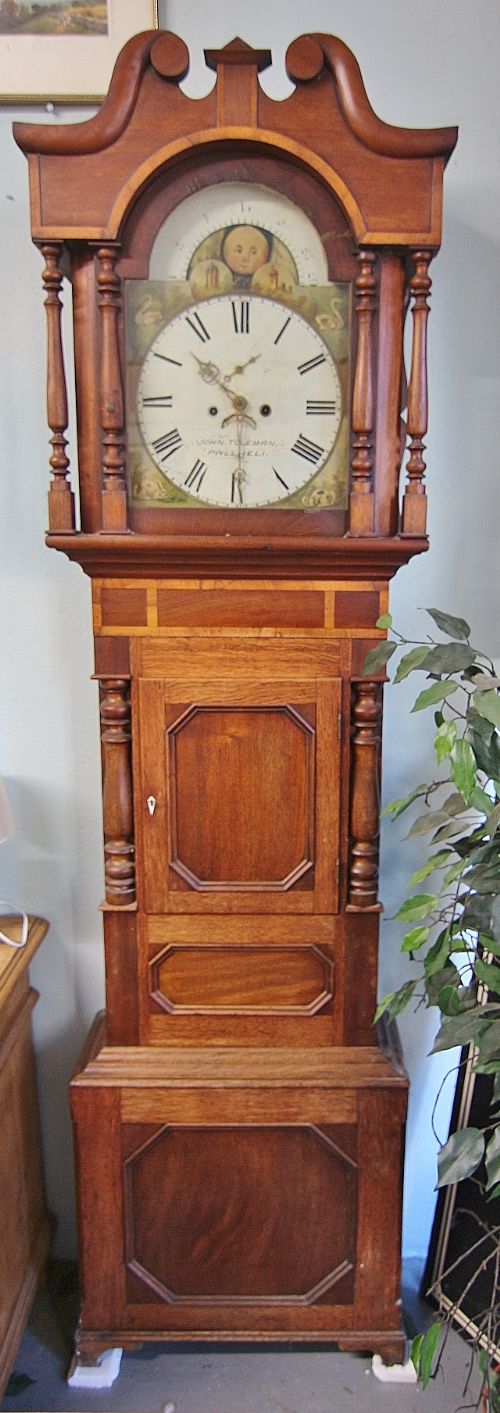
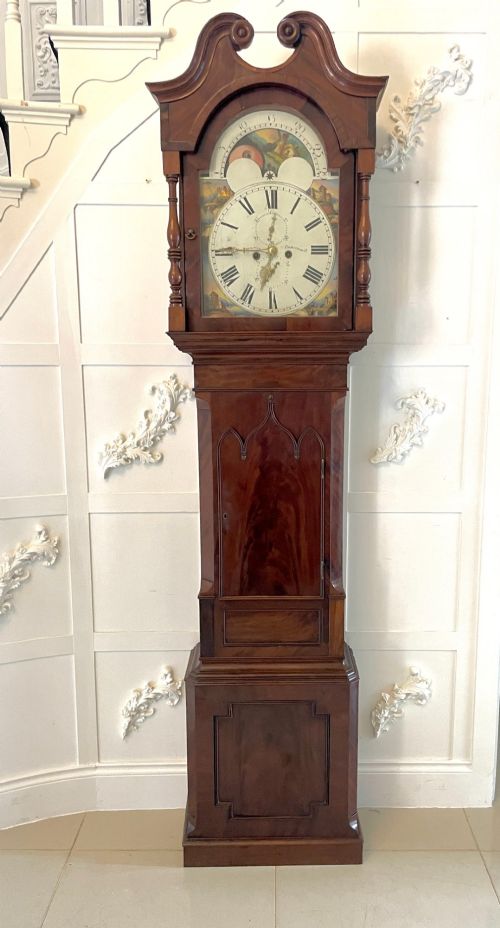
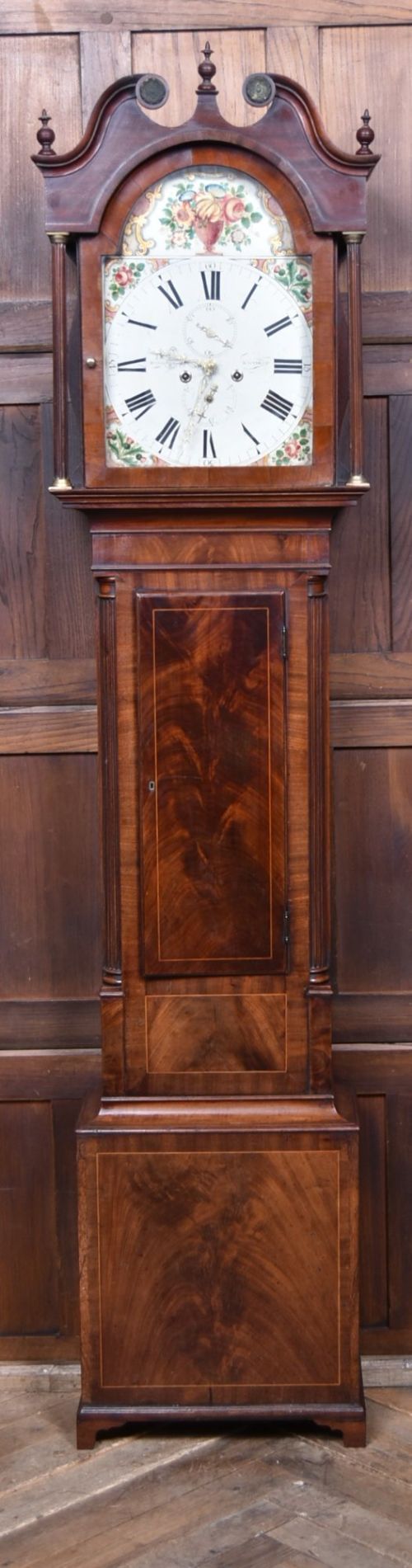
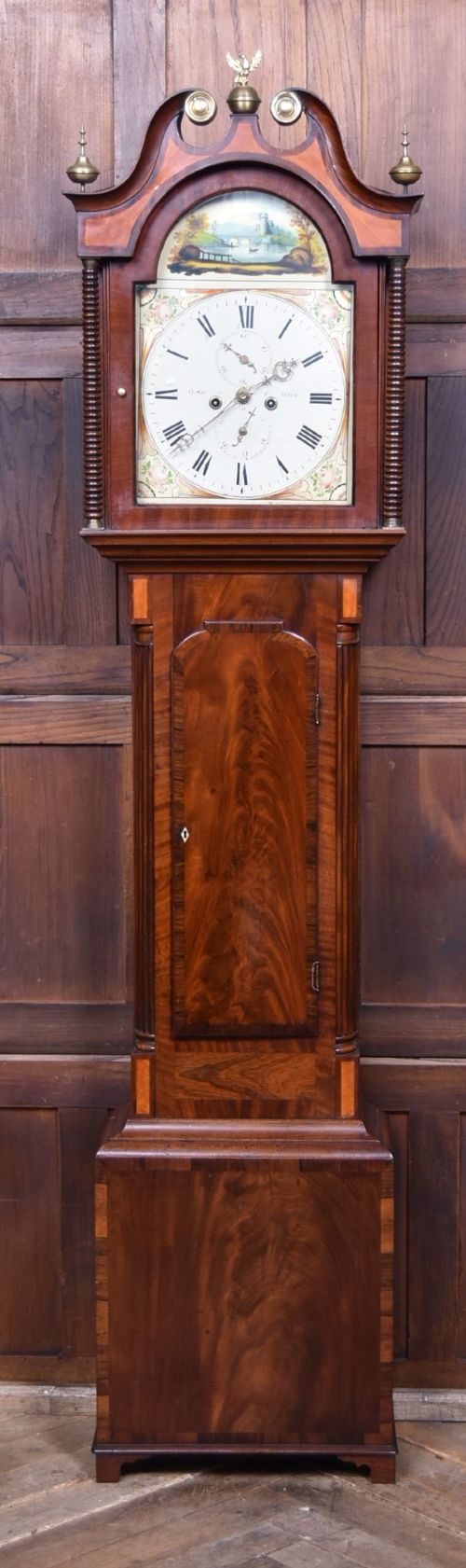
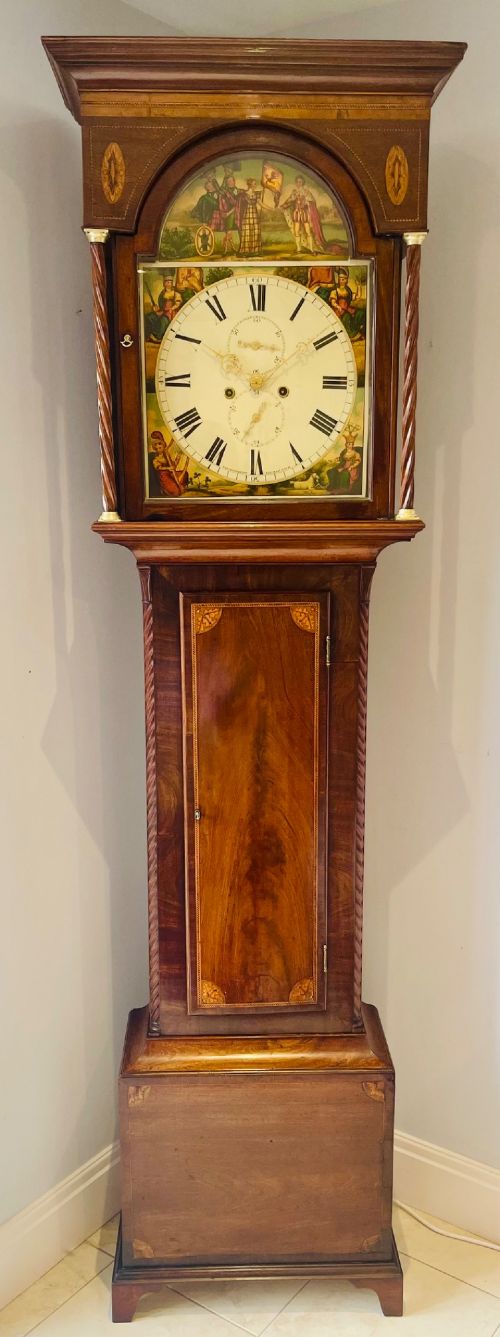
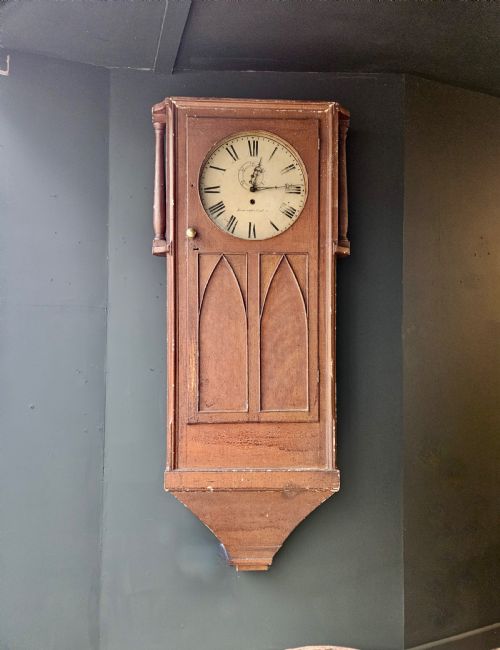
A painted wooden clock unites timber construction with surface pigment, appearing predominantly in tall longcase forms from Georgian and Victorian periods alongside regional wall variants.
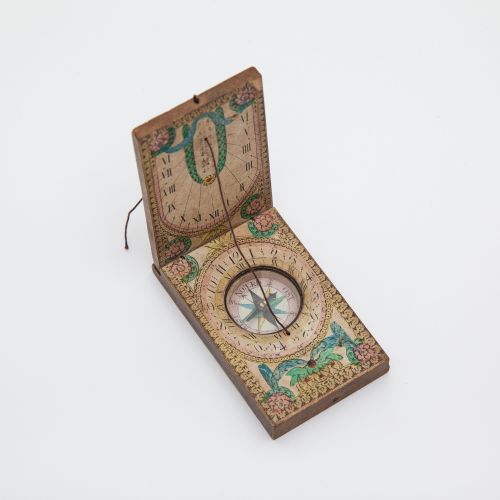
The pieces on this page span oak, pine, and mahogany bodies carrying painted dials, arched faces, or original painted panels.
Originating across English, Welsh, and Scottish workshops, these timepieces range from utilitarian wall clocks to imposing longcase grandfathers.
How they were made
Carpenters joined native timbers like oak, pine, and mahogany to form the structural cases, utilising brass and iron for internal movements.
Faces combined glass and enamel elements alongside hand-applied paint, while subsidiary mechanisms incorporated iron dials and wooden housing.
Painted Wooden Clock Retail Price Guide 2026
Typical asking prices for painted wooden clock among the pieces listed under this phrase on Sellingantiques today, from the lower quarter to the upper quarter. They describe what is for sale here now, not the wider market.
Listings feature oak, mahogany, and pine construction paired with painted iron dials and glass components across the Georgian and Victorian eras.
What varies in quality
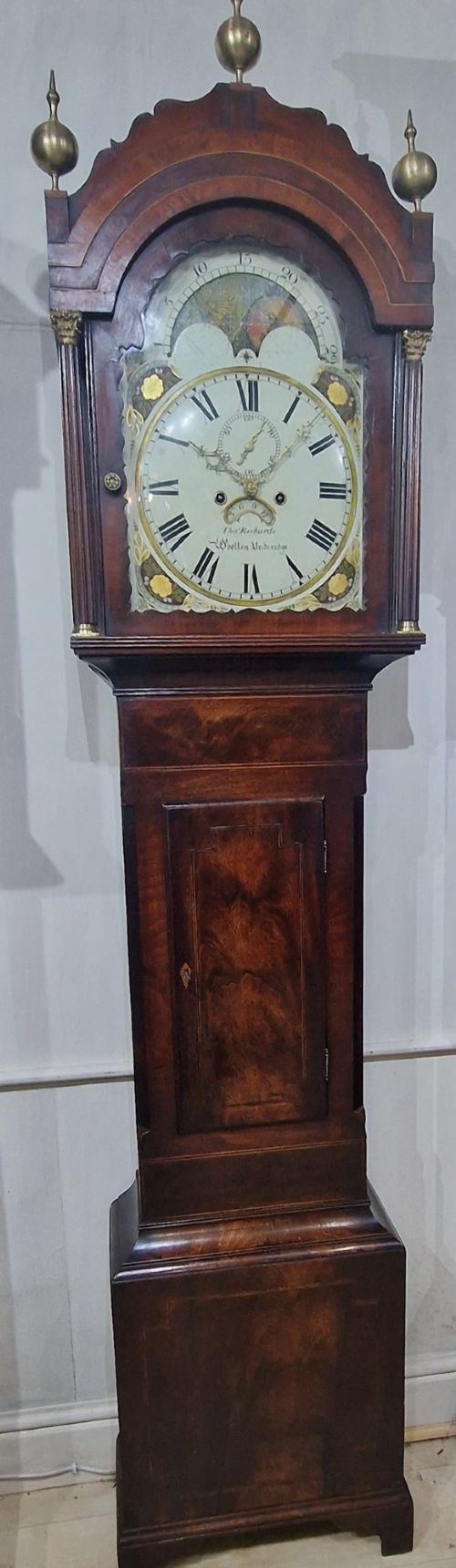
The refinement of the painted dial separates standard timepieces from superior examples, particularly where moon phases or regional signatures are rendered with precision.
Case timber selection dictates the hierarchy, with figured flame mahogany and well-preserved original paint surfaces commanding greater presence than plain utility woods.
Hendrie Ogg·D Straiton·Benjamin Peers·John Banks·Wm Stanford
The Painted Wooden Clock Glossary
- Longcase clock
- A tall pendulum clock enclosed in a wooden case standing directly on the floor. These tall enclosures protect the weighted movement and pendulum.
- Dial
- The visible face of the clock where hours and minutes are marked. Painted iterations frequently feature regional scenes or moon phases.
- Fusee
- A conical pulley used in clock movements to maintain an equal pull as the drive spring unwinds. This mechanism ensures consistent timekeeping.
- Moon dial
- A rotating disc beneath the clock face displaying the phases of the moon. Makers often painted these discs by hand.
- Tavern clock
- A large wall-mounted timepiece with a prominent dial, historically displayed in public houses and commercial spaces.
Painted Wooden Clock: Frequently Asked Questions
What is a painted wooden clock?
A painted wooden clock is a timekeeper housed in a timber case with a decorated dial or surface. Most examples take the form of longcase or wall clocks.
These pieces combine functional mechanics with decorative woodwork and painted finishes originating from various British regions.
How do I identify a Georgian clock?
Georgian clocks date from the eighteenth and early nineteenth centuries, displaying proportions and timber choices characteristic of the period. Look for traditional dial layouts and regional cabinetwork.
Many incorporate oak or mahogany cases with hand-painted faces signed by local makers.
Where were these clocks made?
These timepieces originate from workshops across England, Scotland, and Wales. Regional centres developed distinct styles in both case carpentry and dial painting.
Local clockmakers signed their work directly onto the painted faces, linking each piece to a specific town.
How do I care for a wooden clock?
Keep wooden clocks away from direct sunlight and damp environments to protect the timber case and painted surfaces. Stable room temperatures preserve the structure.
Mechanical movements require regular professional servicing to maintain accurate timekeeping and prevent wear.