


Painted Wood Wall Art
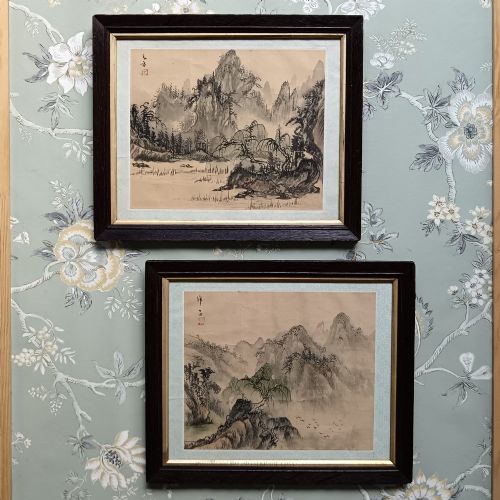
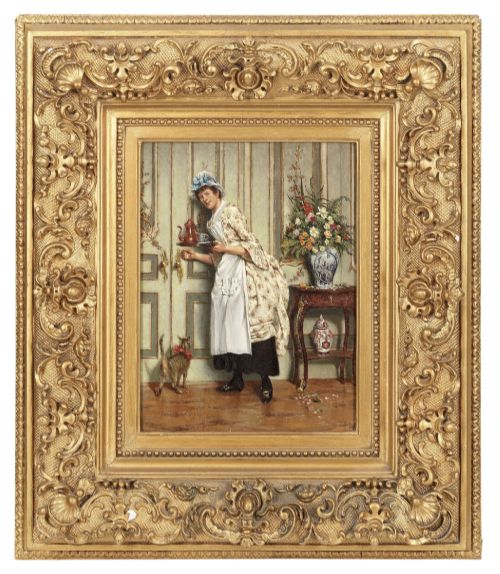
Painted wood wall art comprises wooden panels and boards bearing oil or painted surfaces from centuries past, offering decorative presence and historical depth.
Painted Wood Wall Art
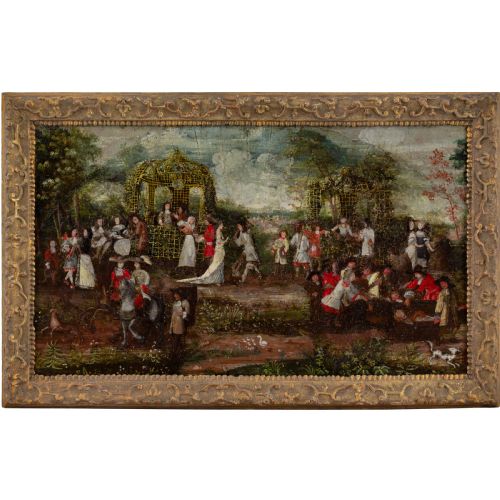
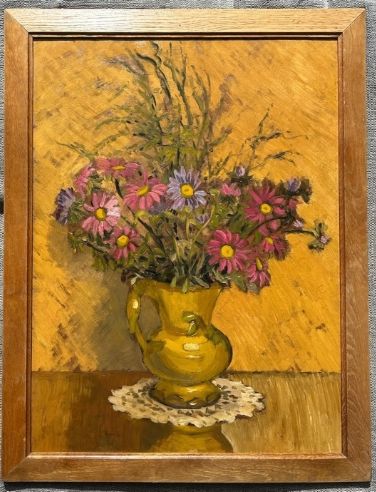
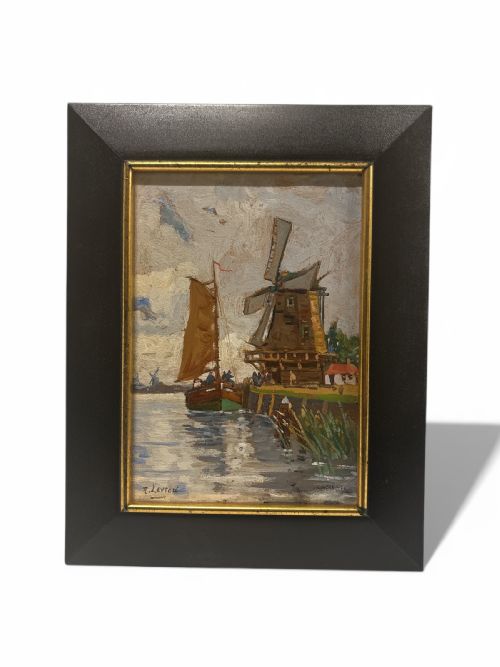
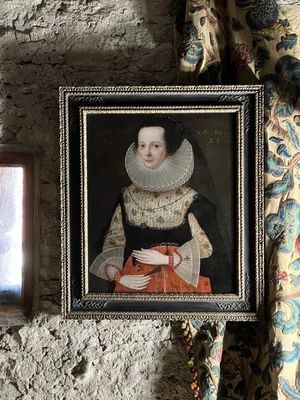
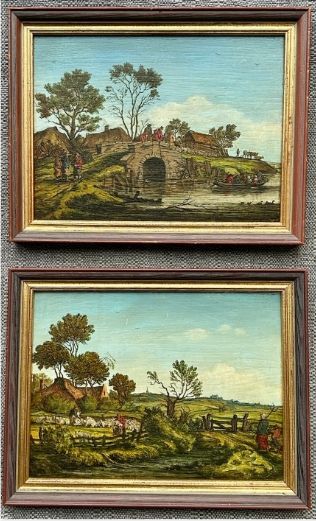
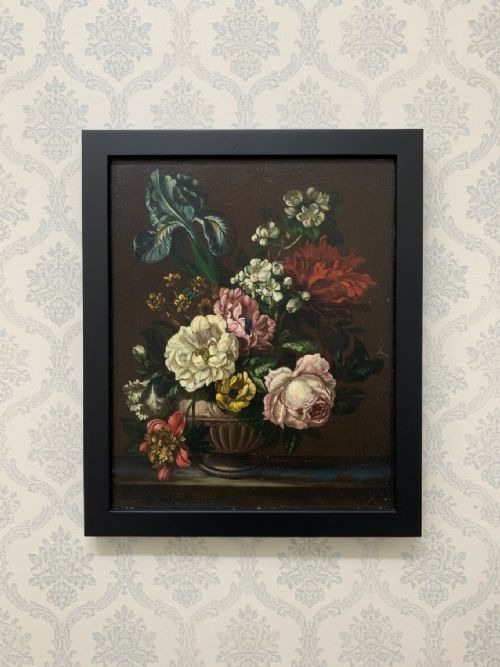
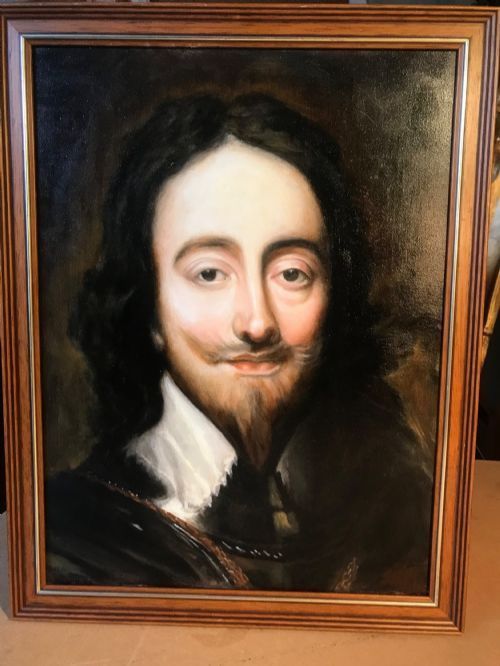
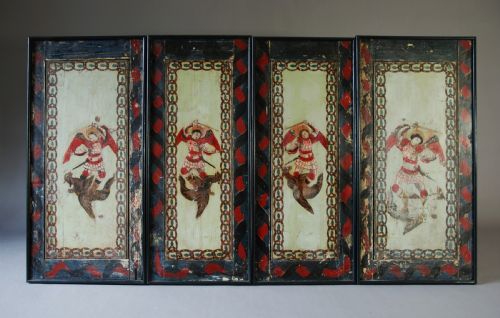
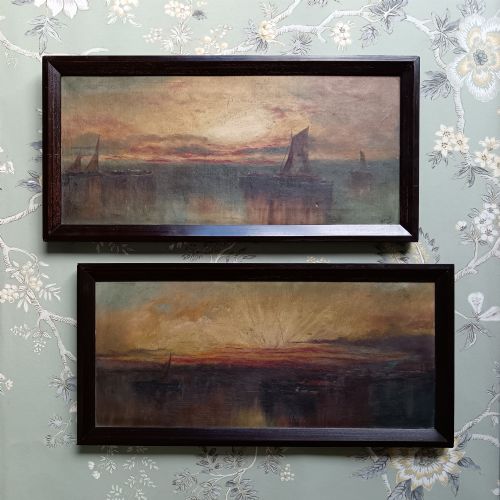
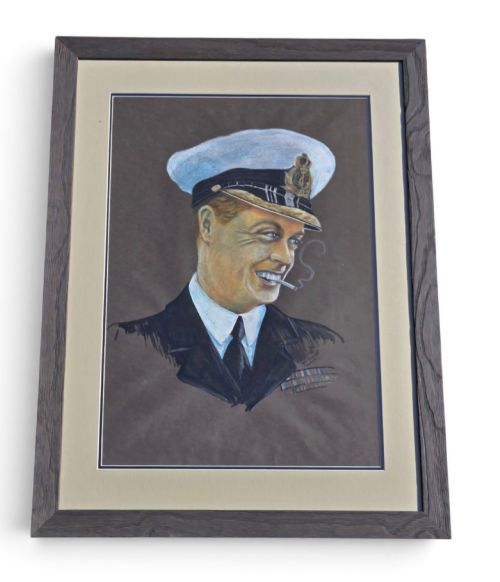
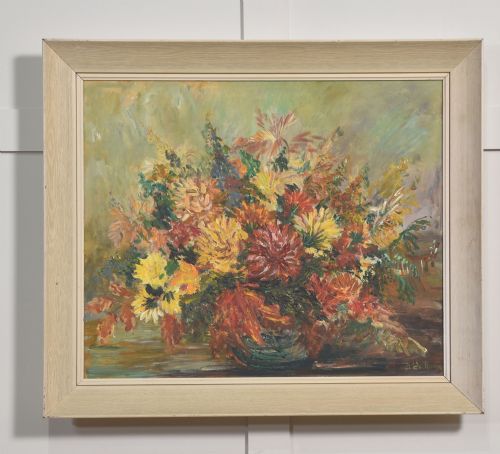
Buyers seeking painted wood wall art examine rigid wooden panels carrying oil paint, often taking the form of portraits, landscapes or decorative architectural schemes. These pieces span from the seventeenth century through to the mid twentieth century, encompassing British, Dutch, French and Italian schools. The selection most commonly includes oil paintings on panel alongside decorative painted panels and folk art boards.
The objects serve as direct tangible links to past aesthetic traditions, ranging from provincial naive work to formal academic portraiture. Wooden supports provide stability that distinguishes these works from fabric canvases, resulting in distinct surface textures and preservation characteristics. Collectors encounter various formats, from small cabinet paintings to large decorative architectural panels intended for specific interiors.
How they were made
Craftsmen prepared wooden supports, frequently oak, pine or exotic hardwoods, by applying grounds of gesso or chalk to create a smooth painting surface. Artists then applied oil paint, sometimes building up layers with glazes to achieve depth and luminosity in portraits and landscapes.
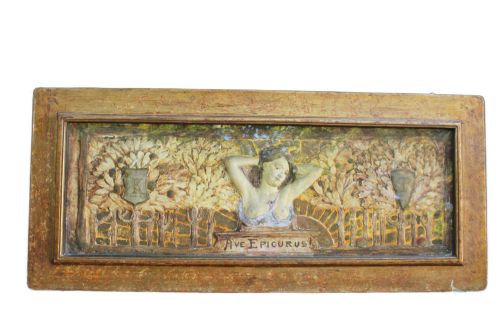
Decorative panels frequently incorporated gold leaf alongside polychrome pigments to enrich the visual impact. The wooden boards themselves often show evidence of early carpentry techniques, including hand planing and panel joining to prevent warping over time.
Materials recorded on this page include wood panels, oil paint, gold leaf, canvas and paper supports.
What varies in quality
Quality rests upon the skill of the brushwork and the anatomical or spatial accuracy achieved by the artist. Master painters demonstrate superior command of light, shadow and pigment blending, whereas provincial or naive pieces rely on charm and directness rather than academic precision.
The integrity of the wooden substrate and the stability of the paint layer determine the longevity and visual preservation of each piece. Superior examples retain their original surface texture and uncompromised pigment layers, while lower grades show extensive overpainting or structural timber degradation.
Joseph Clover RA·R Leyton·Emily Eyres·Tom Campbell·B Nash·Herskind·D L Williams·Stephen Samuel Lewin·Robert A Nottingham·R Hurst·Thomas Creswick·Lucy Pratt·Thomas Beach
The Painted Wood Wall Art Glossary
- Panel painting
- A painting executed on a rigid wooden support rather than canvas or paper. This technique was prevalent before canvas became the standard support for western paintings.
- Oil paint
- A slow-drying paint made by combining pigments with a drying oil, typically linseed oil. It allows for smooth blending and rich colour saturation.
- Gesso
- A paint mixture consisting of a neutral binder mixed with chalk, gypsum or pigment. It is applied to wooden panels to create a smooth, absorbent base for oil painting.
- Naive art
- Art produced by a person without formal training, typically characterised by a simplistic approach to perspective, proportion and colour. Such works often possess high decorative appeal.
- Polychrome
- The practice of decorating architectural elements, wood carvings or sculptures in a variety of colours. This technique enhances the dimensional qualities of the object.
Painted Wood Wall Art: Frequently Asked Questions
How do I care for wood wall art?
Keep wooden panels away from direct heat sources and sudden humidity fluctuations to prevent the wood from splitting or warping.
Dust the surface gently with a dry, soft cloth and avoid liquid cleaners or harsh chemical solvents on the paint layer.
How can I date an old wood panel?
Examine the reverse of the panel for tool marks, carpenter methods and ageing characteristics of the timber itself.
Style of dress, pigment composition and framing methods also provide reliable indicators of the period of creation.
Why were artists painting on wood?
Wooden boards offered a rigid and durable surface that predated the widespread adoption of stretched canvas.
Panels provided a smooth foundation that allowed fine detail work and remained stable over centuries of display.
What is naive folk art?
Naive folk art refers to creative works made outside traditional academic training systems, often by provincial makers.
These pieces prioritise expressive charm and direct storytelling over strict adherence to perspective and anatomical proportion.