


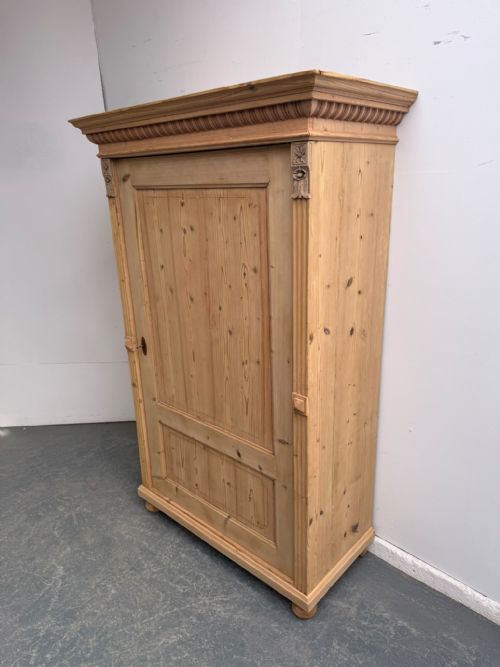
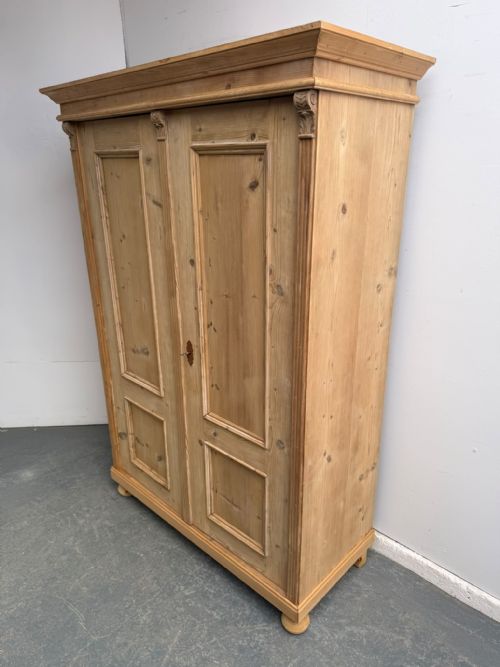
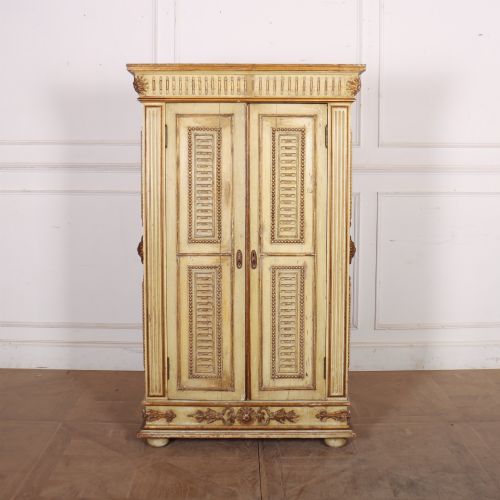
Painted Wood Linen Press
These painted wood linen press pieces combine practical storage with decorative painted surfaces, offering traditional utility and strong visual character for the home.
Painted Wood Linen Press
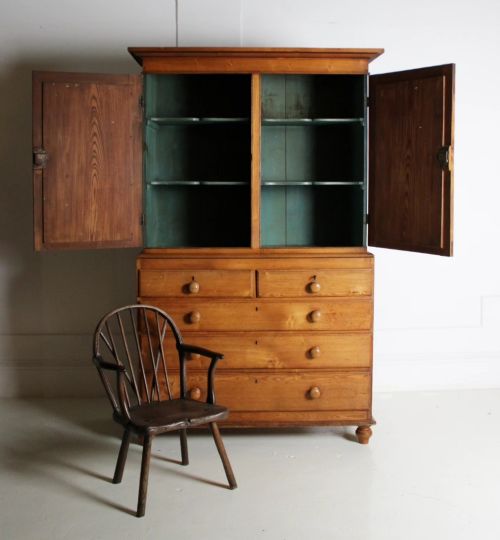
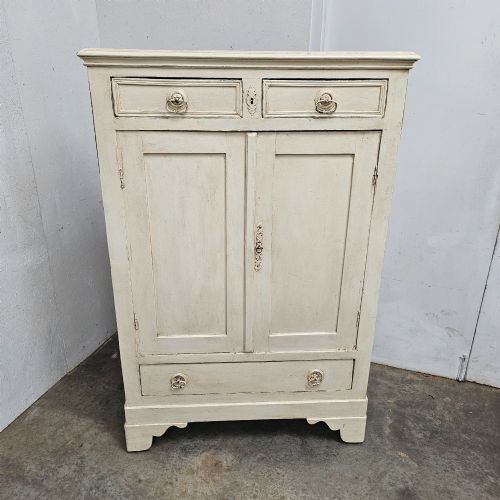
A painted wood linen press is a substantial storage furniture piece historically designed for folding and storing household textiles. Buyers exploring this category encounter a diverse selection ranging from Georgian and Victorian pine wardrobes to continental European country cupboards.
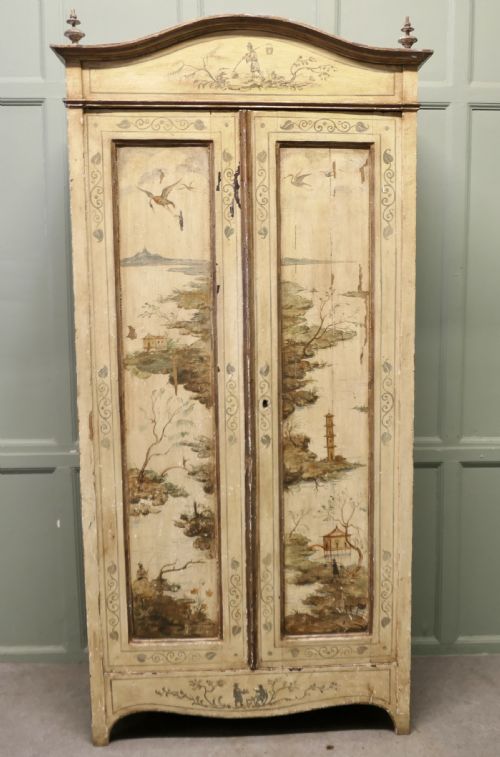
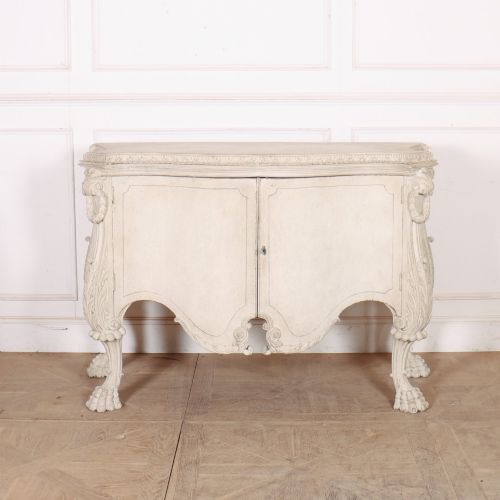
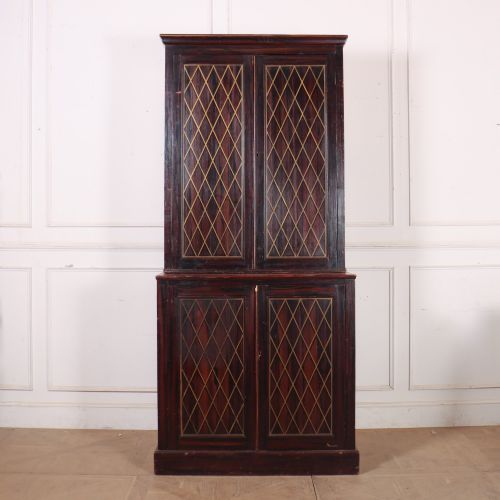
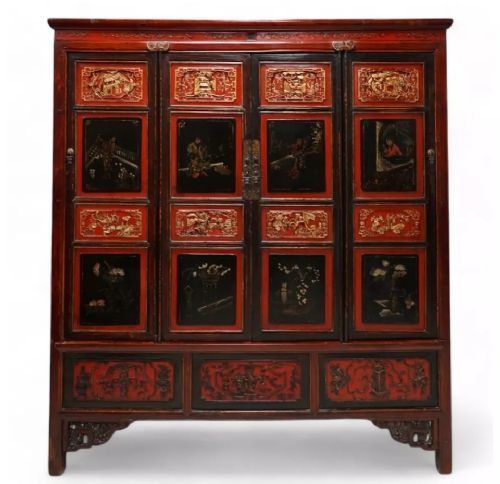
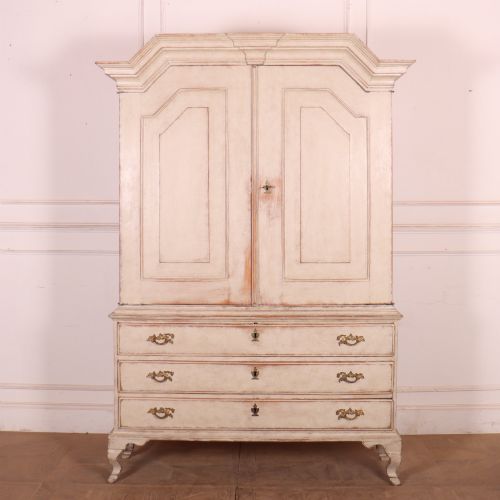
The pieces appearing on this page span the eighteenth, nineteenth, and early twentieth centuries, encompassing regional styles such as Scandinavian country, French provincial, and Italian rococo. Many examples showcase historic or later painted finishes, including lacquer, polychrome decoration, and Chinoiserie scenes.
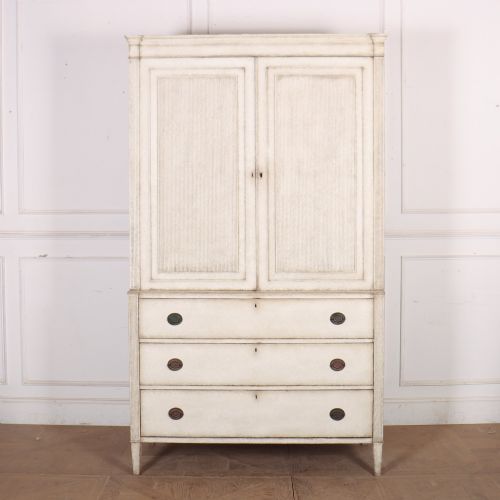
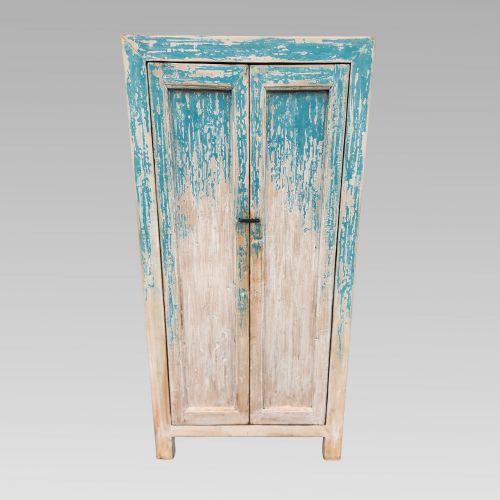
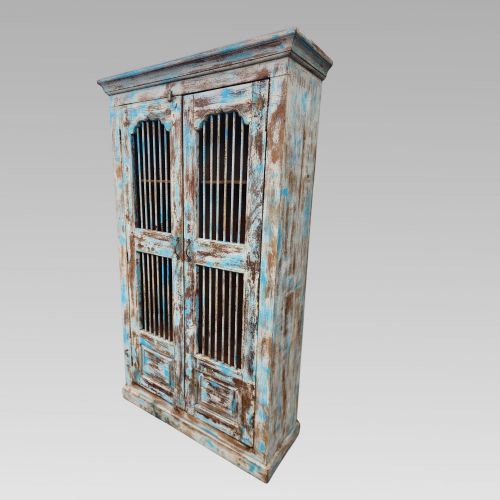
Common regional variants include Swedish two-door linen cupboards on stands, English housekeepers cupboards, and Indian reclaimed teak or cedar storage cabinets. While some retain their original paint, others present surfaces prepared for waxing or custom painting.
Materials and construction methods
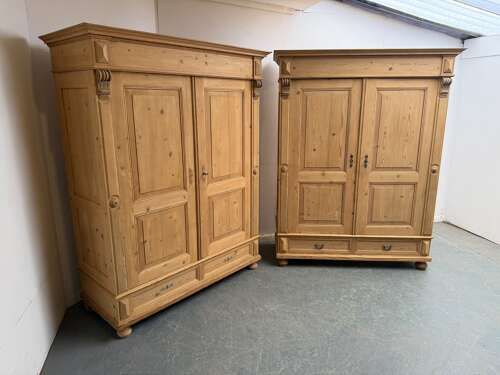
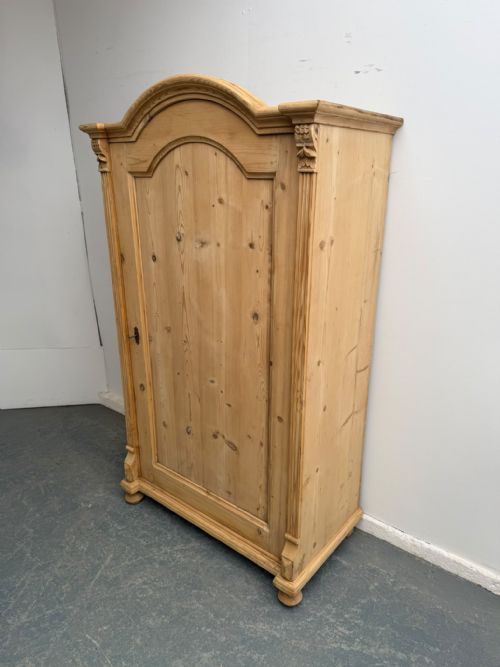
Construction relies heavily on timbers such as pine, ash, elm, teak, and cedar, utilised depending on the regional origin and period of the piece. Workshops employed traditional joinery techniques, creating knockdown wardrobes and sturdy carcasses designed to support heavy shelving and hanging space.
Surface treatments incorporate applied paint, lacquer, and polychrome detailing, sometimes featuring outdoor scenes or decorative motifs. Hardware such as brass and iron hinges, handles, and locks complete the construction of these large storage cabinets.
Painted Wood Linen Press Retail Price Guide 2026
Typical asking prices for painted wood linen press among the pieces listed under this phrase on Sellingantiques today, from the lower quarter to the upper quarter. They describe what is for sale here now, not the wider market.
Design styles represented across the inventory include Scandinavian country, French provincial, Italian rococo, and Chinoiserie.
Assessing quality in painted pieces
Quality rests upon the integrity of the timber frame, the retention or execution of the painted surface, and the subtlety of decorative details such as carved elements or Chinoiserie lacquer work. Examples featuring untouched period paint or skilled regional decoration stand apart from utilitarian storage items.
Proportion and scale dictate the visual presence of each press, with well-balanced architectural cornices and original hardware elevating the piece. The distinction between a standard utility cupboard and a finer stylistic statement lies in the harmony of its form and the character of its finish.
The Painted Wood Linen Press Glossary
- Linen press
- A tall cupboard or wardrobe originally designed for storing folded linen on internal shelves. These pieces often feature double doors enclosing sliding trays or hanging space.
- Knockdown
- A piece of furniture constructed to be easily dismantled for transport and reassembled on site. This method was common in large wardrobes and presses from the Victorian period and earlier.
- Chinoiserie
- The European imitation and interpretation of Chinese and East Asian artistic traditions, frequently expressed through painted lacquer scenes on cabinets and screens.
- Polychrome
- Painted in several colours. This term describes decorative surfaces adorned with multiple pigment shades, often seen on continental European country furniture.
- Buffet à deux corps
- A traditional French two-body cupboard featuring an upper cabinet section resting upon a larger lower storage base. These architectural pieces provide substantial display and storage capacity.
Painted Wood Linen Press: Frequently Asked Questions
What is a painted wood linen press used for today?
These large cabinets function effectively as bedroom wardrobes, hallway storage, or living room linen cupboards, offering generous internal shelving or hanging space.
Their substantial presence makes them both practical storage solutions and strong focal points in traditional or eclectic interiors.
How do I care for antique painted surfaces?
Historic painted finishes require gentle dusting with a dry, soft cloth and protection from direct sunlight and excessive moisture.
Avoid modern chemical cleaners, as these can soften or strip aged paint and delicate lacquer work.
Are these pieces difficult to assemble?
Many period wardrobes and presses utilise knockdown construction designed for straightforward dismantling and reassembly during transport.
Careful alignment of joints and panels ensures stability when setting the furniture up in a new room.
How can I tell the period of a cupboard?
Dating relies on observing construction methods, timber types, hardware styles, and the characteristics of the painted finish.
Georgian and Victorian pieces display distinct architectural proportions and joinery details that separate them from later twentieth-century reproductions or variants.