


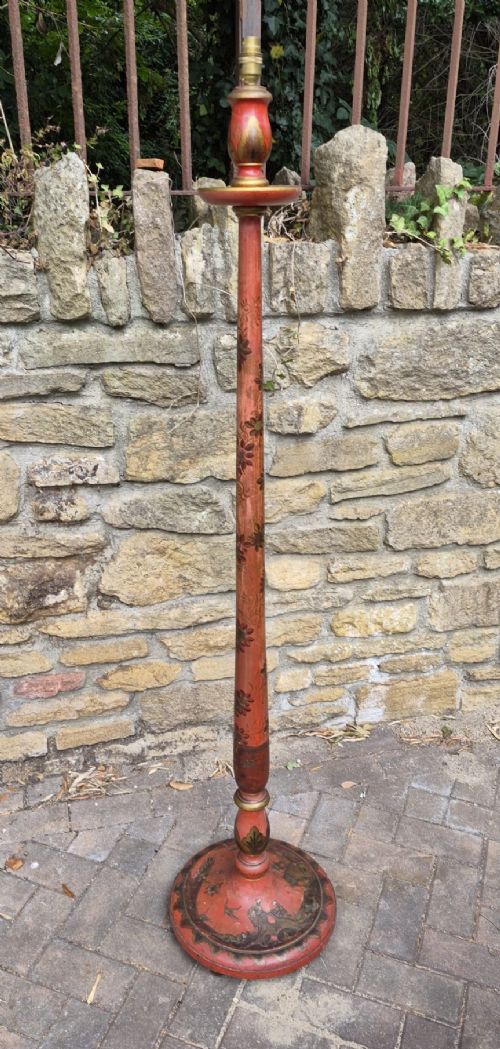
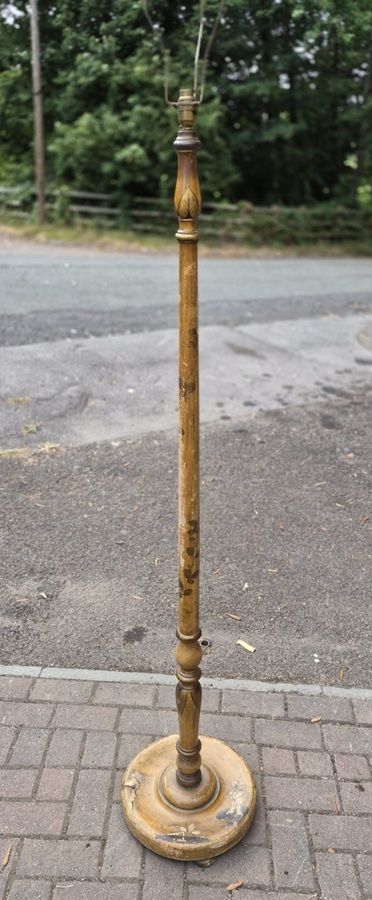
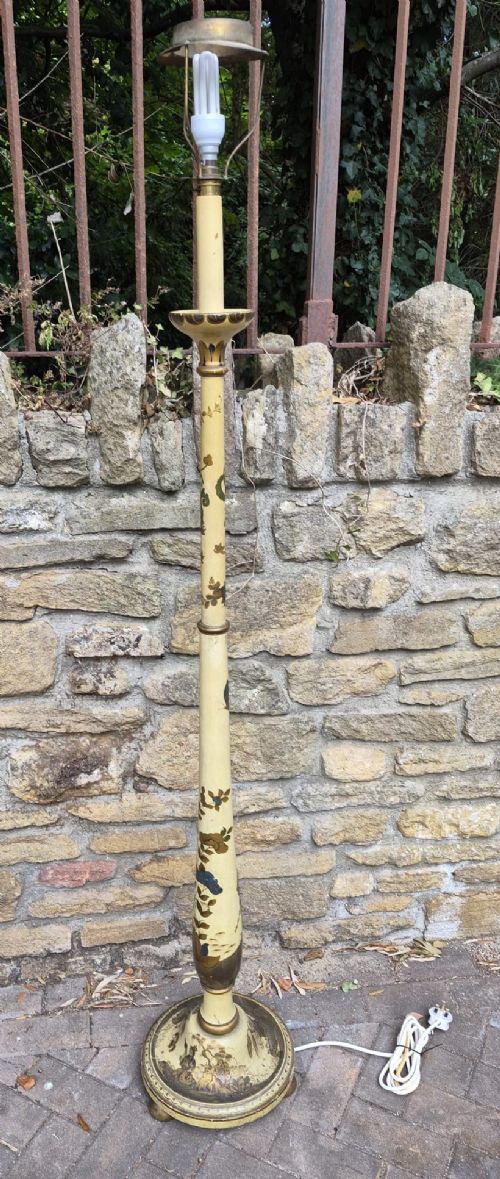
Painted Wood Lamp
A painted wood lamp brings warmth and patterned colour to a corner, combining carved timber with hand-applied decoration.
Painted Wood Lamp
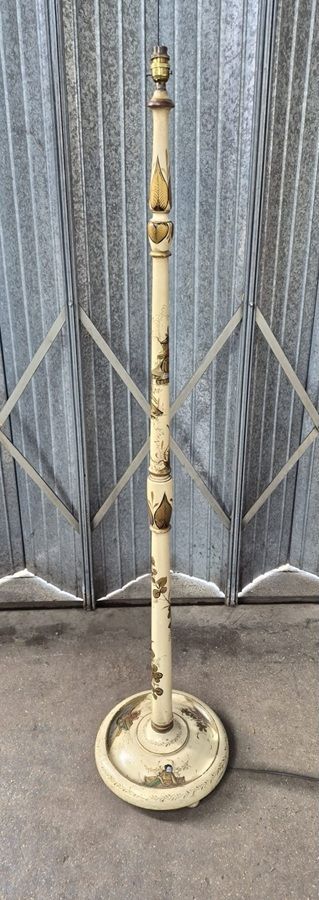
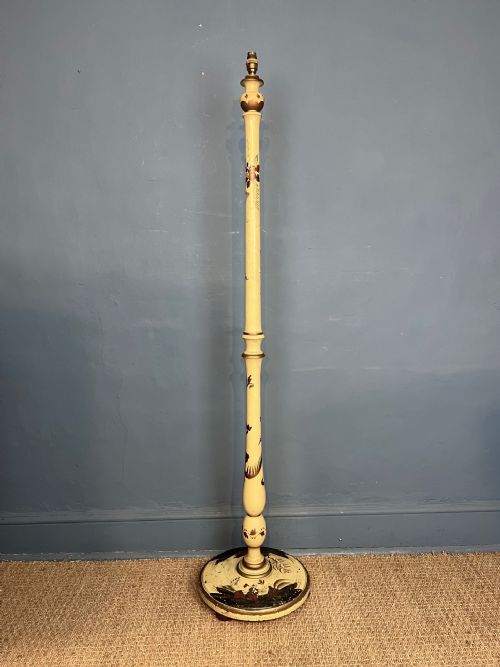
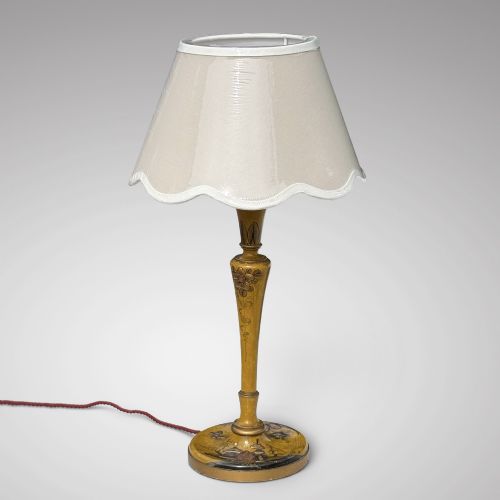
A painted wood lamp is a lighting fixture or small support piece transformed by applied pigments, offering functional illumination alongside decorative surface work. When searching for a painted wood lamp, buyers encounter tall standard lamps, floor-standing lighting columns, and shorter table-top lamp bases designed to sit on occasional surfaces.
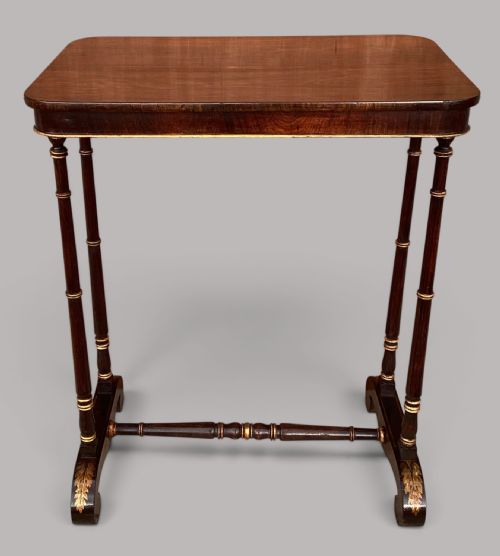
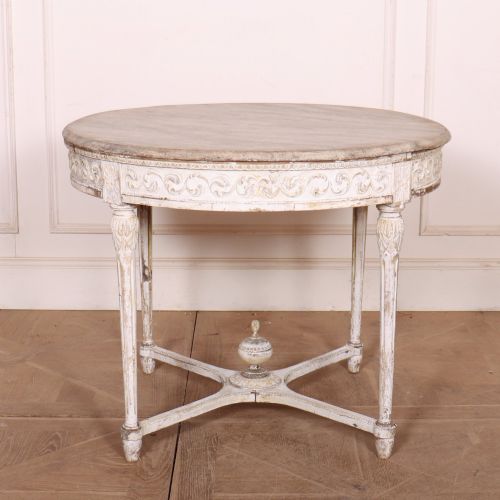
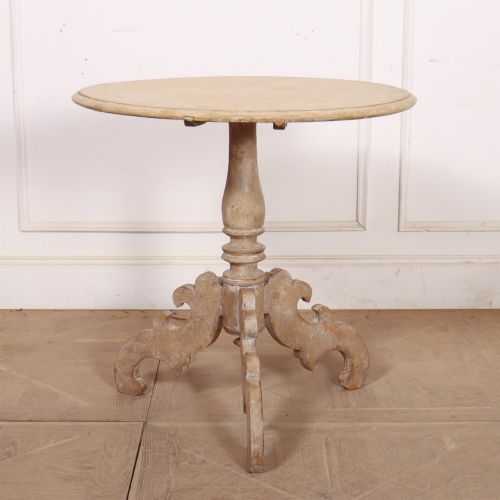
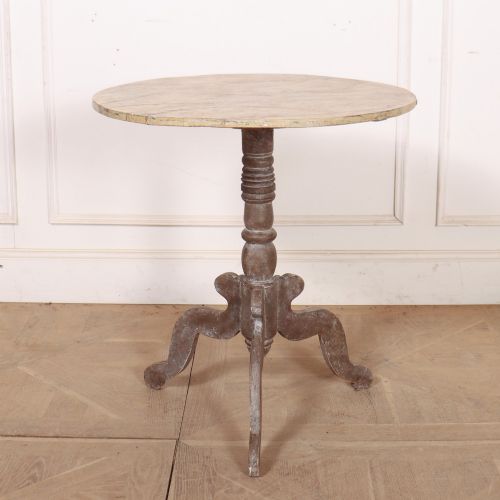
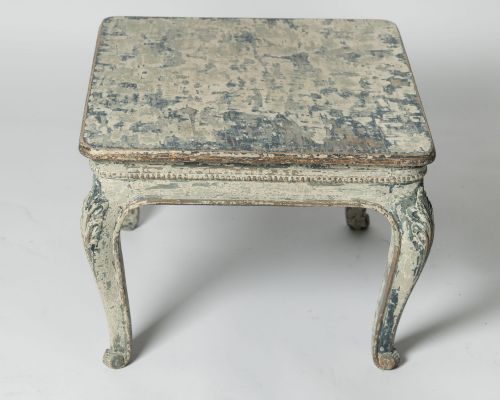
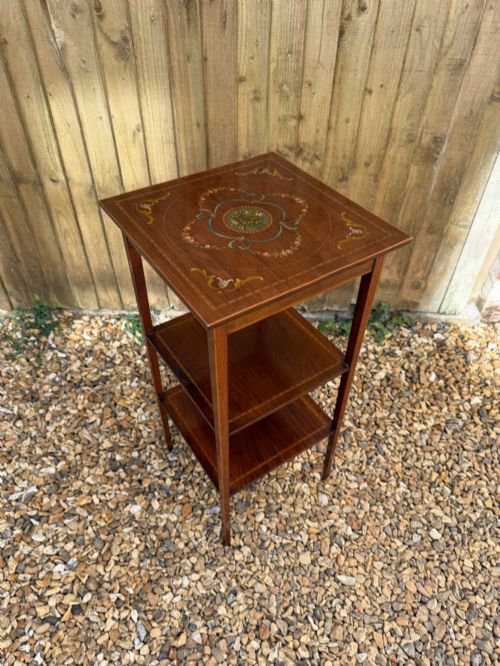
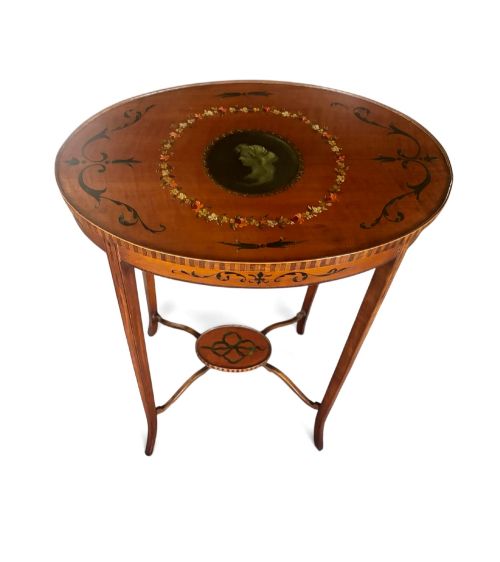
The selections span the nineteenth century through the 1930s, incorporating Edwardian designs, regional European pieces, and distinct decorative schemes. Alongside dedicated lamp bases, many listings include small tables, side tables, and occasional tables that double as lamp supports or feature painted details on timber.
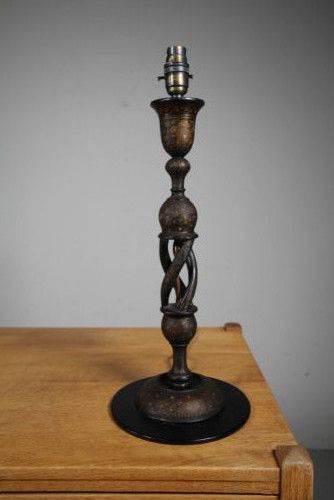
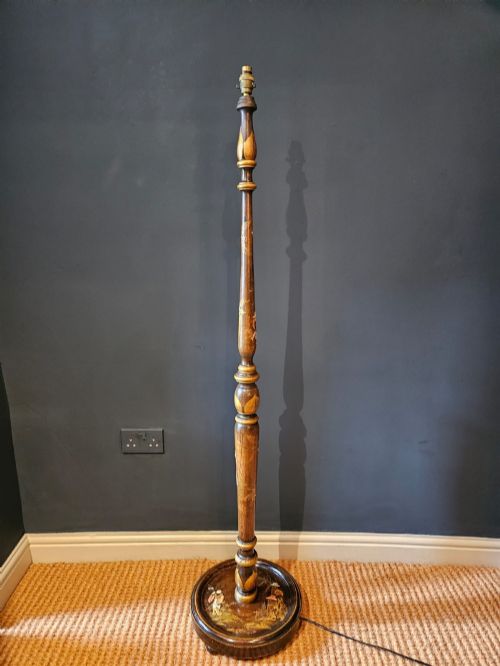
The most common examples on this page are Edwardian standard lamps, 1920s Kashmiri twist table lamps, and nineteenth-century Swedish or English lamp tables. These objects combine practical utility with specific historical styles, ranging from simple painted pine to elaborate Chinoiserie lacquer.
How they were made
Makers utilised solid timbers such as mahogany, oak, satinwood, pine, and carved wood as the foundational structure for these pieces. Woodturners shaped standard lamps and twist columns on a lathe, while cabinetmakers constructed tables with bracket or tripod bases.
Surfaces received layers of paint, lacquer, or polychrome decoration, often combined with gilt highlights or floral motifs. Artists applied red, ochre, crimson, and ochre lacquers, particularly in Chinoiserie and Anglo-Indian works, sealing the wood beneath protective coats.
Painted Wood Lamp Retail Price Guide 2026
Typical asking prices for painted wood lamp among the pieces listed under this phrase on Sellingantiques today, from the lower quarter to the upper quarter. They describe what is for sale here now, not the wider market.
Styles span Chinoiserie, Anglo-Indian, French Chateau, and English Country, reflecting diverse regional furniture traditions.
What varies in quality
Quality rests in the execution of the painted surface and the crispness of the timber carving. Hand-painted floral decorations and detailed Chinoiserie lacquer work demand skilled artistry that elevates standard turned wood into a finished decorative object.
Proportion and structural integrity distinguish finer pieces from simpler utilitarian items. Well-balanced tripod bases, clean joinery on side tables, and neatly integrated electrical rewiring indicate careful preservation and original craftsmanship.
The Painted Wood Lamp Glossary
- Chinoiserie
- European decorative style inspired by Chinese art and motifs. It frequently appears on lacquered tables and standard lamps with painted oriental scenes.
- Standard lamp
- A tall floor-standing lamp base designed to provide ambient room illumination. These often feature turned wooden columns and painted or gilt finishes.
- Occasional table
- A small, movable side table used for general placement in a room. They frequently serve as sturdy platforms for table lamps.
- Satinwood
- A durable, fine-grained tropical timber with a natural golden sheen. Cabinetmakers utilised it for Edwardian tables featuring delicate painted floral decorations.
- Tripod base
- A three-legged support structure beneath a table or standard lamp. This design provides stability on uneven floorboards.
Painted Wood Lamp: Frequently Asked Questions
What is a standard lamp?
A standard lamp is a tall floor-standing lighting fixture designed to illuminate a room from a corner or beside seating. These pieces utilise sturdy weighted or tripod bases to support a vertical wooden column.
In historical interiors, they functioned as movable light sources before fixed overhead wiring became standard. Many examples feature turned wood and painted or lacquered decoration.
How do I date a painted lamp?
Dating relies on stylistic clues, materials, and construction methods visible in the timber and finish. Edwardian pieces often display satinwood and delicate floral painting, while 1920s examples frequently show Chinoiserie lacquer or Kashmiri twist turns.
Examining the wiring history, screw types, and wood ageing helps place an object within the nineteenth or early twentieth century. Listings often specify the manufacturing era based on these physical characteristics.
Where should I place a lamp table?
A lamp table works well beside a sofa, armchair, or in a dark corner requiring surface space and soft illumination. Their compact footprints make them suitable for hallways, bedrooms, and drawing rooms.
These pieces combine the utility of a small side table with a designated spot for a table lamp. Their decorative painted surfaces complement surrounding upholstery and wall colours.
What is Kashmiri woodworking?
Kashmiri woodworking involves intricate hand-carving and painted decoration originating from the Kashmir region. These items often feature distinctive twist columns and rich surface patterns.
In the marketplace, Kashmiri pieces from the 1920s appear as tall table lamps with detailed turned shafts. They bring a distinct decorative texture to interiors.