



Painted Wood Horse
A painted wood horse brings the raw, hand-carved energy of the carousel, nursery, or folk workshop straight into your interior.
Painted Wood Horse
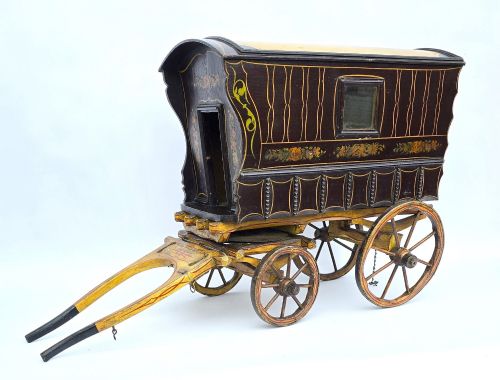
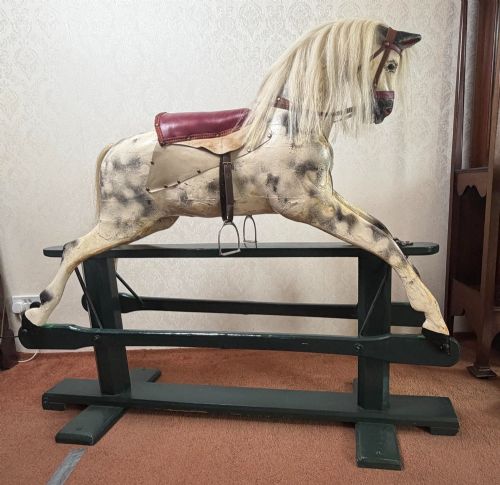
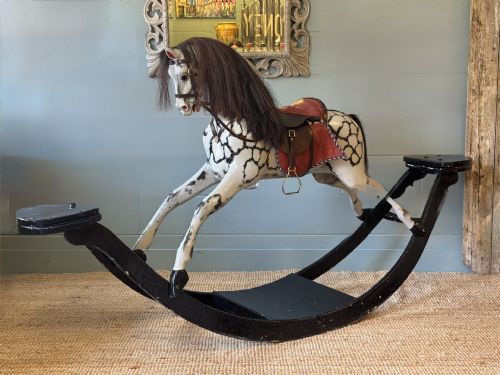
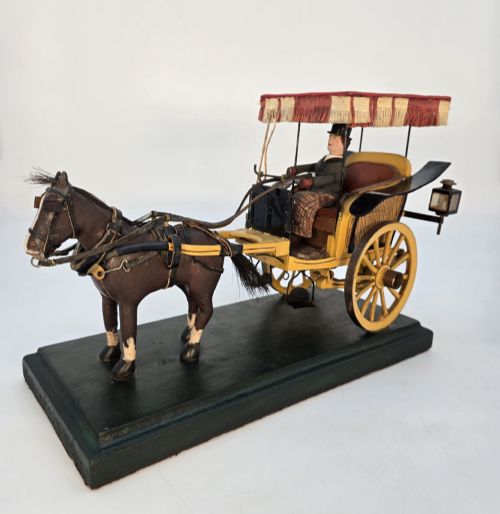
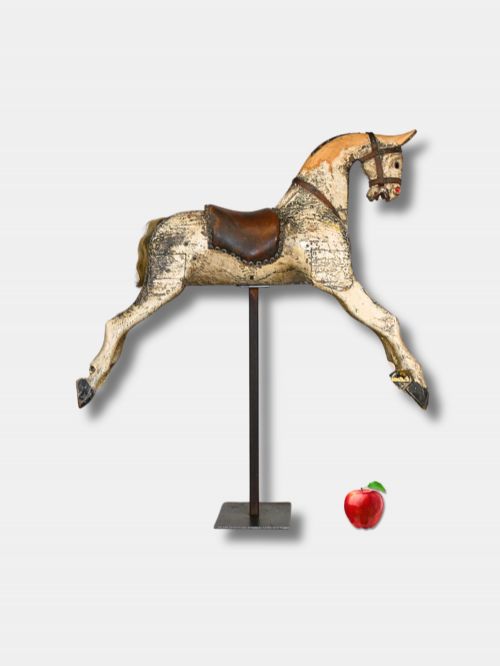
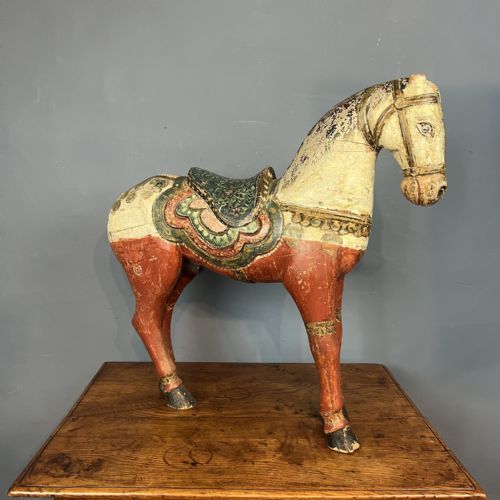
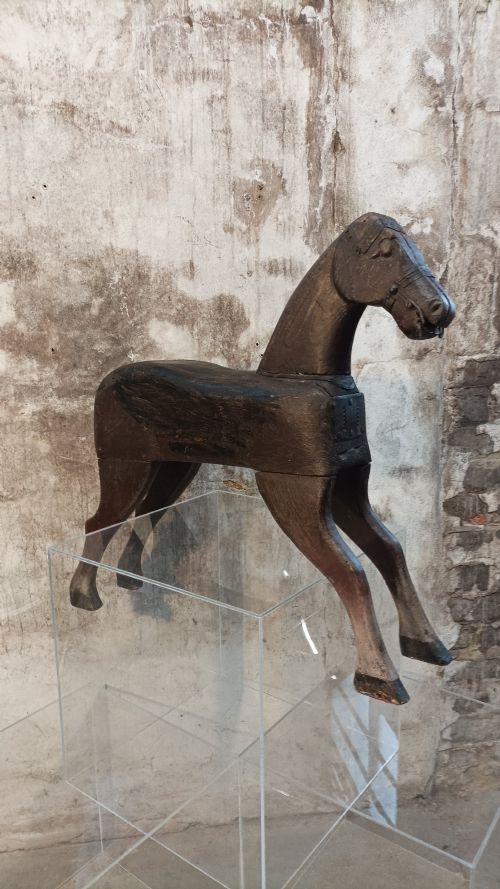
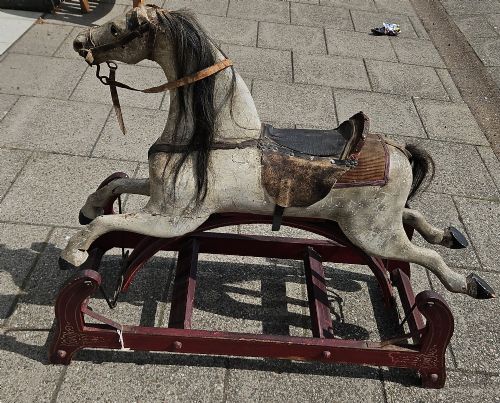
When you search for a painted wood horse, you encounter a surprisingly diverse selection of carved figures and toys. The offerings range from substantial Victorian nursery rocking horses to vibrant fairground carousel gallopers and rustic folk art carvings.
The pieces you meet most often on this page include nineteenth-century rocking horses mounted on original stands or trestle bases, alongside continental and British carousel figures. Alongside these carved sculptures, the selections occasionally embrace naive folk art models and decorative toys.
Origins span across British, French, Spanish, Swedish, and Indian workshops, reflecting a global tradition of shaping and colouring timber in the likeness of the animal. Each regional school brings distinct carving depths and surface treatments to the basic wooden form.
Materials and construction methods
Makers predominantly relied on solid timbers such as pine and mahogany, carving the bodies by hand before applying layers of paint to seal and decorate the wood. Iron, metal, and glass components frequently supplemented the timber structures, providing hardware, eyes, and structural reinforcement.
Many rocking horses and fairground figures incorporated horsehair for manes and tails, paired with leather saddles, tack, and harnesses. Surfaces were often layered with gesso beneath the paint, creating a smooth ground for dapple grey finishes or polychrome folk art decoration.
Glass eyes catch the light from unexpected angles, watching silently over the room long after the fairground music fades.
Distinguishing quality across the range
Quality rests heavily on the integrity of the surface and the vigour of the carving. Pieces retaining their original polychrome or dapple grey paint without heavy overpainting command greater interest from collectors.
The skeletal construction and anatomical proportion also dictate the standing of a piece. Finer carvers captured naturalistic movement and musculature, whereas naive folk art examples charm through deliberate simplicity and regional character.
G & J Lines of London·Collinson And Sons Liverpool·Andersons Bristol·R.D. Roberts
The Painted Wood Horse Glossary
- Galloper
- A large carved wooden horse designed for a fairground carousel, typically featuring dynamic poses and spirited expressions. These figures spent decades revolving on outdoor rides before entering the collector market.
- Polychrome
- Painted in several colours. This term describes surfaces decorated with vibrant pigments, often seen on folk art and carousel pieces.
- Dapple grey
- A mottled grey coat pattern traditionally applied to nursery rocking horses. Painters achieved this effect by sponging or stippling darker paint over a lighter base coat.
- Gesso
- A plaster-like mixture applied to wooden sculptures to create a smooth surface for painting. It provides the foundation for the detailed finishes found on nineteenth-century rocking horses.
Painted Wood Horse: Frequently Asked Questions
How do I care for a painted wood horse?
Keep the sculpture away from direct sunlight and fluctuating radiator heat to prevent the timber from splitting and the paint from flaking. Dust gently with a dry, soft cloth and avoid modern chemical cleaners.
Leather tack and horsehair elements benefit from occasional gentle maintenance, but preserve the aged surface integrity rather than attempting a restoration that strips the history.
Were these horses toys or decorative objects?
Many began life as functional children's toys, specifically the rocking horses that populated Victorian nurseries. Others served commercial purposes as fairground attractions or parade models.
Over time, surviving examples transitioned into decorative sculptures and folk art pieces valued for their sculptural presence rather than active play.
How can I tell a carousel horse from a rocking horse?
Carousel horses, or gallopers, generally feature mounting holes where iron bars secured them to the platform of the ride. Their postures are often more dramatic, capturing galloping motion with flying manes.
Rocking horses, by contrast, are constructed to balance on wooden rockers or stand within fixed trestle frames, engineered for a forward-and-back motion.