


Painted Wood Buffet Cabinet
These painted wood buffet cabinet pieces combine practical storage with historical painted finishes, offering character for period interiors.
Painted Wood Buffet Cabinet
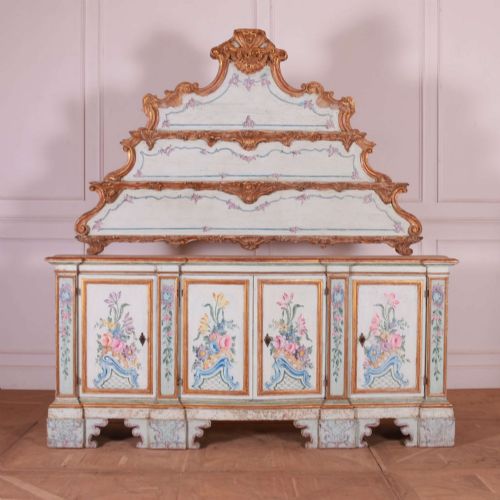
A painted wood buffet cabinet is a substantial storage piece used in dining rooms, kitchens and hallways for tableware and linens. These items appear in forms such as sideboards, dresser bases, cupboards and tall buffet de corps structures.
The selection on this page spans the 18th century, 19th century, Victorian era and specific years like 1880. Regional styles include French Provincial, Venetian Rococo, English Country, Italian Provincial, and Swedish ragwork painted examples.
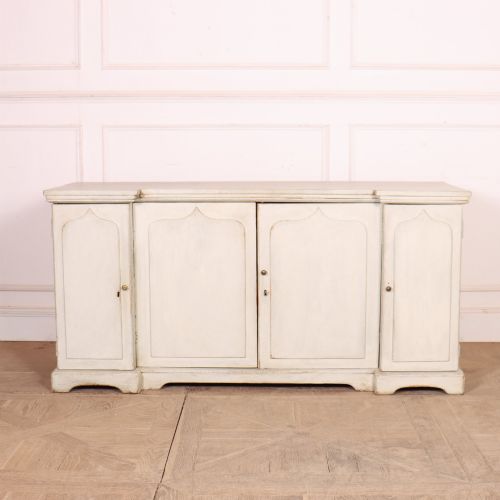
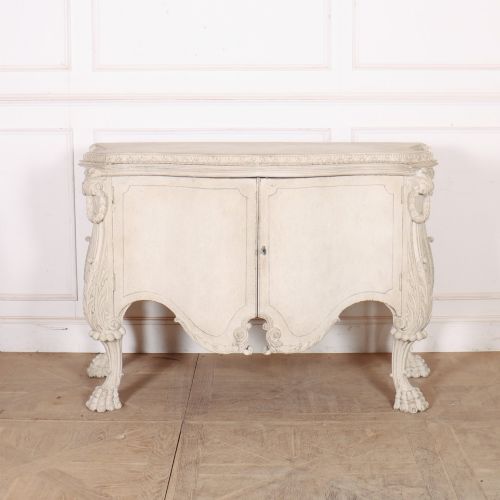
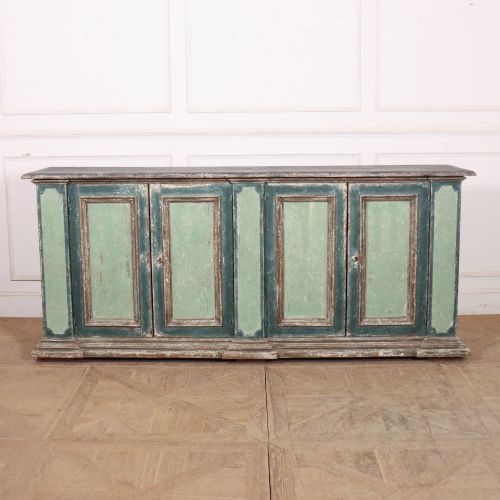
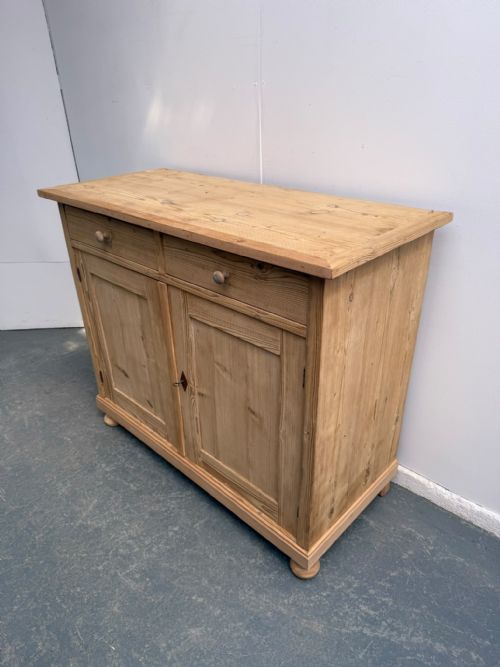
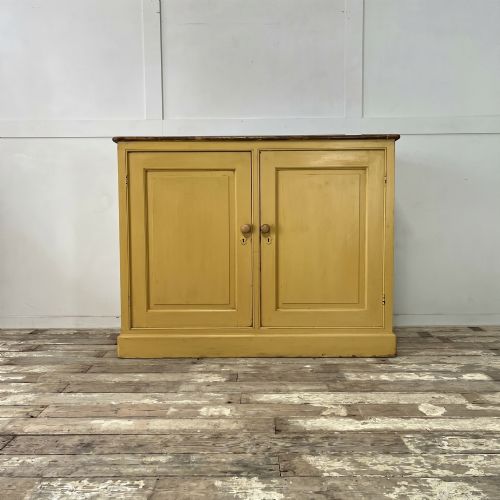
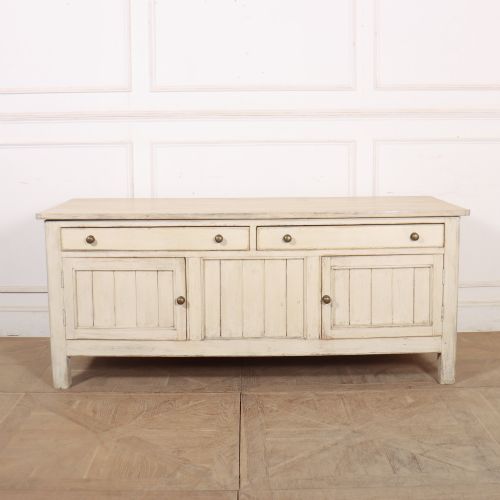
Buyers meet pieces ranging from modest pine school cupboards and shallow dresser bases to elaborate serpentine painted buffets and carved cabinets. Original painted surfaces sit alongside pieces prepared for waxing or painting.
How they were made
Construction relies primarily on pine and softwood carcasses, often incorporating brass and iron hardware such as hinges and handles. Cabinet makers built these units with panelled doors, drawers, and sturdy timber frames designed to bear heavy everyday use.
Listings span the 18th and 19th centuries, including Victorian pieces, constructed from pine, softwood, and walnut with iron and brass hardware.
What varies in quality
Quality rests in the survival of original paint surfaces and the integrity of the timber structure over centuries of use. Pieces retain distinct regional character depending on whether they originate from English country workshops or Venetian studios.
The sophistication of the form, from simple pine storage to serpentine fronts and carved details, determines the visual weight of the item. Original hardware and undisturbed joinery separate standard utility pieces from finer decorative examples.
The Painted Wood Buffet Cabinet Glossary
- Buffet de corps
- A tall, two-part French storage cabinet combining a lower cupboard section with an upper display or storage tier. These large pieces provide substantial capacity for dining rooms.
- Dresser base
- A lower kitchen or dining cabinet featuring drawers and cupboards beneath a flat top surface. They serve as practical worktops or serving stations.
- Serpentine
- A curved cabinet front that undulates in a convex-concave-convex shape. This fluid line appears on finer continental case furniture.
- Ragwork paint
- A decorative paint finish applied by manipulating rags over a wet base coat to create mottled texture. It appears on regional pieces like Swedish kitchen cupboards.
- Breakfront
- A piece of furniture where the central section projects forward from the flanking outer sections. This architectural arrangement breaks up the flat facade of large sideboards.
Painted Wood Buffet Cabinet: Frequently Asked Questions
What is a painted wood buffet cabinet?
A painted wood buffet cabinet is a storage piece designed for dining spaces and hallways, featuring doors and drawers. These items provide functional surface area and enclosed storage.
They appear in various regional styles including French, Italian, English and Swedish traditions, utilising pine, softwood and decorative paint finishes.
How do I date a painted wood buffet cabinet?
Dating involves examining the construction methods, timber types, and the characteristics of the painted finish. 18th-century examples often display regional continental forms, while Victorian pieces utilise pine and specific hardware.
Changes in drawer construction and joinery techniques help distinguish earlier pieces from 19th-century interpretations.
Where were painted buffet cabinets used?
These cabinets served primarily in domestic kitchens, dining rooms and pantries for storing provisions, crockery and linens. Large buffet de corps units held formal dining ware.
More modest pine cupboards functioned in school rooms or country houses for everyday utility and organisation.
How do I care for antique painted wood?
Care requires maintaining stable indoor humidity and avoiding direct sunlight to protect fragile historical paint layers and timber. Dusting with a soft, dry cloth prevents surface accumulation.
Wax finishes need periodic application only if the timber appears dry, avoiding harsh modern chemical cleaners entirely.