


Cream Painted Rococo Commode
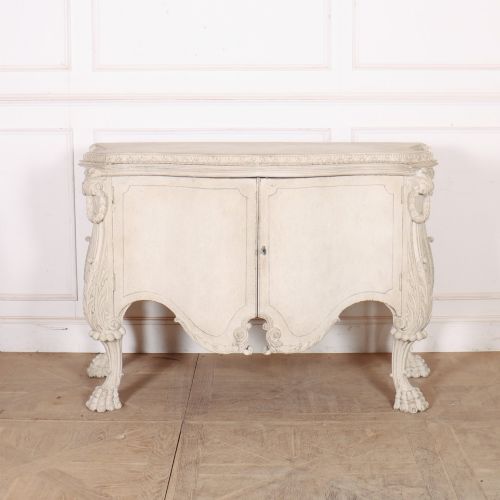
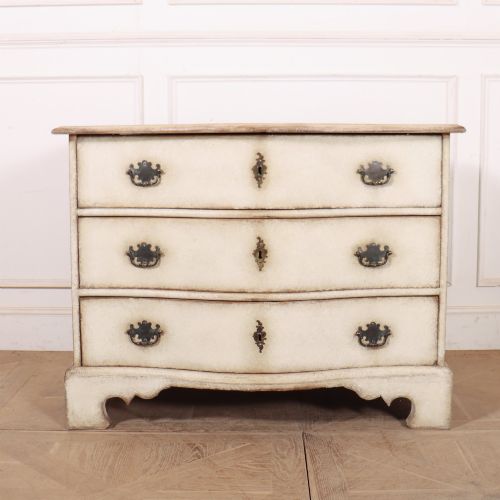
A cream painted rococo commode brings curved serpentine lines and historic character into a room.
Cream Painted Rococo Commode
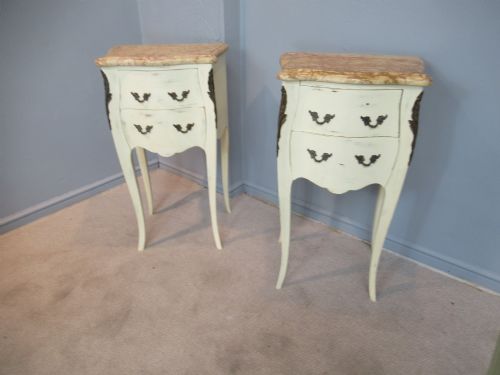
A cream painted rococo commode represents a decorative storage piece shaped with characteristic serpentine lines and curved fronts. These items take the form of chests of drawers, side cabinets, bedside tables, and buffets.
Buyers browsing this selection will most frequently encounter pieces originating from the eighteenth century alongside later revival periods up to the twentieth century. Regional variations span Italian, French, German, Scandinavian, and Venetian interpretations of the style.
The primary function remains practical storage, housed within ornate cabinetry designed to catch the eye in a bedroom or reception space.
How they were made
Makers constructed these commodes using wood and painted finishes, often applying gesso to build up decorative surface details. Marble tops frequently appear on these pieces, adding weight and a smooth horizontal surface above the carved wooden framework.
Metal and brass hardware complements the painted wood structure, providing functional pulls and mounts that match the flowing curves of the rococo aesthetic. The paintwork itself defines the exterior visual identity, applied over centuries using traditional techniques.
Even a stern hallway softens instantly when greeted by a serpentine buffet wearing an eighteenth-century coat of cream paint.
What varies in quality
Quality in a cream painted rococo commode rests in the execution of the carved wood and the harmony of the serpentine curves. Pieces from the eighteenth century demonstrate period craftsmanship, whereas revival items from later decades interpret the style with varying degrees of sculptural depth.
The integrity of the painted finish and the integration of marble tops distinguish finer examples from standard production. Superior hardware and well-fitted drawers elevate the overall standard of the cabinetry.
The Cream Painted Rococo Commode Glossary
- Serpentine
- A furniture front curved in a wave shape, concave in the centre and convex at the sides. This contour defines the silhouette of many commodes.
- Commode
- A low chest of drawers or cabinet designed for domestic storage. These pieces often stand on short legs and serve decorative functions.
- Rococo
- An ornate artistic style characterised by asymmetry, scrollwork, and curved organic forms. It flourished across Europe during the eighteenth century.
- Gesso
- A plaster mix applied to wood surfaces as a base for paint or gilding. It allows for the creation of crisp low-relief ornaments.
- Buffet
- A sideboard or storage cabinet used for holding tableware. Venetian examples in this selection display the characteristic painted rococo finish.
Cream Painted Rococo Commode: Frequently Asked Questions
What rooms suit a cream painted rococo commode?
These cabinets work well in bedrooms as bedside storage or in living spaces as decorative sideboards. Their curved profiles soften rigid room layouts.
The neutral cream paint allows them to blend with various interior palettes while maintaining a distinct historical focal point.
How do I distinguish eighteenth century from later revival pieces?
Eighteenth century examples show authentic age in the timber construction and the wear patterns of the original paint. Construction methods and joinery reveal the historical period of manufacture.
Revival pieces from the nineteenth and twentieth centuries often replicate the serpentine forms but utilise manufacturing techniques characteristic of their respective eras.
Are marble tops original to these commodes?
Marble tops frequently accompany rococo commodes, providing a durable and decorative surface above the drawers. Many period examples integrated stone from the outset.
The presence of marble enhances the weight and presence of the furniture piece within a room.
How do I care for the painted wooden surface?
Maintenance requires gentle dusting with a soft cloth to protect the painted and gesso finishes from abrasive damage. Avoid harsh chemical cleaners that might strip the historic paint.
Keeping the furniture away from direct heat sources prevents the wood from warping and preserves the structural integrity.