




Hand Painted Buffet
These hand painted antique buffet pieces bring rich painted surfaces and traditional storage to a room.
Hand Painted Buffet
When you search for a hand painted antique buffet, you encounter larger storage items alongside sideboards, dresser bases, and smaller side cabinets. These pieces date from the nineteenth century, including the Victorian era, up to the nineteen-twenties.
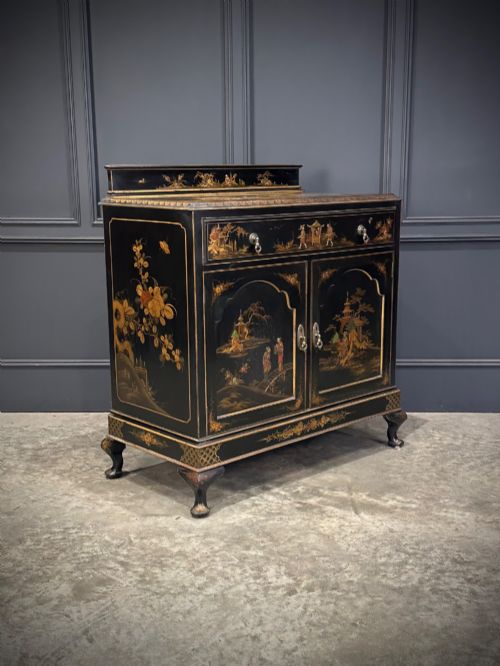
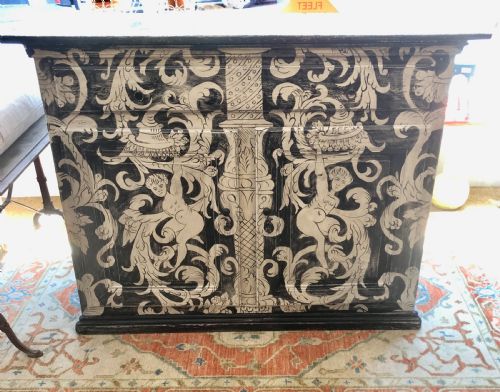
The most common examples on this page take the form of painted sideboards, cupboards, and cabinets featuring decorative surfaces. Origin styles range from English and Victorian country pieces to ornate French Renaissance Revival, Venetian Rococo, and Chinoiserie.
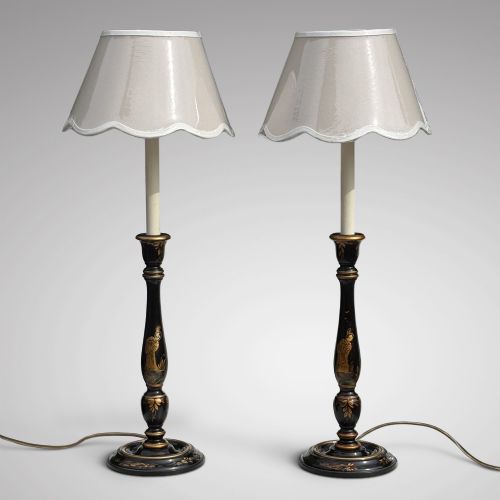
Alongside the primary buffet and cabinet forms, the selection includes related painted furniture and decorative items such as table lamps sharing similar periods and ornamental treatments.
How they were made
Construction relies primarily on wood, including walnut, satinwood, and mahogany, formed into sturdy sideboards, cabinets, and dressers. Some pieces utilise metal, brass, and gilt ormolu mounts to accent the timber frames.
Surface decoration defines the category, employing hand applied paint, lacquer, and japanning to create intricate finishes. Styles incorporate floral motifs, Chinoiserie scenes, and grotesque or classical patterns executed directly onto wood or lacquered wood substrates.
Listings feature items spanning the nineteenth century, the Victorian period, and nineteen-twenty, utilising wood, lacquer, and paint.
What varies in quality
The refinement of the hand painted detail sets one piece apart from another, ranging from simple floral decoration to complex Chinoiserie scenes or figurative work. The skill of the brushwork and the depth of the lacquer or painted finish dictate the visual impact.
Construction standards in the underlying timber and cabinetry vary, distinguishing standard utility furniture from more elaborate architectural forms with carved elements. The harmony between the decorative painted surface and the structural joinery defines the better examples.
Melissa White
The Hand Painted Buffet Glossary
- Japanning
- A European imitation of East Asian lacquer work popular on furniture. It involves layering dark varnishes and hand painting decorative motifs.
- Chinoiserie
- European artistic styles reflecting Chinese motifs and techniques. This aesthetic appears frequently on lacquered cabinets and table lamps.
- Dresser base
- The lower section of a traditional kitchen or dining room storage unit. These pieces provide heavy timber shelving and cupboard space.
- Ormolu
- Gilded bronze or brass mounts applied to furniture and decorative objects. This metalwork adds bright metallic contrast to dark wood surfaces.
- Serpentine
- A furniture front or edge curved in a wave shape. This contouring requires skilled woodworking and adds fluid movement to cabinets.
Hand Painted Buffet: Frequently Asked Questions
What is a hand painted antique buffet?
A hand painted antique buffet is a historic storage piece featuring decorative painted surfaces. These items range from Victorian country dresser bases to ornate Venetian and Chinoiserie cabinets.
They serve primarily as dining room or living area storage while functioning as prominent decorative focal points due to their artistic finishes.
How do I date these pieces?
Dating relies on observing construction methods, timber types, and stylistic indicators such as Victorian proportions or nineteen-twenties lacquer work. Specific decorative techniques and historical revival styles also point to particular decades.
Comparing the primary wood structure with the secondary timbers helps establish the likely period of manufacture.
Where were these buffets used?
These items were traditionally placed in dining rooms, kitchens, and grand reception spaces to store tableware, linens, and provisions. Their decorative painted finishes allowed them to sit in formal sitting rooms as display cabinets.
Today, they transition easily into modern hallways, living rooms, and bedrooms for functional storage.
How do I care for painted wood?
Caring for painted and lacquered antique surfaces involves keeping them out of direct sunlight and maintaining stable indoor humidity. Dusting with a soft, dry cloth prevents particulate accumulation without damaging the finish.
Avoid chemical cleaning products and excessive moisture, which can degrade old paint and lacquer layers.