





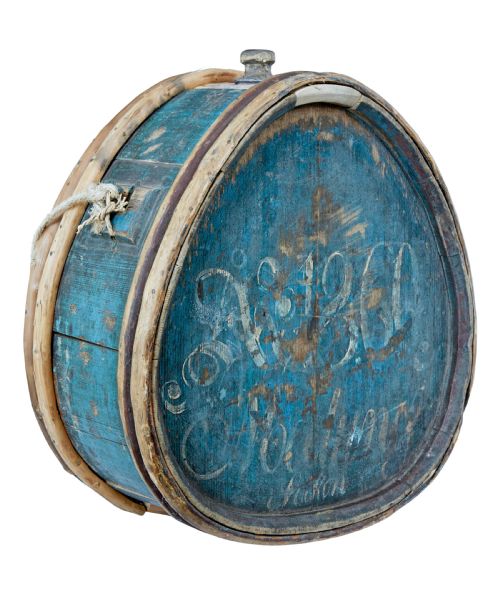


Painted Water Vessel
These painted water vessel pieces unite practical utility and painted artistry, offering character across diverse periods.
Painted Water Vessel
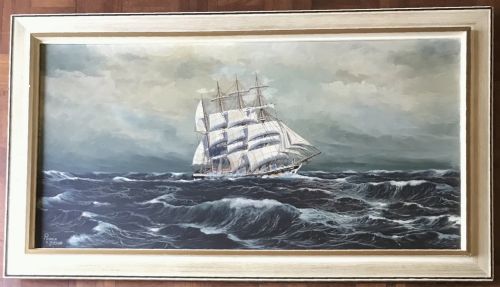
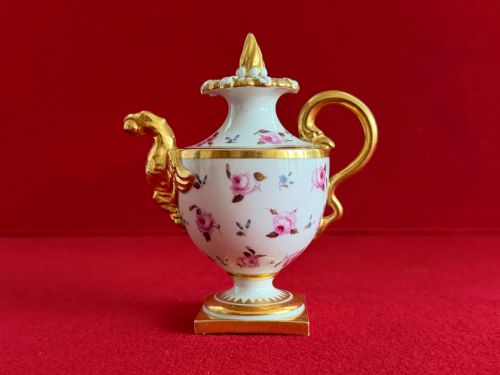
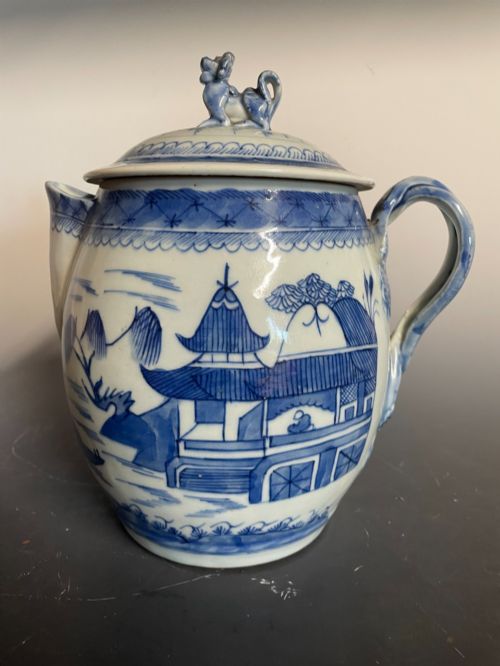
When you search for a painted water vessel, you encounter a varied assortment of ceramics, metalwork, and wooden containers designed to hold or dispense liquids. The pieces on this page span several centuries, encompassing items such as porcelain jugs, majolica vessels, and toleware hot water cans.
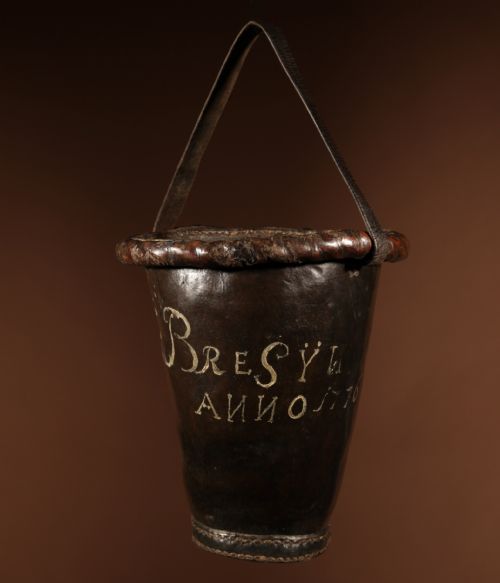
The selection ranges from early pottery and leather buckets to Victorian glass ewers and Chinese export porcelain jars. These objects served domestic, decorative, and maritime functions, reflecting the specific liquid-handling needs of their respective eras.
You will also find painted water vessel examples linked to wider cultural traditions, including Persian Safavid pottery and Swedish folk carriers. Each piece demonstrates how makers combined functional vessel forms with surface painting or enamel work.
How They Were Made
Makers shaped these items using porcelain, earthenware, ceramic, glass, metal toleware, and wood. Surfaces were then embellished through underglaze painting, enamel decoration, or oil painting techniques directly onto the material.
Potters and artisans utilised traditional firing, glazing, and metal-shaping methods suited to each period, from Regency porcelain to rustic folk carriers.
Painted Water Vessel Retail Price Guide 2026
Typical asking prices for painted water vessel among the pieces listed under this phrase on Sellingantiques today, from the lower quarter to the upper quarter. They describe what is for sale here now, not the wider market.
Some vessels feature delicate painted fish and water plants swimming eternally across glass surfaces, bringing aquatic life indoors without the need for feeding.
What Varies in Quality
The standard of a painted water vessel depends upon the finesse of its form and the execution of its painted surface details. Superior examples display precise brushwork, balanced proportions, and well-preserved glazes or enamels.
The distinction between standard domestic items and finer pieces lies in the sophistication of the decoration and the integrity of the original material.
Flight Barr And Barr·Royal Worcester·Harrach
The Painted Water Vessel Glossary
- Ewer
- A large jug or pitcher with a wide spout and handle, traditionally used for holding and pouring water. These vessels often feature decorative painted or enamelled surfaces.
- Majolica
- A type of earthenware coated with an opaque white tin glaze and painted with metallic oxide colours. It became popular for colourful decorative vessels.
- Toleware
- Metalware, usually iron, that has been lacquered or enamelled and painted by hand. Hot water cans and similar containers frequently utilised this durable technique.
- Kendi
- A spouted drinking vessel originating from Southeast Asia and produced in various regions including Persia. These pottery pieces are typically used for holding water.
- Underglaze
- A method of decorating pottery where colours are applied to the unfired clay body before the clear glaze is added. This technique protects the painted design beneath a glassy layer.
Painted Water Vessel: Frequently Asked Questions
What is a painted water vessel?
A painted water vessel is a functional container adorned with painted or enamelled designs, ranging from ceramic jugs to metal hot water cans.
These items combine liquid storage utility with decorative artistic expression across various historical periods.
How were hot water cans used?
Hot water cans were utilised in domestic settings to transport heated water for washing and bathing before modern plumbing.
Servants carried them to bedrooms, relying on their painted or metal construction to retain heat during transit.
Are these vessels waterproof?
Many ceramic, glass, and metal vessels were originally made to hold liquids securely during daily use.
Over time, age and wear can affect internal seals, so modern owners often treat them as decorative display items.
How do I care for enamelled glass?
Enamelled glass requires gentle handling to protect the delicate painted surface details from abrasion and moisture damage.
Clean surfaces carefully with a dry or barely damp cloth, avoiding harsh chemical cleaners entirely.