



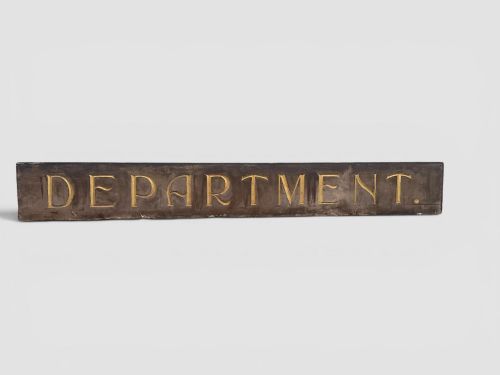
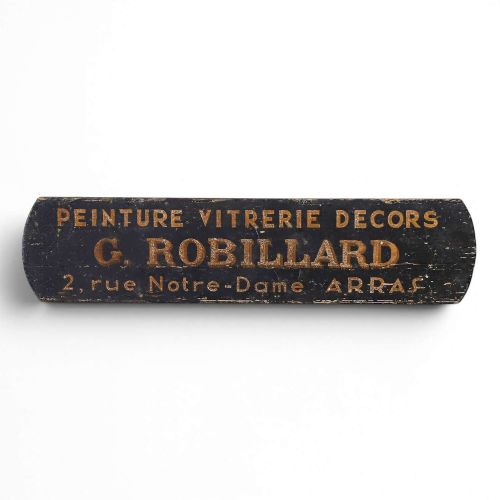
Painted Trade Sign
These painted trade sign pieces bring commercial history into rooms, offering tangible links to past high streets.
Painted Trade Sign
A painted trade sign is a commercial artefact designed to advertise a profession, service, or retail business to the passing public. Buyers searching this phrase encounter items originating from Victorian, Edwardian, and mid-20th-century periods, spanning timber panels to metal boards.
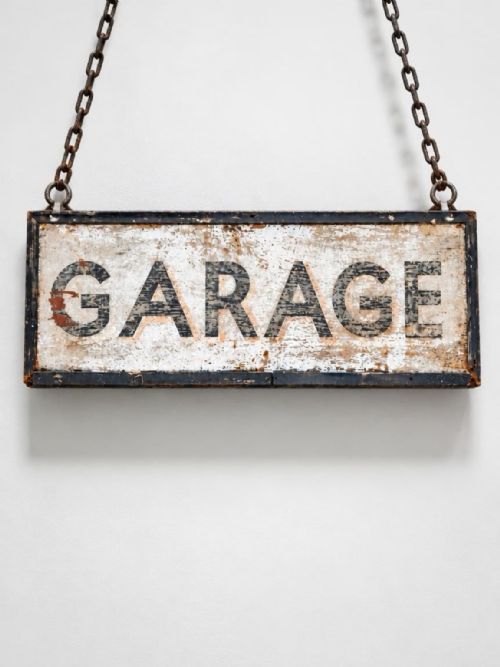
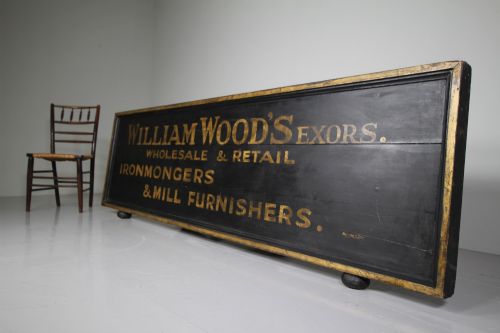
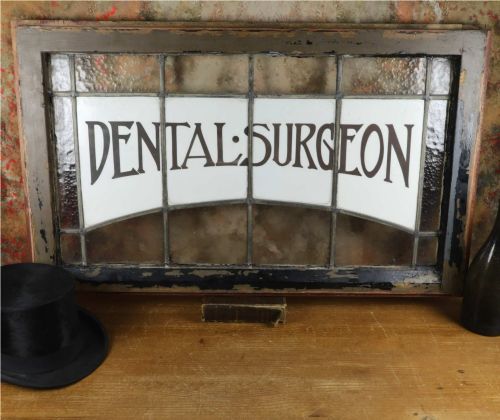
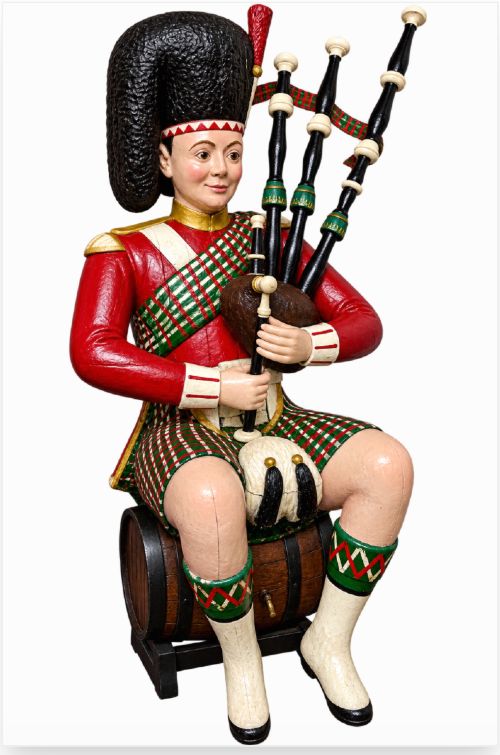
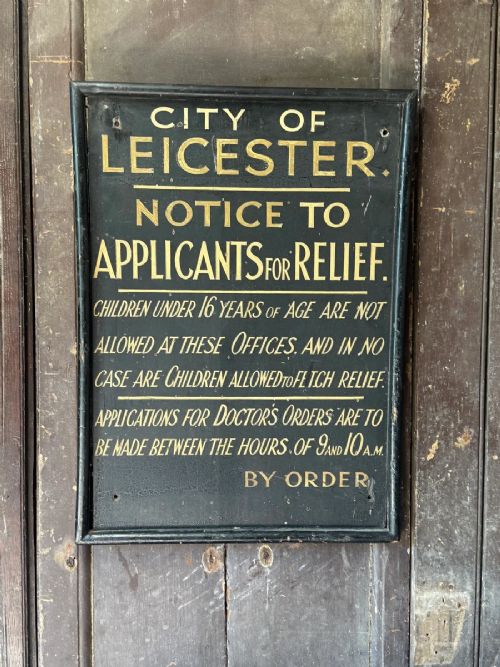
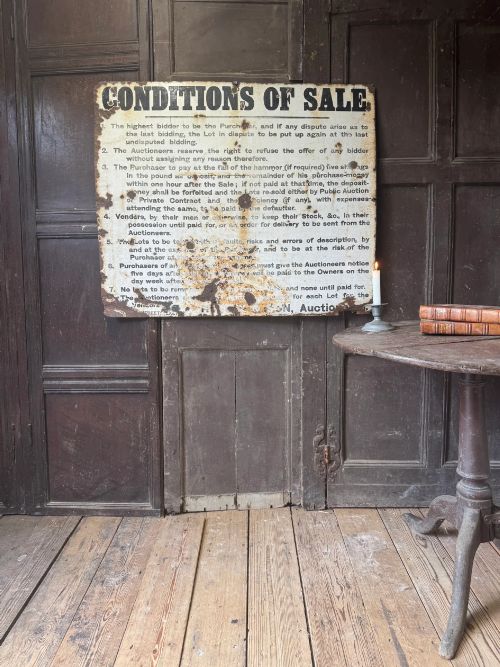
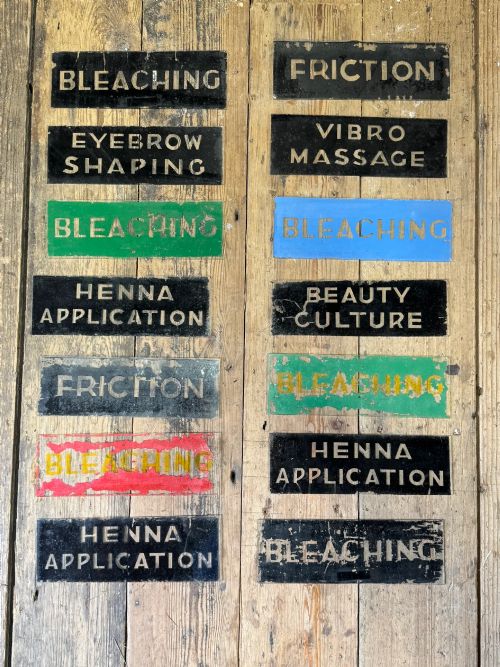
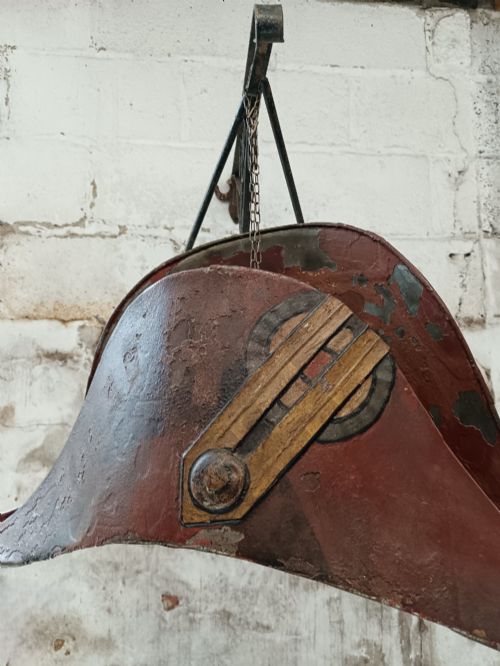
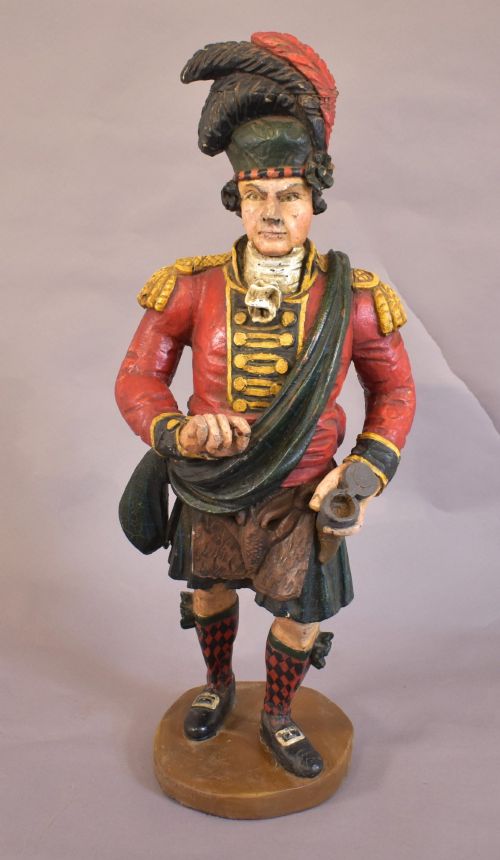
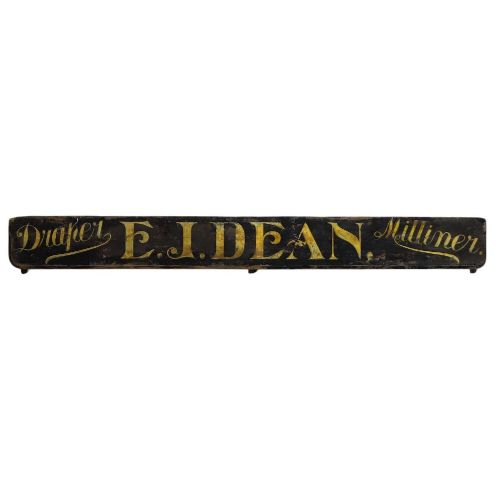
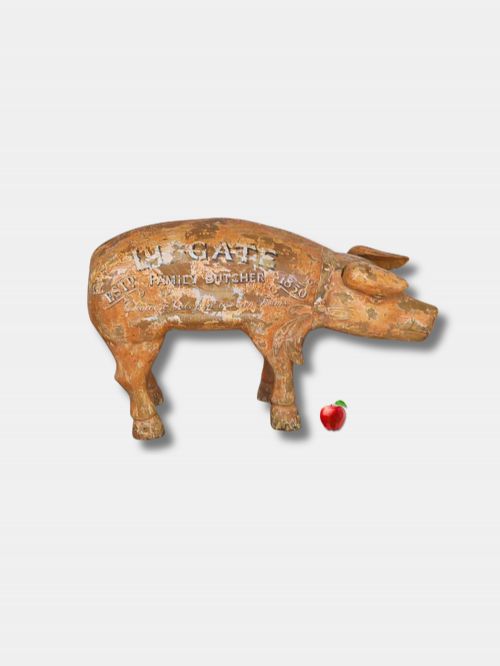
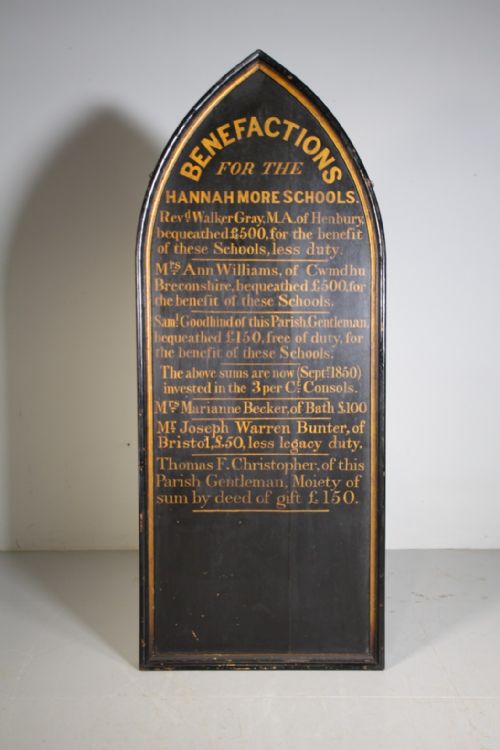
The pieces on this page comprise wall signs, hanging pub signs, shop display models, and reverse-painted glass panels. Wooden boards lettered for ironmongers, butchers, and milliners appear alongside metal auctioneer notices and pharmacy boards.
How they were made
Makers relied primarily on wood, pine, metal, sheet metal, and iron as substrates for their lettering and imagery. Surfaces were prepared with oil paint, sometimes enhanced with gold leaf to catch the daylight on busy thoroughfares.
Glass was utilised for reverse-painted windows, while specialised display items incorporated carved wood, toleware, composition, and wrought iron. Each medium required techniques durable enough to withstand outdoor exposure or constant shop handling.
Painted Trade Sign Retail Price Guide 2026
Typical asking prices for painted trade sign among the pieces listed under this phrase on Sellingantiques today, from the lower quarter to the upper quarter. They describe what is for sale here now, not the wider market.
Current listings feature timber, iron, glass, and toleware materials across Victorian, Edwardian, and mid-20th-century periods.
What varies in quality
The standard of a painted trade sign rests upon the crispness of the lettering, the confidence of the hand-painted pictorial elements, and the preservation of the original surface. Signs executed by skilled artisans command attention through balanced composition and deliberate choice of typography.
Integrity of material also dictates merit, with untouched original paint surfaces outranking later overpainting or heavy restoration. Pieces that retain their mounting brackets, original wooden frames, or authentic signs of weathering possess greater historical cohesion.
The Painted Trade Sign Glossary
- Toleware
- Painted or enamelled sheet metal items produced for domestic or commercial use. This technique allowed artisans to shape and decorate durable metal objects.
- Reverse-painted glass
- A method where lettering and design are applied to the back of a glass panel so the polished front protects the pigment. This creates a glossy finish suited for interior shop windows.
- Folk art
- Utilitarian objects created by self-taught or non-professional makers rather than trained academics. These pieces display vernacular charm and unpretentious regional characteristics.
- Architectural salvage
- Building elements and exterior fixtures rescued from structures slated for demolition. Such items often include hanging brackets and metal signage panels.
- Shop display model
- Three-dimensional figures or objects, such as loaves of bread or animals, fashioned to advertise specific trades. These items stood outside or inside premises to attract custom without relying purely on text.
Painted Trade Sign: Frequently Asked Questions
How were trade signs displayed?
Signs were mounted directly onto exterior building facades, hung from iron brackets above pavements, or placed inside windows. Many relied on weather-resistant framing to protect the timber and paint from rain.
Interior examples adorned shop walls, backdrops behind counters, or hung near specific service areas. Their placement was designed to catch the eye of pedestrians and passing carriage traffic.
How do I identify the period?
Dating relies upon stylistic cues in the typography, the choice of materials, and the construction methods of the backing board. Victorian and Edwardian pieces often utilise serif lettering and heavy pine grounds.
Mid-century examples lean towards simpler sans-serif fonts and sheet metal substrates. Examining the wear patterns and underlying paint layers helps confirm the era of production.
Can these signs hang outside?
Most antique signs were originally built for outdoor conditions, but prolonged modern weather exposure can degrade delicate original surfaces. Placing them under a covered porch or inside protects the fragile paint and gold leaf.
Indoor display ensures the historic patina remains stable without risking moisture damage to the wood or ironwork.