


Painted Top End Tables
These painted top end tables bring character to a room through varied period styles and distressed surfaces.
Painted Top End Tables
When you search for painted top end tables, you encounter an array of occasional furniture spanning the nineteenth and early twentieth centuries. These pieces serve practical functions beside a bed, sofa, or hallway chair while introducing decorative surface work.
The selection here encompasses forms like side tables, lamp tables, and bedside tables originating from English, French, and Scandinavian workshops. You meet rustic country pieces alongside more formal Louis XVI and Chippendale styles.
Swedish and French examples dominate the aesthetic, frequently displaying distressed paint finishes on pine or hardwood frames. Each piece offers a compact surface supported by turned legs, pedestal bases, or trestle frames.
How they were made
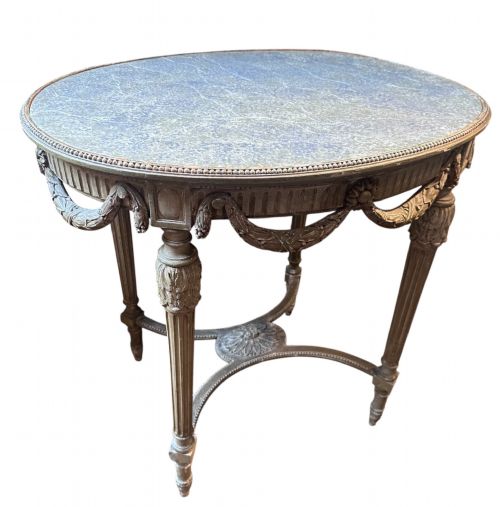
Cabinetmakers utilised timber such as pine and mahogany for the structural frames, often joining tops with cleated ends or incorporating inset marble slabs. Wood surfaces received priming coats before layer upon layer of traditional paint was applied.
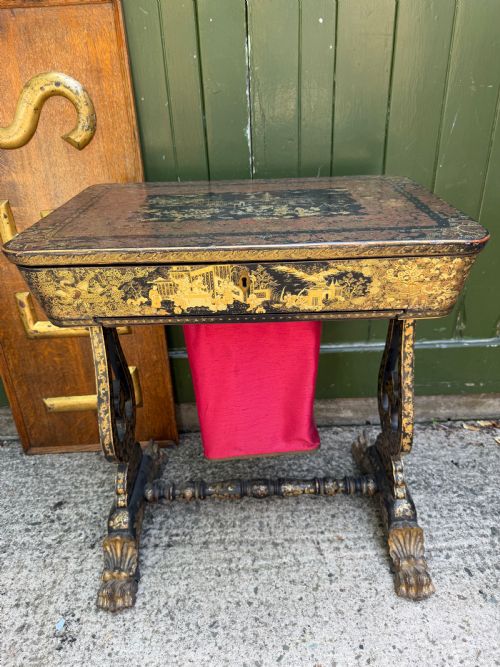
Decoration relied on hand-applied pigments, gilding, and parcel gilt highlights to accentuate carved details. Metal elements like brass fixtures appear on select items, while lacquer work utilises specialised oriental varnishes on imported carcases.
Listings feature items from the nineteenth century, Edwardian period, and early nineteen-hundreds, utilising pine, mahogany, and marble.
What varies in quality
The distinction between ordinary and superior pieces rests in the integrity of the original paint surface and the stability of the timber construction. Retained surface patination from nineteenth-century workshops holds greater merit than later repainting.
Joinery execution sets the finer tables apart, visible in the neatness of pegged joints, the weight of marble inserts, and the precision of carved mouldings rather than applied composition ornaments.
The Painted Top End Tables Glossary
- Occasional table
- A small table designed for flexible placement in a room rather than a single fixed purpose. These pieces function easily beside seating or in hallways.
- Gueridon
- A small French occasional table, often round, supported by a central pillar or three legs. The form originated in the seventeenth century.
- Parcel gilt
- Woodwork or plaster partially decorated with gold leaf or gold paint, leaving areas of the underlying paint or wood exposed. This technique highlights carved mouldings.
- Cleated ends
- Wooden battens fixed across the ends of a plank table top to prevent warping. This construction method appears frequently on rustic pine tables.
- Cricket table
- A small, light three-legged table with a round wooden top, originating in England. The three legs ensure stability on uneven floors.
Painted Top End Tables: Frequently Asked Questions
Where should I place a painted side table?
These tables fit easily beside a sofa, armchair, or bed to hold lamps, books, or small decorative objects. Their compact footprints allow them to sit in hallways or corners without dominating a floor plan.
The varied heights and top dimensions mean you can match specific seating levels, whether choosing a low bedside table or a taller lamp table.
How do I clean a painted wooden top?
Dust the surface regularly with a soft, dry cloth to prevent dirt accumulation. Avoid harsh chemical cleaners or excessive moisture that might damage aged paint layers.
Wax polish is suitable for sealed timber, but check whether the paint finish is delicate before applying any conditioning products.
Are these tables sturdy enough for daily use?
Most nineteenth-century and early twentieth-century examples are constructed from solid pine or hardwoods, making them robust for holding everyday items. Tables with cleated ends or sturdy frames handle normal domestic loads well.
Delicate items featuring intricate lacquer or fine gilding benefit from slightly more careful placement away from heavy traffic areas.
How can I tell a Swedish table from a French one?
Swedish pieces tend to feature pale, muted paint finishes on pine, reflecting Scandinavian country aesthetics. They often prioritize functional simplicity with clean lines and understated turned legs.
French tables frequently lean toward Louis XVI or Régence styles, incorporating carved details, parcel gilt highlights, or inset marble tops.