




Painted Tin Vessels
These painted tin vessels span centuries of glazed pottery and toleware, offering functional display pieces for the home.
Painted Tin Vessels
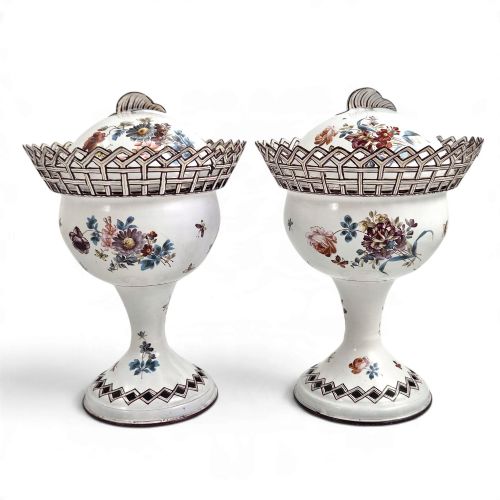
Painted tin vessels encompass diverse decorative and utilitarian objects, notably tin-glazed earthenware and metal toleware spanning the eighteenth to early twentieth centuries.
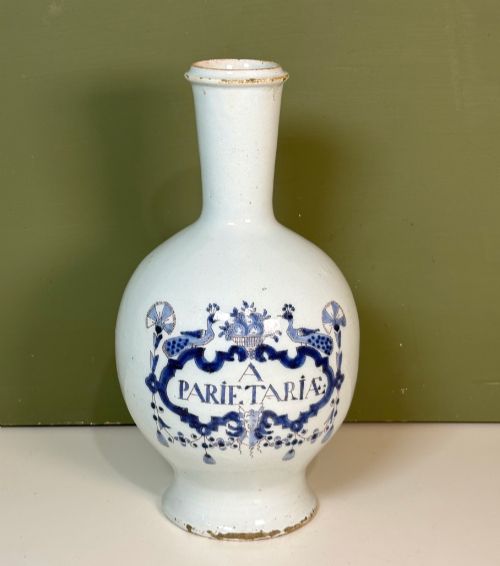
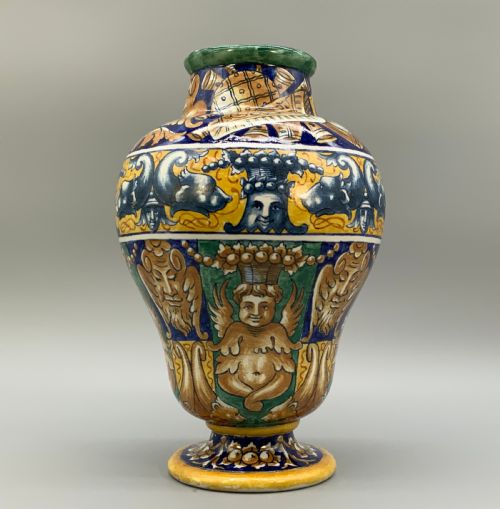
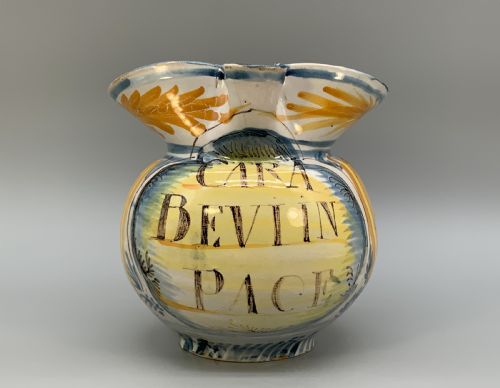
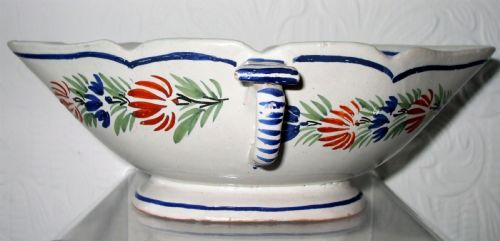
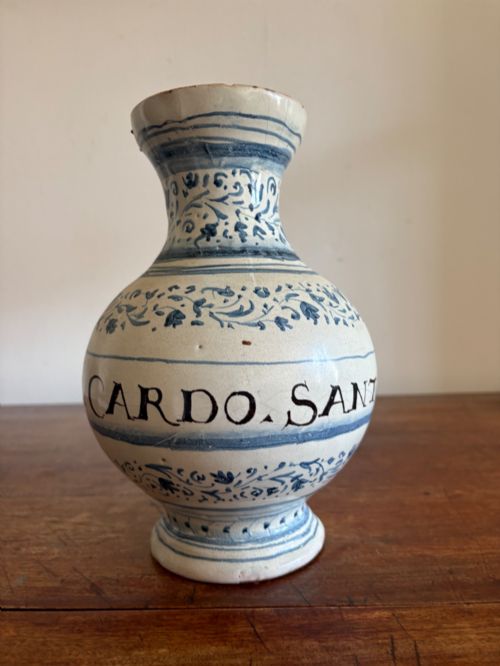
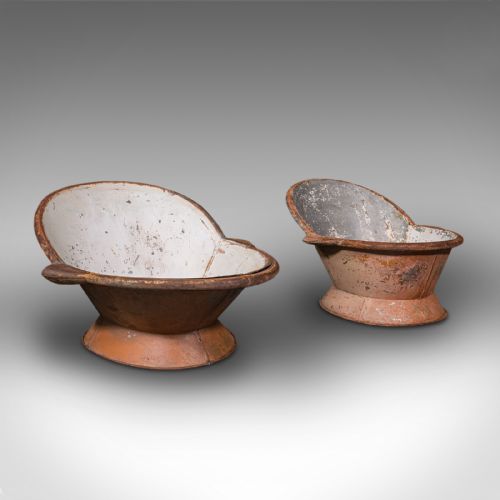
Buyers encounter distinct forms here, including apothecary jars, drug albarelli, pharmacy jugs, decorative urns, puzzle jugs, sauceboats, and large Victorian hot water cans.
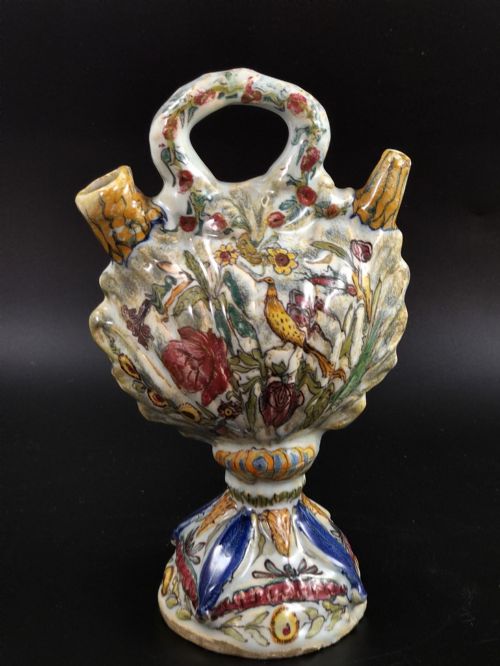
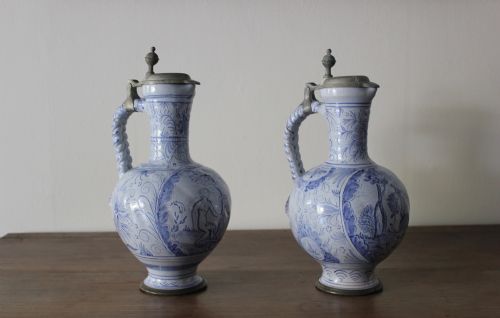
Origins stretch across European traditions, featuring Dutch Delftware, French tole peinte and faience, and Italian majolica ranging from the eighteenth century to the early twentieth century.
How they were made
Ceramic pieces utilise earthenware bodies coated in a tin glaze, which provides an opaque white or coloured surface for subsequent painting.
Metal items employ sheet tin decorated with paint, as seen in French tole peinte and Victorian toleware vessels.
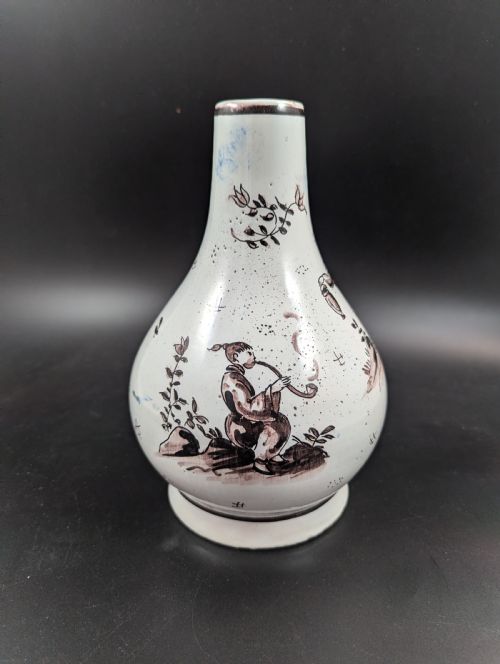
Decoration relies on manual brushwork, incorporating polychrome pigments, manganese, yellow, and blue and white designs across the pottery and metal forms.
Painted Tin Vessels Retail Price Guide 2026
Typical asking prices for painted tin vessels among the pieces listed under this phrase on Sellingantiques today, from the lower quarter to the upper quarter. They describe what is for sale here now, not the wider market.
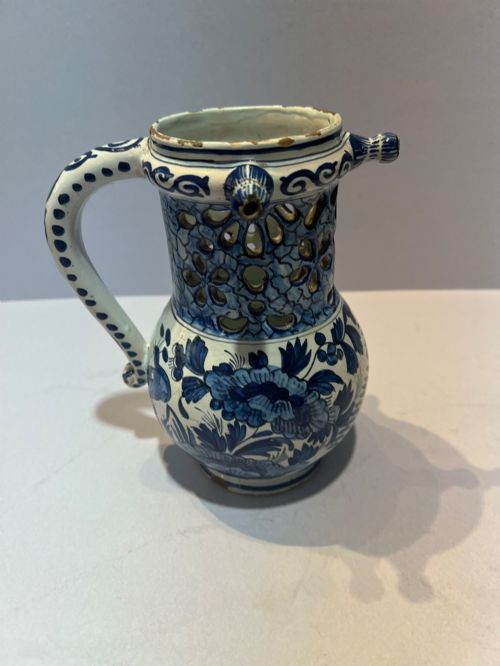
Puzzle jugs challenge drinkers to imbibe without spilling through hidden spouts, combining pharmacy utility with tavern mischief.
What varies in quality
Quality rests upon the execution of the hand-painted decoration, where precise brushwork and well-defined polychrome or blue and white pigments elevate the piece.
The integrity of the tin glaze and the preservation of the underlying ceramic or metal body dictate the overall standard of survival in these vessels.
The Painted Tin Vessels Glossary
- Albarello
- A cylindrical pharmacy jar designed for holding dry drugs or ointments. These earthenware vessels often feature waisted bodies for ease of handling.
- Toleware
- Metalware painted and enamelled in decorative finishes, originating from French tole peinte techniques. These items include utilitarian containers such as hot water cans.
- Majolica
- Tin-glazed earthenware produced in Italy, known for rich polychrome painting and white opaque grounds. Styles range from Renaissance Revival to Italian Baroque.
- Delftware
- Tin-glazed pottery originating in the Netherlands, frequently decorated in blue and white. Pieces include apothecary bottles, vases, and puzzle jugs.
- Faience
- European tin-glazed earthenware produced outside Italy and the Netherlands, particularly in France. Items include double sauceboats and armorial flasks.
Painted Tin Vessels: Frequently Asked Questions
What are painted tin vessels?
These pieces comprise tin-glazed earthenware ceramics and painted metal toleware designed for utilitarian and decorative purposes.
They include apothecary jars, pharmacy jugs, vases, and household cans spanning multiple European stylistic traditions.
How were pharmacy jars used?
Apothecary jars and albarelli held dry drugs, ointments, and medicinal liquids within historical pharmacies and dispensaries.
Their labelled surfaces and secure forms allowed apothecaries to organise contents efficiently.
How do I identify periods?
Periods are identified through stylistic traits, glaze composition, and manufacturing techniques characteristic of eighteenth-century Dutch Delft or nineteenth-century Italian majolica.
Subtle shifts in pigment use, such as manganese and yellow highlights, assist in dating.
How do I clean toleware?
Painted metal items require gentle dusting with a dry cloth to protect the underlying paint layers.
Moisture and harsh cleaning agents damage the historic surfaces of tin-glazed and painted metal objects.