





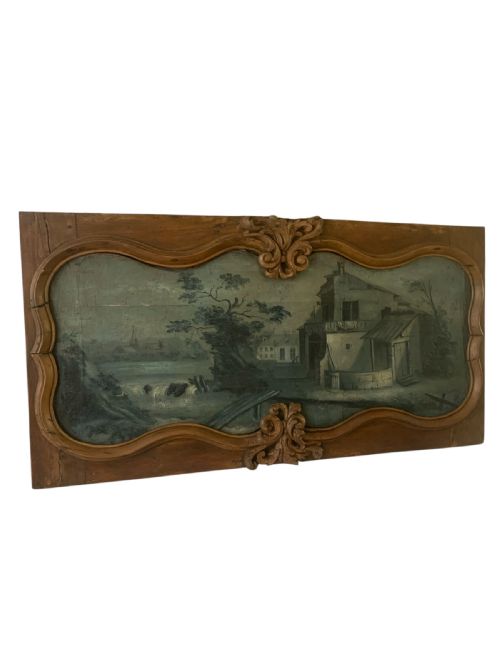

Painted Timber Wall Art
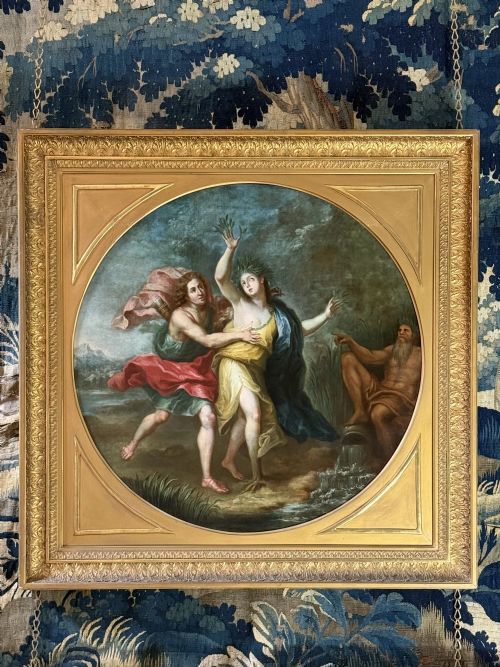
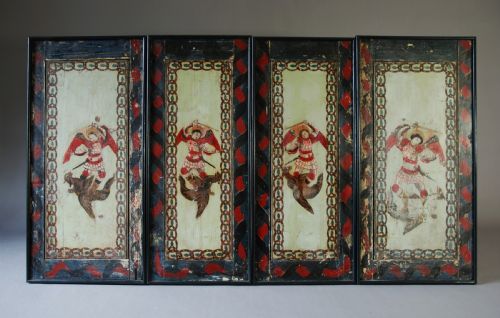
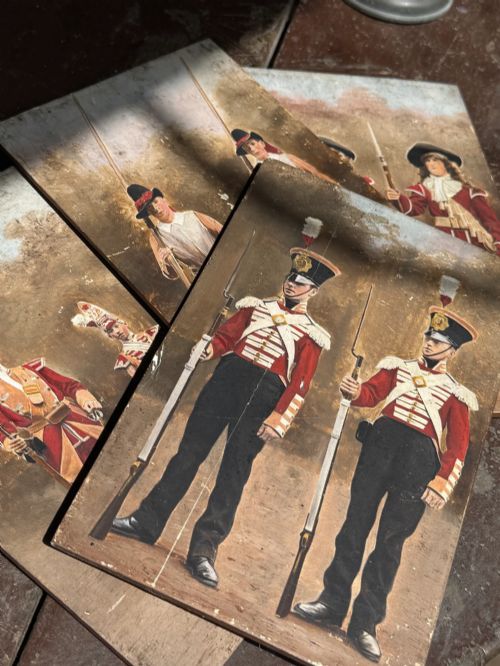
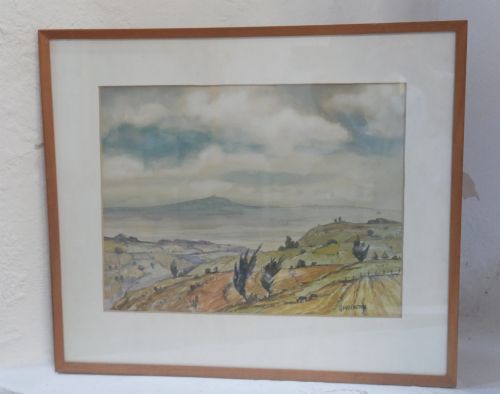
These painted timber wall art pieces range from architectural salvage and folk panels to framed oils.

Painted Timber Wall Art
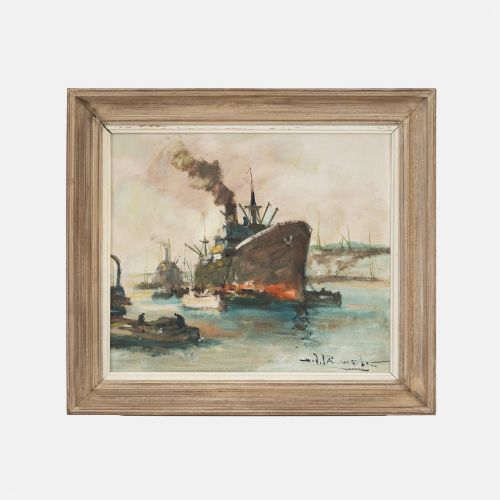
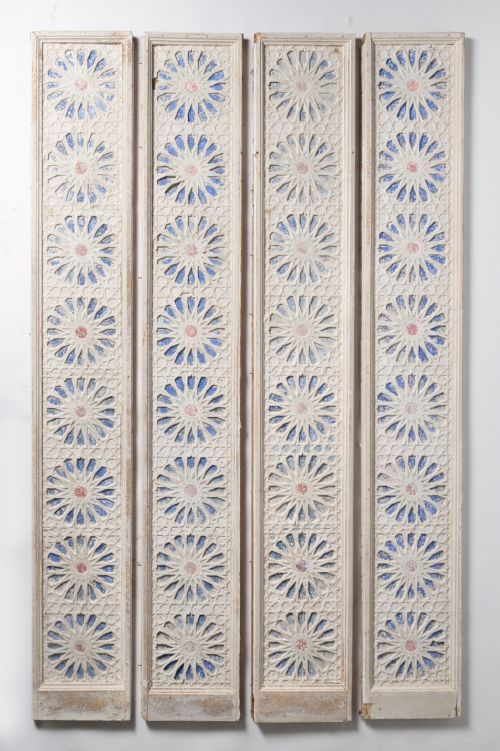
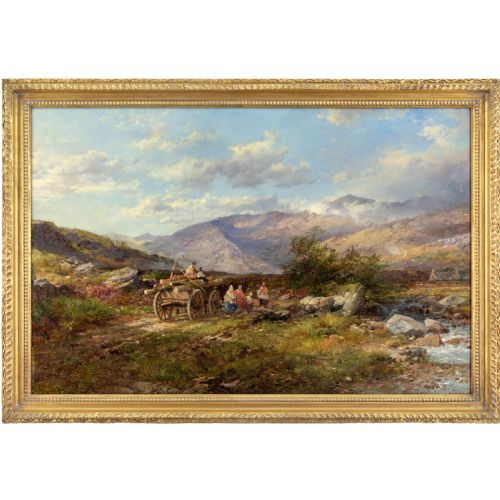
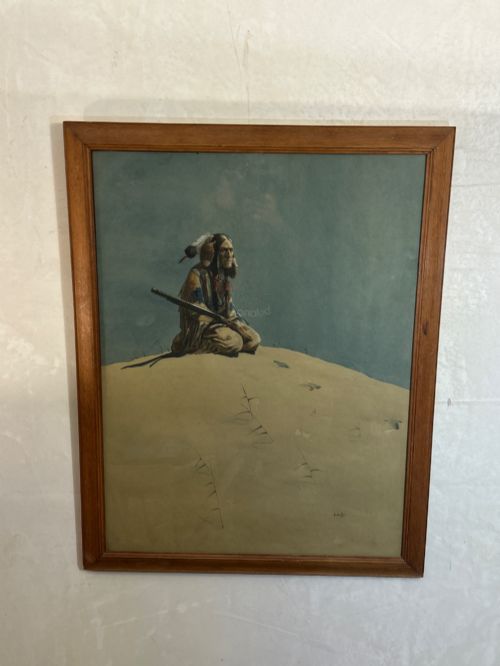
Painted timber wall art encompasses diverse wooden objects bearing pigment, oil, or watercolour, spanning centuries from the eighteenth period to the mid-twentieth century. Buyers searching for painted timber wall art encounter architectural salvage, overdoor panels, fairground boards, cart fragments, and carved panels.
The selection leans heavily toward utilitarian items repurposed for display, including carnival game panels, carousel boards, and painted doors originating from various regions.
Works on panel and canvas share space with carved wood figures and maritime dioramas, reflecting eclectic origins from British, French, Swedish, and Chinese workshops.
Materials and construction
Pieces combine solid timber, pine, or carved wood supports with applied layers of paint, pigment, or oil mediums. Artists and artisans utilised canvas, paper, and glass alongside raw wood surfaces.
Decoration ranges from naive folk application on pine panels to refined oil painting and watercolour illustrations by named artists.
Painted Timber Wall Art Retail Price Guide 2026
Typical asking prices for painted timber wall art among the pieces listed under this phrase on Sellingantiques today, from the lower quarter to the upper quarter. They describe what is for sale here now, not the wider market.
Listings feature wood, paint, canvas, glass, and pigment across styles ranging from French Rococo and Folk Art to British Impressionism.
Quality factors
Quality rests on the integrity of the original painted surface, the dexterity of the brushwork, and the preservation of the timber support. Early panels retaining their untouched primary pigment command greater attention than heavily restored examples.
The distinction between naive folk execution and academic portraiture or landscape painting also defines the character of each piece.
Charles Antoine Coypel·John Hassall·Raimond Louis Lecourt·C W Tuck·W E Evans·George E Sharpe·James William Booth·Christoffel Bisschop·Annie L Lee·Donald Watson·Bertram Priestman·William Woodhouse·Joseph Paul
The Painted Timber Wall Art Glossary
- Overdoor panel
- A decorative painted wooden piece designed to fit horizontally above a doorway. These often feature classical or pastoral subjects.
- Fairground board
- A large painted timber panel utilised on carnival attractions or carousel rides during the early twentieth century. They display bold colours and vernacular designs.
- Cart fragment
- A salvaged section of a working vehicle, such as a Sicilian cart or Chinese cart door, retaining regional decorative painting.
- Maritime diorama
- A three-dimensional constructed scene depicting ships or coastal subjects, often housed within a framed wooden box behind glass.
- Reverse print on glass
- An image painted or printed directly onto the reverse side of a glass sheet, creating a glossy finished surface.
Painted Timber Wall Art: Frequently Asked Questions
What periods do these pieces cover?
The selection spans multiple centuries, with particular representation from the eighteenth, nineteenth, and early twentieth centuries. Individual listings document specific eras from the seventeen-hundreds through to nineteen-sixty.
Each item carries characteristics specific to its decade of origin, visible in the preparation of the wood and the formulation of the paint.
How are architectural salvage panels hung?
Salvaged panels and fairground boards typically require sturdy wall fixings due to the weight of the solid timber and framing. Many retain original structural elements that assist with mounting.
Care should be taken to assess the rear of each wooden support before installation.
Are the paintings on canvas or wood?
The inventory includes both approaches, utilising timber panels, carved wood, and canvas stretched over frames. Some artworks combine oil paint directly onto prepared wooden boards.
Descriptions specify whether the primary support is timber, canvas, or paper behind glass.
Where do folk art panels originate?
Geographical origins vary widely, encompassing British, French, Swedish, Dutch, Indian, and Chinese pieces. Folk traditions appear in Swedish deer panels and Sicilian cart fragments alike.
Each region employed distinct local woods and pigment mixtures unique to local workshops.