

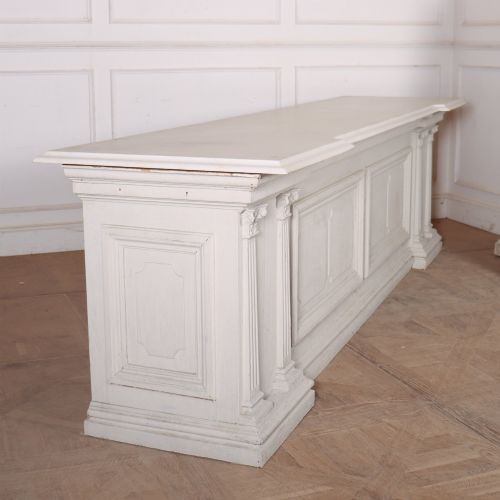
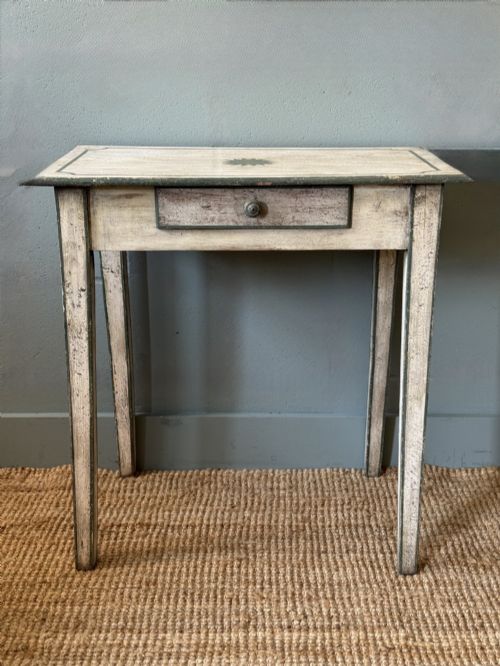

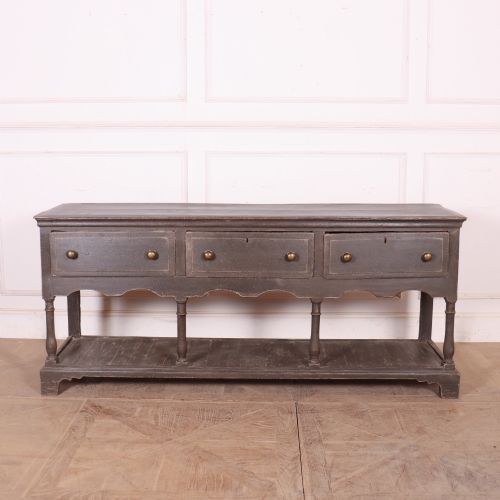
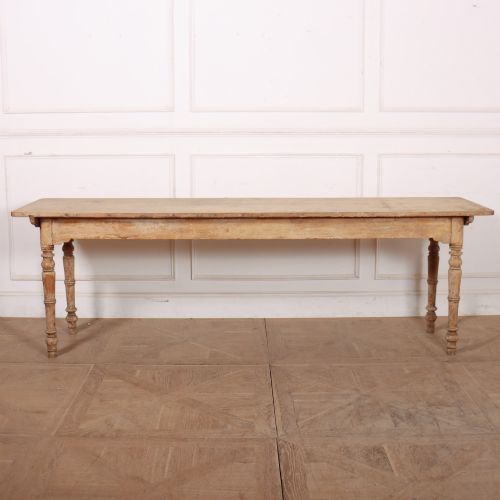


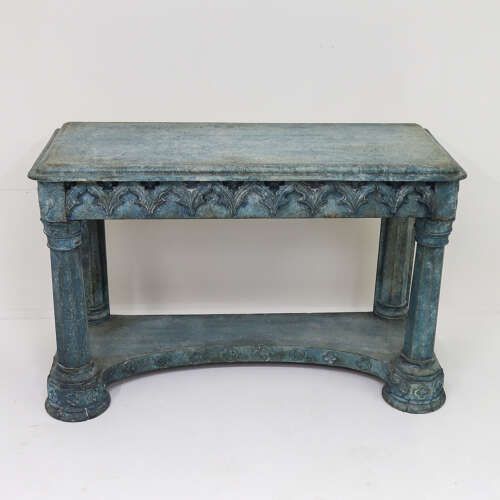
Painted Timber Table
A painted timber table brings honest utility and a storied surface to a room, drawing on centuries of vernacular craftsmanship.
Painted Timber Table
A painted timber table encompasses a broad spectrum of domestic and utility forms, ranging from modest lamp tables to substantial country house prep tables. When searching for a painted timber table, buyers frequently encounter pieces rooted in English, French, Scandinavian, and Italian country traditions, reflecting local domestic needs.
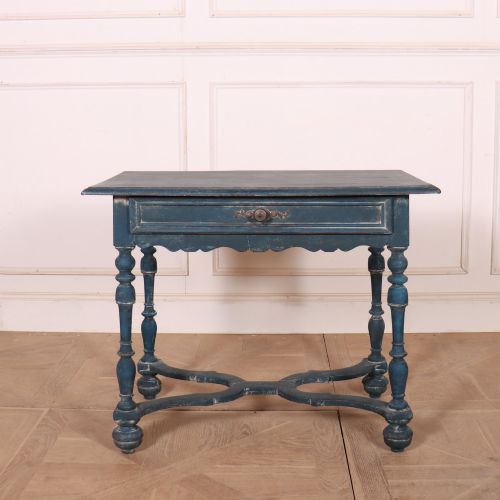
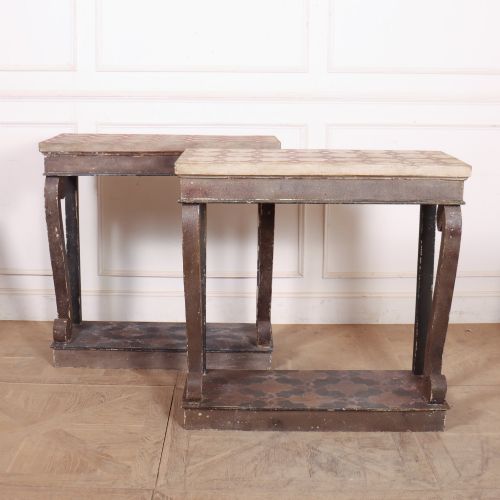
The selection commonly includes side tables, console tables, dresser bases, and occasional tables originating primarily from the eighteenth and nineteenth centuries. These utilitarian origins mean the forms are straightforward, prioritising function such as serving, food preparation, or bedside storage above pure ornamentation.
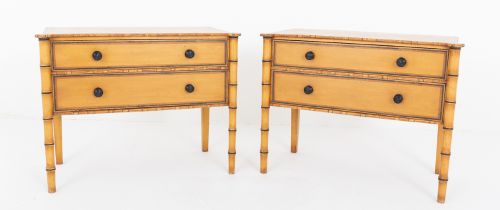
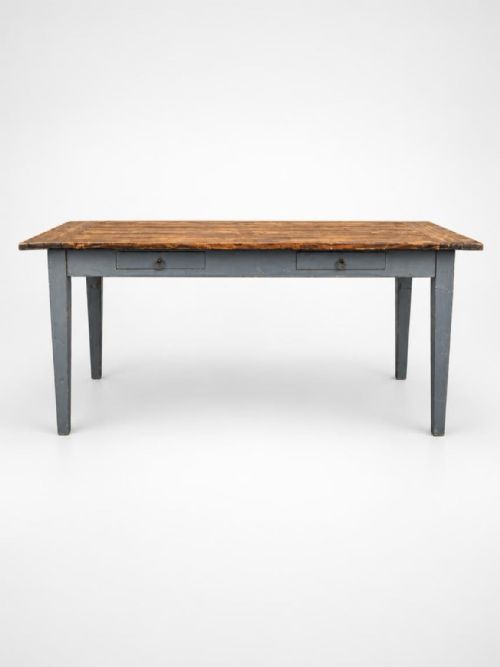
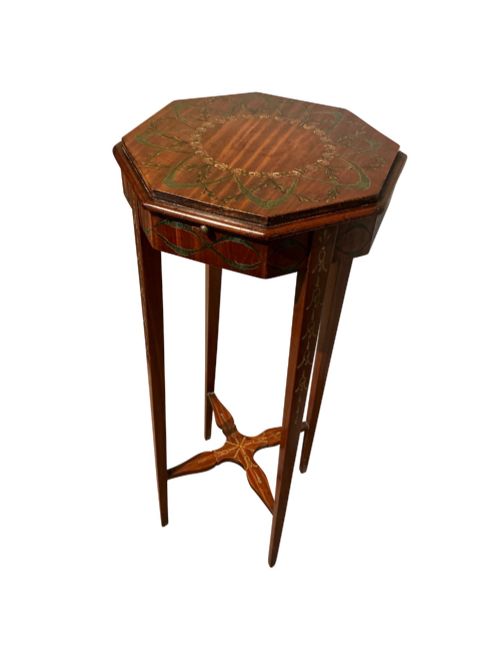
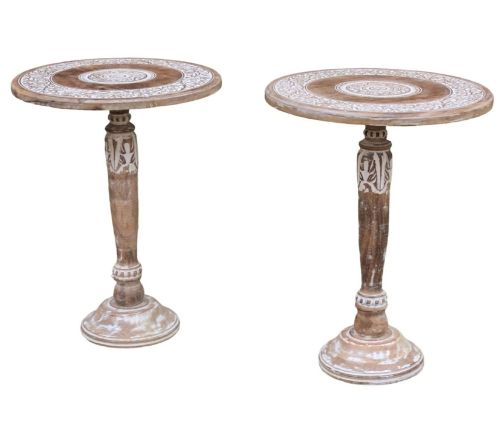
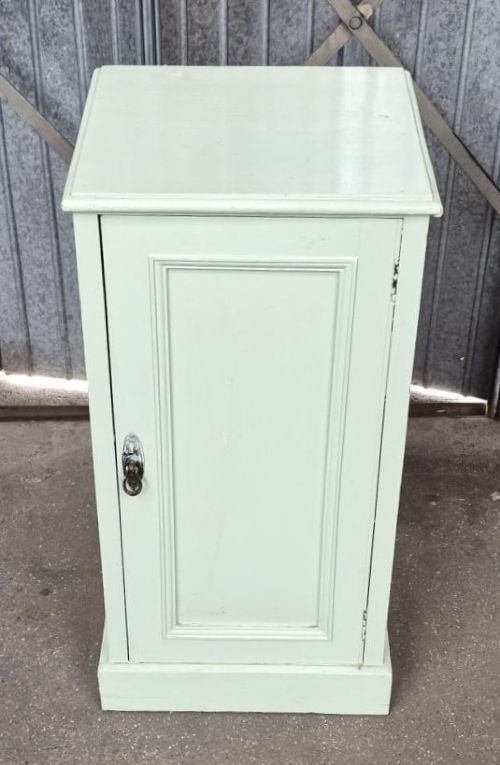
Regional variations shape what appears on the market, with Swedish and English examples dominating the selection. Buyers will find everything from small bedside cabinets and lamp tables to large farm tables and potboard dresser bases designed for heavy daily use.
Materials and construction
Construction relies heavily on robust native timbers such as pine, oak, and fruitwood, selected for structural stability in domestic environments. Carpenters and joiners utilised traditional joints, including mortise and tenon, to build frames capable of withstanding heavy daily use in kitchens and hallways.
Surfaces were finished with applied paint, ranging from simple lead-based preparations to traditional Falu red or layered historic coatings, sometimes accompanied by secondary metal fixings in brass or iron. Later applications often involve secondary paint layers applied over original timber substrates as surfaces were refreshed during the nineteenth century.
Painted Timber Table Retail Price Guide 2026
Typical asking prices for painted timber table among the pieces listed under this phrase on Sellingantiques today, from the lower quarter to the upper quarter. They describe what is for sale here now, not the wider market.
Listings feature pine, oak, and fruitwood surfaces finished with historic paint, spanning eighteenth and nineteenth-century domestic forms from England, France, Sweden, and Italy.
Assessing quality and character
Quality in these domestic pieces rests upon the integrity of the underlying timber frame and the historical honesty of the painted surface. Tables retaining their original structural joinery and early or original pigment demonstrate superior survival compared to pieces with extensive structural replacement.
Proportion and scale distinguish finer vernacular pieces from standard utilitarian items, where well-balanced turnings, pleasing apron shapes, and honest wear elevate the object. The relationship between the substrate wood and the accumulated layers of historic paint dictates the visual depth and tactile appeal of the surface.
The Painted Timber Table Glossary
- Potboard dresser base
- A kitchen or dining sideboard featuring a low open shelf beneath for storing heavy pots and serving dishes. This traditional base construction provides stable storage in busy domestic spaces.
- Cricket table
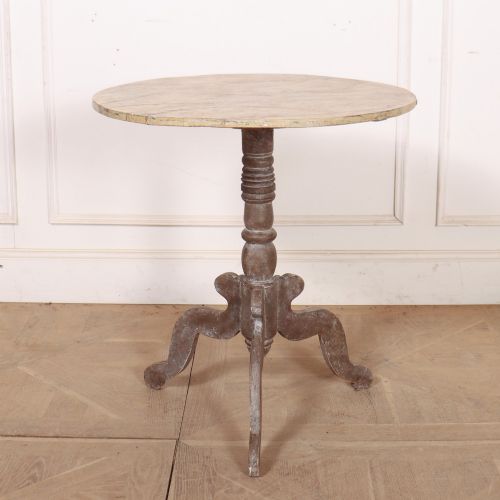
- A small, light three-legged table traditionally used beside a fire or chair in vernacular dwellings. The tripod leg arrangement ensures stability on uneven flagstone floors.
- Falu paint
- A traditional deep red paint originating from copper mines in Sweden, utilised extensively on timber buildings and furniture. This mixture provides durable protection against harsh northern climates.
- Lamp table
- A compact occasional table designed specifically to support a lighting fixture in a parlour or hallway. These tables offer small surface areas suited to corners or beside seating.
- Low boy
- A small eighteenth-century table with one or more drawers, standing on relatively short legs. They functioned primarily as dressing tables or side serving surfaces.
Painted Timber Table: Frequently Asked Questions
How do I care for historic painted surfaces?
Historic painted timber surfaces require minimal intervention, relying on dusting with a soft, dry cloth rather than modern chemical polishes. Avoid placing them in direct sunlight or near heat sources to prevent the wood beneath from shrinking and the paint layers from flaking.
Maintaining a stable room humidity helps preserve the bond between the original timber substrate and the historic paint. Gentle cleaning preserves the accumulated character and patina built up over centuries of domestic use.
Are these tables suitable for modern kitchens?
Many of these pieces, particularly prep tables and dresser bases, were built originally for demanding domestic work. Their sturdy timber construction and generous surfaces make them well-suited for contemporary food preparation and dining.
Buyers should consider applying appropriate protective oils or waxes to exposed wooden tops if using them for active kitchen tasks. Painted bases generally require only simple wiping to handle daily household wear.
How can I tell original paint from later layers?
Examining the edges, corners, and areas of natural friction reveals the buildup of underlying coats and the gradual thinning of early pigment. Subtle craquelure, micro-chipping, and consistent wear patterns around handles and aprons typically indicate authentic age.
Professional evaluation under magnification can identify modern synthetic binders versus traditional linseed or milk paint formulations. The presence of underlying timber oxidation beneath worn paint areas further confirms historical depth.
What distinguishes country furniture from formal styles?
Country furniture prioritises utility, local material availability, and straightforward joinery over the strict stylistic rules governing urban or court furniture. Makers utilised whatever native pine, oak, or fruitwood was close at hand, resulting in robust forms with regional character.
Decorative restraint defines these pieces, where aesthetic appeal stems from honest proportions and practical construction rather than elaborate carvings or veneering. This utilitarian focus gives them a versatile presence in contemporary interiors.