


Painted Storage Unit
A painted storage unit brings character to a room while hiding clutter behind pine, steel or walnut doors.
Painted Storage Unit
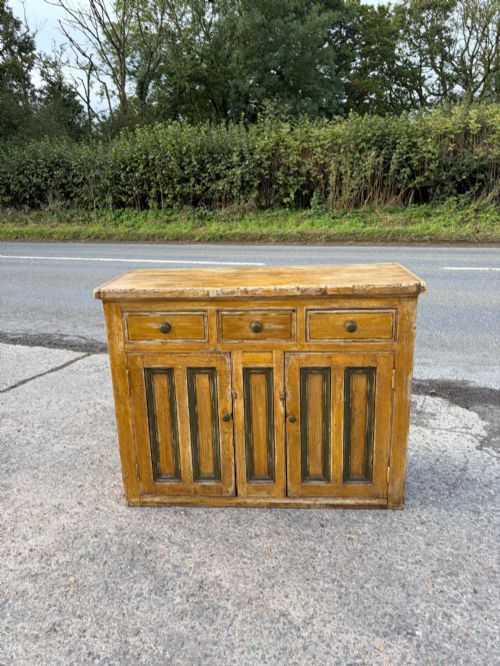
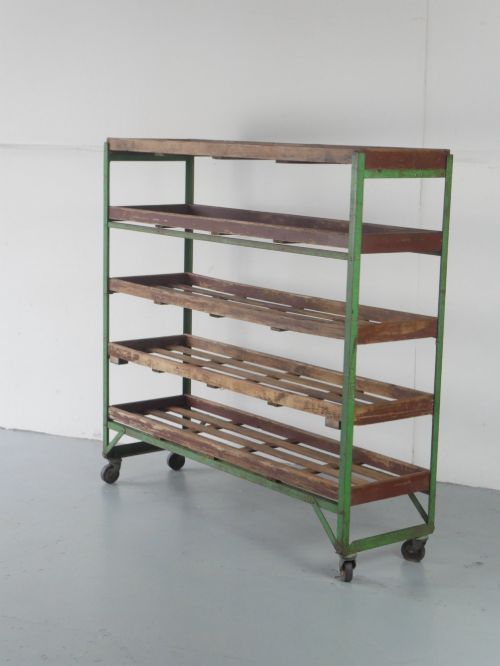
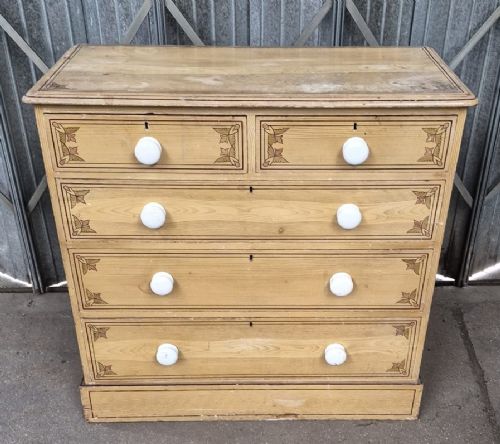
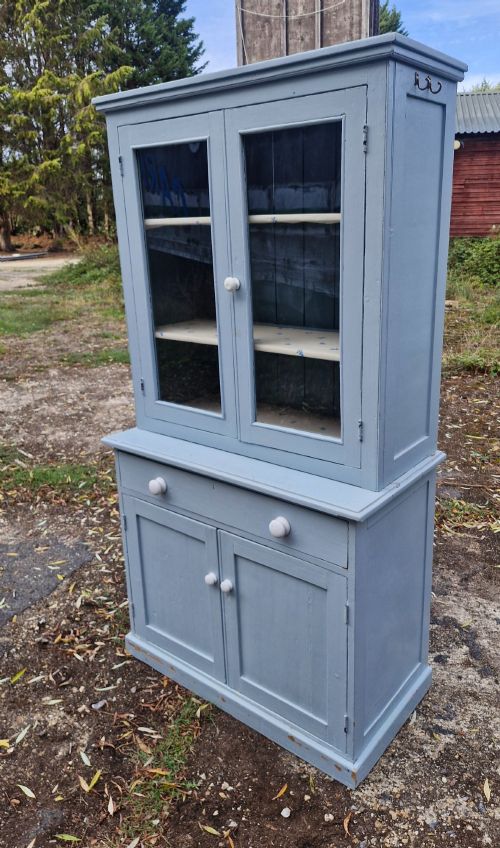
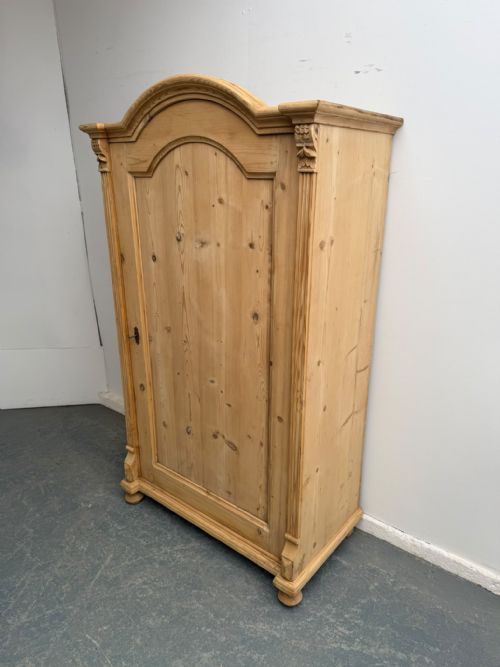
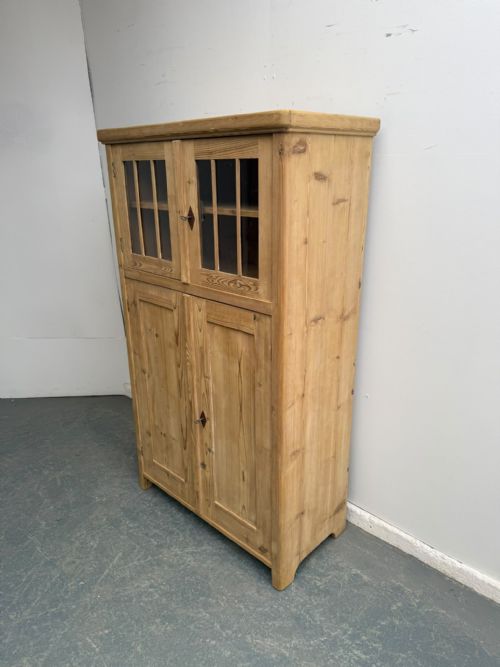
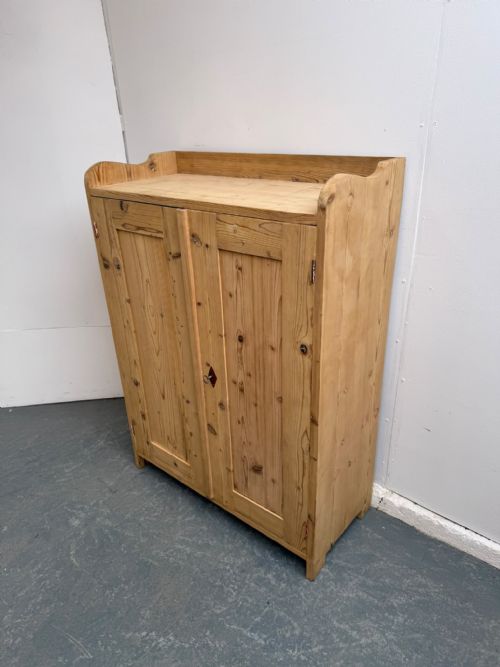
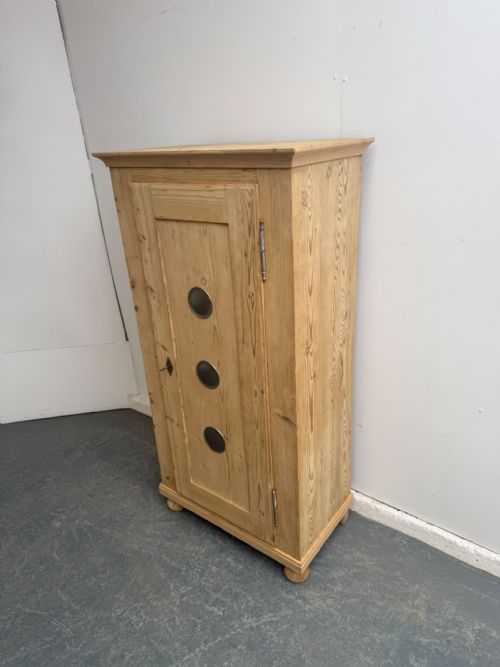
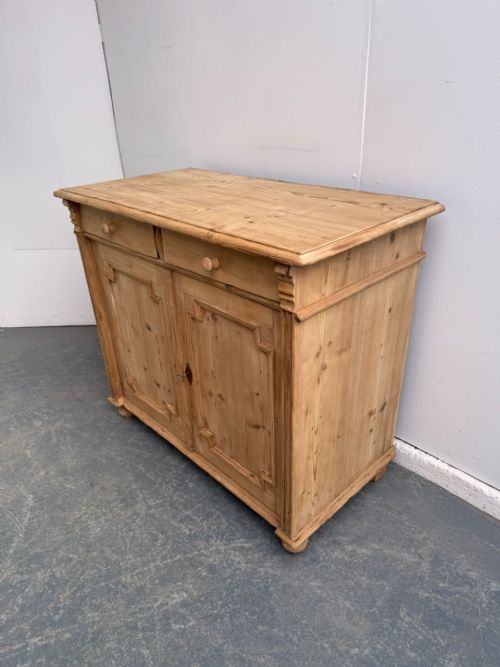
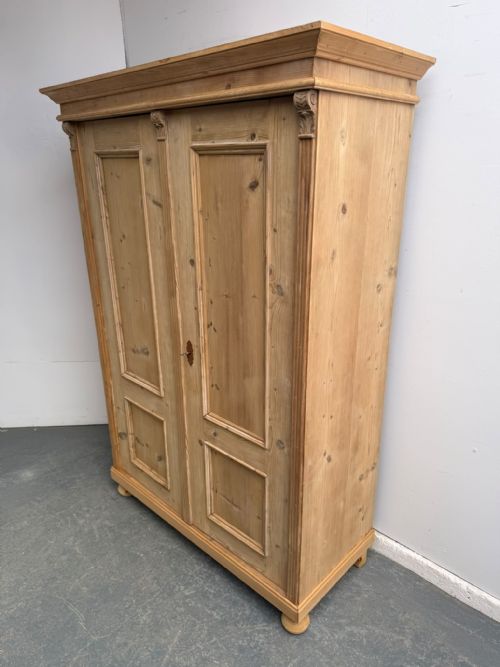
A painted storage unit gathers practical utility and decorative surface together in pieces ranging from Georgian dressers to industrial steel shelving racks. The selection leans heavily towards Victorian pine cupboards and chests of drawers alongside early twentieth-century workshop cabinets and shop fittings.
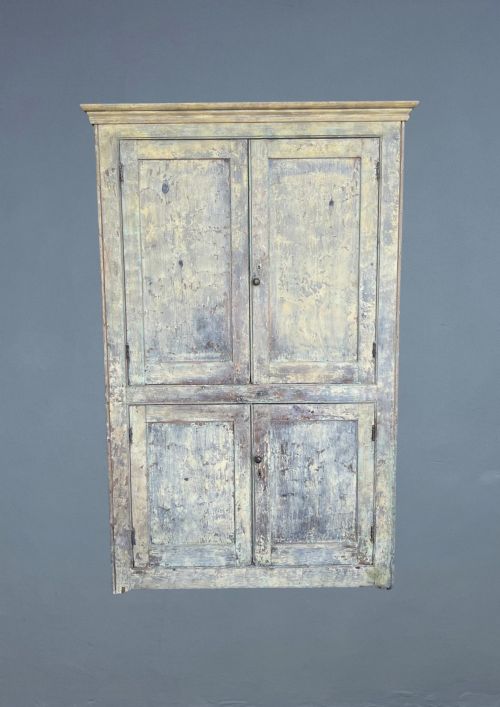
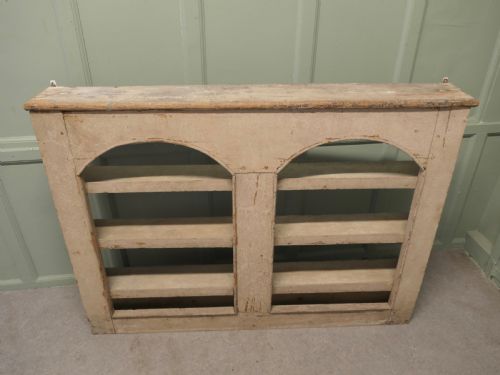
Buyers encounter everything from tall housekeeper larder cupboards to low wide storage units and multi-drawer banks. These domestic and commercial forms originate from English, French, Hungarian, Swedish and Dutch workshops across the eighteenth, nineteenth and early twentieth centuries.
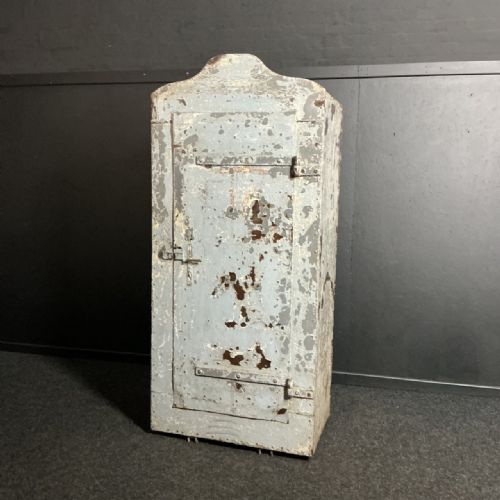
The phrase covers multi-purpose furniture designed to hold provisions, household linens, shop goods or books. Pine dominates the domestic offerings, while iron and steel appear in industrial and engineer cabinets from the 1920s.
Materials and construction
Makers relied primarily on solid pine, walnut and satin birch, assembling carcases with traditional joinery before applying surface finishes. Iron, brass and glass hardware completed pieces ranging from simple kitchen dressers to glazed display cabinets.
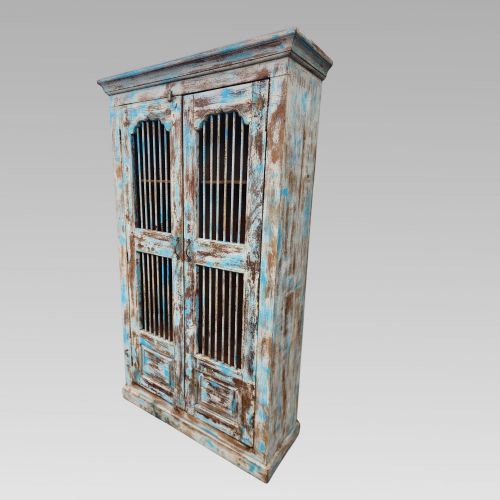
Surfaces received various treatments including layered paint, scumbling techniques, stencilling or Chinoiserie decoration. Many pine pieces show original paint remnants, distressed mottled blue finishes or scrubbed surfaces reflecting their working origins.
Painted Storage Unit Retail Price Guide 2026
Typical asking prices for painted storage unit among the pieces listed under this phrase on Sellingantiques today, from the lower quarter to the upper quarter. They describe what is for sale here now, not the wider market.
Listings feature pine, walnut, iron and painted wood across Victorian, Georgian and 1920s periods.
Evaluating construction and finish
Quality rests in the integrity of the original carcase construction and the preservation of authentic surface paint. Pieces with intact period hardware, original backboards and unaltered internal shelving sit at the upper end of the range.
Distinction also arises from regional characteristics, such as Hungarian shop fittings with numerous drawers or Gustavian proportions, where form and decorative restraint align.
The Painted Storage Unit Glossary
- Scumble
- A decorative painting technique involving a translucent glaze dragged over an opaque base coat to simulate finer wood grain.
- Larder cupboard
- A tall storage unit originally ventilated for food preservation with wire mesh or louvered doors.
- Shop fitting
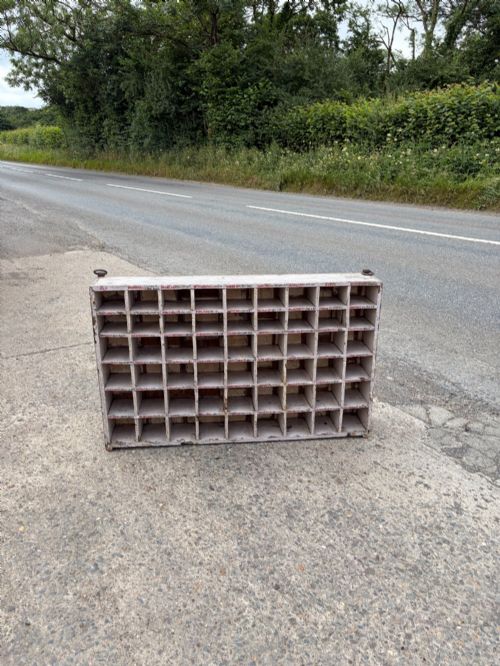
- Commercial furniture designed for retail display and storage, often featuring banks of numerous small drawers.
- Dresser base
- The lower section of a kitchen dresser featuring cupboards and drawers without the upper plate rack.
- Chinoiserie
- European decorative style imitating Chinese artistic motifs, frequently applied to eighteenth-century cabinets.
Painted Storage Unit: Frequently Asked Questions
How do I clean a painted storage unit?
Dust surfaces regularly with a dry soft cloth to protect aged paint layers from moisture damage.
Avoid harsh chemical cleaners that strip historical finishes and original patination.
Are these units suitable for modern kitchens?
Many pine cupboards and dressers offer generous proportions that suit contemporary kitchen storage needs.
Internal shelving accommodates dishware, dry goods and everyday utility items.
How do I identify a shop fitting?
Shop fittings usually present extensive banks of small drawers or open pigeon holes designed for commercial inventory.
These utilitarian pieces originated in schools, offices and retail premises during the Victorian and Edwardian eras.