




Painted Serving Table
A painted serving table brings colour and character to a room, offering a practical surface with the distinct charm of a weathered, hand-finished piece.
Painted Serving Table
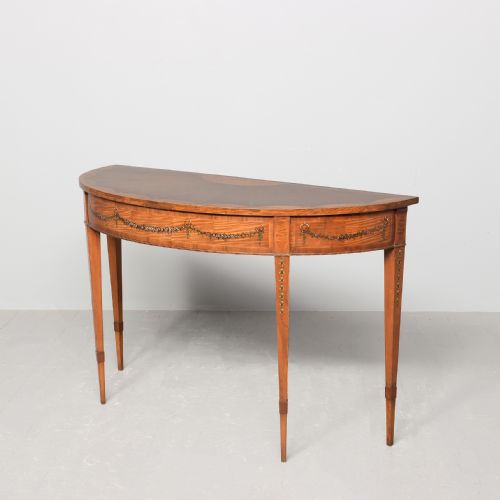
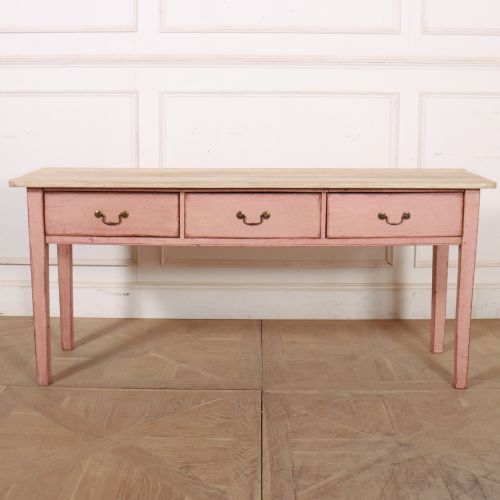
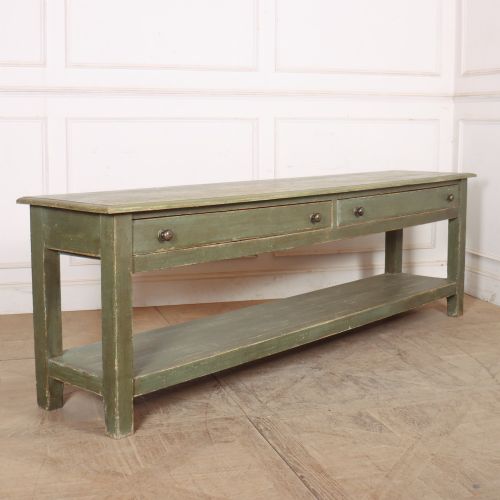
When you search for a painted serving table, you encounter practical furniture designed for domestic use, predominantly originating from the eighteenth, nineteenth, and early twentieth centuries. These pieces appear in various forms including traditional potboard designs, servers, console tables, and tray tables adapted onto stands.
You are most likely to meet English country pine examples finished with historic layers of paint, alongside regional variations such as French, Scandinavian, and Italian country styles. The evidence also records sophisticated Regency and Chinoiserie interpretations featuring lacquer, gold leaf, and delicate surface decoration.
These tables served multiple household functions, moving between dining rooms, country house kitchens, and orangeries for food preparation or display. Their construction reflects the utilitarian needs of the period, combining sturdy timber frames with decorative painted surfaces that have mellowed over generations of use.
How they were made
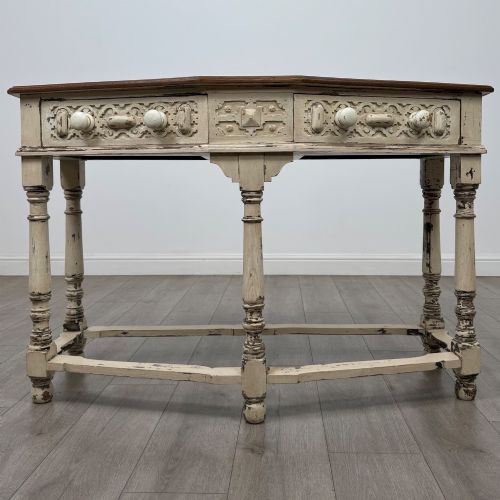
Carpenters typically built the foundational carcase from native timbers such as pine and oak, utilising traditional joinery methods to ensure durability for daily domestic service. Potboard bases and drawers provided structural stability and storage beneath the primary serving surface.
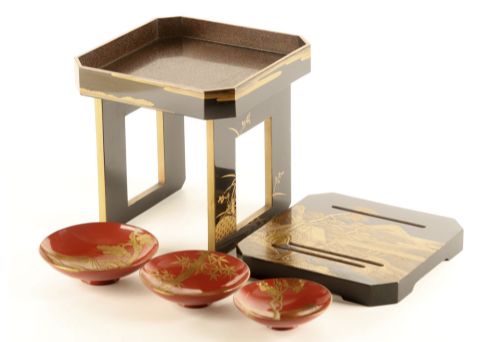
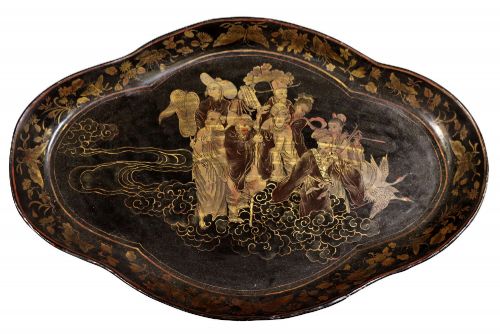
Workshops applied successive coats of oil- or water-based paint, sometimes embellished with gold leaf, lacquer, or hand-painted Chinoiserie motifs. Metal elements like brass fixtures and toleware trays integrated into stands completed the construction of specialised serving furniture.
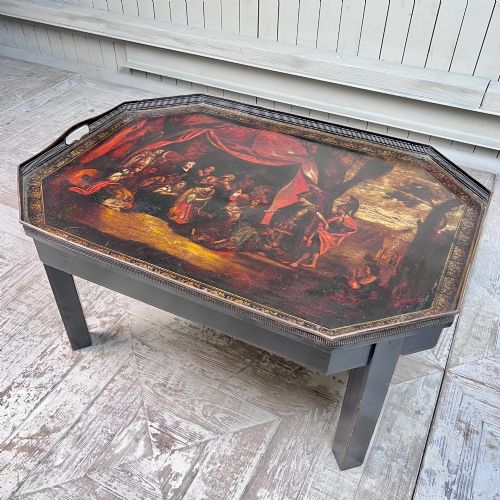
One nineteenth-century tray table depicts the family of Darius before Alexander, turning afternoon tea into a minor historical drama.
What varies in quality
The distinction between standard utility furniture and finer pieces lies in the sophistication of the painted decoration and the integrity of the underlying timber. Pieces featuring specialised techniques like Chinoiserie lacquer or detailed surface artwork represent a higher tier of craftsmanship than basic painted pine.
Proportion and structural retention also define the range, as tables retaining their original hardware, uncompromised potboards, and untouched historic paint surfaces command greater interest from collectors. The execution of decorative details, from hand-applied gold leaf to finely turned legs, separates provincial workshop output from high-style Regency production.
Jennens & Bettridge·Ridgway
The Painted Serving Table Glossary
- Potboard
- An open lower shelf fitted to a table or dresser, historically used for storing pots and heavy domestic utensils. This practical feature provides both structural rigidity and lower display space.
- Tole
- Painted or enamelled sheet metal, frequently utilised for decorative trays in the nineteenth century. These trays were often placed upon folding or fixed stands to create serving tables.
- Chinoiserie
- European decorative style reflecting Chinese artistic influences, characterised by lacquered finishes and painted motifs. This aesthetic appeared frequently on refined tray tables and decorative furniture.
- Demi-lune
- A half-moon shape used for console and serving tables designed to sit flush against a wall. This format allowed for elegant placement in narrower reception rooms and hallways.
- Papier-mâché
- A composite material made from paper pulp mixed with glue and oil, pressed and dried into rigid forms. It provided a smooth substrate for decorative lacquer and painting.
Painted Serving Table: Frequently Asked Questions
Where were serving tables used?
These tables functioned primarily in dining rooms and large kitchens to hold dishes, carving equipment, and serving trays during meals.
Secondary spaces like orangeries, hallways, and country house reception rooms also accommodated them for general display and serving duties.
How do I clean a painted surface?
Dust the surface gently with a soft, dry cloth to prevent accumulation of grit without disturbing the historic paint layers.
Avoid chemical cleaning agents and excessive moisture, which can soften aged paint and accelerate flaking or wear.
Are these tables sturdy enough for daily use?
Pine and oak serving tables possess solid timber frames originally engineered for heavy domestic tasks like food preparation and serving.
While structurally robust, delicate decorative finishes such as lacquer or gold leaf require careful placement away from heavy impacts.
How do I identify a Regency painted table?
Regency pieces often display classical motifs, refined proportions, and specific decorative techniques like fine Chinoiserie or polished papier-mâché.
Cabinetmakers of this era favoured elegant structural lines that separated their output from heavier utilitarian country furniture.