



Painted Serpentine Hall Table
A painted serpentine hall table brings an elegant curve and decorative finish to an entrance, offering both surface space and distinct period character.
Painted Serpentine Hall Table
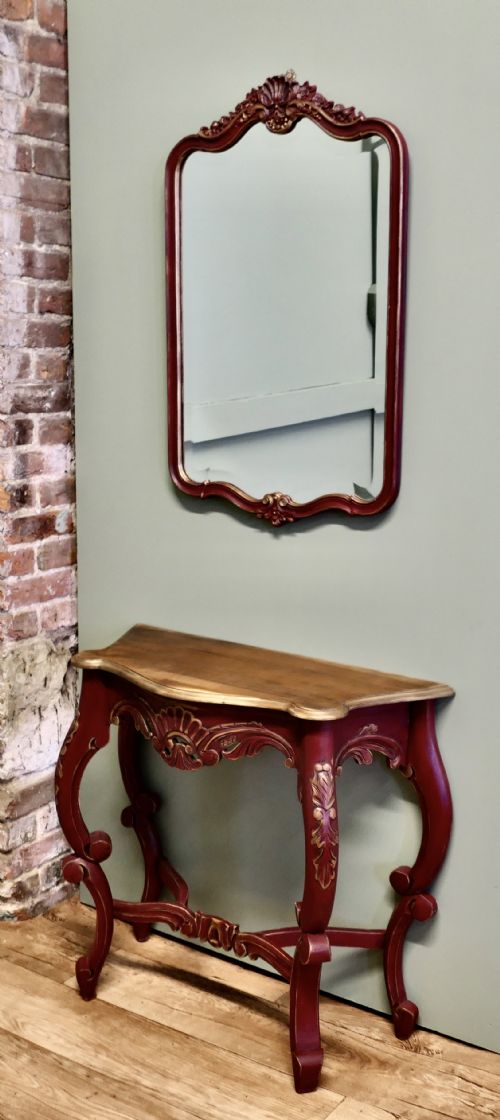
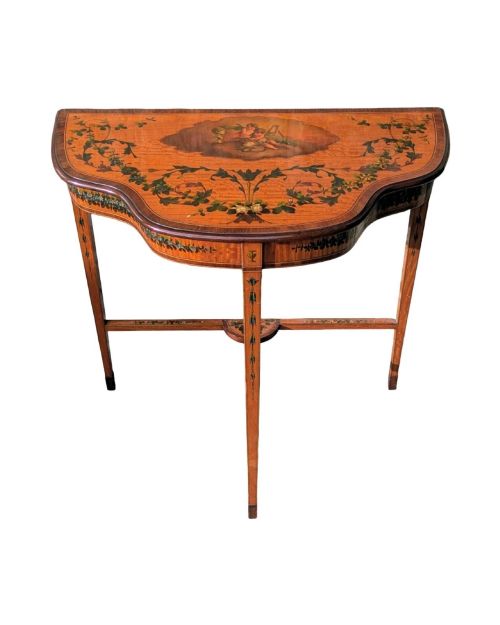
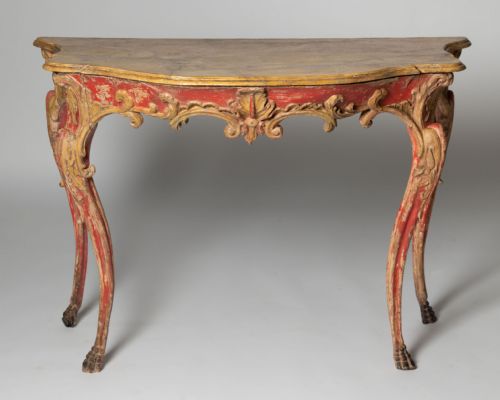
A painted serpentine hall table stands as a decorative console or side table designed for narrow spaces, featuring a characteristic undulating front edge. These items originate from periods spanning the nineteenth and early twentieth centuries, drawing heavily upon French and Italian Rococo styles.
The inventory demonstrates a strong representation of continental pieces, particularly from French and Italian workshops. Buyers encounter forms such as console tables and side tables dating from the eighteen-sixties through to nineteen-thirty, often finished with painted surfaces.
Makers and artisans of these eras produced serpentine tables to fit grand hallways and reception rooms. The curving profile softens the linear geometry of a traditional corridor while providing a functional surface.
How they were made
Constructed primarily from timber and carved wood, these tables rely on traditional joinery to shape the complex curved front. Artisans applied gesso over the wooden carcass to create a smooth base for subsequent painting and gilding.
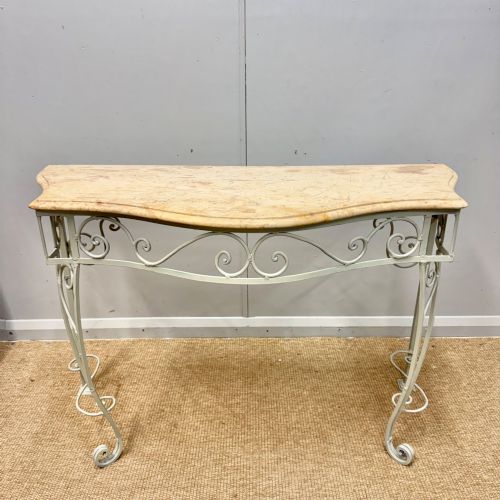
Surfaces frequently feature decorative paintwork combined with gold leaf or parcel gilt highlights. Many examples incorporate heavy marble tops resting on carved wooden or wrought iron bases, depending on the specific regional style.
Painted Serpentine Hall Table Retail Price Guide 2026
Typical asking prices for painted serpentine hall table among the pieces listed under this phrase on Sellingantiques today, from the lower quarter to the upper quarter. They describe what is for sale here now, not the wider market.
The undulating curve of a serpentine top was designed to politely invite guests past without catching their coat hems.
What varies in quality
Quality rests upon the crispness of the carved wood details and the finesse of the painted or gilded finish. Superior examples display balanced proportions in the serpentine curve and harmonious integration of Rococo decorative motifs.
The integrity of the structural materials, such as the weight of the marble top and the depth of the gesso preparation under the paint, distinguishes finer workshop production from simpler commercial pieces.
The Painted Serpentine Hall Table Glossary
- Serpentine front
- A furniture design featuring a front edge that curves outward in the centre and inward at the sides, creating an undulating S-shape. This contour requires precise carpentry and adds visual movement to the piece.
- Console table
- A table designed to be fixed against a wall, often supported by ornate legs or brackets rather than four freestanding posts. These tables served as decorative display surfaces in formal hallways and reception rooms.
- Gesso
- A mixture of binder and chalk applied to wood to prepare a smooth surface for painting or gilding. It allows for crisp decorative relief work beneath the final finish.
- Parcel gilt
- A decorative technique where specific carved details or highlights are gilded with gold leaf while the surrounding areas retain a painted or natural wood finish. This creates contrast and emphasises the craftsmanship of the carving.
Painted Serpentine Hall Table: Frequently Asked Questions
Where should I place a serpentine hall table?
These tables suit narrow entrance halls and corridors where their curved front allows easier movement past the furniture. They also function well in living rooms beneath a mirror.
Because the depth varies along the serpentine edge, they occupy less floor space in the middle while maintaining surface area at the corners.
How do I clean a painted wooden table?
Dust the surface regularly with a soft, dry cloth to prevent dirt accumulation. Avoid harsh chemical cleaners that can damage historic paint and gilt layers.
If moisture is necessary, use a barely damp cloth and dry the timber immediately afterward to protect the finish.
Are these tables sturdy enough for daily use?
Most console tables are designed to stand against a wall, and many heavier versions incorporate marble tops that add stability. They handle normal decorative objects and everyday items easily.
Placing them on uneven floors may require discreet leveling to prevent rocking, particularly on antique timber legs.
What is the difference between a console and a side table?
A console table traditionally relies on the wall for some stability or is visually anchored to a wall space. Side tables are generally freestanding pieces with four legs finished on all sides.
In historical contexts, painted serpentine hall tables often blur this distinction by functioning primarily against flat wall surfaces.