




Neoclassical Painted Side Table
A neoclassical painted side table brings classical symmetry and muted colour to a room, offering a surface for a lamp or books.
Neoclassical Painted Side Table
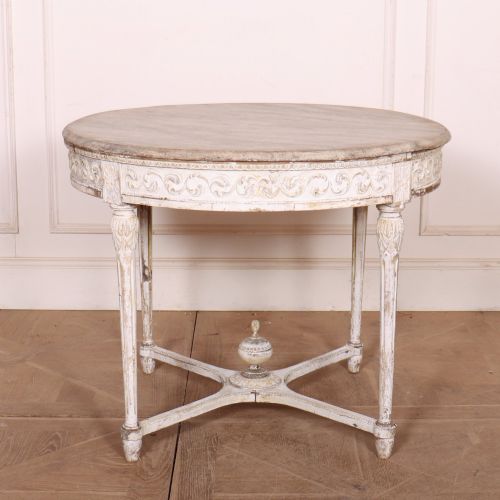
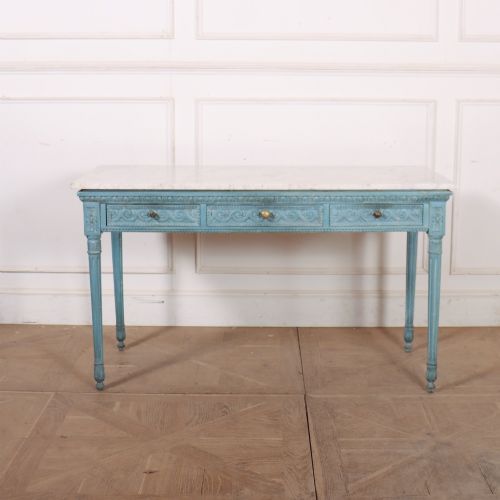
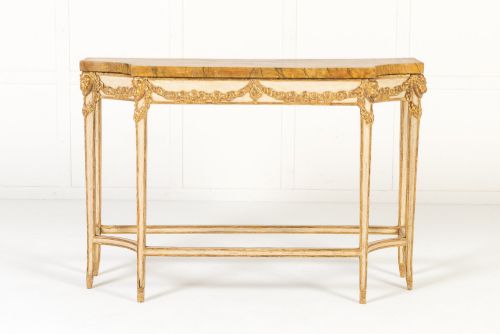
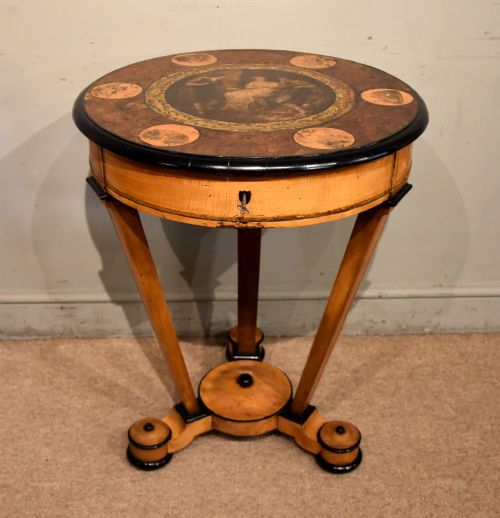
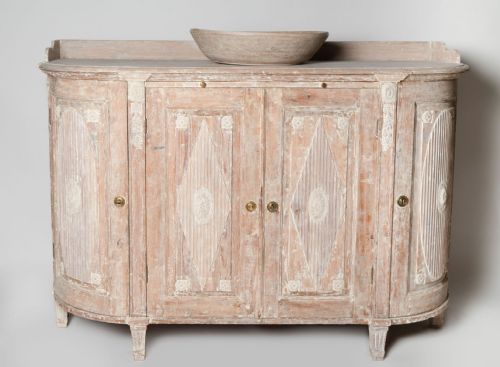
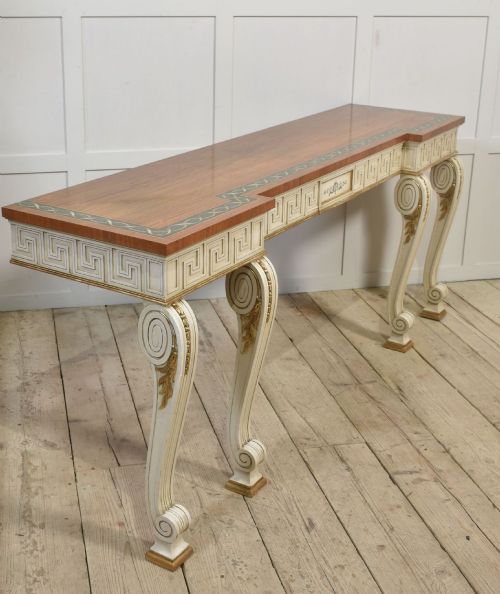
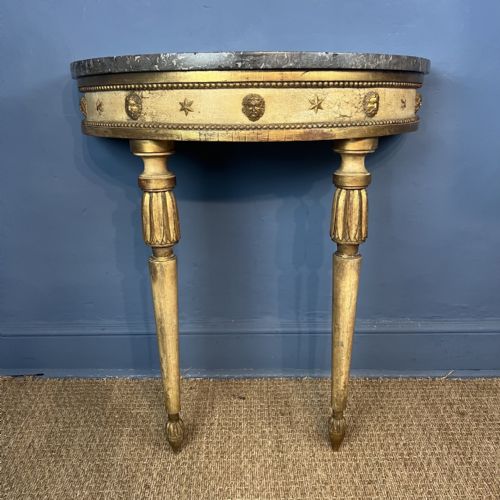
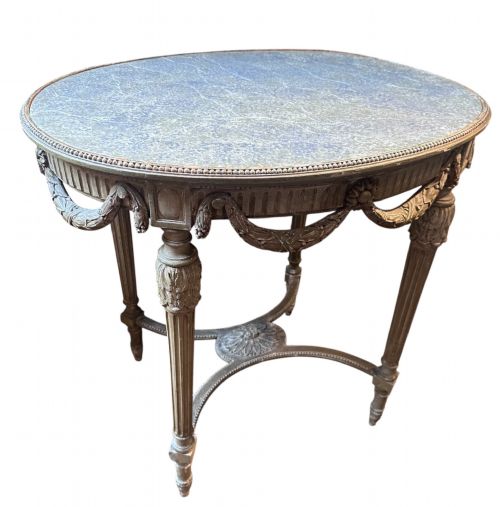
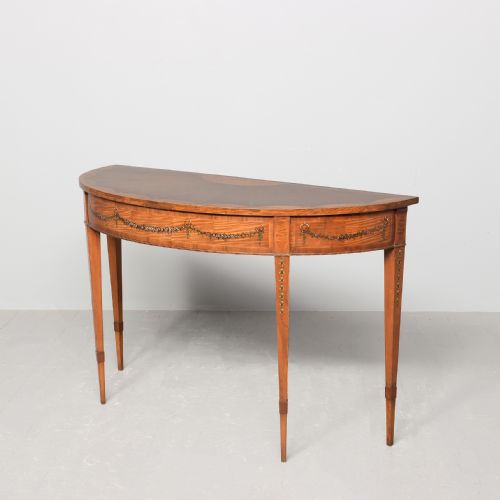
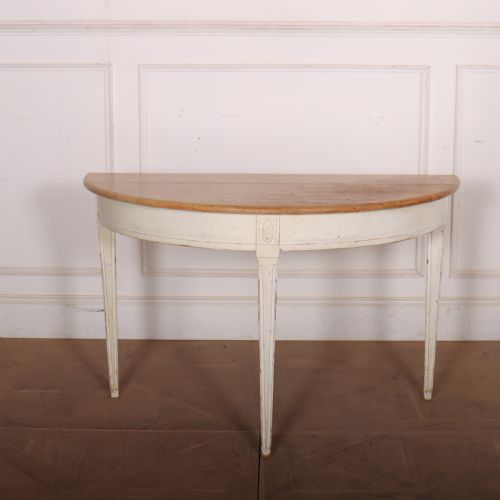
A neoclassical painted side table is a surface designed for domestic use, typically taking the form of a console, occasional, or demi-lune table. These pieces draw on classical motifs such as symmetry and restrained ornamentation, dressed in painted finishes that range from cream to parcel gilt.
The selections span the eighteenth, nineteenth, and early twentieth centuries, capturing revivals including Gustavian, Louis XVI, and Sheraton styles. English, French, Italian, and Swedish workshops all contributed to this tradition, producing everything from compact bedside cupboards to large serving tables.
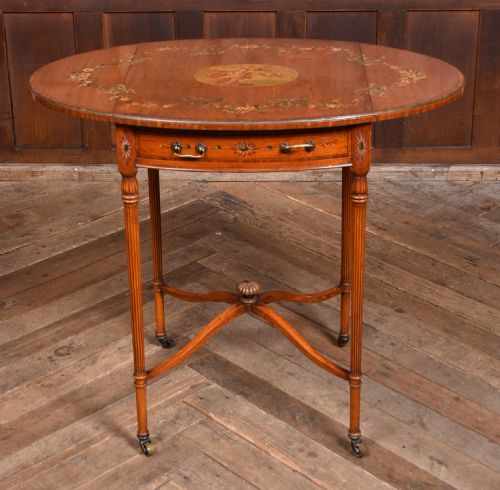
Buyers encounter forms like the half-circle demi-lune, rectangular console tables, and drop-leaf Pembroke tables. Many incorporate specific functions, serving as lamp tables, writing desks, or dressing centre tables depending on their original domestic context.
Materials and construction
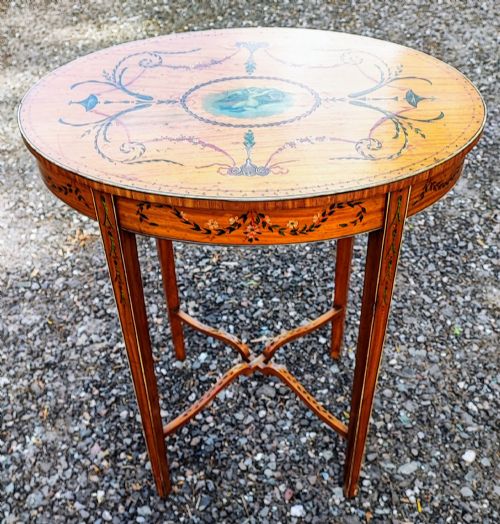
Makers utilised woods such as beech, mahogany, and satinwood as the structural foundation for these surfaces. Satinwood frequently appears in finer examples, valued for its grain and smooth texture beneath decorative paintwork.
Surfaces often feature applied gesso, gold leaf, and hand-painted pigments, sometimes complemented by faux porphyry effects or inset marble slabs. Brass details occasionally provide structural accents or mounts, while carved wood elements add architectural relief.
Some tables double as secret writing desks, proving that eighteenth-century makers understood the value of multitasking furniture.
Evaluating the standard of execution
The distinction between tiers rests upon the harmony of the proportion and the subtlety of the painted finish. Superior examples display crisp carving beneath the paint and cohesive decorative schemes that integrate the top with the base.
The selection of materials creates a clear divergence, particularly where fine satinwood, heavy rouge marble tops, or detailed parcel gilt work are present. Greater refinement appears in pieces where the hand-painted decoration retains its depth and the joinery remains tight across the frame.
The Neoclassical Painted Side Table Glossary
- Demi-lune
- A half-moon shape used for console tables designed to sit flush against a wall. This format was especially popular during the eighteenth and nineteenth centuries.
- Parcel gilt
- A surface treatment where specific carved or raised details are partially gilded with gold leaf over a painted ground. This technique highlights architectural motifs.
- Console table
- A table supported by wall brackets or legs, historically designed to stand against a wall rather than free in the room. They frequently feature marble tops.
- Pembroke table
- A rectangular drop-leaf table with hinged flaps on either side that can be raised or lowered. It often includes a single drawer.
- Gesso
- A plaster-like material applied to wood surfaces to create a smooth base for painting or gilding. It allows for crisp, moulded relief details.
Neoclassical Painted Side Table: Frequently Asked Questions
Where should I place a console table?
A console table sits best against a hallway or living room wall, where its shallow depth keeps walkways clear. It provides a stable surface for a lamp, bowl, or decorative objects.
Because many examples feature finished backs primarily for wall placement, pairing one with a mirror creates a traditional focal point in an interior scheme.
How do I care for a painted wooden surface?
Maintenance requires dry dusting with a soft cloth to prevent particulate accumulation on the paint and gesso layers. Moisture and chemical polishes can damage historic finishes.
Using coasters or protective pads beneath objects helps preserve the integrity of the painted or gilded surface over time.
What is the difference between a console and an occasional table?
A console table is typically built to stand against a wall, often featuring a flat back and a decorative front skirt. An occasional table is designed to be moved around a room as needed.
Occasional tables are generally freestanding and finished on all sides, whereas consoles prioritize wall stability and architectural presence.
How do I identify a Gustavian piece?
Gustavian pieces originate from Swedish workshops influenced by French neoclassical design during the late eighteenth and nineteenth centuries. They typically exhibit lighter colour palettes, including cream and pale grey paint.
Decoration tends to be restrained and elegant, focusing on fluted legs and subtle carved details rather than heavy gilding.