




Painted Rustic Armchair
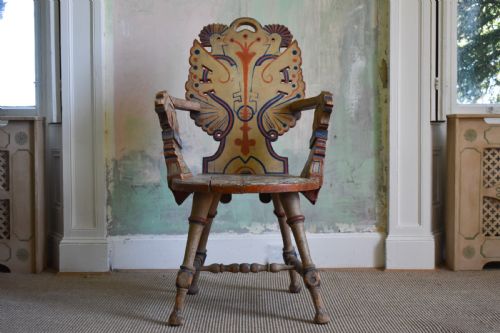
These painted rustic armchairs are honest vernacular seats, offering straightforward comfort and character from the eighteenth and nineteenth centuries.
Painted Rustic Armchair
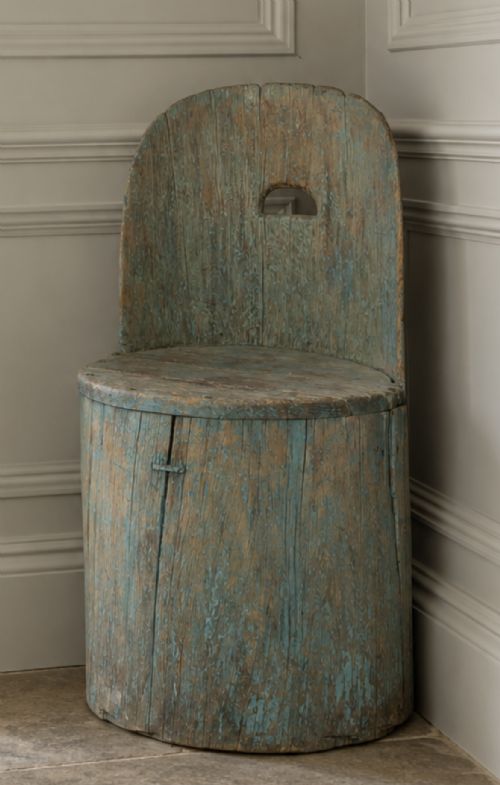
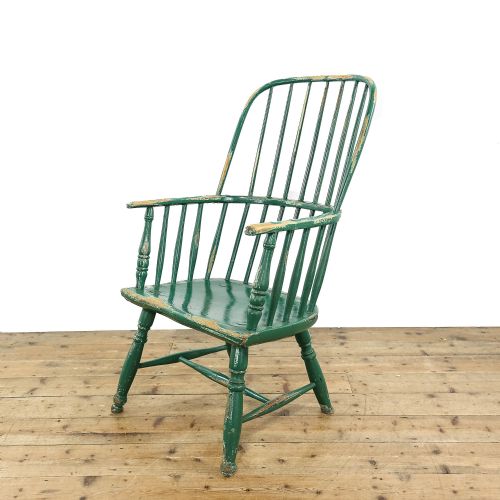
The versions you are most likely to meet on this page span the Georgian, Victorian, and nineteenth-century periods, often rendered in elm, ash, beech, pine, or oak. Their forms include Windsor armchairs, hoop-back stick chairs, rocking chairs, and dug out chairs.
Makers in rural locations built these seats for everyday domestic utility rather than formal drawing rooms, resulting in honest structural forms. Many pieces retain layers of early paint that highlight their vernacular origins and regional styles.
How they were made
Rural craftsmen constructed these armchairs using a combination of native hardwoods such as elm seats, ash spindles, and beech or pine frames. Turned components and steam-bent hoops provided structural rigidity to stick-back and Windsor forms.
Surfaces were frequently finished with coats of paint or ebonisation, which protected the varied timbers and added decorative colour to domestic interiors. Joinery relied on traditional methods like wedged tenons and bodging techniques suited to local timber availability.
Some nineteenth-century child's thrones were built with miniature bobbin turnings to match the grander seating of the adults.
What varies in quality
Quality in these vernacular armchairs depends on the harmony of proportions, the comfort of the seat, and the integrity of the original construction. Regional quirks, such as the sculptural turning of bobbin legs or the depth of a dug out seat, separate standard utilitarian items from finer examples of folk art.
The survival of early or original painted surfaces heavily influences the character and integrity of a piece. Subtle patination accumulated through generations of domestic use distinguishes honest regional furniture from heavily restored alternatives.
The Painted Rustic Armchair Glossary
- Windsor chair
- A wooden armchair featuring a saddle-shaped seat into which the legs and back spindles are directly fitted. These seats are characteristic of regional vernacular woodworking traditions.
- Stick back
- A chair construction method where turned wooden spindles form the backrest by inserting directly into the seat. This method creates a light yet robust frame.
- Vernacular
- Architecture or furniture built by local craftsmen using traditional methods and native materials for everyday use. Such pieces reflect the specific geographic region where they were made.
- Folk art
- Utilitarian objects decorated or shaped by self-taught rural artisans within a distinct cultural tradition. It encompasses Scandinavian and British country pieces bearing characteristic painted finishes.
- Dug out chair
- A primitive seat hewn and excavated directly from a single solid block of timber. It represents an early and heavy form of rural seating.
Painted Rustic Armchair: Frequently Asked Questions
What is a painted rustic armchair?
These pieces are traditional vernacular seats produced in regional workshops during the eighteenth and nineteenth centuries. They combine sturdy native timbers with functional designs tailored for everyday rural life.
Craftsmen utilised woods like elm, ash, and pine, often applying surface paint to protect the timber and brighten domestic spaces. Each armchair reflects the specific geographic traditions of its maker, ranging from Welsh stick chairs to Scandinavian folk art.
How were these armchairs used?
Rural households utilised these chairs as practical seating around hearths, dining tables, and farmhouse kitchens. Their robust construction suited them for daily domestic labour and relaxation.
Certain smaller versions, such as child's armchairs, were built for younger members of the household. Rocking chairs and elbow chairs provided functional comfort in modest rural settings.
How do I live with a painted armchair?
Integrating these armchairs into a modern interior relies on pairing their honest timber textures with simple surroundings. Their patinated painted surfaces add character and historical depth to contemporary or traditional rooms.
Positioning them away from direct heat sources helps preserve the stability of the wood and the integrity of early paint layers. Regular dusting with a dry cloth keeps the surface clean without disturbing the historic finish.
How do I tell periods apart?
Distinguishing periods involves examining the turning styles, structural joinery, and tool marks left by the maker. Eighteenth-century vernacular pieces often display heavier hand-carved elements and specific regional turning patterns.
Nineteenth-century examples frequently incorporate steam-bent components and factory-influenced production methods alongside traditional bodging techniques. Comparing the thickness of seats and the profile of spindles helps clarify the age of the piece.