



Rustic Folk Art Chair
These rustic folk art chair selections bring honest regional character into a room through vernacular forms and unpretentious natural materials.
Rustic Folk Art Chair
A rustic folk art chair represents regional vernacular craftsmanship from the eighteenth, nineteenth, and early twentieth centuries. Makers built these seating pieces for everyday domestic use using local timber rather than following formal urban design canons.
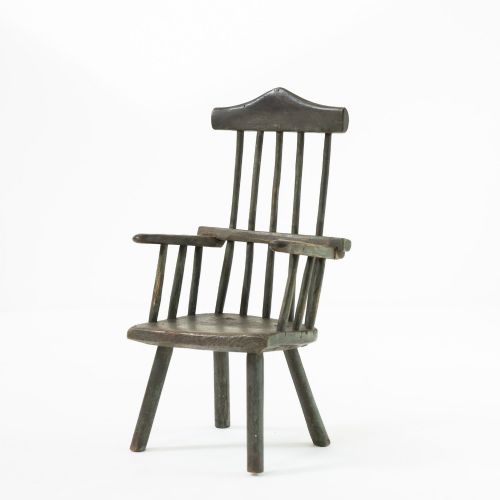
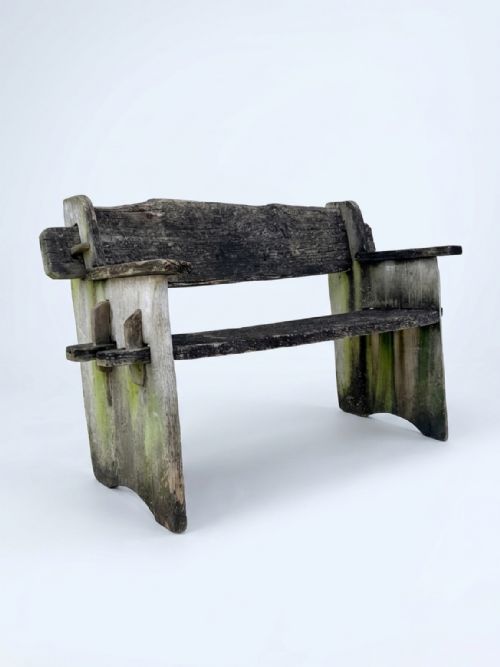
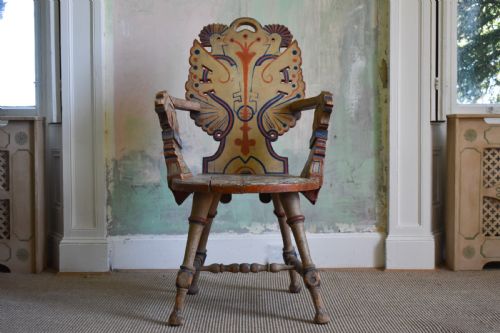
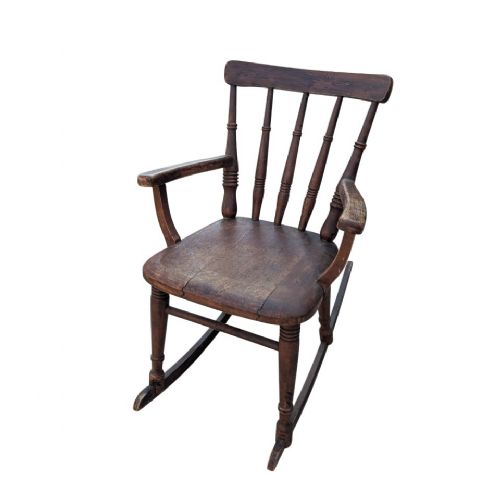
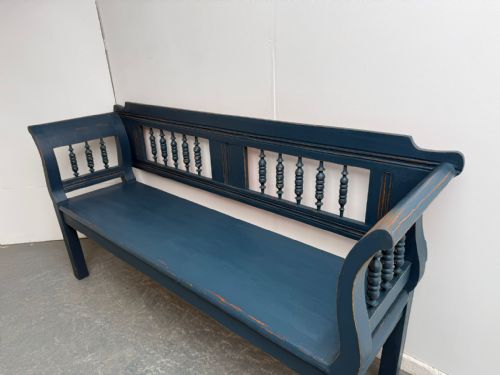
The selections span distinct geographical traditions including Scandinavian, Irish, Scottish, Alpine, and Eastern European workshop styles. Common domestic forms range from stick-back armchairs and dug-out seats to child-sized chairs, rocking chairs, and larger benches.
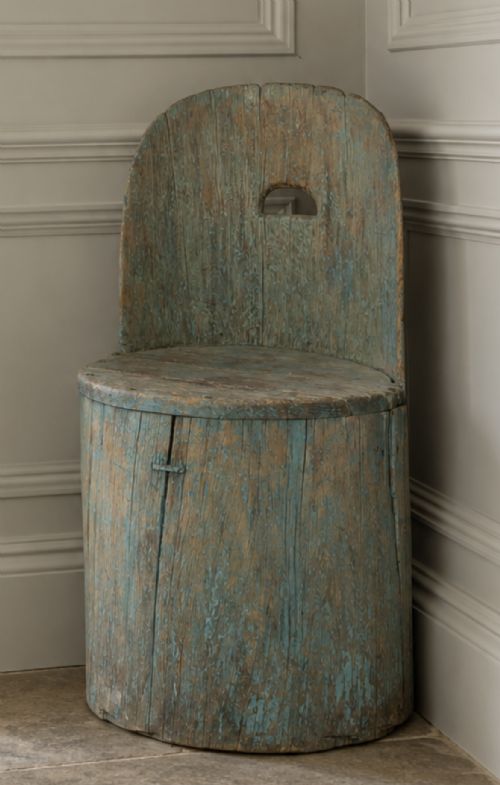
Surviving examples display regional building traits such as comb backs, spindle backs, and woven rush seats. Many pieces retain original painted surfaces or weathered natural wood patinas developed over generations of use.
How they were made
Carpenters and rural makers relied on accessible local hardwoods and softwoods such as pine, oak, ash, and general timber. Structural parts were often shaped using greenwood working techniques, allowing unseasoned wood to dry tightly around joints.
Seats and frames frequently incorporate organic materials like straw, rush, willow, and leather for seating pads and lacing. Surface decoration relied on simple hand carving, natural form retention, and applied layers of paint.
The inventory spans the nineteenth and early twentieth centuries, incorporating pine, oak, ash, straw, rush, and painted surfaces across eight regional styles.
What varies in quality
Structural integrity and the survival of original surfaces dictate the standing of individual items. Pieces that retain their early painted finishes or untouched patinas possess greater documentary value than those stripped down to bare wood.
The boldness of regional design expression and the purity of uncompromised vernacular construction distinguish ordinary utility items from superior sculptural examples. Ergonomic proportion and the clever utilisation of natural branch forms also elevate specific variants.
The Rustic Folk Art Chair Glossary
- Vernacular
- Architecture and furniture built by local makers using traditional methods and regional materials without formal academic training. These pieces reflect the practical needs and aesthetic customs of a specific community.
- Súgán
- An Irish term for a twisted straw or hay rope used to form woven seats on traditional chairs. This organic cordage provides a resilient and comfortable surface.
- Dug-out
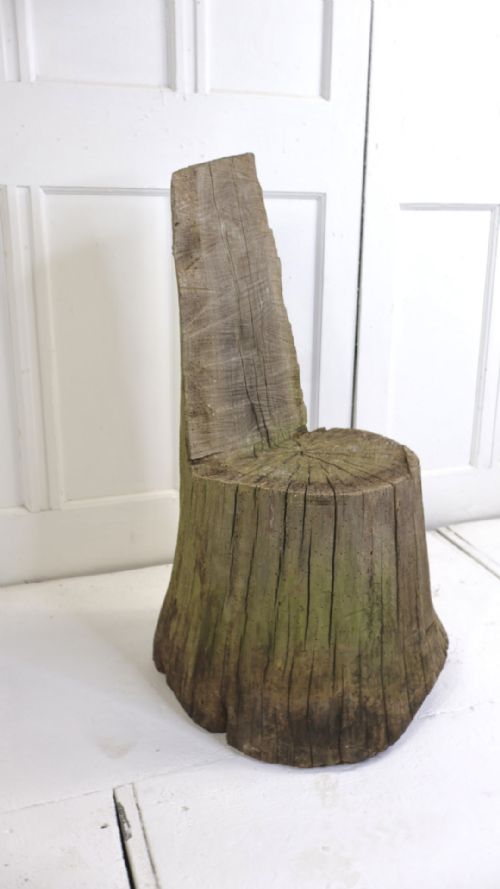
- A seating form created by hollowing out a solid tree trunk to form the seat and backrest in one continuous mass. This heavy construction represents an ancient woodworking method.
- Escabelle
- A traditional type of European wooden chair featuring board sides or solid panel legs rather than turned uprights. These sturdy seats date back to early alpine and continental traditions.
- Stick back
- A chair construction method where turned or shaved spindles are inserted directly into a solid wooden seat slab to form the backrest. This technique ensures high structural resilience.
Rustic Folk Art Chair: Frequently Asked Questions
How do I clean a painted rustic chair?
Dust surfaces gently with a soft, dry cloth to protect fragile historical paint layers.
Avoid liquid cleaning products and chemical solvents that might strip or soften original aged finishes.
Are these chairs suitable for daily sitting?
Most sturdy nineteenth-century and vernacular examples remain structurally sound for regular household use.
Delicate child-sized items or pieces with brittle straw seating are better preserved as decorative display objects.
How can I tell a regional style apart?
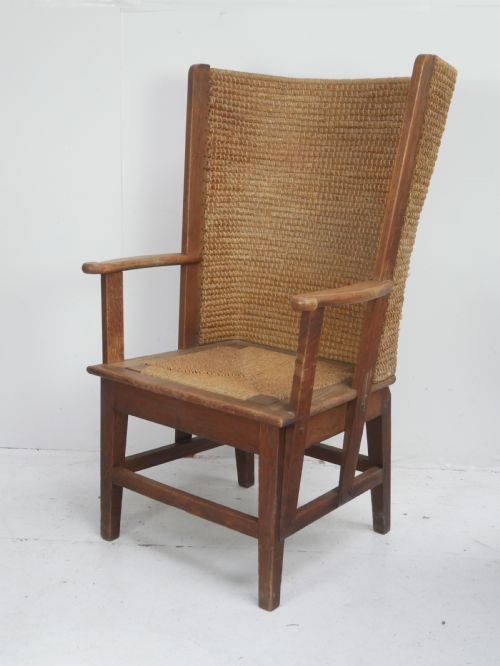
Examine the specific timber choices, joint methods, and characteristic regional shapes like Orkney straw backs or Swiss alpine panels.
Local timber availability and distinct domestic customs shaped the silhouette of each geographic workshop tradition.
Why do some chairs have painted surfaces?
Makers often applied paint to seal soft pine timber or to decorate utilitarian furniture with bright regional colours.
Surviving early paint layers provide vital clues about the original decorative context of the interior.