
Painted Profile Portrait
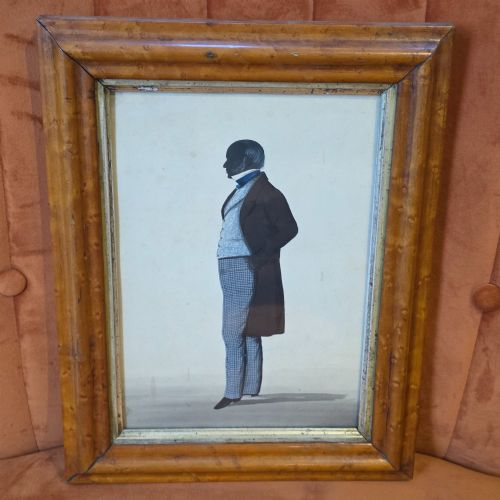
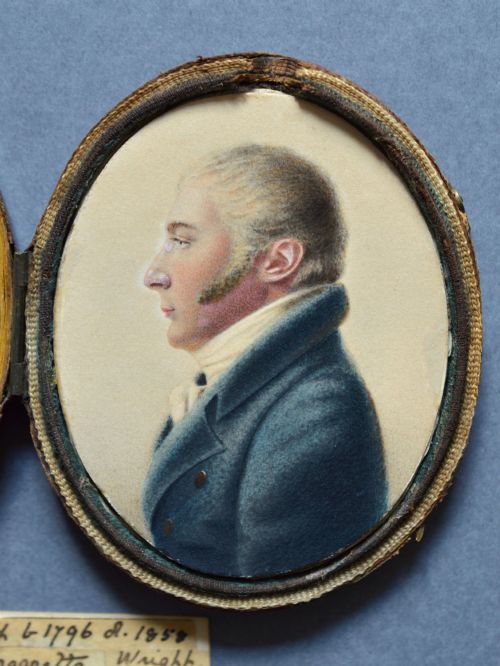
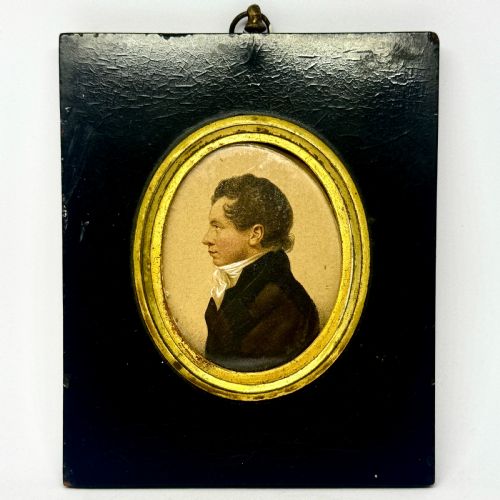
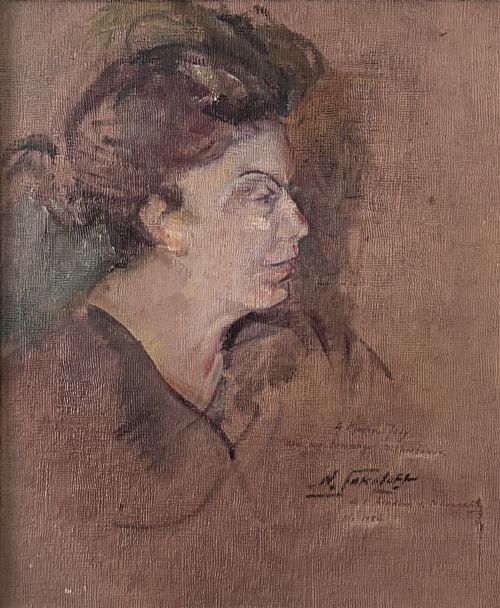
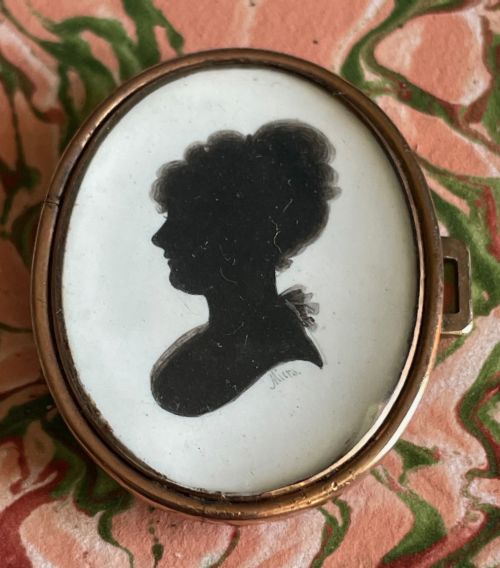
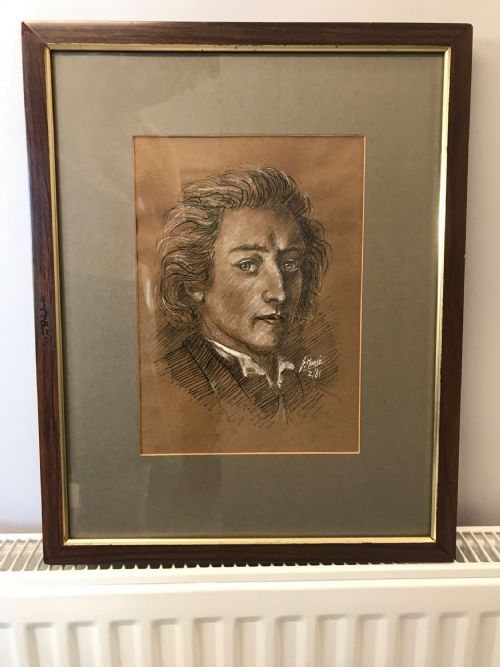
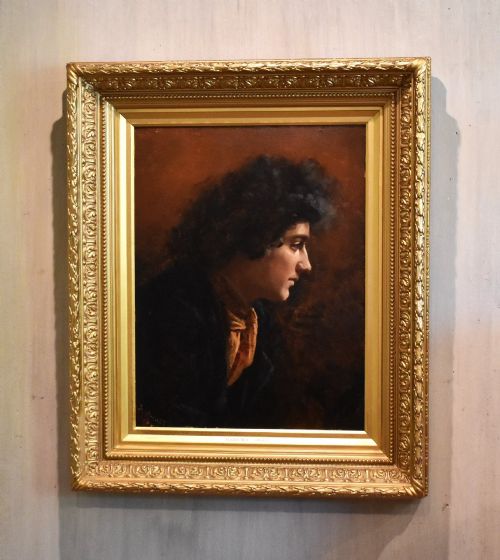
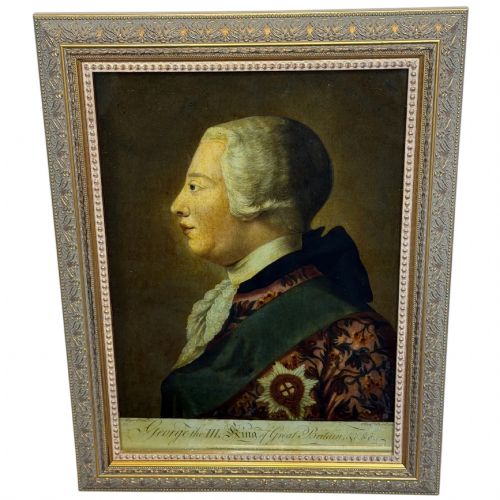
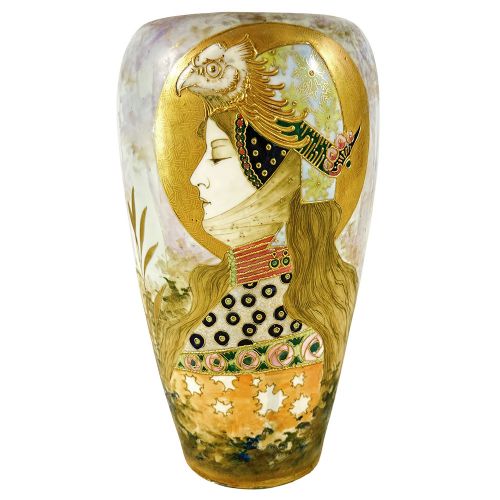
When you collect a painted profile portrait, you secure an intimate silhouette or miniature likeness from the Georgian, Regency, and Victorian eras.
Painted Profile Portrait
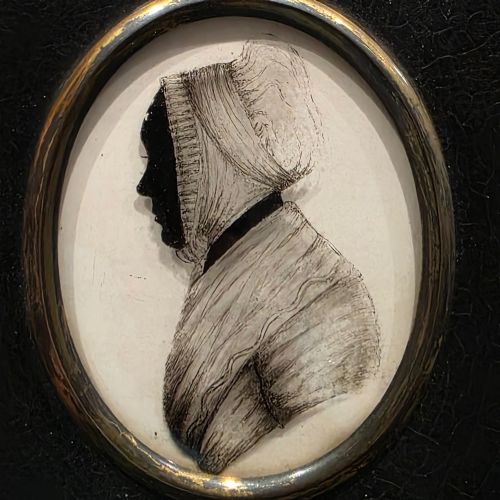
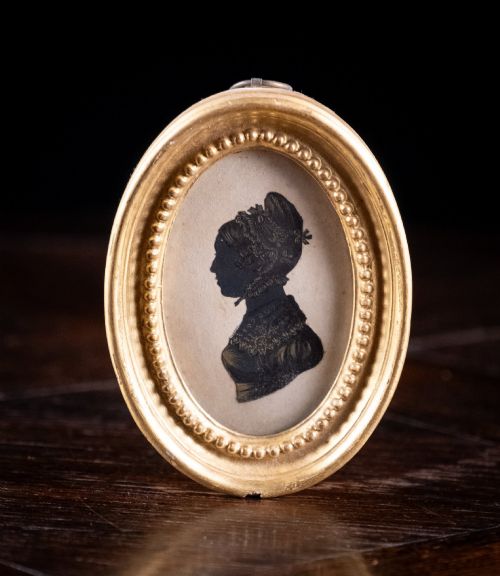
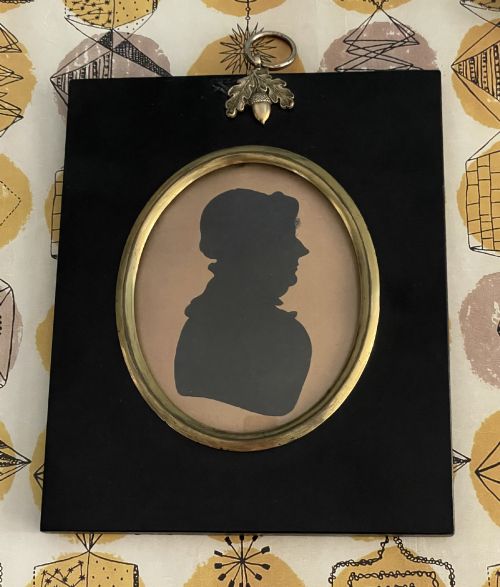
Buyers encounter subjects rendered on glass, paper, or plaster, often housed in original ebonised wood or deep gilded frames. The form bridges the gap between decorative miniature painting and personal keepsake.
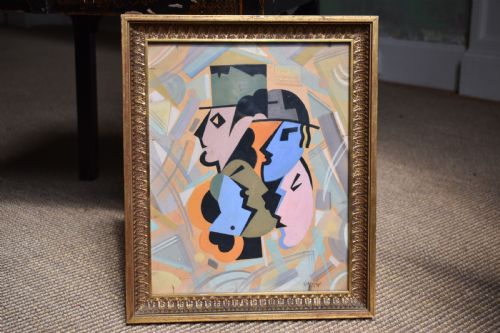
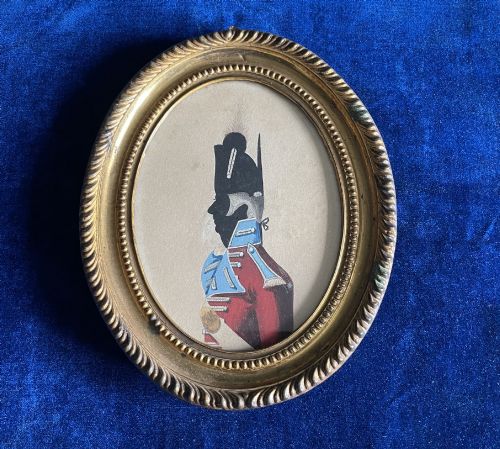
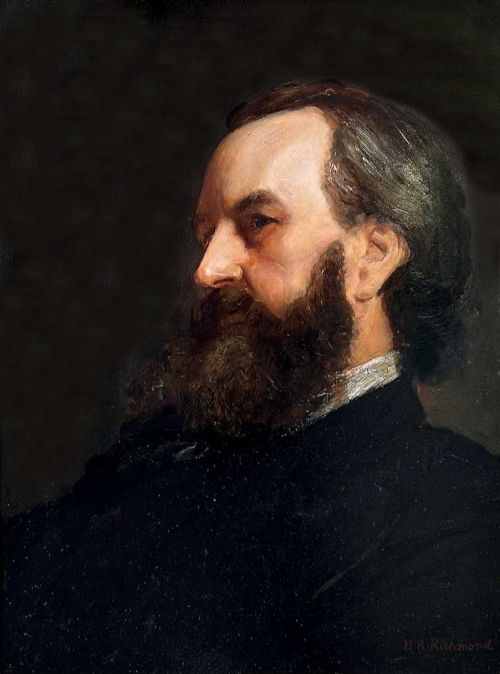
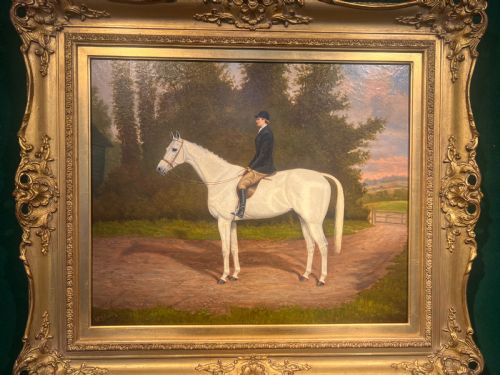
Makers recorded sitters ranging from named gentlefolk to military officers, preserving exact dress and hairstyle. The selection spans delicate watercolour studies to reverse painted glass and ink work.
Materials and technique
Frames played an integral structural role, utilising ebonised wood, brass fittings, and rosewood housings to protect the delicate media within. These enclosures often incorporate hanging rings or small bezels for pendant wear.
A few sitters preserved their profiles forever, leaving us to wonder if they held still or simply fell asleep.
Factors of quality
Quality rests upon the precision of the brushwork and the crispness of the profile outline. Superior examples capture individual bone structure and expression rather than relying on standard formulae.
The survival of original glass, gilding, and period frames elevates an object significantly. Finer pieces retain legible contemporary inscriptions identifying the sitter or the artist on the reverse.
John Miers·Thomas John Horsley·James Gillespie·J. Deacon·John Smith of Edinburgh
The Painted Profile Portrait Glossary
- Silhouette
- A solid shape representing a profile, usually filled with black pigment or cut from paper. These works rely entirely on outline and minimal internal detailing to convey likeness.
- Reverse painted glass
- A technique where the artist paints directly onto the rear surface of a glass panel to be viewed from the front. This method protects the pigment from atmospheric damage and creates a glossy finish.
- Gouache
- An opaque water-based paint containing pigment and a binding agent, utilised for highlights and richer colour passages. It allows for solid areas of tone on paper and card.
- Ebonised wood
- Timber treated to resemble ebony, frequently utilised for dark framing around light profiles. The deep black finish heightens the contrast of the central portrait.
- Miniature portrait
- A small-scale painting designed for intimate viewing or portable display. These works demand high technical skill due to their restricted dimensions.
Painted Profile Portrait: Frequently Asked Questions
How were profile portraits displayed?
Many smaller pieces functioned as jewellery items or pocket pendants, designed to be worn or carried close. Larger examples hung upon domestic walls inside protective wooden or brass frames.
Owners often grouped several portraits together in a parlour or study to display family lineages and notable acquaintances.
How do I date a portrait?
Dating relies heavily on the sitter's costume, hairstyle, and the framing materials employed. High collars, specific bonnets, and cravats offer precise chronological markers for Georgian and Regency pieces.
Permanent ink inscriptions on the reverse or paper labels from original framers also assist in establishing a reliable timeline.
Are all silhouettes painted?
While many profiles are painted with ink or watercolour, a significant portion comprise hand-cut paper mounted against a contrasting background. Some practitioners also utilised plaster or wax bas-reliefs.
Examination under magnification helps distinguish between delicate brushwork and cut paper edges.
Why are some painted on glass?
Reverse painting on glass protects the pigment from dust and fading while offering a distinct luminous depth. The technique was particularly popular for delicate profile work during the Regency period.
These pieces require careful handling to prevent the backing medium from flaking off the glass support.