

Painted Press Cupboard
A painted press cupboard offers deep storage wrapped in historical colour, bringing architectural presence and practical utility to modern rooms.
Painted Press Cupboard
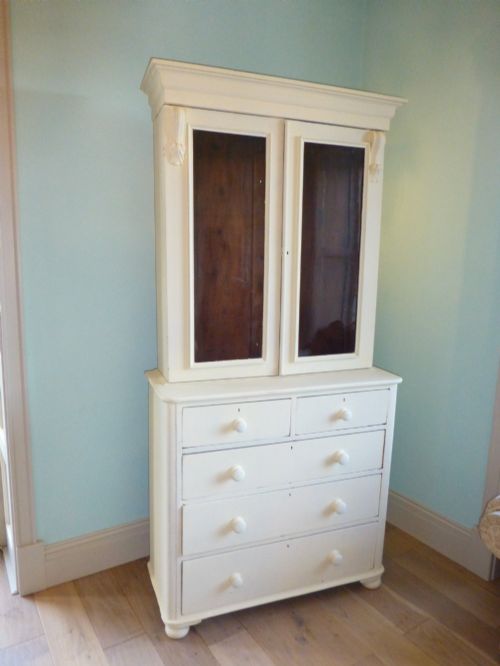
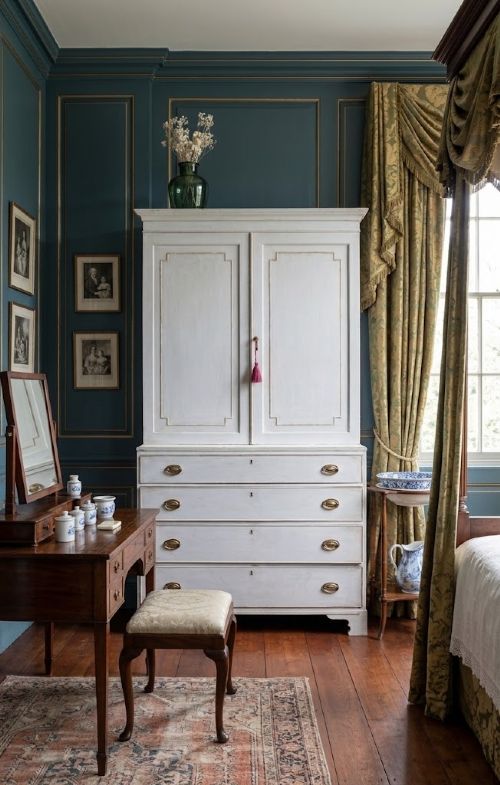
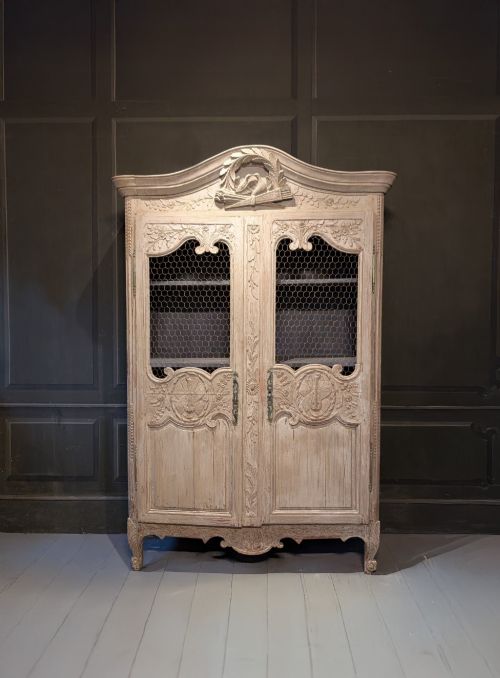
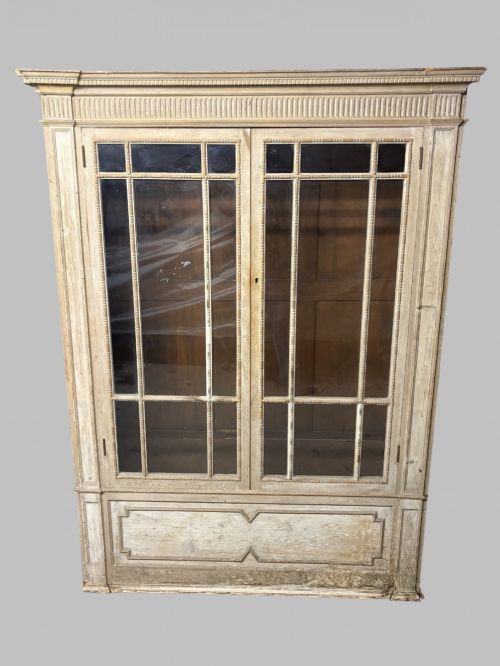
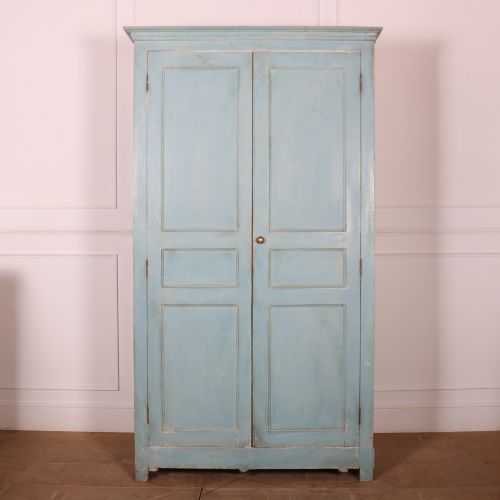
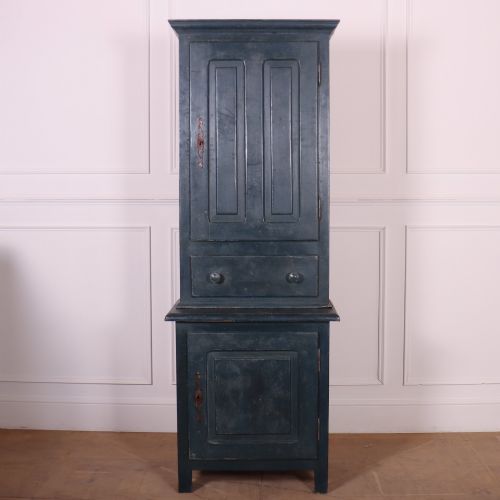
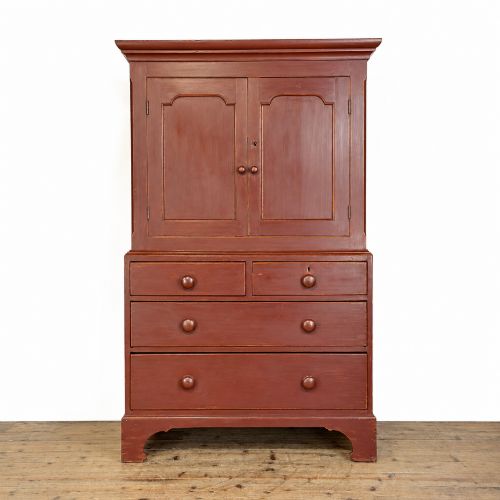
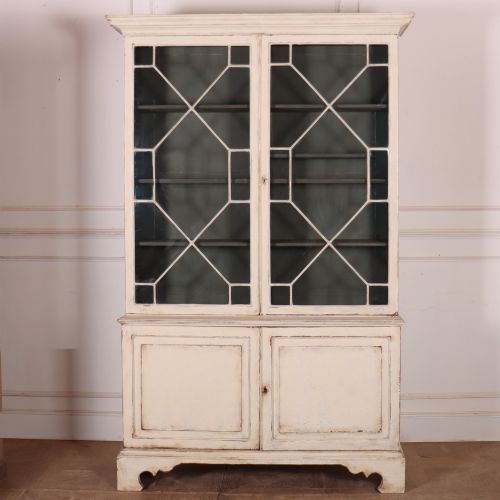
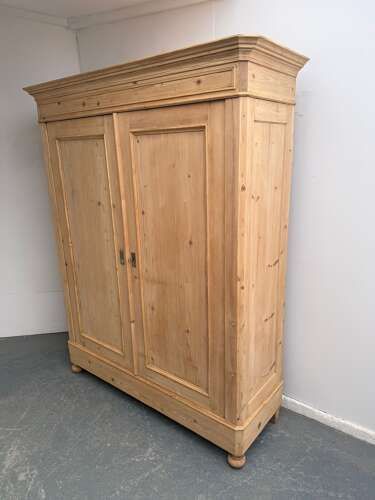
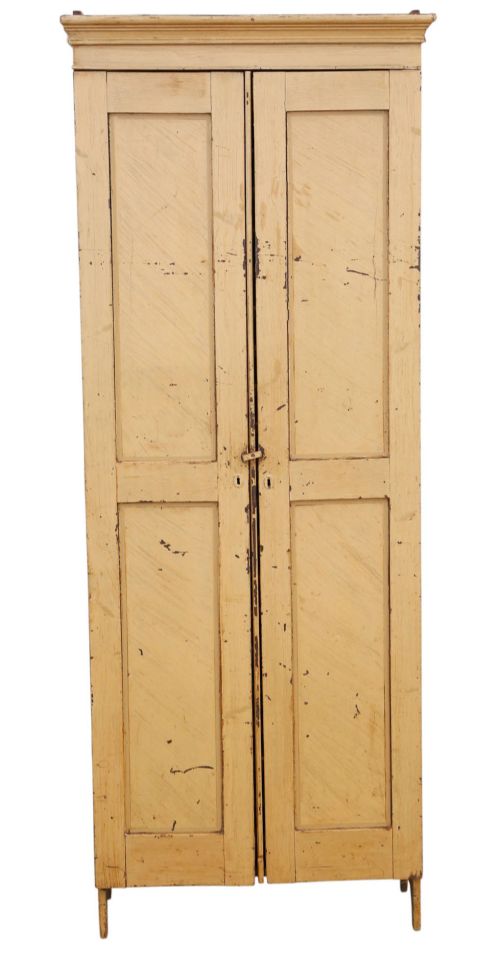
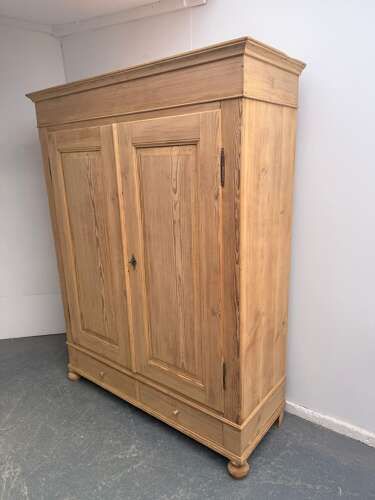
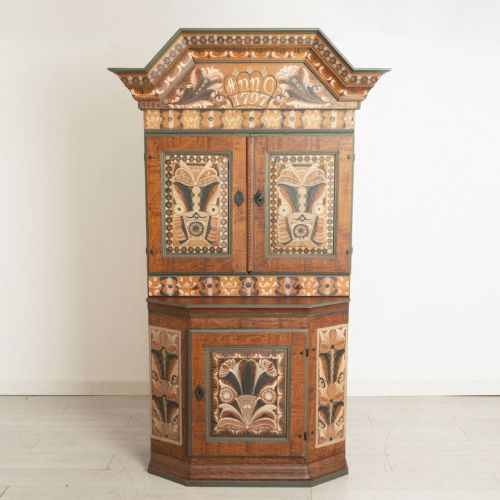
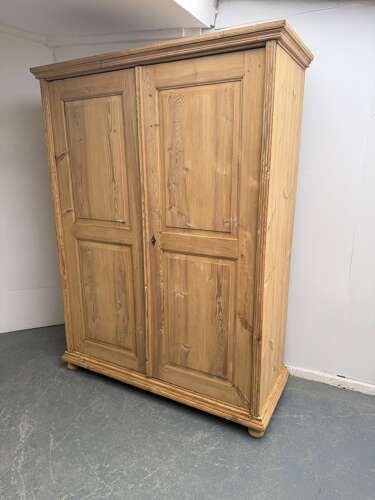
A painted press cupboard is a substantial storage piece designed to hold linen, clothing, or household stores behind panelled doors, often featuring internal shelving or hanging space. When searching this phrase, buyers encounter forms ranging from tall Victorian pine wardrobes and housekeeper cupboards to 18th-century Swedish, French, and Spanish regional pieces.
The selections span multiple centuries, incorporating Georgian pine storage, 19th-century compactums, and Arts and Crafts examples alongside European folk art and rustic variants. These items serve as focal points in hallways, bedrooms, and kitchens, combining decorative painted surfaces with heavy-duty domestic capacity.
Materials and construction
Makers primarily utilised solid timber such as pine, ash, elm, and satinwood, constructing carcases with pegged joints, panelled doors, and sturdy shelving. Iron, brass, and metal hardware including hinges and latches secured heavy doors on large wardrobes and linen presses.
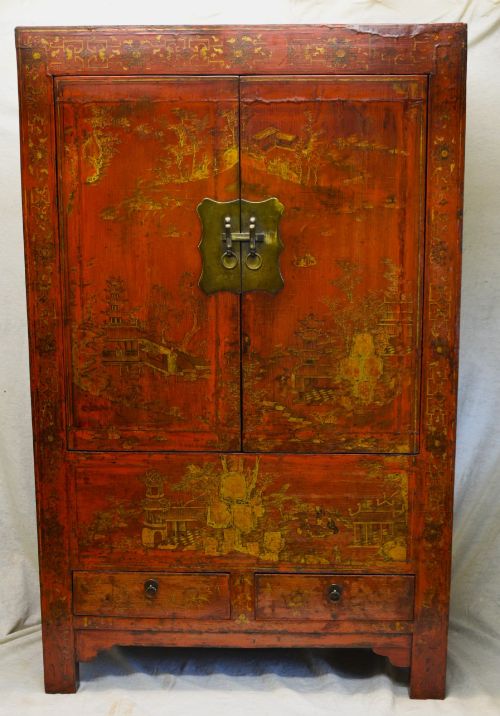
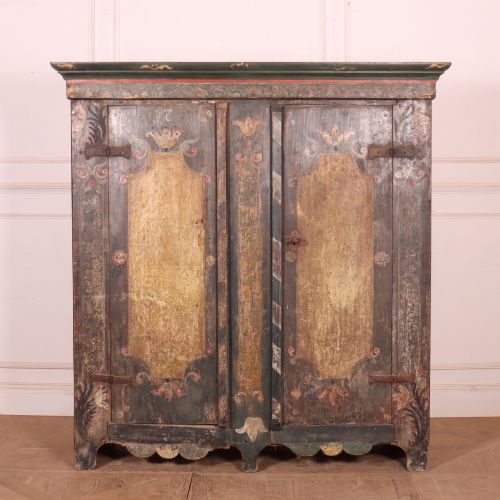
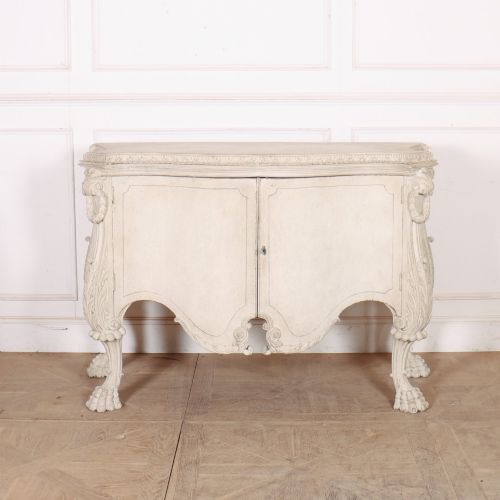
Surfaces received various decorative treatments, ranging from original scumble faux oak paintwork and polychrome pigments to folk art ornamentation, chinoiserie lacquer, and plain preparatory coats intended for waxing or painting.
Painted Press Cupboard Retail Price Guide 2026
Typical asking prices for painted press cupboard among the pieces listed under this phrase on Sellingantiques today, from the lower quarter to the upper quarter. They describe what is for sale here now, not the wider market.
Listings feature pine as the dominant material, alongside ash, elm, and satinwood across the Georgian, Victorian, and Arts and Crafts periods.
Factors of quality
Quality rests in the integrity of the original timber frame, the survival of authentic period paint finishes, and the proportion of the piece. Hand-painted folk art details, polychrome decoration, or untouched scumble work elevate a cupboard above standard utilitarian storage.
Construction methods also dictate standard; knockdown designs that allow large wardrobes to be disassembled demonstrate clever historical joinery, while structural soundness in the cornices, feet, and door panels ensures longevity.
The Painted Press Cupboard Glossary
- Press cupboard
- A large storage furniture item traditionally used for pressing and storing linen or clothing. These pieces typically combine upper shelving sections with lower drawer or cupboard storage.
- Housekeeper cupboard
- A large utilitarian storage cabinet traditionally used in large domestic kitchens or corridors for storing dry goods, linen, and household supplies.
- Scumble paint
- A decorative surface technique involving translucent glazes dragged or brushed over a base coat to imitate the grain of more expensive timbers like oak. It was widely used during the nineteenth century.
- Knockdown wardrobe
- A large piece of furniture engineered with pegged or wedge-held joints so it could be dismantled for transport between rooms or properties. This construction method is common in nineteenth-century pine examples.
- Polychrome
- Painted or decorated in several different colours. This finish appears on regional European pieces from the seventeenth and eighteenth centuries.
Painted Press Cupboard: Frequently Asked Questions
How do I date a painted press cupboard?
Dating relies on examining construction methods, timber choices, and the characteristics of the paint layer. Hand-cut nails, pegged joinery, and specific moulding profiles point toward earlier centuries.
Changes in hardware styles and the presence of original scumble or folk art decoration help narrow down the period from the Georgian era through to the Edwardian period.
Are these cupboards easy to disassemble?
Many nineteenth-century pine examples were built as knockdown wardrobes, meaning the cornices, sides, and base sections separate using internal wooden pegs or bolts. This design was intended to aid transport through narrow hallways.
Checking the listings will indicate whether a piece is a one-piece cabinet or a knockdown version requiring simple reassembly.
How should I clean a painted surface?
Historic painted surfaces require gentle maintenance using a dry cloth or a very slightly damp microfiber cloth to remove dust. Avoid harsh chemical cleaners or abrasive scouring pads that can strip fragile historical layers.
Wax finishes benefit from occasional application of traditional beeswax to nourish the timber and protect the underlying paint.
What is the difference between a press and a wardrobe?
A press traditionally contained sliding trays or shelves specifically for pressed linens and folded garments. Over time, the form evolved to incorporate hanging space for coats and dresses.
Many listings use terms like wardrobe, armoire, and linen press interchangeably depending on the internal configuration of shelves versus hanging rails.