

Painted Porcelain Vessel
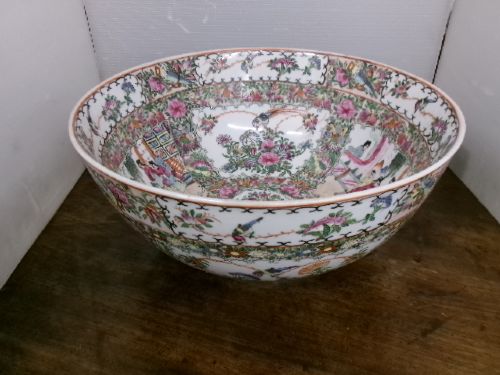
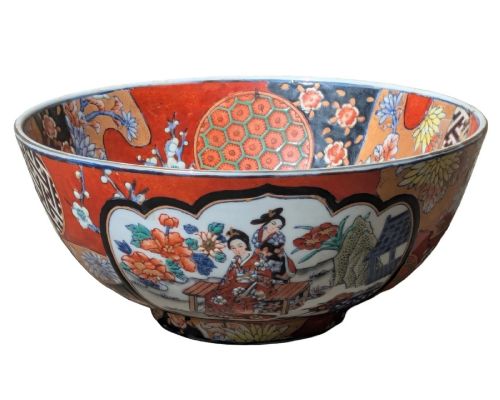
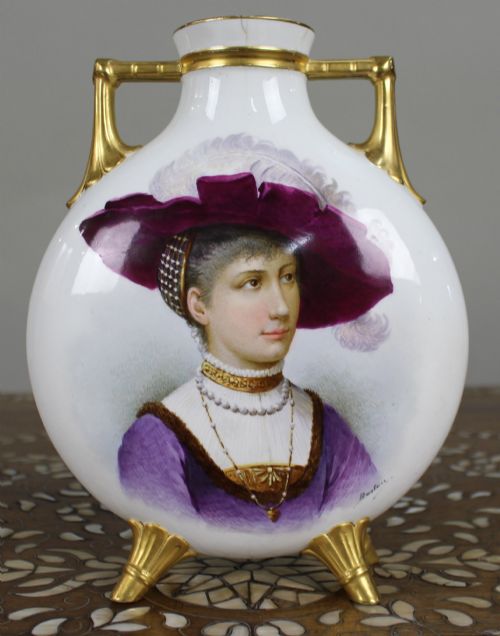
When you search for a painted porcelain vessel, you enter a diverse field spanning centuries of ceramic art from Britain, Europe, and Asia.
Painted Porcelain Vessel
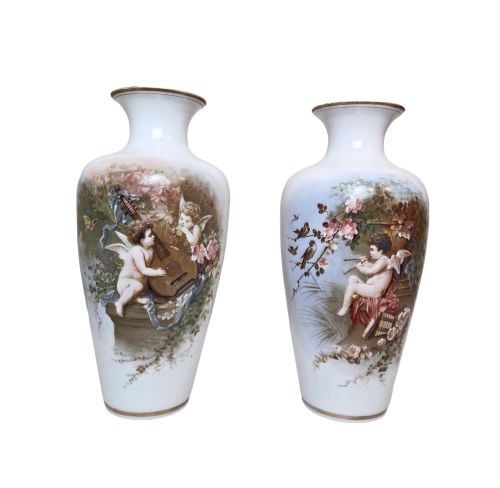
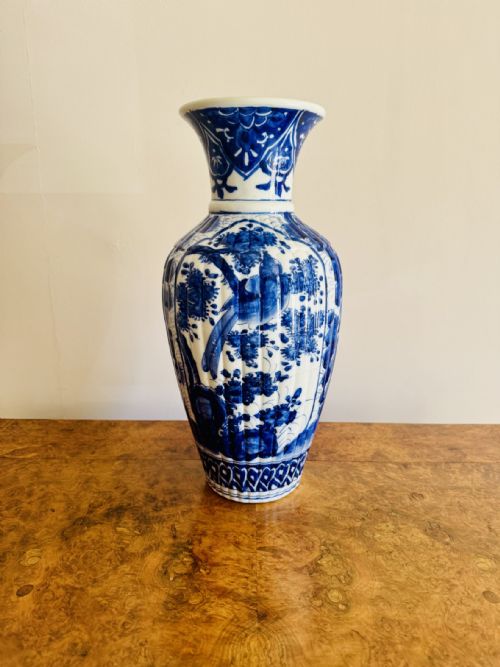
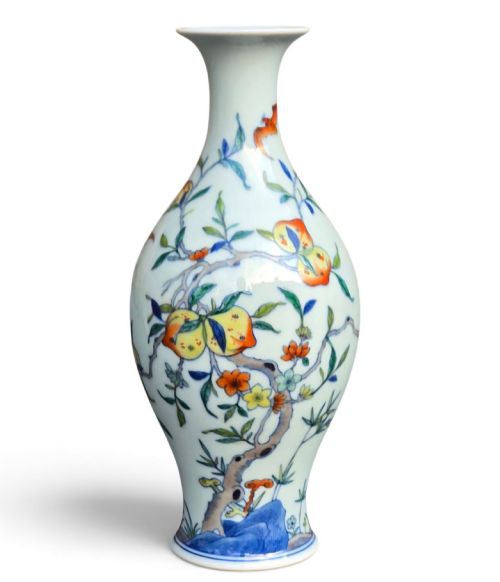
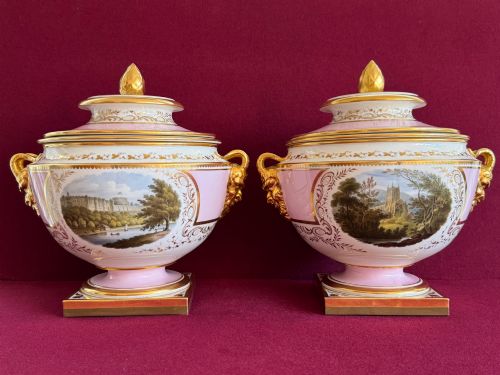
A painted porcelain vessel encompasses forms such as vases, ginger jars, bowls, urns, and incense burners created across multiple global traditions. These objects combine utilitarian ceramic roots with detailed decorative painting, serving primarily as ornamental display pieces in domestic interiors.
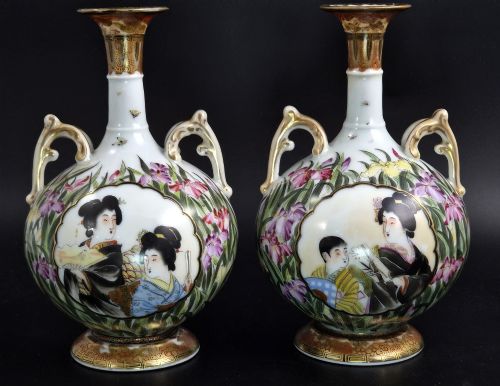
The selection ranges from eighteenth-century English factory productions to nineteenth-century Japanese Imari and Satsuma wares, alongside Chinese export and domestic ceramics. Buyers frequently encounter nineteenth-century Japanese vases and English porcelain urns among the available listings.
Materials and production techniques
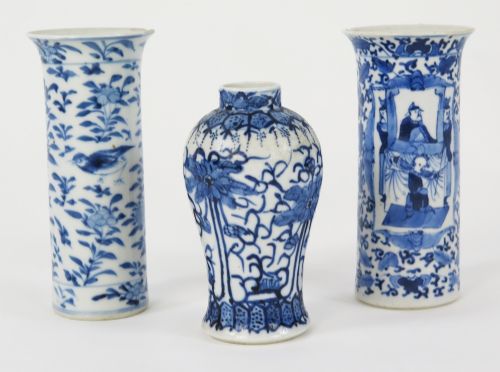
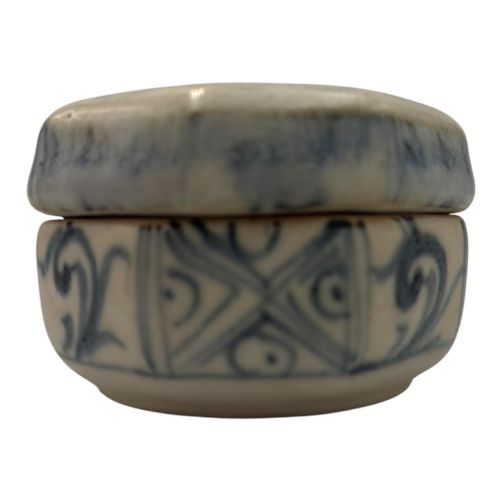
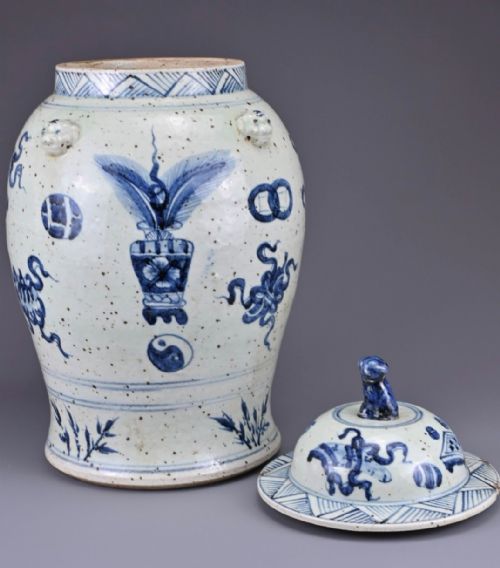
The foundation of every piece relies on porcelain clay fired at high temperatures to achieve a vitrified, dense body, frequently complemented by earthenware variants in specific regional styles. Artisans applied cobalt pigments, enamel colours, and slip under or over the glaze to build up complex pictorial scenes.
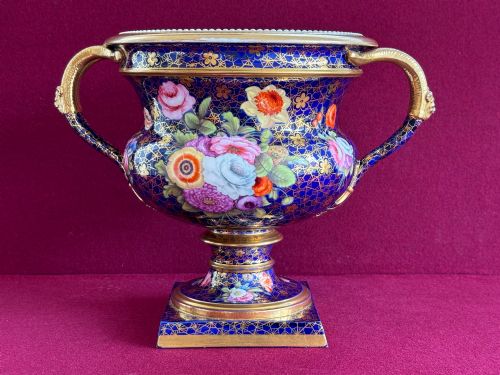
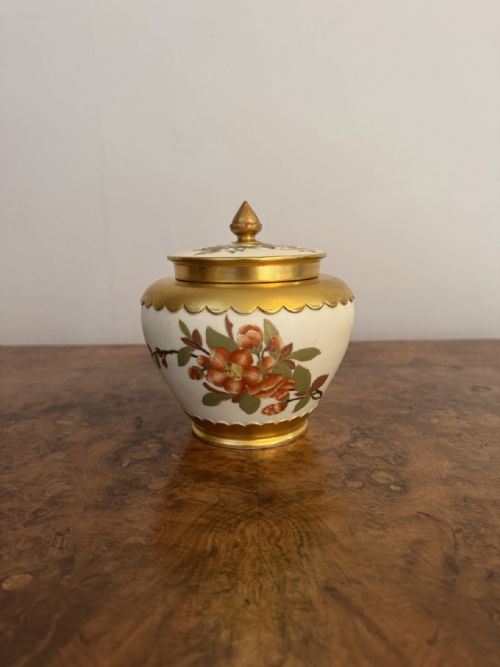
Many workshops applied gold leaf and gilding by hand to accentuate rims, handles, and figurative panels, often requiring secondary firings to set the metallic details. Glazes varied from clear protective coats to coloured lustre finishes that provided a glossy sheen to the painted surfaces.
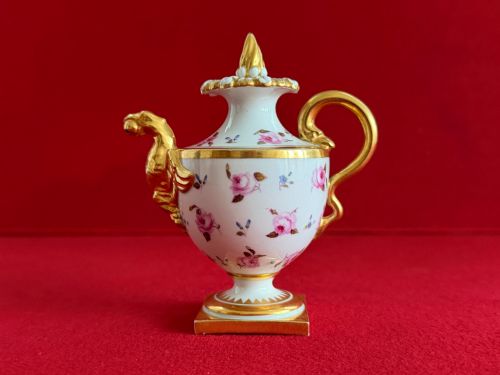
Certain nineteenth-century vessels feature fierce mythical beasts acting as functional feet and finials to guard the contents within.
Evaluating craftsmanship and execution
Quality rests heavily on the precision of the hand-painted brushwork, where finely rendered botanical, figurative, or abstract motifs separate superior examples from routine production. The crispness of the porcelain moulding and the evenness of the glaze application further indicate the skill level of the originating workshop or factory.
The integration of gilding and enamel work reveals the economic investment in a piece, with top-tier examples showing minimal pigment pooling and secure metallic adherence. Maker marks and artist signatures often correlate with higher standards of execution and material selection.
Flight Barr and Barr·Royal Worcester·Bloor Derby·Helena Wolfsohn·H and R Daniel
The Painted Porcelain Vessel Glossary
- Imari
- A style of Japanese export porcelain decorated in underglaze blue, iron red, and gold. It originated in the Arita district and became popular across European interiors.
- Enamel
- Opaque glass-like material applied over fired glaze and refired to fuse with the surface. It provides vibrant non-fading colours on decorative vessels.
- Koro
- A traditional Japanese incense burner typically supported on legs and fitted with a pierced cover. These ceramic vessels often feature guardian figures or animal motifs.
- Gilding
- The application of gold leaf or powdered gold to ceramic surfaces for ornamentation. It highlights specific design elements such as rims and handles.
- Bisque
- Unglazed fired porcelain or ceramic body possessing a matte texture. Some makers left parts of their figures or vessels in this absorbent state.
Painted Porcelain Vessel: Frequently Asked Questions
What is a painted porcelain vessel?
A painted porcelain vessel is a fired ceramic object decorated with hand-applied pigments, enamels, or gilding. These items include functional forms adapted for display, such as jars, urns, and vases.
They reflect the aesthetic traditions and chemical techniques of specific periods, ranging from Georgian European factories to Meiji period Japanese kilns.
How were these vessels used?
Most of these ceramic pieces served as decorative ornaments on mantelpieces, sideboards, and tables within wealthy homes. Some specific forms, like koro burners or rose water sprinklers, held aromatic substances or liquids for practical domestic rituals.
Over time, their primary function shifted toward visual appreciation and the demonstration of refined taste by the collector.
How do I care for antique porcelain?
Antique porcelain requires gentle handling and placement away from direct sunlight and high-traffic areas where accidental knocks might occur. Dusting should be performed dry with a soft brush rather than harsh cloths that might catch on raised enamels or gilding.
Water immersion should be avoided, particularly for pieces with delicate overglaze enamels or gold leaf that can degrade with moisture exposure.
How do I identify different periods?
Period identification relies on observing stylistic conventions, glaze characteristics, and factory marks stamped or painted on the base of the ceramic body. Victorian and Regency pieces often mimic classical European forms, while Meiji period Japanese items display distinct regional motifs and signature panels.
Comparing the weight, clay composition, and pigment palette against documented examples from the same origin helps narrow down the production era.