

Painted Porcelain Teacup
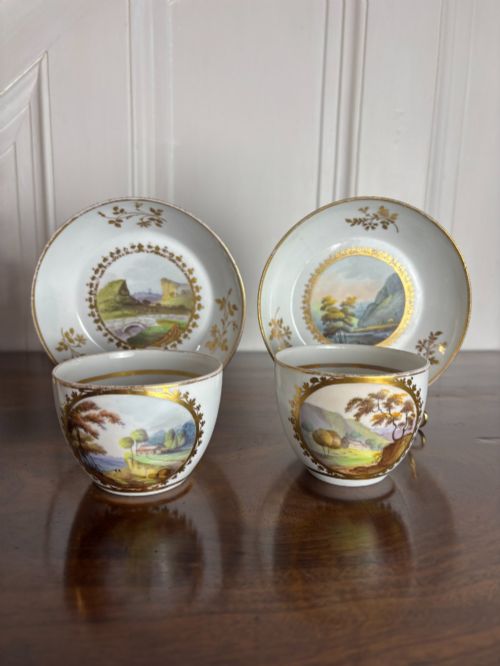
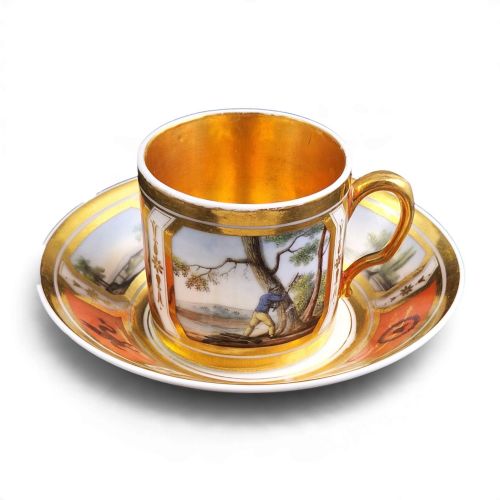
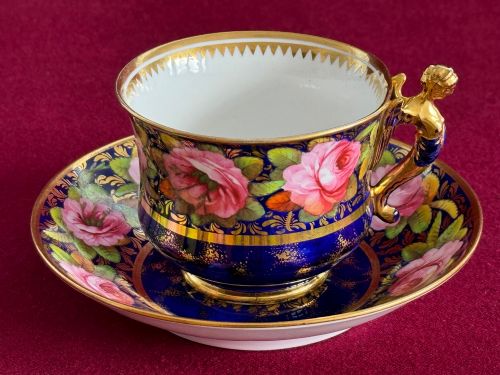
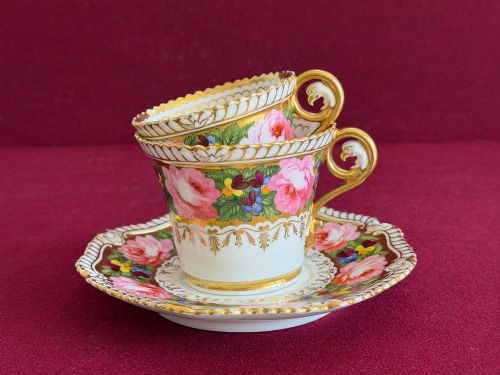
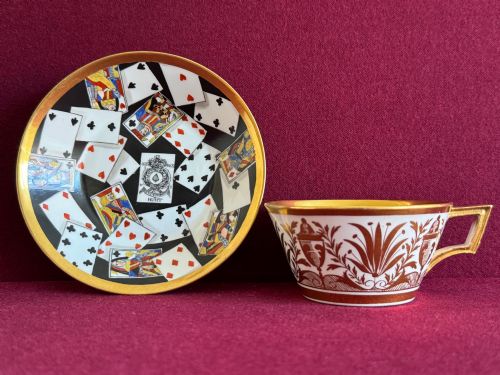
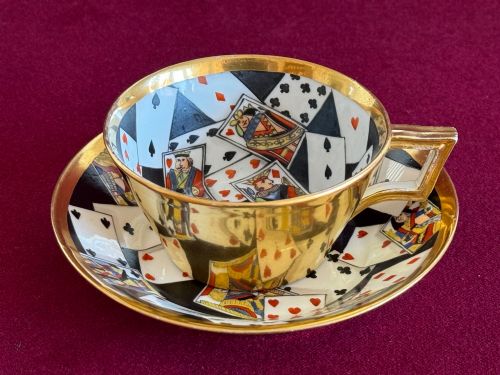
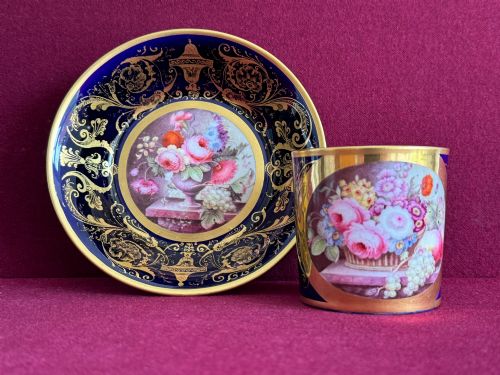
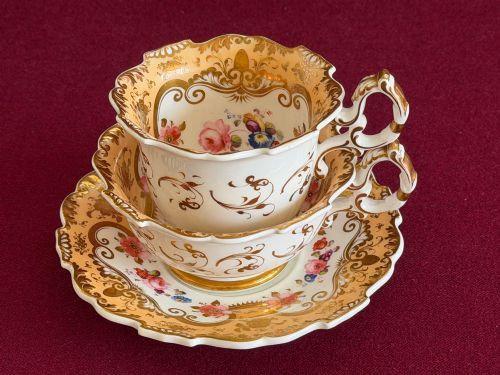
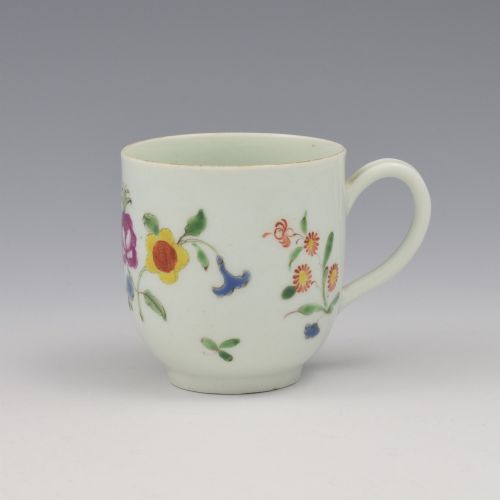
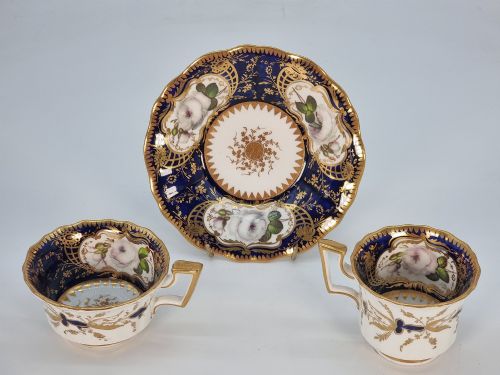
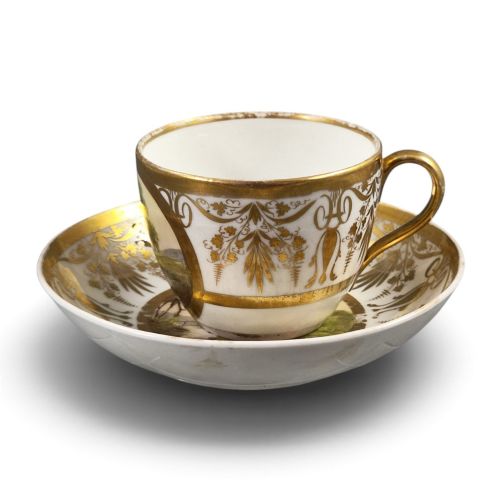
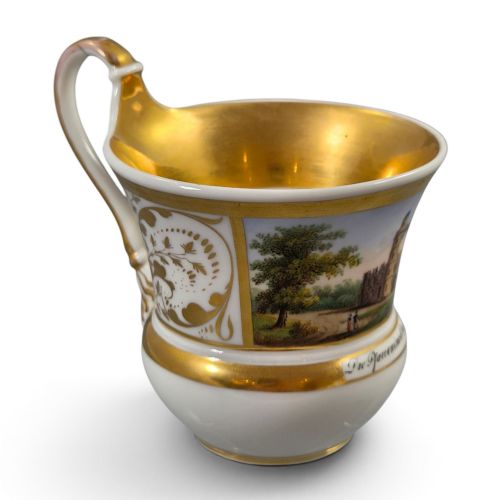
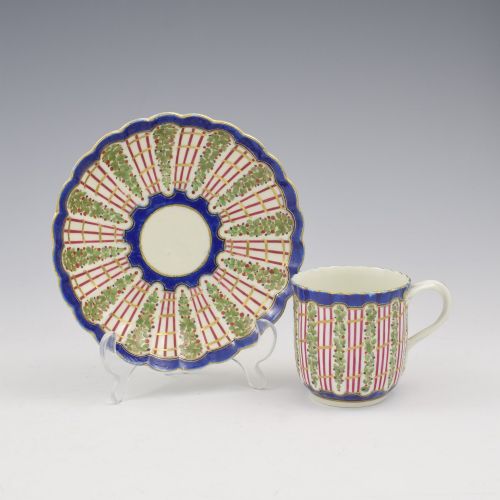
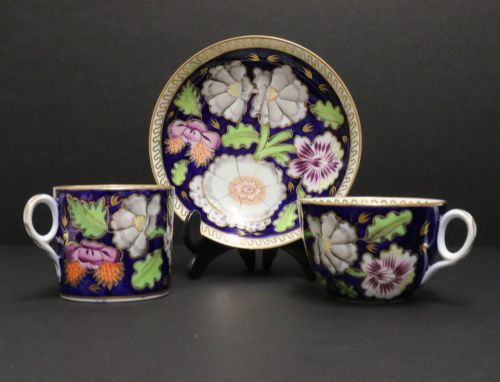
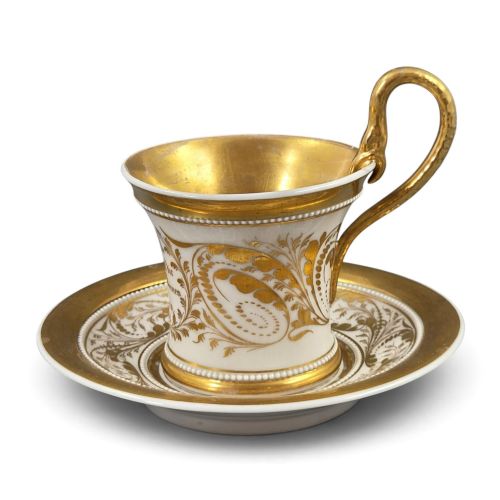
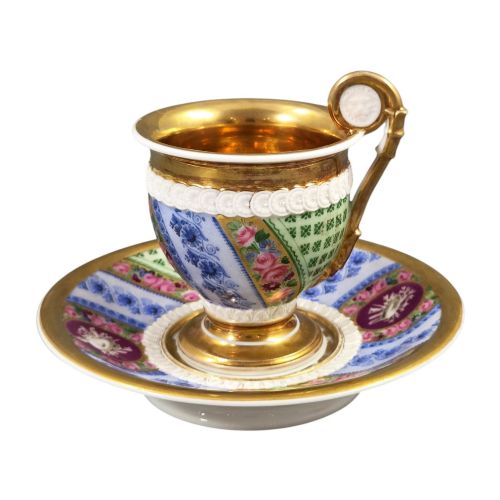
These painted porcelain teacup examples bring domestic history to life through hand-rendered botanical studies, topographical landscapes, and delicate polychrome motifs.
Painted Porcelain Teacup
A painted porcelain teacup embodies the sophisticated tea-drinking rituals of past centuries, encompassing solitary tea bowls from the seventeen-hundreds as well as elaborate Regency and Victorian trios comprising cups, saucers, and side plates. These items serve both functional and display purposes, frequently originating from esteemed English, continental European, and Asian manufactories.
The versions most commonly encountered on this page date from the Georgian and Regency periods through to the late nineteenth century, often decorated with handpainted floral sprays, birds, or scenic vistas. Collectors encounter forms ranging from simple handleless tea bowls to footed cabinet cups with gilt highlights.
The broader category extends beyond solitary vessels to include matched services and multi-piece breakfast sets designed for formal domestic settings. Each piece reflects the aesthetic preferences of its era, moving from delicate eighteenth-century underglaze blue and polychrome enamels to bolder nineteenth-century gilding and topographical views.
Materials and methods of production
Makers utilised various ceramic compositions including soft-paste porcelain, hard-paste porcelain, and bone china, shaping them either by wheel-throwing or by pressing clay into moulds. Artisans then applied underglaze pigments or overglaze enamels by hand before subjecting the pieces to kiln firing.
Gilding was applied using gold leaf or liquid gold, which required an additional firing process to bond the metal to the glazed ceramic surface. Hand-painting required steady brushwork, using mineral and metallic oxides that maintained their vibrant colours under intense heat.
Painted Porcelain Teacup Retail Price Guide 2026
Typical asking prices for painted porcelain teacup among the pieces listed under this phrase on Sellingantiques today, from the lower quarter to the upper quarter. They describe what is for sale here now, not the wider market.
Listings feature porcelain from the eighteenth, nineteenth, and early twentieth centuries, including pieces originating from English, French, German, Russian, and Asian manufactories.
Factors determining quality
The standard of a painted porcelain teacup relies heavily on the precision and artistry of the handpainting, where delicate brushwork and detailed pictorial subjects elevate a piece above standard factory output. Superior examples display crisp definition in multi-coloured enamels and careful placement of gilding.
The weight, translucency, and purity of the porcelain body also distinguish higher-grade items, alongside the historical significance of the manufactory and the complexity of the mould shape. Pieces that retain rich, burnished gilding and well-preserved overglaze decoration command greater appreciation.
H and R Daniel·Chamberlain Worcester·KPM Berlin·Coalport·Flight Barr and Barr·Meissen·Royal Worcester·Gardner Moscow Factory
The Painted Porcelain Teacup Glossary
- Cabinet cup
- A decorative cup intended primarily for display in a cabinet rather than for daily consumption of tea or coffee. These pieces often feature elaborate topographical landscapes or gilt presentation designs.
- Soft-paste porcelain
- An artificial ceramic compound made from clay, glass, and white sand, fired at lower temperatures than hard-paste porcelain. It produces a warm, creamy body with a deep glaze.
- Hard-paste porcelain
- A true ceramic material composed of kaolin and petuntse, fired at very high temperatures. This creates a durable, vitreous body with high resistance to thermal shock.
- Bone china
- A type of soft-paste porcelain incorporating animal bone ash, developed in England to increase strength and whiteness. It allows for thinner walls while maintaining structural integrity.
- Trio
- A matched set consisting of a teacup, a coffee cup, and a matching saucer. They were popular in nineteenth-century formal table settings for serving different hot beverages.
Painted Porcelain Teacup: Frequently Asked Questions
How do I care for antique cups?
Wash them gently by hand in lukewarm water using mild soap, avoiding abrasive sponges or modern dishwashers that can damage old enamels and thin gilding. Store them securely on stable shelving away from direct sunlight.
Handle each piece by the body rather than relying solely on fragile applied handles, which can weaken over centuries of use. Inspect resting surfaces periodically to prevent rubbing between stacked saucers.
Were these cups used daily?
Many eighteenth and nineteenth-century cups were produced for formal drawing-room tea service rather than rough everyday use, particularly finer cabinet pieces and delicate trios. Wealthier households reserved them for entertaining guests.
Over time, wear patterns often indicate whether a cup saw frequent service or remained primarily a decorative item. Display pieces typically retain pristine interior gilding and unblemished painted surfaces.
How do I identify the period?
Examine the paste composition, glaze texture, and bottom footrim, as manufacturing techniques evolved significantly between the seventeen-hundreds and the Victorian era. Early pieces often show distinct potting marks or unglazed footrims.
Maker's marks, pattern numbers, and painter's ciphers painted or impressed on the base provide reliable clues for dating. Stylistic indicators like neoclassical borders or Rococo scrolls also help narrow down the decade of production.
What is a tea bowl?
A tea bowl is a small, handleless drinking vessel derived from Chinese prototypes, used widely in Europe before handles became standard on English teacups. Drinkers held them carefully in both hands to sip hot tea.
They are commonly found among eighteenth-century porcelain sets alongside matching saucer dishes. Their delicate forms require specific techniques to hold safely when filled with hot liquid.